Best Dog Food for Norrbottenspets in 2026Based on Nutritional Science
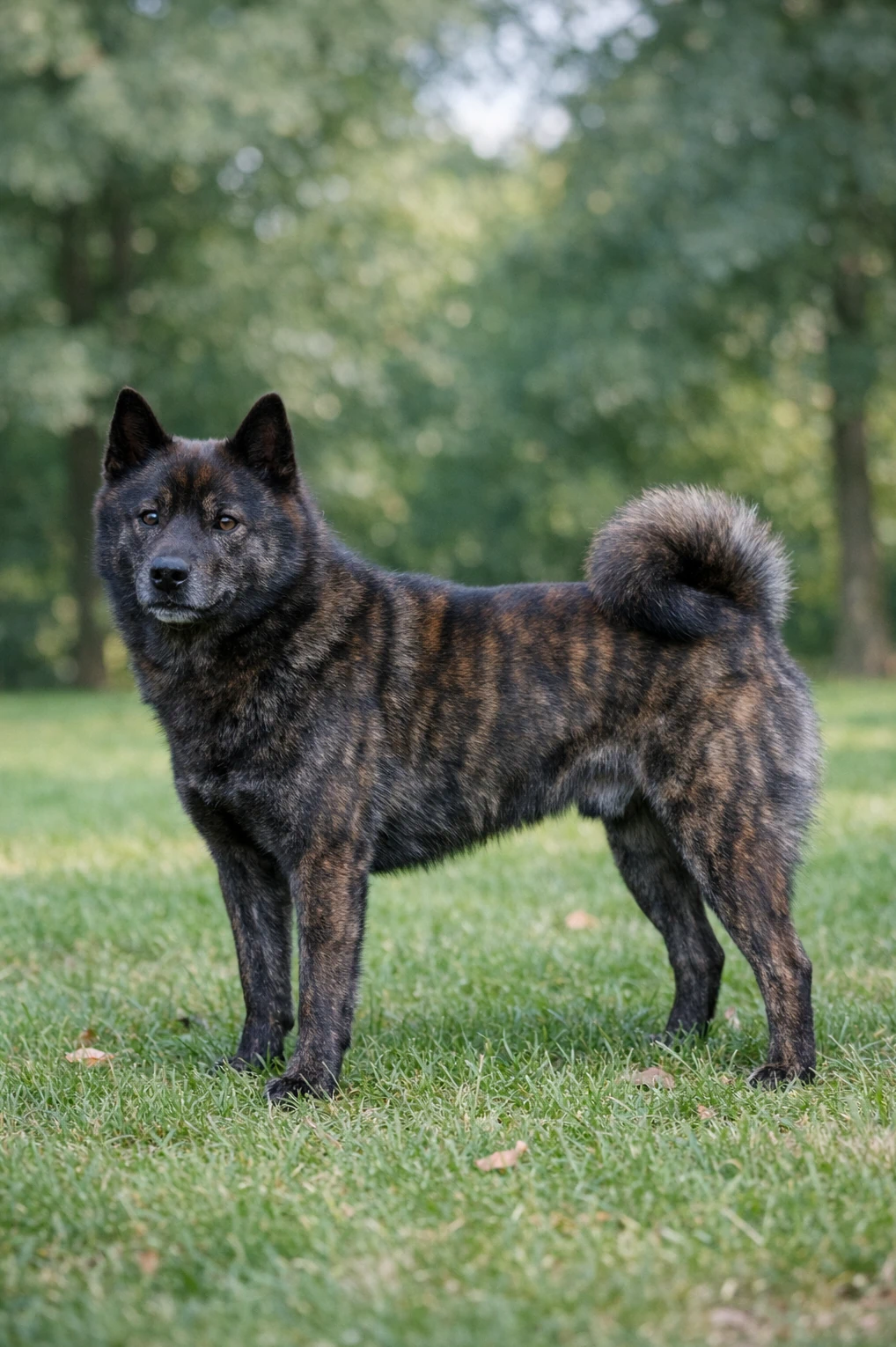
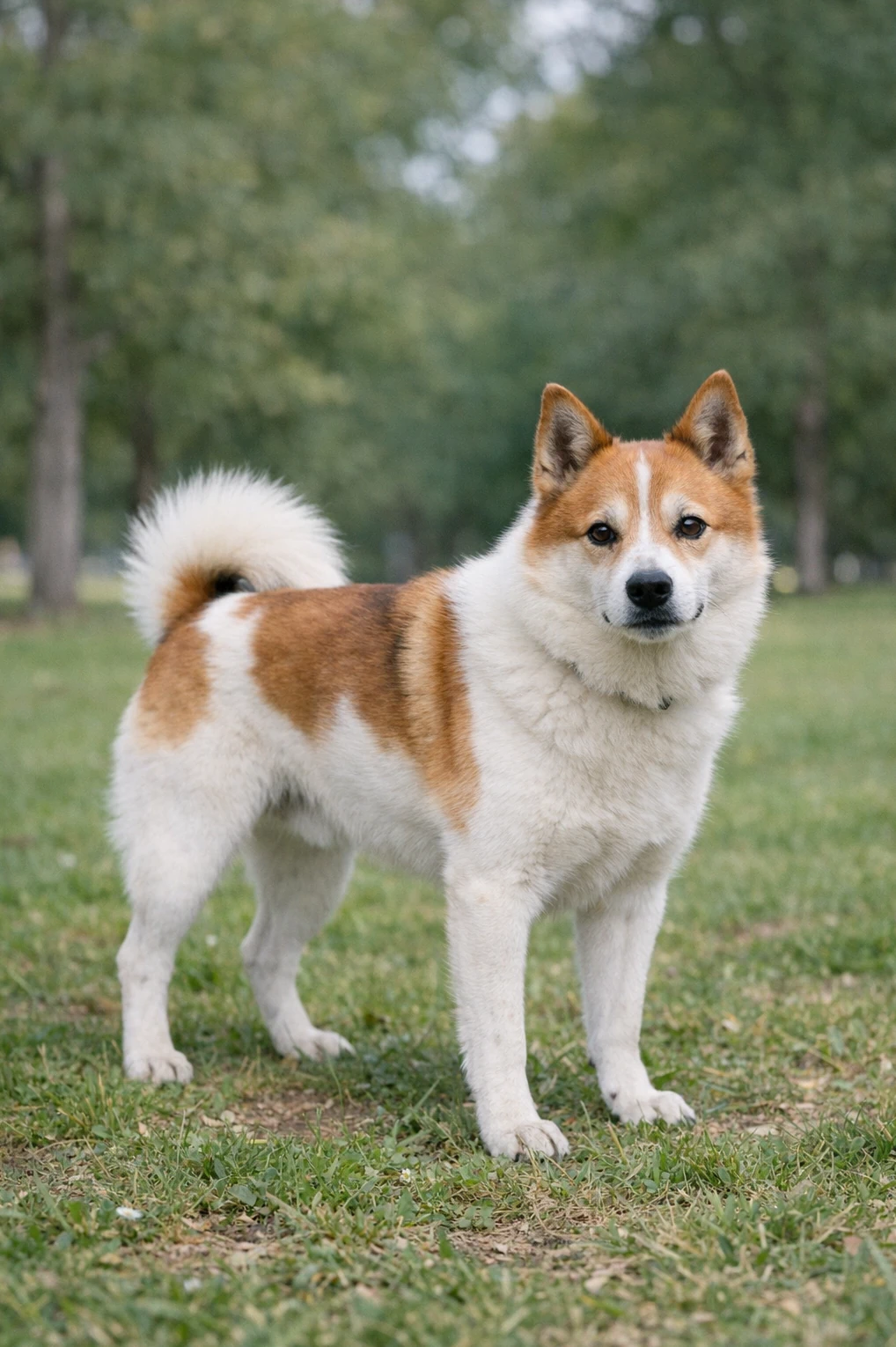
Compact Norrbottenspets stands about 16.5 to 18 inches and weighs 20 to 30 pounds. Bold, nimble and observant, this companion thrives on a protein-rich, balanced diet. Nutritional Verdict: supports lean muscle and steady energy.
Understanding the Norrbottenspets Metabolism and Energy Needs
Raised to work in cold northern woods, the Norrbottenspets is a compact hunting companion with quick reflexes and steady stamina, plus a lively focus on scent and movement. That background means their meals should protect lean muscle and fuel sudden efforts as well as longer, low-intensity activity. High quality animal protein, about 25 to 30 percent of the diet, supports recovery and preserves muscle mass.
Moderate fat, roughly 15 to 20 percent, gives concentrated energy and helps maintain a dense coat, while omega-3 and omega-6 fatty acids soothe skin and support brain function. Complex carbohydrates and fiber provide slow-burning fuel for alert tracking, and B vitamins and antioxidants back metabolism and immune health. For very active dogs, consider joint support such as glucosamine, and slightly higher calorie density per kilogram to match their energetic needs.
Managing Norrbottenspets Genetic Health Risks Through Nutrition
Obesity / Overweight
Helpful nutrients
Life-stage nutritional needs (puppy, adult, senior)
Helpful nutrients
Food safety and toxic human foods
Helpful nutrients
Dehydration
Helpful nutrients
Norrbottenspets Feeding & Calorie Calculator
Estimated Daily Calories
Tip: Start with this amount and adjust after 2–3 weeks based on your dog's body condition and weight trend.
This estimate provides a starting point for feeding. Individual calorie needs may vary depending on metabolism, body condition, and health status. Always monitor your dog's weight and consult your veterinarian when adjusting diet.
Foods and Ingredients to Avoid for Norrbottenspets Dogs
Norrbottenspets are a small to medium breed, often weighing 20 to 30 pounds, and some individuals are prone to gaining extra weight.
Feeding rich, high-fat foods like fried table scraps, fatty cuts of meat, or heavy creamy sauces can quickly add calories and increase the risk of obesity and pancreatitis.
Keeping fat in check helps protect their joints and overall energy, and choosing lean proteins and controlled portions supports a healthy weight and comfortable, active life.
Treats are great for training and bonding, but Norrbottenspets can pack on pounds if treats are given too freely.
High-calorie treats, frequent handouts, and table scraps can push daily calories well past what this 20 to 30 pound dog needs, leading to excess weight and related health issues.
Use small, low-calorie rewards and count treats toward daily food allowance. Break treats into tiny pieces during training to reward without overfeeding.
Chocolate, coffee, tea, and products containing caffeine are toxic to dogs and can be dangerous for a Norrbottenspets of this size.
Even small amounts of dark chocolate or cocoa can cause vomiting, rapid heart rate, tremors, and in severe cases life-threatening reactions.
If your dog consumes chocolate or a caffeinated product, contact your veterinarian right away. Quick action can make a big difference in outcomes for smaller dogs.
Grapes, raisins, and currants can cause sudden kidney failure in dogs and should never be offered, not even in small quantities.
The reaction is unpredictable, so a single handful can be risky for a Norrbottenspets and lead to serious illness.
Keep these fruits well out of reach and be mindful of baked goods or trail mixes that might contain them. If ingestion occurs, seek veterinary help immediately.
Xylitol is a common artificial sweetener found in sugar-free gum, some peanut butters, candies, and baked goods, and it is extremely toxic to dogs.
Ingestion can cause a rapid drop in blood sugar, seizures, and even liver failure, with smaller breeds like the Norrbottenspets being especially vulnerable.
Always check ingredient labels before sharing human foods and avoid products labeled sugar-free. If you suspect xylitol exposure, go to the vet or emergency clinic without delay.
Onions, garlic, chives, and related seasonings can damage a dog’s red blood cells and lead to hemolytic anemia, even when cooked or present in powdered form.
Regular consumption or large amounts are particularly harmful for small to medium dogs and can cause weakness, pale gums, and breathing difficulty.
Avoid foods seasoned with these ingredients and be cautious with leftovers and flavored broths. If you notice weakness or unusual symptoms after exposure, contact your veterinarian.
How Nutritional Needs Change Throughout the Norrbottenspets Life Stages
Dogs need different nutrition at puppyhood, adulthood, and senior years because their bodies grow, maintain, and age in different ways. A breed's growth rate, activity level, and common health tendencies shape those needs, so feeding for a tiny terrier differs from feeding a working dog. For a Norrbottenspets, medium size and lively, agile nature mean paying attention to growth pace, energy demand, and preventive health care.
| Life Stage | Age Range | Primary Objective | Key Nutrient Focus |
|---|---|---|---|
| Puppy | 0–12 months | controlled skeletal development, immune support, brain development | DHA, balanced calcium/phosphorus, high-quality protein |
| Adult | 1–7 years | lean muscle maintenance and sustained energy | high-quality protein, omega-3 fatty acids, fiber |
| Senior | 7+ years | joint mobility, metabolic health, and cognitive support | glucosamine, chondroitin, antioxidants, lower calories |
Norrbottenspets puppies grow into a medium, agile dog and often show brisk, fearless energy early on. Their skeletal system needs steady, controlled growth to avoid joint problems later, so avoid rapid excess weight gain during development, and consult your vet about an appropriate growth-rate plan.
Feed puppies three to four small meals a day using a formula for medium-breed growth, supplying high quality protein, balanced calcium and phosphorus, and DHA for brain development. Include moderate fat for energy and omega-3s for skin and coat, while monitoring calories because active pups still need protection from joint stress; frequent weight checks help keep growth on track.
Adult Norrbottenspets are agile and attentive, often needing a diet that supports lean muscle and steady energy for play or work. Choose high quality, digestible protein to maintain muscle mass and moderate fat to meet energy needs without excess weight gain, and use wholesome carbohydrates for sustained activity.
Adjust portion sizes to match lifestyle, increasing calories for very active or working dogs and reducing them for more sedentary pets. Include omega-3 fatty acids to support coat and joint health and antioxidants for overall wellbeing, and do regular body condition checks to fine tune feeding based on seasonal activity.
As Norrbottenspets age, metabolism often slows and digestion can become less efficient while mobility may decline. Senior dogs may need fewer calories if activity drops, but they still require high quality, highly digestible protein to preserve lean muscle and support immune function; smaller, more frequent meals can ease digestion and aid weight control.
Support joints with omega-3 fatty acids and joint nutrients like glucosamine and chondroitin, and add antioxidants such as vitamin E to help healthy aging. Increase fiber if digestion needs it and work with your vet to adjust calories and supplements based on mobility, dental health, and any breed-specific concerns highlighted by your breeder.
Kibble vs Fresh vs Raw for Norrbottenspets
Different feeding models suit different lifestyles and energy needs. For a Norrbottenspets, activity level, size, and coat all influence which option fits best.
Pros
- Convenient and easy to portion for busy owners.
- Consistent, balanced nutrition supports an active, agile body.
- Many formulas provide controlled calories to maintain lean muscle.
- Dry kibbles can help reduce plaque buildup while chewing.
Cons
- Lower moisture content may not suit dogs that drink less.
- Some brands use fillers that offer little nutritional value.
- Overfeeding calorie-dense kibble can quickly lead to weight gain.
- Less variety may be unappealing to picky eaters.
Pros
- Highly palatable, often loved by picky or spirited eaters.
- High moisture content supports hydration and digestive health.
- You control ingredient quality to match breed sensitivities.
- Easily adjusted for activity days with tailored calorie levels.
Cons
- Requires time and planning to ensure complete nutrition.
- Can be more expensive and needs refrigeration.
- Missing supplements can lead to long-term nutrient gaps.
- Not as convenient for travel or busy schedules.
Pros
- High protein can support lean muscle for an agile dog.
- Some owners see improved coat condition and energy levels.
- Unprocessed ingredients preserve natural flavors and nutrients.
- Feeding raw may satisfy natural scavenging instincts.
Cons
- Risk of bacterial contamination demands strict hygiene.
- Bones can pose choking or dental hazards for smaller dogs.
- Difficult to balance vitamins and minerals without guidance.
- Veterinary oversight is recommended to avoid health risks.
- Can be time-consuming and more costly than kibble.
| Diet Type | Pros for Norrbottenspets | Potential Downsides |
|---|---|---|
| High-Quality Kibble |
|
|
| Fresh Cooked Food |
|
|
| Raw Diet (BARF) |
|
|
Our Recommendation
For most Norrbottenspets, high-quality kibble delivers a practical balance of nutrition, convenience, and calorie control. Fresh cooked food suits owners who want full ingredient control and higher hydration.
Raw diets can work but need strict hygiene, careful balancing, and veterinary guidance.
See Also
Breeds with similar group, size, and coat characteristics