Best Dog Food for Australian Stumpy Tail Cattle Dog in 2026Based on Nutritional Science
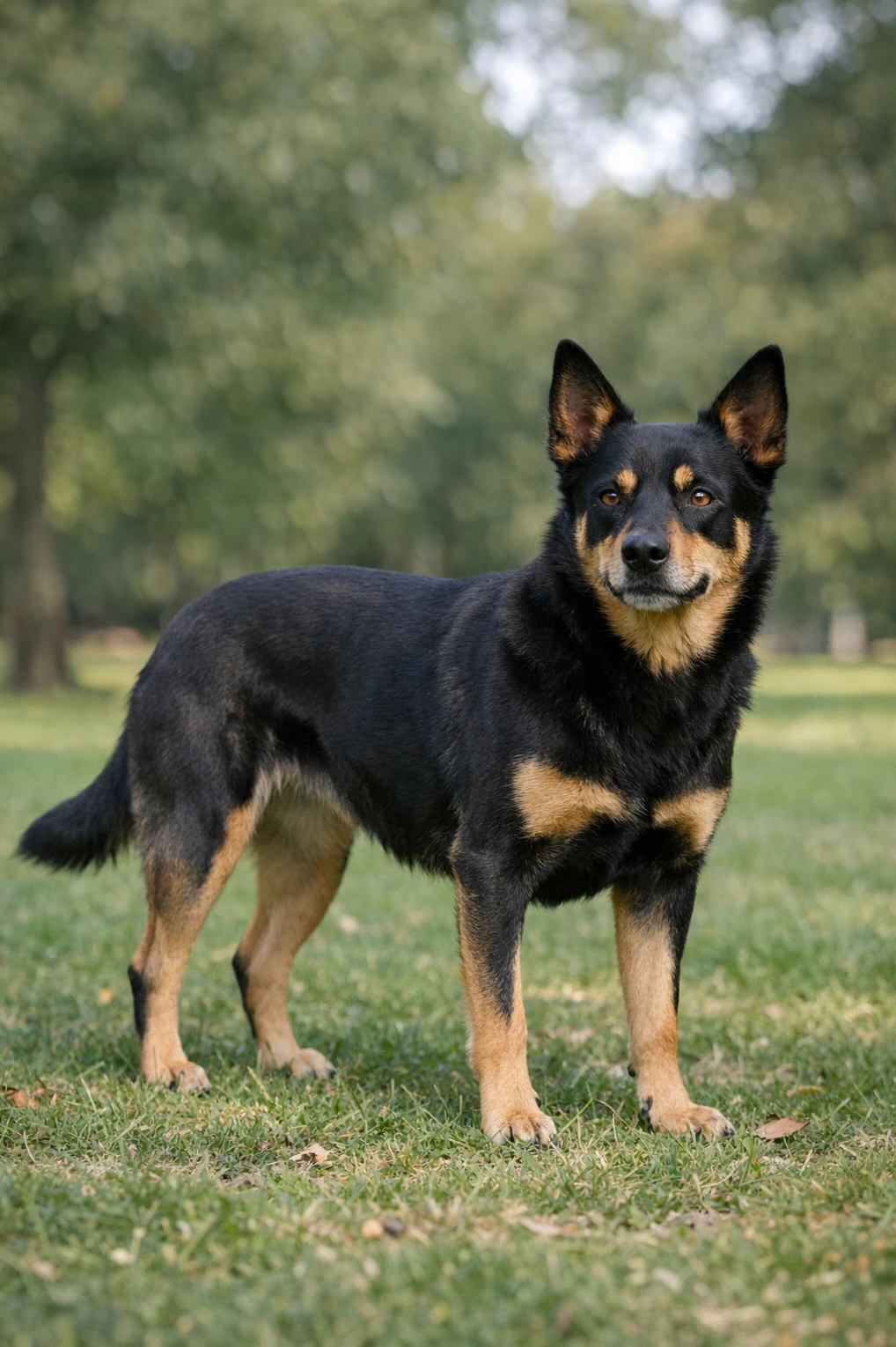
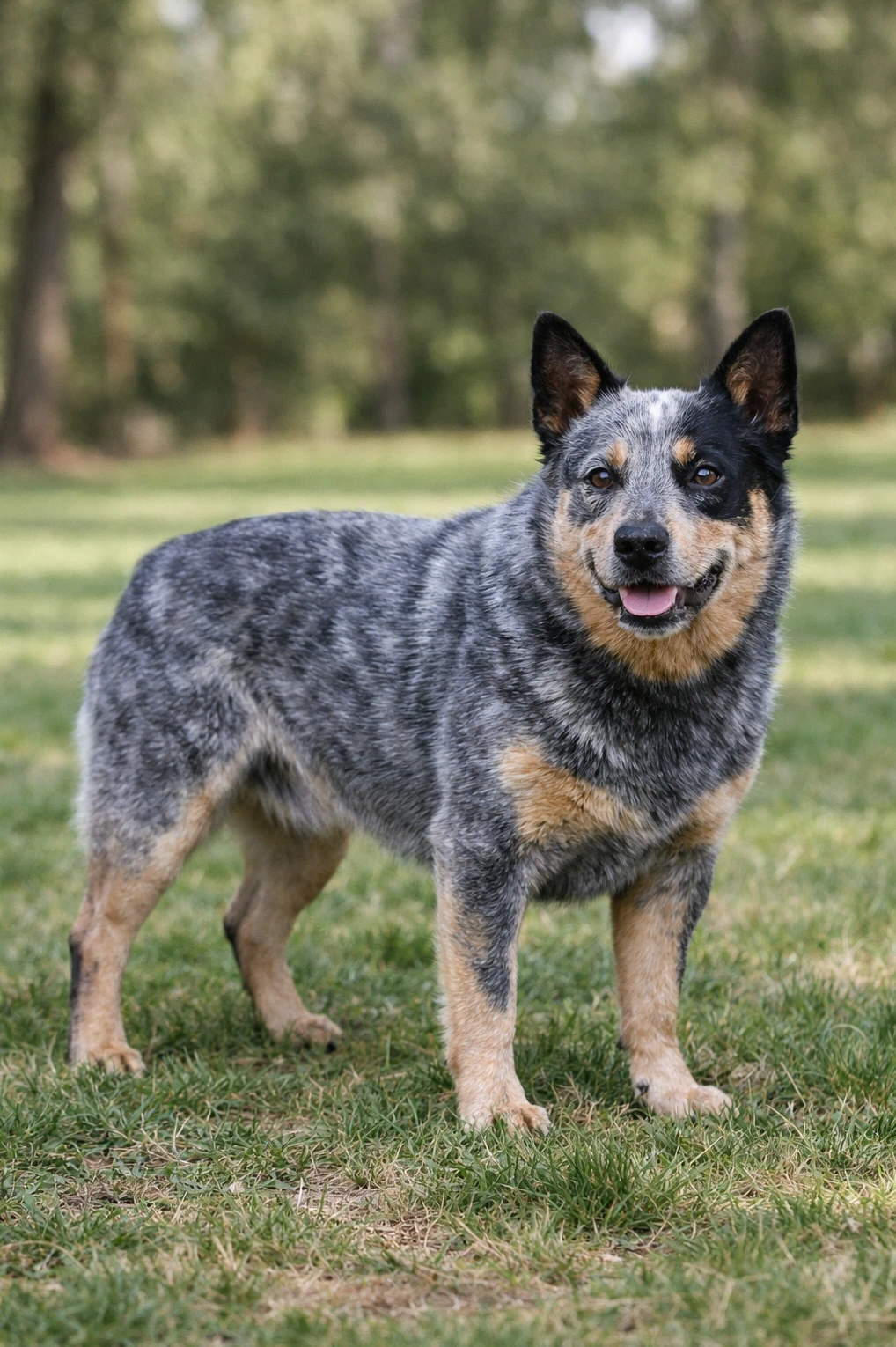
Australian Stumpy Tail Cattle Dog males stand about 18 to 20 inches and weigh 38 to 45 pounds, watchful, spirited and eager to please. Nutritional Verdict: high-quality protein and balanced calories support steady energy.
Understanding the Australian Stumpy Tail Cattle Dog Metabolism and Energy Needs
This short-tailed herding dog, developed to manage livestock, combines keen vigilance, high energy and a strong willingness to follow direction. Those qualities mean its body favors lean muscle, steady endurance and a brain that thrives on consistent fuel.
A diet richer in quality animal protein supports muscle maintenance and recovery, especially after bursts of herding-style effort, with sources like poultry, beef or fish. Moderate healthy fats provide concentrated energy and support coat and joint health, while controlled complex carbohydrates from whole grains or vegetables supply steady glucose for focus. Omega-3s and glucosamine help inflammation control and cartilage support after frequent movement.
Puppies, working adults and older dogs need slight tweaks in calorie and supplement levels, but the core idea is the same: fuel strength and steady energy for a dog shaped to keep moving and listening.
Managing Australian Stumpy Tail Cattle Dog Genetic Health Risks Through Nutrition
Hip Dysplasia
Helpful nutrients
Elbow Dysplasia
Helpful nutrients
Progressive Retinal Atrophy (PRA)
Helpful nutrients
Rod-Cone Atrophy
Helpful nutrients
Congenital Deafness
Helpful nutrients
Primary Lens Luxation
Helpful nutrients
Overweight / Obesity Risk
Helpful nutrients
Australian Stumpy Tail Cattle Dog Feeding & Calorie Calculator
Estimated Daily Calories
Tip: Start with this amount and adjust after 2–3 weeks based on your dog's body condition and weight trend.
This estimate provides a starting point for feeding. Individual calorie needs may vary depending on metabolism, body condition, and health status. Always monitor your dog's weight and consult your veterinarian when adjusting diet.
Foods and Ingredients to Avoid for Australian Stumpy Tail Cattle Dog Dogs
Although Australian Stumpy Tail Cattle Dogs are active, they are a medium-sized breed that can gain weight if fed rich, fatty table scraps or very high fat commercial foods.
Extra body fat adds strain to hips and elbows, parts of the body this breed is recommended to have screened, and can reduce mobility during demanding work or play.
Keep fat sources moderate and focused on quality, lean proteins that support energy without excess calories.
If your dog needs higher energy, let a vet or nutritionist adjust the diet rather than adding lots of fatty treats.
Treat-based training and human snacks can add up quickly for a 38 to 45 pound dog, increasing the risk of unwanted weight gain and joint stress.
Carrying extra pounds can worsen structural issues like hip or elbow dysplasia, and can reduce stamina for a dog that normally thrives on activity.
Stick to measured portions and low-calorie training treats, factor treats into daily calories, and follow the two-meal plan recommended for this breed to help maintain an ideal weight.
Giving very large weight-bearing bones or extremely hard chews can lead to broken teeth, mouth injuries, and intestinal splinters if swallowed whole.
For a compact, strong-headed herding dog, a dental fracture or gastrointestinal blockage could be painful and require surgery, which is best avoided.
Choose safer chew options designed for medium breeds and supervise chew time. Softer dental chews and durable rubber toys usually provide safer, longer lasting satisfaction.
This breed can show sensitivities like many other dogs, and artificial preservatives, colors, and unnecessary fillers can trigger skin issues, digestive upset, or a dull coat.
Since keeping a healthy coat and skin helps caretakers spot early signs of other conditions, clean ingredient lists are helpful for early detection and day to day comfort.
Look for foods with natural preservatives and named protein and grain sources, and avoid mysterious "meat meal" or long lists of chemical additives.
Australian Stumpy Tail Cattle Dogs do well on higher energy foods that include non-GMO grains, so avoid switching to grain-free diets that rely heavily on peas, lentils, or chickpeas without veterinary guidance.
Some of these formulas have been linked to heart concerns in certain dogs when they are the primary ingredient and not balanced for amino acids like taurine.
If you consider grain-free, consult your veterinarian and ensure the diet is complete, balanced, and regularly monitored for overall heart health.
Puppies and adults do not always need extra supplements, and unnecessary vitamins or minerals can cause harm.
Excess calcium or fat soluble vitamins given during growth can affect bone development and joint health, which matters for a breed that benefits from hip and elbow screening.
Since transitioning formulas is generally not required for this breed, avoid adding growth formulas or joint supplements without vet approval.
Use supplements only when a vet identifies a specific deficiency.
How Nutritional Needs Change Throughout the Australian Stumpy Tail Cattle Dog Life Stages
Dogs' nutritional needs change as they move from puppyhood to adulthood and into their senior years. Growth rate, activity level, and breed-specific health tendencies all shape what and how much they should eat. For an Australian Stumpy Tail Cattle Dog this means steady growth support, sustained energy for an active lifestyle, and attentive care for joints and eyes.
| Life Stage | Age Range | Primary Objective | Key Nutrient Focus |
|---|---|---|---|
| Puppy | 0–12 months | controlled skeletal development, immune support, brain development | DHA, balanced calcium/phosphorus, high-quality protein |
| Adult | 1–7 years | lean muscle maintenance and sustained energy | high-quality protein, omega-3 fatty acids, fiber |
| Senior | 7+ years | joint mobility, metabolic health, and cognitive support | glucosamine, chondroitin, antioxidants, lower calories |
Australian Stumpy Tail Cattle Dog puppies grow into a sturdy, medium-sized herding dog with steady development that usually completes around 12 to 18 months. During this time their skeleton and muscles need balanced support to avoid overly rapid growth that can stress developing joints.
Feed frequent, smaller meals when very young, moving from three to four meals a day down to two meals by around six to twelve months as they approach adult size. Controlled calories and steady protein help keep growth even and support hip and elbow health.
Important nutrients include high quality animal protein, balanced calcium and phosphorus, DHA for brain development, and omega-3 fats to support skin and coat. Because this breed can carry hip or elbow dysplasia and inherited eye conditions and deafness, discuss feeding and genetic screening with your vet early in puppyhood.
Adult Stumpy Tail Cattle Dogs are alert and active, so they need nutrition that maintains lean muscle and supplies steady energy for daily work and play. Aim for high quality protein at every meal to preserve muscle and support a vigorous lifestyle.
Moderate healthy fats provide concentrated energy for this herding breed, especially if your dog gets a lot of exercise, while complex carbohydrates and fiber help steady digestion and energy levels. Keep portions matched to activity, increasing on long work days and trimming back during restful periods to prevent excess weight on hips and joints.
Twice daily feeding usually works well for adults and helps with weight management and digestion. Regular weight checks and routine screenings for hips, elbows and eyes will keep dietary choices aligned with your dog's health and activity.
As Stumpy Tail Cattle Dogs age their metabolism often slows and activity typically decreases, which means calorie needs may fall while the need for quality protein remains. Aging can also bring stiffer joints and slower digestion, so food that is gentle and nutrient-dense is helpful.
Support joints with omega-3 fatty acids and consider supplements like glucosamine and chondroitin if mobility becomes an issue, along with antioxidants such as vitamins C and E to support eye and cellular health. Ingredients that are easily digestible and modest added fiber can ease digestion and maintain gut health.
Adjust calories downward if your senior is less active, but keep protein adequate to protect lean mass. Continue monitoring hips, elbows and eyes and work with your veterinarian on tailored supplements or prescription diets to keep your older dog comfortable and active.
Kibble vs Fresh vs Raw for Australian Stumpy Tail Cattle Dog
Different feeding models suit different lifestyles and activity levels.
For the Australian Stumpy Tail Cattle Dog, consider its high activity, joint and eye health, and hydration needs when choosing food.
Pros
- Convenient and easy to portion for busy owners.
- Many formulas include joint-support nutrients like glucosamine and omega-3s.
- Chewing kibble can help reduce tartar buildup.
- Stable shelf life fits active, rural, or farm routines.
Cons
- Some kibbles are calorie-dense, risking weight gain without matched activity.
- Lower moisture content may not suit dogs that need extra hydration.
- Ingredient quality varies, so pick reputable brands and read labels.
- May be less enticing for picky eaters.
Pros
- Highly palatable, good for picky or performance-oriented dogs.
- High moisture content supports hydration and digestion.
- You control protein sources and supplements for joint and eye health.
- Easier to adjust calories for days with heavy work.
Cons
- Time consuming to prepare consistently.
- Requires careful balancing of vitamins, minerals, and calcium.
- Higher ongoing cost and refrigeration needs.
- Mistakes in balance can risk joint or eye health.
Pros
- High protein and low processing may suit active herders.
- Some dogs show improved coat and energy on raw.
- Fresh ingredients can be nutrient-dense when properly balanced.
Cons
- Higher risk of bacterial contamination without strict hygiene.
- Whole bones can be hazardous if inappropriate size or cooked.
- Hard to achieve complete balance without veterinary guidance.
- Not ideal in homes with immunocompromised people.
| Diet Type | Pros for Australian Stumpy Tail Cattle Dog | Potential Downsides |
|---|---|---|
| High-Quality Kibble |
|
|
| Fresh Cooked Food |
|
|
| Raw Diet (BARF) |
|
|
Our Recommendation
For most Australian Stumpy Tail Cattle Dogs, a high-quality kibble with joint and eye support or a balanced fresh-cooked diet tends to work best.
Raw feeding may suit experienced owners under veterinary guidance, and regular genetic and orthopedic screening remains important.
See Also
Breeds with similar group, size, and coat characteristics