Best Dog Food for Croatian Sheepdog in 2026Based on Nutritional Science
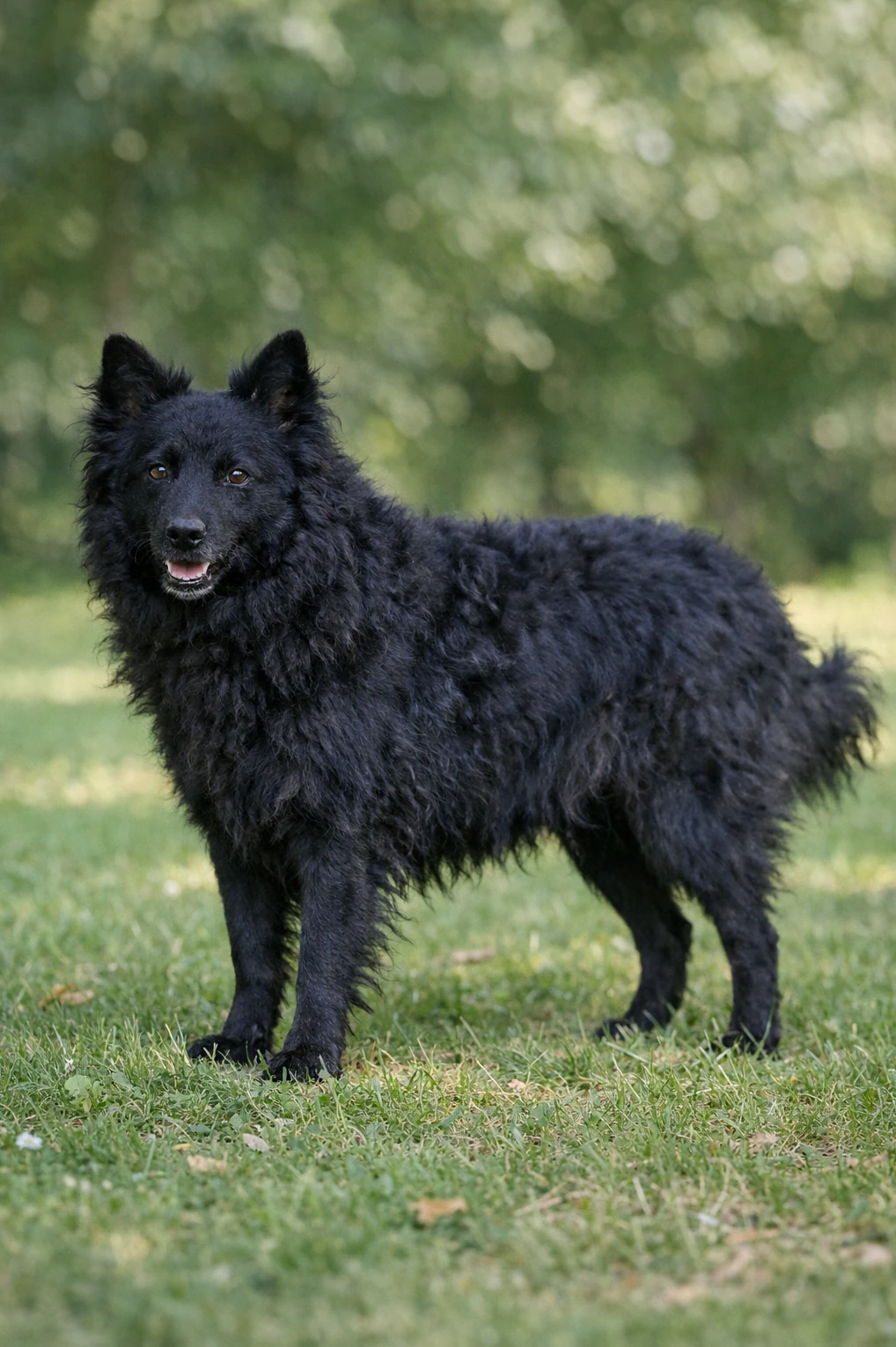
Croatian Sheepdog is a medium dog, about 16 to 20 inches tall and 29 to 44 pounds. Lively, watchful and clever. Nutritional Verdict: needs high-quality protein, balanced fats, and joint support for energy and mobility.
Understanding the Croatian Sheepdog Metabolism and Energy Needs
As a traditional Croatian herding companion, this high-energy, steadfast, quick-witted dog needs a diet that supports long days of movement and fast thinking. Their history guiding flocks means they burn steady calories and require muscle maintenance and keen concentration.
Aim for a protein-focused plan, roughly 25 to 30 percent of calories, from sources like lamb, beef, poultry, or fish to preserve lean muscle and support cognitive function. Moderate fats, about 15 to 20 percent, including fish oil and healthy animal fats, deliver sustained energy and nourish skin and coat.
Complex carbohydrates such as sweet potato and barley offer slow-release fuel and fiber, while joint-support supplements like glucosamine and anti-inflammatory omega-3s protect mobility. Probiotics and antioxidants aid digestion and recovery after active days.
Managing Croatian Sheepdog Genetic Health Risks Through Nutrition
Hip Dysplasia
Helpful nutrients
Arthritis and Joint Stiffness
Helpful nutrients
Obesity and Weight Management
Helpful nutrients
Skin and Coat Issues (Dry Skin, Allergies)
Helpful nutrients
Dental Disease
Helpful nutrients
Eye Health (general retinal support)
Helpful nutrients
Digestive Sensitivity
Helpful nutrients
Croatian Sheepdog Feeding & Calorie Calculator
Estimated Daily Calories
Tip: Start with this amount and adjust after 2–3 weeks based on your dog's body condition and weight trend.
This estimate provides a starting point for feeding. Individual calorie needs may vary depending on metabolism, body condition, and health status. Always monitor your dog's weight and consult your veterinarian when adjusting diet.
Foods and Ingredients to Avoid for Croatian Sheepdog Dogs
Given the Croatian Sheepdog's active, medium-sized build and tendency to put on weight if overfed, high-fat foods and rich table scraps are best avoided.
Excess fat contributes to obesity which increases stress on hips, spine, and joints and raises the risk of pancreatitis, an emergency condition.
Stick with lean protein and controlled portions to maintain healthy muscle and endurance, and reserve fatty treats for very occasional special moments.
Chocolate, caffeine, and xylitol-containing products are unsafe for any dog, and Croatian Sheepdogs are no exception.
Theobromine in chocolate and stimulants in coffee can cause restlessness, vomiting, rapid heart rate, and seizures, while xylitol in sugar-free gum and baked goods triggers a sudden, dangerous drop in blood sugar and can damage the liver.
Even small amounts can be serious in a medium-sized dog, so keep these items completely out of reach.
Onions, garlic, chives, and other allium family foods can damage red blood cells and lead to anemia over time.
This is true whether they are raw, cooked, powdered, or included in sauces and pet foods.
For an athletic breed like the Croatian Sheepdog, maintaining good oxygen transport and stamina is important, so avoiding these ingredients helps keep energy levels steady and prevents silent blood-related issues from developing.
Grapes and raisins can cause sudden kidney failure in some dogs, and there is no reliable safe dose, even for medium-sized dogs.
Because toxicity is unpredictable, it is safer to avoid feeding any grapes, raisin-containing snacks, or foods with grape derivatives.
Given the Croatian Sheepdog's need for consistent activity and reliable health, preventing a preventable emergency like acute kidney injury is worth being cautious with human treats.
Legume-heavy, grain-free diets that rely mostly on peas, lentils, or chickpeas have been linked to some cases of dilated cardiomyopathy in dogs, especially when overall taurine or amino acid balance is low.
For a breed that needs endurance and healthy heart function to herd and stay active, choosing a balanced diet with varied carbohydrate sources and adequate animal-based proteins helps protect heart health.
Discuss diet changes with your veterinarian before switching to a legume-centric formula.
Artificial preservatives like BHA, BHT, and ethoxyquin, along with strong flavors and colors, can irritate sensitive digestion and skin in some dogs.
Croatian Sheepdogs, who often bond closely with family and spend time outdoors, benefit from stable digestion and a healthy coat.
Choosing foods with natural preservation and minimal artificial additives reduces the chance of allergic reactions, loose stools, and dull fur, supporting clear energy and skin comfort.
How Nutritional Needs Change Throughout the Croatian Sheepdog Life Stages
Dogs have different nutritional needs at puppyhood, adulthood, and in their senior years. These changes are shaped by a breed’s growth rate, activity level, and common health tendencies, so diet should adapt as your dog matures. Tailoring calories, protein, and key nutrients helps support healthy development, steady adult energy, and graceful aging for every dog.
| Life Stage | Age Range | Primary Objective | Key Nutrient Focus |
|---|---|---|---|
| Puppy | 0–12 months | controlled skeletal development, immune support, brain development | DHA, balanced calcium/phosphorus, high-quality protein |
| Adult | 1–7 years | lean muscle maintenance and sustained energy | high-quality protein, omega-3 fatty acids, fiber |
| Senior | 7+ years | joint mobility, metabolic health, and cognitive support | glucosamine, chondroitin, antioxidants, lower calories |
Croatian Sheepdog puppies grow steadily into a medium, athletic dog, so controlled, steady growth is important to protect their developing bones and joints. Feed multiple small meals per day, typically three to four until about six months, then gradually reduce to two, monitoring portions to avoid too-rapid weight gain which can stress the skeleton of an active herding breed.
Choose a puppy formula rich in high quality animal protein with balanced calcium and phosphorus for healthy skeletal development, and DHA to support brain and vision growth. Include moderate fat for energy and omega-3 and omega-6 fatty acids to nurture the double, wavy coat. Regular vet checks will help tailor calorie targets to your puppy’s unique growth rate and activity level.
As an adult, the Croatian Sheepdog needs nutrition that maintains lean muscle and supports its lively, working temperament. Aim for high quality protein to preserve muscle mass, balanced with healthy fats for sustained energy during training and play. Portion control and consistent feeding times help keep energy steady without overfeeding, especially for dogs that switch between active work and calmer home life.
Adjust calorie intake to match activity level, offering slightly more for dogs that herd or exercise intensely and a bit less for primarily companion dogs. Keep an eye on body condition and coat quality, supplementing with omega fatty acids if the double coat needs extra shine and skin support. Regular weigh-ins and vets visits will help dial in the right balance.
As Croatian Sheepdogs enter their senior years, metabolism often slows and activity levels typically decline, so calorie needs may drop to prevent weight gain. Aging can also affect digestion and dental health, so softer kibbles or moistened food can be easier to eat. Keep feeding routines consistent and monitor weight and stool quality to adjust portions gently.
Support mobility with joint-friendly nutrients such as glucosamine, chondroitin, and omega-3 fatty acids, and include antioxidant-rich ingredients like vitamin E and selenium to help cellular health. Maintain high quality, easily digestible protein to preserve lean mass while reducing excess calories with the right balance of fiber and lower fat. Regular vet checkups will guide calorie adjustments and any kidney or joint considerations.
Kibble vs Fresh vs Raw for Croatian Sheepdog
Different feeding approaches suit different lifestyles and dog needs. For an active, intelligent Croatian Sheepdog, energy levels and coat care are important considerations.
Pros
- Convenient and easy to portion for busy owners.
- Provides consistent balanced nutrition in every portion.
- Dry kibble can help reduce dental tartar through chewing.
- Formulas are available to meet energy needs of active Croatian Sheepdogs.
Cons
- Lower moisture content may affect hydration needs.
- Some formulas include fillers or low-quality ingredients.
- Less control over ingredients for coat or allergy management in sensitive dogs.
- May require close portioning to prevent weight gain during less active periods.
Pros
- Highly palatable, great for picky eaters.
- High moisture supports hydration and healthy digestion.
- Full control over ingredients to support coat and energy for this breed.
Cons
- More time consuming and requires regular meal prep.
- Must be balanced with supplements to avoid nutritional gaps.
- Higher cost and refrigerator storage needs than kibble.
Pros
- Mimics ancestral feeding with whole protein sources.
- Some owners observe improved coat and steady energy in active herding dogs.
- Minimal processing can preserve certain natural nutrients.
Cons
- Requires strict hygiene to prevent bacterial contamination.
- Raw bones can splinter and harm the digestive tract.
- Needs careful balancing to meet vitamin and mineral needs.
- Often requires veterinary oversight and regular health checks.
| Diet Type | Pros for Croatian Sheepdog | Potential Downsides |
|---|---|---|
| High-Quality Kibble |
|
|
| Fresh Cooked Food |
|
|
| Raw Diet (BARF) |
|
|
Our Recommendation
For Croatian Sheepdogs, both high-quality kibble and balanced fresh food commonly work well, supporting energy and coat health.
Raw feeding can suit experienced owners, but it needs careful management and veterinary guidance.
See Also
Breeds with similar group, size, and coat characteristics