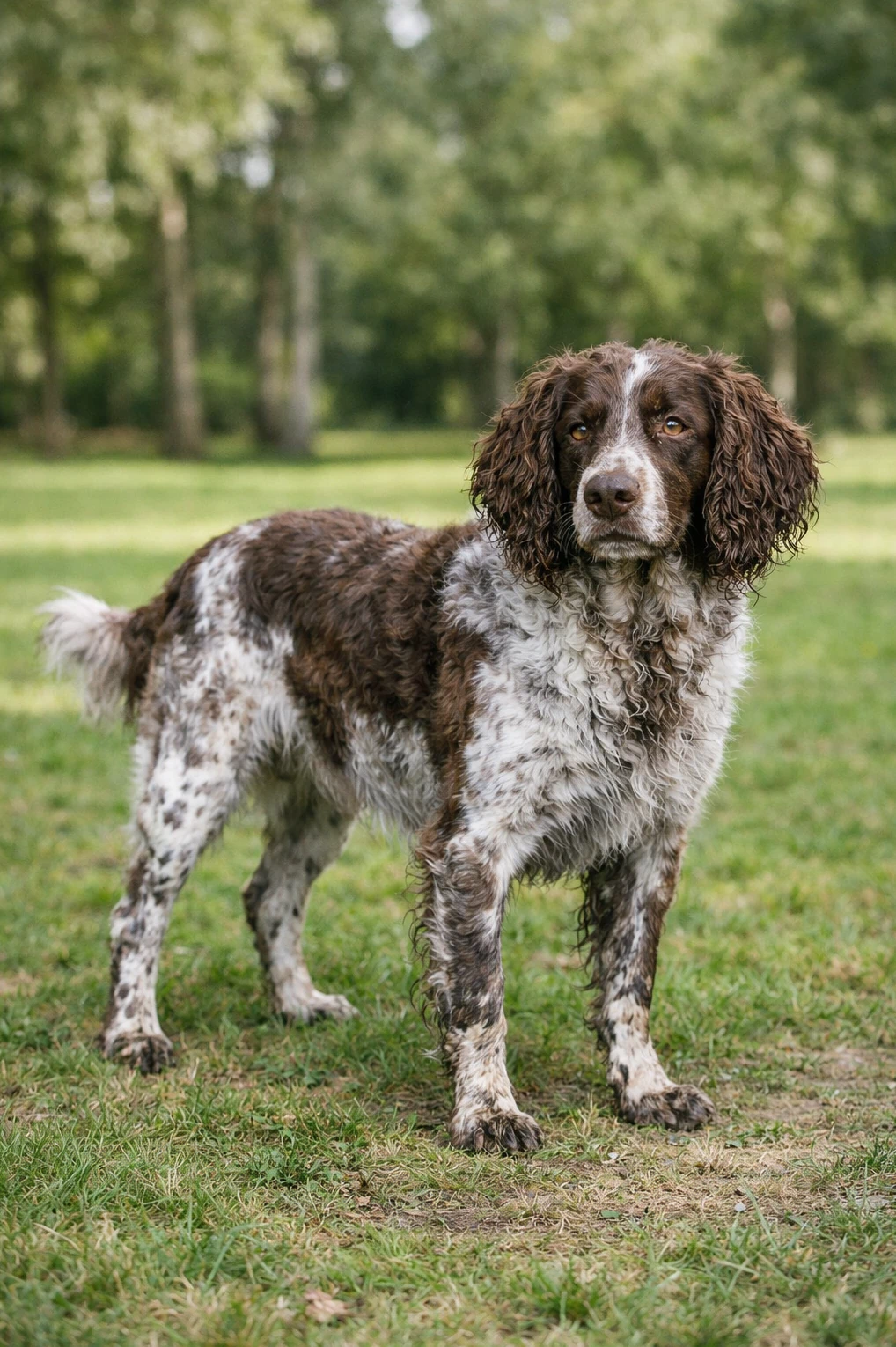
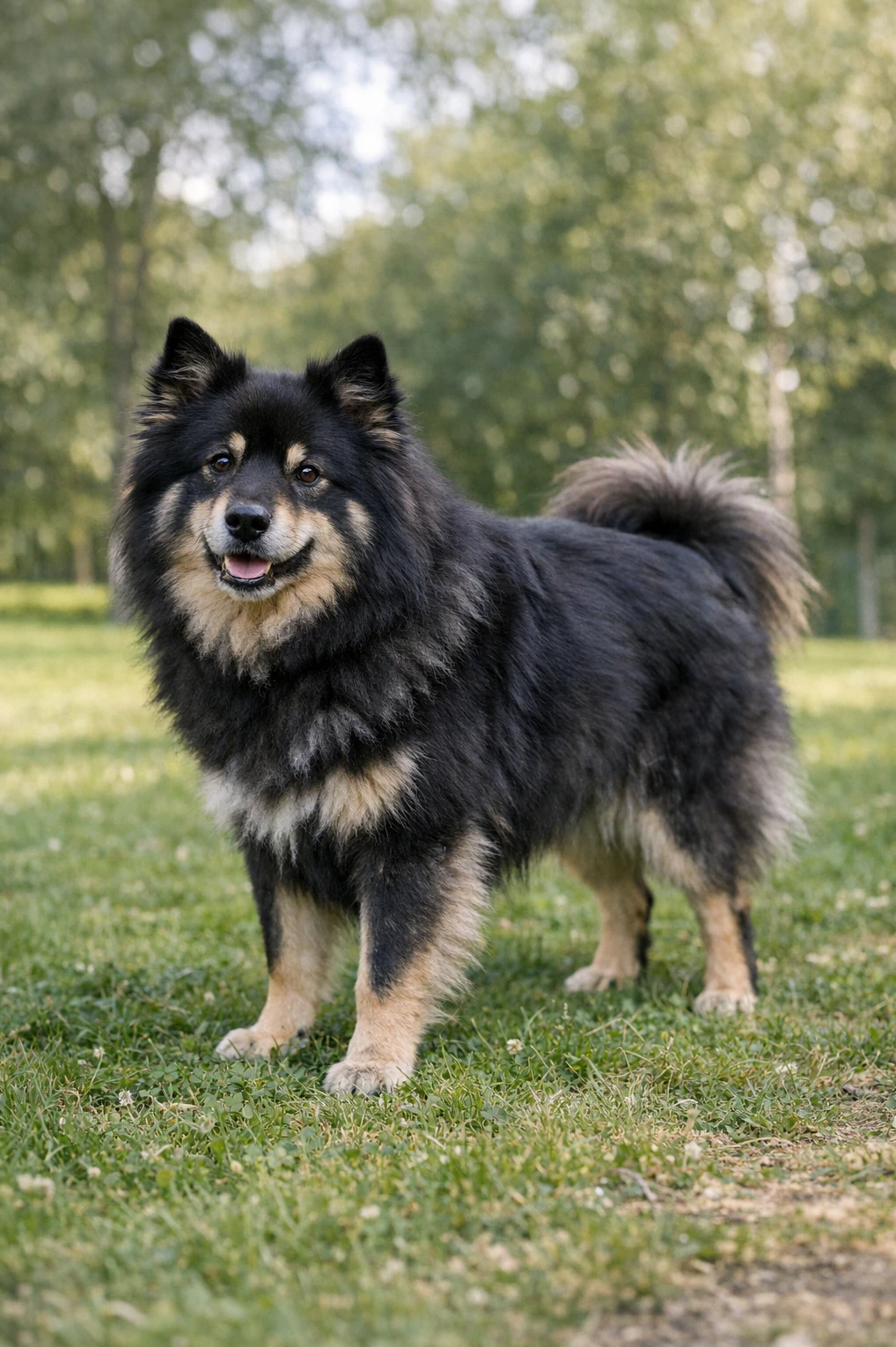
Best Dog Food for Karelian Bear Dog in 2026Based on Nutritional Science
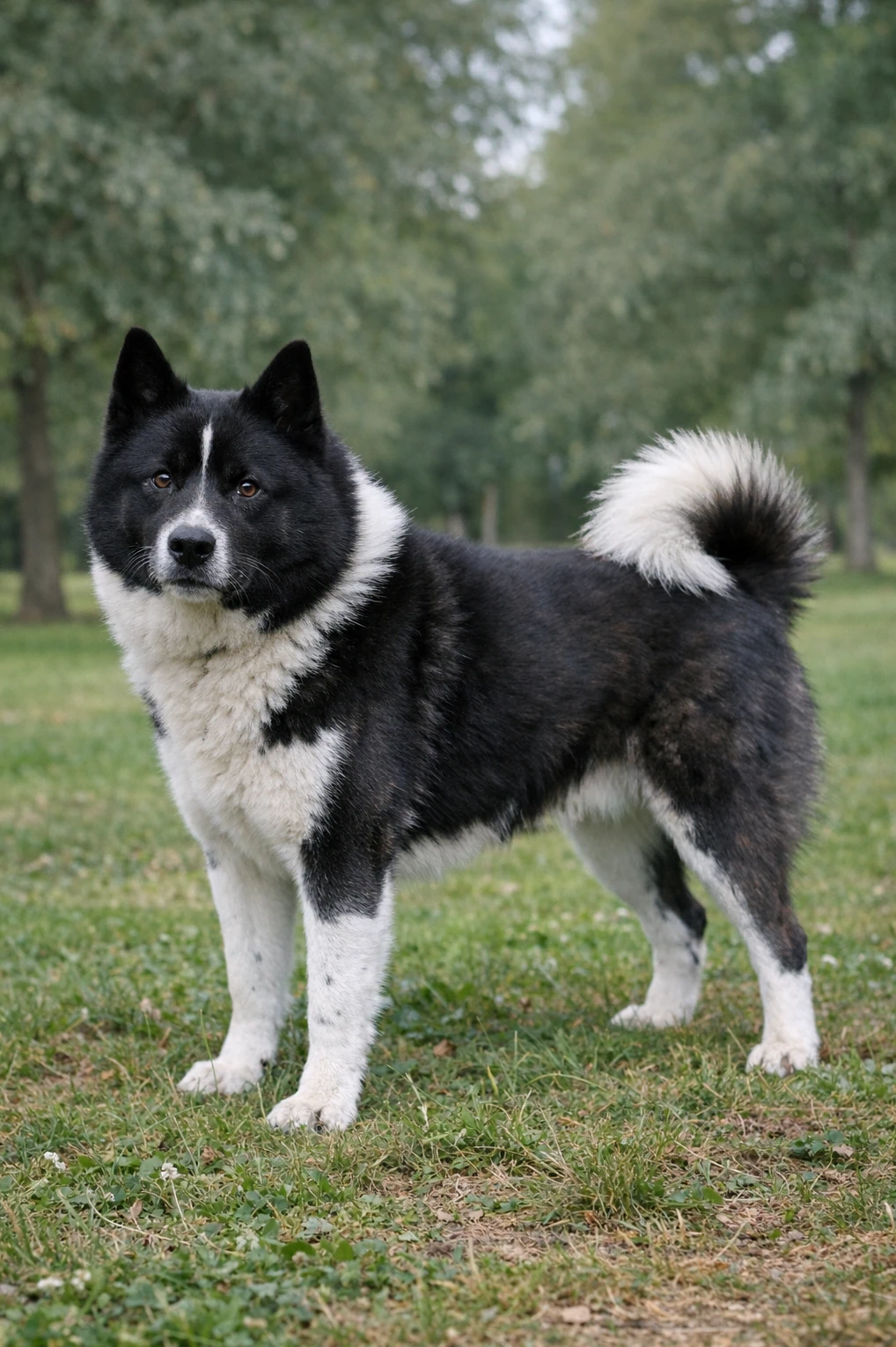
Karelian Bear Dog: medium-sized at 19 to 23.5 inches and 44 to 49 pounds, self-reliant, devoted, and fearless. Nutritional Verdict: a protein-rich, balanced diet supports muscle tone and active days.
Understanding the Karelian Bear Dog Metabolism and Energy Needs
As a dog developed to work alone in northern terrain, this companion pairs fierce resolve with steady devotion. That history calls for food that supports endurance, mental focus and a sturdy frame. High-quality animal protein, about 25 to 30 percent of calories, fuels lean muscle and repairs tissue after long outings.
Fat is an efficient fuel for cold, sustained activity, so include moderate to higher fats (around 15 to 25 percent) from fish or poultry to supply calories and keep the coat healthy. Carbohydrates should be modest and slow-burning, like fermented grains or tubers, to prevent unwanted weight and energy spikes.
Supplements such as omega-3 oils, glucosamine with chondroitin and antioxidants support joints, reduce inflammation and boost immune health. Two to three small, nutrient-dense meals timed around activity help maintain stamina without upsetting digestion.
Managing Karelian Bear Dog Genetic Health Risks Through Nutrition
Obesity / Overweight
Helpful nutrients
Unbalanced home-prepared diets
Helpful nutrients
Dehydration or inadequate fluid intake
Helpful nutrients
Karelian Bear Dog Feeding & Calorie Calculator
Estimated Daily Calories
Tip: Start with this amount and adjust after 2–3 weeks based on your dog's body condition and weight trend.
This estimate provides a starting point for feeding. Individual calorie needs may vary depending on metabolism, body condition, and health status. Always monitor your dog's weight and consult your veterinarian when adjusting diet.
Foods and Ingredients to Avoid for Karelian Bear Dog Dogs
Karelian Bear Dogs can be active working dogs, but some individuals are prone to gaining weight, so high-fat foods and fatty table scraps should be limited.
Excess dietary fat increases calorie load and can contribute to obesity and joint stress, which is especially important for this medium-large, muscular breed.
Choosing lean protein sources and monitoring overall calories helps keep them fit, energetic, and less likely to develop weight-related problems as they age.
Treats are useful for training this intelligent, motivated breed, but too many treats can quickly push them into excess weight for their 44 to 49 pound frame.
Frequent grazing on high-calorie snacks can undo careful portioning of their main meals and reduce interest in balanced dog food.
Use small, low-calorie rewards for training and account for treat calories in the daily allowance to protect their waistline and long-term health.
Growing Karelian Bear Dog puppies need steady, controlled nutrition to develop strong bones and joints, so avoid diets or supplements that overload calcium or force rapid weight gain.
Too much calcium or overly rich growth formulas can predispose some medium-large breeds to orthopedic problems during development.
Follow breed-appropriate puppy formulations and your veterinarian's guidance, and avoid free-feeding calorie-dense meals that lead to accelerated growth.
Some grain-free diets rely heavily on peas, lentils, or other legumes as main carbohydrate sources, and research has associated certain formulations with heart concerns in dogs.
While not every animal is affected, it is wise to be cautious with diets where legumes are the dominant ingredient, especially for a breed where maintaining a steady, healthy weight and heart health matters.
Discuss diet choices with your vet and aim for balanced recipes with high-quality ingredients and a well-documented nutrient profile.
Karelian Bear Dogs can be sensitive to food intolerances or skin issues, so avoiding artificial preservatives, colors, and unnecessary flavorings is a gentle way to reduce irritation risk.
Ingredients like BHA, BHT, and artificial dyes can be triggers for digestive upset or skin flare-ups in some dogs.
Choosing naturally preserved, simple ingredient diets often helps keep their coat in good condition and minimizes the chance of food-related sensitivity.
Certain common human foods are outright dangerous for dogs and must be strictly avoided, including chocolate, grapes and raisins, xylitol-sweetened items, and onions or garlic.
A single accidental exposure to these can cause serious illness, and the consequences are independent of the dog’s size or working background.
Keep hazardous snacks well out of reach, teach family members about risks, and contact your veterinarian quickly if ingestion is suspected.
How Nutritional Needs Change Throughout the Karelian Bear Dog Life Stages
Karelian Bear Dogs, like all breeds, have changing nutritional needs through puppyhood, adulthood, and senior years. Growth rate, activity level, and common health tendencies influence how much and what to feed, and this is especially true for an energetic, working breed such as the Karelian. Matching diet to life stage supports healthy growth, strong muscles, and long term wellbeing.
| Life Stage | Age Range | Primary Objective | Key Nutrient Focus |
|---|---|---|---|
| Puppy | 0–12 months | controlled skeletal development, immune support, brain development | DHA, balanced calcium/phosphorus, high-quality protein |
| Adult | 1–7 years | lean muscle maintenance and sustained energy | high-quality protein, omega-3 fatty acids, fiber |
| Senior | 7+ years | joint mobility, metabolic health, and cognitive support | glucosamine, chondroitin, antioxidants, lower calories |
Puppyhood in a Karelian Bear Dog is a time of steady, muscular growth rather than explosive size increase, since they are a medium breed with a moderate growth rate. Proper skeletal development is important, so controlled calories and the right calcium to phosphorus balance help prevent joint and bone stress as they develop. Feed smaller, frequent meals to manage energy and prevent overeating while supporting steady growth.
High quality protein supports muscle and lean tissue, while healthy fats provide concentrated energy for this active, working breed. Include omega 3 fatty acids to support coat and joint health, and ensure adequate vitamins and minerals for immune development. Work with your breeder or veterinarian to tailor portions, especially if genetic health screenings suggest sensitivities or specific concerns.
Adult Karelian Bear Dogs are muscular and energetic, needing a diet that maintains lean mass while fueling regular activity. Balanced protein keeps muscles strong, while moderate fat supplies endurance for walks, training, or light working tasks. Adjust portion sizes to match activity level, because an independent, high energy dog will need more calories than a couch companion.
Choose quality protein sources and complex carbohydrates for steady energy and satiety, and keep fiber moderate to support digestion. Maintain consistent feeding routines to avoid weight gain, which can stress joints in a breed that values mobility. Regular vet checkups and a watchful eye on body condition help you fine tune calories and nutrient ratios for long term health.
Senior Karelians often show slower metabolism, reduced activity, and changing digestion, so calories may need to be lowered to prevent weight gain while preserving muscle. Aging joints and cartilage benefit from added support, so consider foods or supplements with glucosamine and chondroitin alongside omega 3 fatty acids. Easier to digest proteins and smaller, more frequent meals can help with digestion and nutrient absorption.
Antioxidants such as vitamins E and C and joint friendly minerals support immune health and mobility, important for a breed that relies on strength and endurance. Monitor body condition and mobility closely and work with your veterinarian to adjust protein and calorie levels, aiming to keep muscle mass while minimizing strain on aging joints.
Kibble vs Fresh vs Raw for Karelian Bear Dog
Different feeding models suit different lifestyles, activity levels, and health needs.
For the energetic, independent Karelian Bear Dog, pick a diet that supports lean muscle, coat health, and sensible weight management.
Pros
- Convenient for owners with busy schedules.
- Consistent, balanced nutrients support working dog energy needs.
- Easier to measure portions for weight control.
- Some formulas include joint supplements for active breeds.
Cons
- Lower moisture may require extra water or wet topping.
- Some brands use fillers that add unnecessary calories.
- Less control over ingredient sourcing for sensitive dogs.
Pros
- Highly palatable for picky or food-motivated Karelians.
- High moisture supports hydration and digestive health.
- Full control over ingredient quality and protein sources.
- Easier to adjust calories for active or resting periods.
Cons
- Time consuming to prepare balanced meals daily.
- Requires careful supplementation to meet all nutrients.
- Needs refrigeration and consistent meal planning.
- More expensive than kibble over time.
Pros
- High protein helps maintain lean muscle for active work.
- Often improves coat condition in double-coated breeds.
- No processing preserves many natural nutrients.
Cons
- Demands strict hygiene to prevent bacterial contamination.
- Whole bones can pose choking or dental risks.
- Balancing calcium and nutrients needs veterinary guidance.
- Not suitable for inexperienced owners without professional support.
| Diet Type | Pros for Karelian Bear Dog | Potential Downsides |
|---|---|---|
| High-Quality Kibble |
|
|
| Fresh Cooked Food |
|
|
| Raw Diet (BARF) |
|
|
Our Recommendation
For most Karelian Bear Dogs, a high-quality kibble or a thoughtfully prepared fresh cooked diet meets energy and coat needs while staying practical.
Raw feeding can work for experienced owners, but it requires strict hygiene and veterinary guidance.
See Also
Breeds with similar group, size, and coat characteristics