Best Dog Food for Swedish Lapphund in 2026Based on Nutritional Science
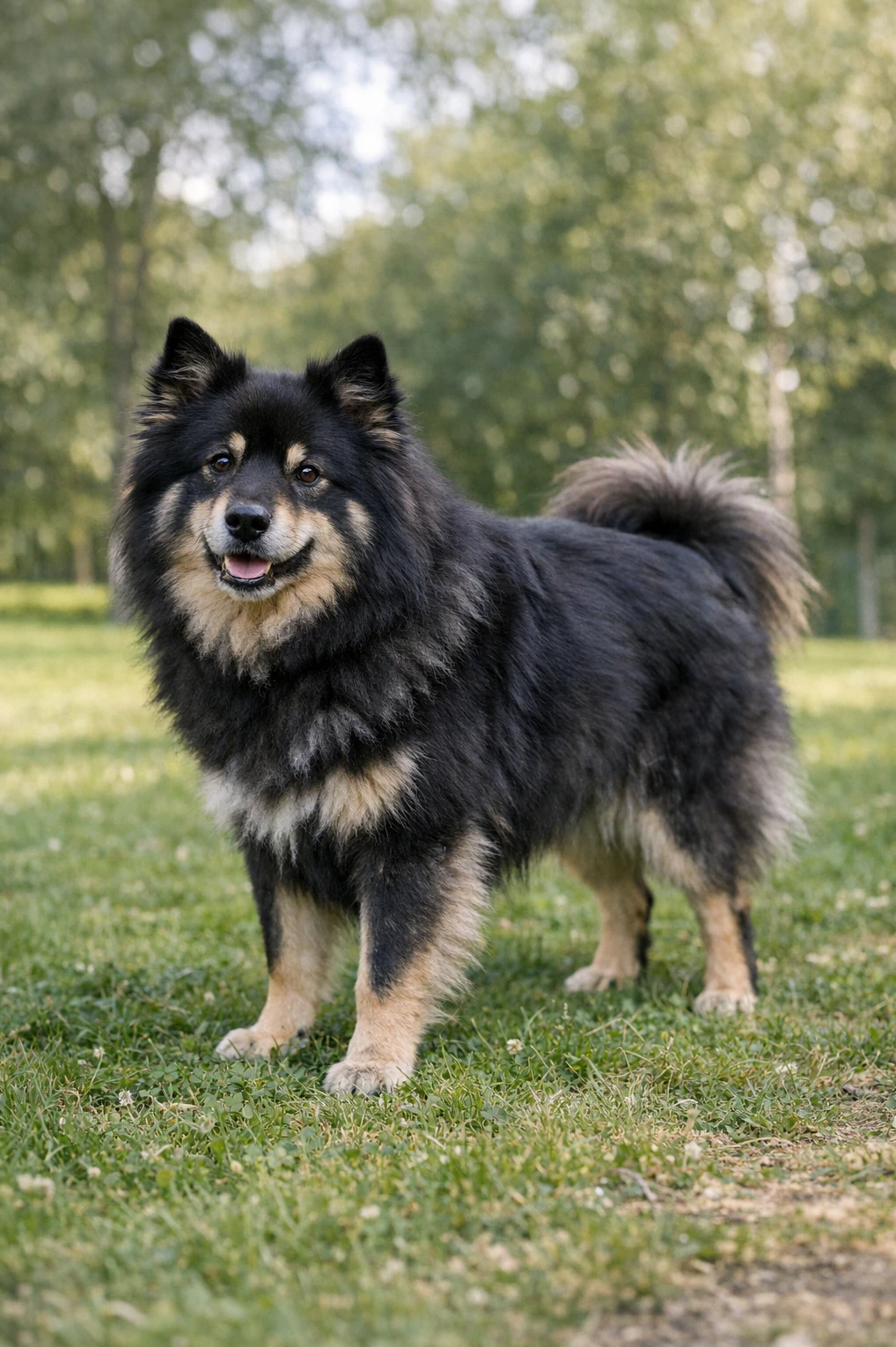
Compact, alert Nordic companion, about 16 to 20 inches tall and 30 to 45 pounds. Bright, cheerful, and spirited. Nutritional Verdict: a balanced, protein-rich diet with healthy fats supports energy and coat.
Understanding the Swedish Lapphund Metabolism and Energy Needs
As a Nordic herding companion, this dog line evolved for endurance, agility, and close work with people. Their clever, spirited, high-energy temperament means food must provide steady fuel for muscles and brain, especially during training and play. A protein-focused approach, about 26 to 30 percent of calories from quality animal sources, helps maintain lean mass and supports cognitive function.
Generous fats, roughly 18 to 25 percent of calories, deliver concentrated energy and keep a dense double coat healthy, while omega-3 fatty acids help manage inflammation from regular activity. Moderate complex carbohydrates and fiber supply sustained energy and promote digestion without blood sugar swings. Thoughtful additions like fish oil for skin and joints, glucosamine for support after long days outdoors, and B vitamins for metabolism make sense for this active, intelligent companion.
Managing Swedish Lapphund Genetic Health Risks Through Nutrition
Hip Dysplasia
Helpful nutrients
Progressive Retinal Atrophy (PRA)
Helpful nutrients
Obesity / Overweight
Helpful nutrients
Swedish Lapphund Feeding & Calorie Calculator
Estimated Daily Calories
Tip: Start with this amount and adjust after 2–3 weeks based on your dog's body condition and weight trend.
This estimate provides a starting point for feeding. Individual calorie needs may vary depending on metabolism, body condition, and health status. Always monitor your dog's weight and consult your veterinarian when adjusting diet.
Foods and Ingredients to Avoid for Swedish Lapphund Dogs
Swedish Lapphunds can be prone to putting on extra pounds, so foods high in fat and rich table scraps are best avoided.
Excess dietary fat not only leads to weight gain, it can also trigger pancreatitis and put extra strain on their hips and spine, which matters because breeders watch for hip dysplasia in this breed.
Stick to lean proteins and balanced meals, and check portion sizes with your veterinarian to keep your dog at a healthy weight.
Treats are great for training and bonding, but too many high-calorie snacks can quickly tip a 30 to 45 pound Swedish Lapphund into unhealthy weight gain.
Extra pounds increase stress on joints and can worsen mobility over time, making hip health a real concern.
Choose low-calorie rewards, use part of their daily kibble as training treats, and track overall calorie intake so you can keep reward time fun without extra pounds.
Certain human foods are toxic to dogs, and Swedish Lapphunds are no exception, so avoid grapes, raisins, and chocolate completely.
These ingredients can cause severe gastrointestinal upset, kidney damage, or even life threatening reactions depending on how much is eaten and the individual dog.
If you suspect your dog has eaten any of these items, call your veterinarian or an emergency clinic right away for advice and possible treatment.
Some grain-free diets rely heavily on peas, lentils, and other legumes as primary ingredients, and these have been associated with heart concerns in certain dogs when used in excess.
While many Swedish Lapphunds do fine on a variety of diets, it is wise to avoid feeding a consistently legume-dominant food without veterinary guidance, especially for adult dogs.
Ask your vet to review ingredients and ensure taurine and overall nutrient balance are adequate for heart and long term health.
Raw feeding can seem appealing, but raw bones and uncooked meat carry risks of bacterial contamination and bone splintering that can injure a medium sized Swedish Lapphund.
Splintered bones can cause choking, mouth injuries, or intestinal damage, while bacteria like Salmonella can affect both dog and household members.
If you are considering a raw or home prepared diet, work closely with your veterinarian to create a safe, balanced plan and follow strict hygiene practices.
How Nutritional Needs Change Throughout the Swedish Lapphund Life Stages
Dogs need different nutrition as they move from playful puppies to steady adults and gentle seniors. Breed size, growth rate, activity level, and common health tendencies shape the right balance of calories, protein, and key nutrients. For a Swedish Lapphund, medium size and a lively, working temperament mean feeding that supports steady growth, sustained energy, and long term joint and eye health.
| Life Stage | Age Range | Primary Objective | Key Nutrient Focus |
|---|---|---|---|
| Puppy | 0–12 months | controlled skeletal development, immune support, brain development | DHA, balanced calcium/phosphorus, high-quality protein |
| Adult | 1–7 years | lean muscle maintenance and sustained energy | high-quality protein, omega-3 fatty acids, fiber |
| Senior | 7+ years | joint mobility, metabolic health, and cognitive support | glucosamine, chondroitin, antioxidants, lower calories |
As a Swedish Lapphund puppy you will see steady, athletic growth as they fill out to sixteen to twenty inches and thirty to forty five pounds. Their skeletal system needs steady, not rushed, nutrition to reduce risk of developmental issues such as hip dysplasia, so controlled growth formulas with correct calcium and phosphorus ratios help. Small, frequent meals of puppy formulated food, offered three to four times a day, meet high energy needs without overloading the growing frame.
Protein should be high quality to support muscle and brain development, while fats provide energy for their lively working nature. Essential fatty acids nourish the double coat and skin, and DHA supports vision and nervous system development. Because breeders commonly screen for hip dysplasia and PRA, work with your veterinarian to tailor calories and supplements if there is a family history.
In adulthood a Swedish Lapphund needs a balanced diet to maintain lean muscle and steady energy for daily play and occasional work. Choose a maintenance formula with moderate to high quality protein to preserve muscle mass, and modest fat to fuel their lively activity without excess calories. Adjust portion size and feeding frequency to match whether your Lapphund is a couch companion or a highly active herder.
Complex carbohydrates and fiber help steady blood sugar and support digestion, which is useful for dogs with varied activity days. Joint friendly nutrients such as glucosamine may be considered as a preventive measure for breeds where hip dysplasia is a concern. Regular weight checks and body condition scoring with your vet will help keep their coat and muscles in healthy balance.
As Swedish Lapphunds enter senior years their metabolism often slows and mobility may decline, while digestion can become less efficient. Calorie needs may drop, but maintaining high quality protein is still important to protect muscle mass. Consider slightly smaller portions or lower calorie formulas if activity drops, while keeping protein levels adequate and choosing easy to chew kibble if dental changes occur.
Joint support becomes more important, so foods with glucosamine, chondroitin, and omega three fatty acids can help comfort aging hips and joints. Antioxidants like vitamins C and E and omega fatty acids support eye health and the nervous system, which is relevant when breeders screen for PRA. Work closely with your vet to tailor calorie intake, supplements, and treat levels to preserve mobility and a glossy double coat.
Kibble vs Fresh vs Raw for Swedish Lapphund
Different feeding models suit different lifestyles and activity levels. Consider your Swedish Lapphund's playful energy, intelligence, and double coat needs when choosing a diet.
Pros
- Convenient for busy owners who walk or train their lively Lapphund daily.
- Formulas with controlled calories help prevent excess weight in moderately active dogs.
- Some kibbles include nutrients that support skin and double coat health.
- Dry texture can help reduce plaque buildup during chewing.
Cons
- Lower moisture may not suit dogs that drink less throughout the day.
- Some formulas contain fillers or low quality grains affecting digestion.
- Higher carbohydrate content can promote weight gain if activity drops.
- Finding the right kibble may require trial and careful label reading.
Pros
- Excellent palatability for picky or food motivated Lapphunds.
- High moisture supports hydration, helpful for active dogs after play.
- Owners can tailor protein and calories to manage weight and joint health.
- Fresh ingredients may improve coat shine and skin condition.
Cons
- Requires careful planning to ensure balanced vitamins and minerals.
- Time consuming to prepare and store safely for busy households.
- Can be more expensive than kibble over the long term.
- Improper recipes can worsen weight or nutrient imbalances in active dogs.
Pros
- Higher raw protein can suit energetic, working Lapphunds.
- Many owners report improved coat condition and vitality.
- No heat processing preserves more natural fats and enzymes.
- Easier to adjust for elimination diets or specific allergies.
Cons
- Higher bacterial risk demands strict hygiene and safe handling.
- Raw bones can pose choking or tooth fracture risks for some dogs.
- Balancing calcium and phosphorus needs veterinary guidance to avoid joint issues.
- May be impractical for households with multiple dogs or during travel.
| Diet Type | Pros for Swedish Lapphund | Potential Downsides |
|---|---|---|
| High-Quality Kibble |
|
|
| Fresh Cooked Food |
|
|
| Raw Diet (BARF) |
|
|
Our Recommendation
For most Swedish Lapphunds, high-quality kibble offers balanced nutrition and convenience for busy, active households.
Fresh cooked food suits owners who want full ingredient control, while raw diets can work for very active dogs with veterinary guidance and careful handling.
See Also
Breeds with similar group, size, and coat characteristics