Best Dog Food for Drever in 2026Based on Nutritional Science
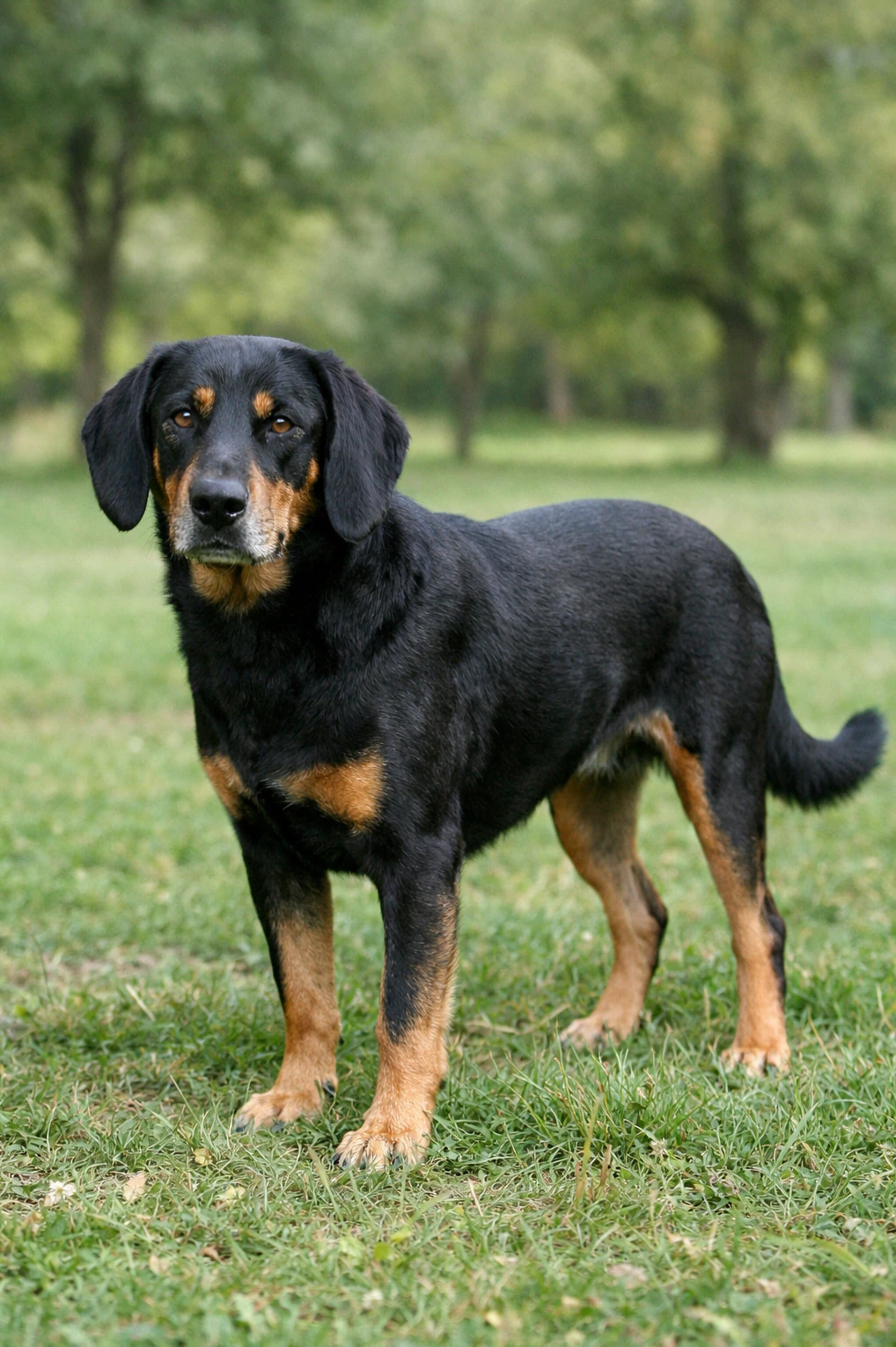
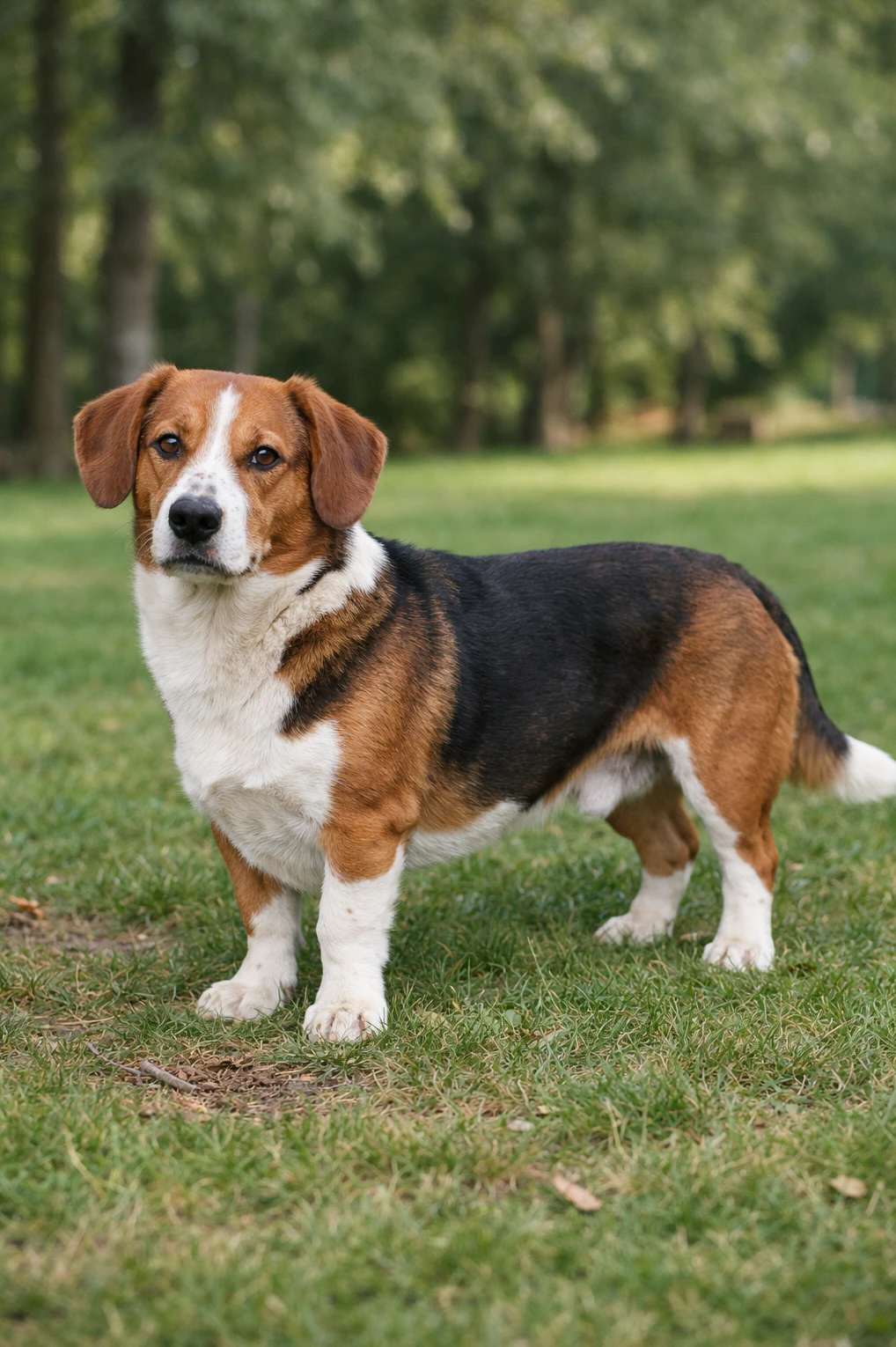
Drever: compact at 12 to 15 inches and 35 to 40 pounds, affectionate, purposeful, and mellow. Nutritional Verdict: a steady, balanced diet with moderate calories and joint-support nutrients keeps them fit.
Understanding the Drever Metabolism and Energy Needs
This compact, low-slung scenthound was developed to follow trails steadily for long stretches, so its metabolism favors endurance over bursts of speed. Those characteristics, along with a steady, devoted personality, point toward a diet that supports long-lasting energy while preventing excess weight at rest.
Lean, high-quality protein is important to preserve muscle used on extended walks and tracking, so meats, eggs, and fish are good foundations. Moderate, slow-burning fats supply sustained fuel and help skin and joint health, so include sources like fish oil or poultry fat. Controlled, fiber-rich carbohydrates such as sweet potato and oats help maintain steady blood sugar and digestive comfort. Joint-support supplements like glucosamine, plus omega-3 fatty acids, are useful for long-term mobility and inflammation management.
Because activity levels change dramatically between work and home life, calorie control and regular body-condition checks keep these dogs fit and happy, while probiotics and B vitamins support digestion and steady temperament.
Managing Drever Genetic Health Risks Through Nutrition
Drever Feeding & Calorie Calculator
Estimated Daily Calories
Tip: Start with this amount and adjust after 2–3 weeks based on your dog's body condition and weight trend.
This estimate provides a starting point for feeding. Individual calorie needs may vary depending on metabolism, body condition, and health status. Always monitor your dog's weight and consult your veterinarian when adjusting diet.
Foods and Ingredients to Avoid for Drever Dogs
Drevers are compact, active hounds that can gain weight if fed calorie-dense, high-fat foods.
Excess fat in meals, fried table scraps, and fatty treats increases the chance of obesity, which places extra strain on the spine and short legs, and can lead to pancreatitis.
Keep meals focused on lean proteins and controlled portions, and limit fatty human foods so your Drever stays trim, energetic, and comfortable on daily walks and hunts.
Offering table scraps may feel like bonding, but human snacks are often too salty, fatty, or seasoned for a Drever's digestive system.
Regular indulgence can quickly add calories and contribute to stubborn weight gain in a 35 to 40 pound dog, affecting mobility and overall health.
Reserve special rewards for healthy, portioned dog treats and stick to family-safe foods only after checking ingredients with your vet, especially during celebrations or when guests share.
Xylitol, commonly found in sugar-free gum, baked goods, and some peanut butters, is extremely toxic to dogs and can cause rapid hypoglycemia and liver damage.
Even small amounts are dangerous for a medium-sized Drever and require immediate veterinary attention if ingested.
Keep any products containing artificial sweeteners well out of reach, read labels carefully on human foods, and choose dog-safe peanut butters made without xylitol for treats and training rewards.
Onions, garlic, chives, and similar allium vegetables contain compounds that damage canine red blood cells, potentially causing anemia.
Repeated or concentrated exposure, even in cooked form, is risky for a Drever and may show symptoms like weakness or pale gums over time.
Avoid feeding any meals or leftovers seasoned with these ingredients, and be cautious with flavored sauces and broths that might include hidden alliums.
Grapes and raisins can cause sudden and severe kidney failure in dogs, and there is no reliable safe dose for any breed or size.
A curious Drever that samples fruit from a picnic basket or trail can be at real risk, so prevention is safer than uncertainty.
Keep fruit out of reach, supervise outdoor snacks carefully, and choose dog-safe fruits like apple slices without seeds as occasional treats after checking with your vet.
Cooked bones can splinter easily and create sharp fragments that perforate the digestive tract or cause choking and blockages.
Given the Drever's medium build and active lifestyle, an obstructed or injured gut could quickly become an emergency and interrupt their regular exercise and hunting routines.
Offer safe chew alternatives and raw, appropriately sized bones only under guidance from your veterinarian, and never let your dog gnaw on cooked poultry or pork bones.
How Nutritional Needs Change Throughout the Drever Life Stages
A dog’s nutritional needs change between puppyhood, adulthood, and senior years, and feeding should match each stage. For a Drever, steady growth, a moderately active hunting background, and a tendency toward weight gain shape choices for protein, fat, and joint support.
Puppies require more calories and growth nutrients, adults need balanced maintenance diets, and seniors often need fewer calories with extra joint and digestive care. This guide outlines simple adjustments for each life stage.
| Life Stage | Age Range | Primary Objective | Key Nutrient Focus |
|---|---|---|---|
| Puppy | 0–12 months | controlled skeletal development, immune support, brain development | DHA, balanced calcium/phosphorus, high-quality protein |
| Adult | 1–7 years | lean muscle maintenance and sustained energy | high-quality protein, omega-3 fatty acids, fiber |
| Senior | 7+ years | joint mobility, metabolic health, and cognitive support | glucosamine, chondroitin, antioxidants, lower calories |
Drever puppies grow steadily rather than in sudden spurts, but their short-legged build and long back mean careful skeletal development is important. Controlled, steady growth helps protect developing joints and the spine, so provide a diet formulated for medium-breed puppies with appropriate calcium to phosphorus balance and high quality protein to support bone and muscle formation. Include DHA for brain and eye development.
Feed three to four small meals a day while they are very young, moving to three meals as they approach adulthood, to avoid overeating and to keep energy levels even. Because Drevers can gain weight if not exercised, monitor body condition and adjust portions, and discuss any supplements for joints with your veterinarian rather than starting them routinely.
An adult Drever needs a balanced diet to maintain lean muscle, steady energy, and a healthy weight. Moderate to high quality protein supports muscle mass, while moderate fat levels provide energy for their hunting bursts without promoting excess weight. Carbohydrates should be digestible and portion sizes matched to activity.
Most Drevers do well on two meals per day, which helps keep metabolism steady and reduces begging. Adjust calorie intake based on whether your dog is active in tracking or mainly a companion, and regularly check body condition rather than relying only on scale weight.
As Drevers age their metabolism often slows and joint or back comfort can become more important than before. Seniors may digest food less efficiently and may need fewer calories to avoid weight gain, while still maintaining enough protein to preserve muscle mass. Include sources of omega-3 fatty acids and antioxidants like vitamin E to support inflammation control and overall cell health.
Consider adding joint support such as glucosamine and chondroitin after discussing with your veterinarian, and ensure controlled portions with higher fiber or gentle probiotics if digestion becomes sluggish. Keep meals at two smaller feedings to ease digestion, and monitor mobility and weight, adjusting calories and supplements as needed to keep your Drever comfortable and active.
Kibble vs Fresh vs Raw for Drever
No single feeding model fits every dog, and that is true for Drevers too.
We compare high-quality kibble, fresh cooked food, and raw BARF for this breed's size, activity, and coat needs.
Pros
- Convenient and easy to portion for owners with an active Drever.
- Consistent nutrition supports steady energy during scenting walks.
- Dry kibble helps reduce tartar buildup during daily chewing.
- Variety of formulas available for weight or joint support.
Cons
- Lower moisture content may need added water for hydration.
- Some formulas include fillers that can add unnecessary calories.
- Less palatable for picky Drevers that prefer fresh meals.
- Transitioning diets can upset sensitive stomachs if done quickly.
Pros
- Highly palatable, great for picky or scent-driven appetites.
- High moisture aids digestion and keeps kidneys happy.
- You control ingredients for quality and allergy management.
- Can be portioned to match energy needs of active walks.
Cons
- Time consuming to prepare and plan balanced meals.
- More expensive over time than basic kibble options.
- Risk of nutritional imbalance without vet or recipe guidance.
- Needs refrigeration and safe handling between outings.
Pros
- High protein profile suits scent work and steady stamina.
- Many owners report shinier coat and firmer muscle tone.
- Unprocessed foods may appeal to a Drever's natural palate.
- Easily tailored for weight management with portion control.
Cons
- Strict hygiene needed to avoid bacterial risks to dogs or family.
- Bone hazards require careful selection for the Drever's size.
- Harder to ensure complete nutrition without supplementation or vet input.
- Not ideal for multi-dog households without strict storage routines.
| Diet Type | Pros for Drever | Potential Downsides |
|---|---|---|
| High-Quality Kibble |
|
|
| Fresh Cooked Food |
|
|
| Raw Diet (BARF) |
|
|
Our Recommendation
For most Drevers, high-quality kibble provides a convenient, balanced foundation that suits their steady energy and appetite.
Fresh cooked food often helps picky or sensitive dogs, while raw diets can work when owners follow strict hygiene and veterinary guidance.
See Also
Breeds with similar group, size, and coat characteristics