Best Dog Food for Slovensky Kopov in 2026Based on Nutritional Science
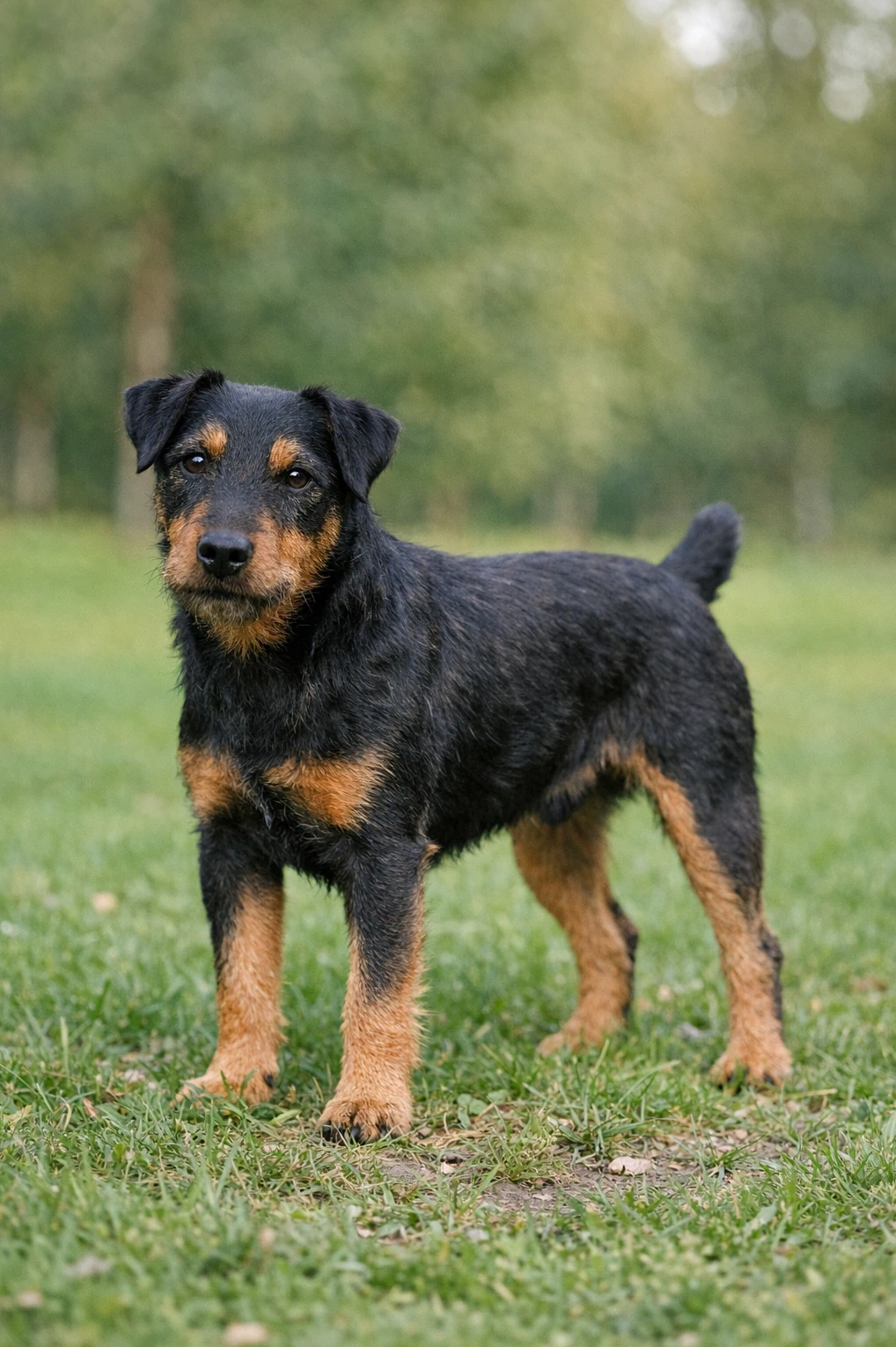
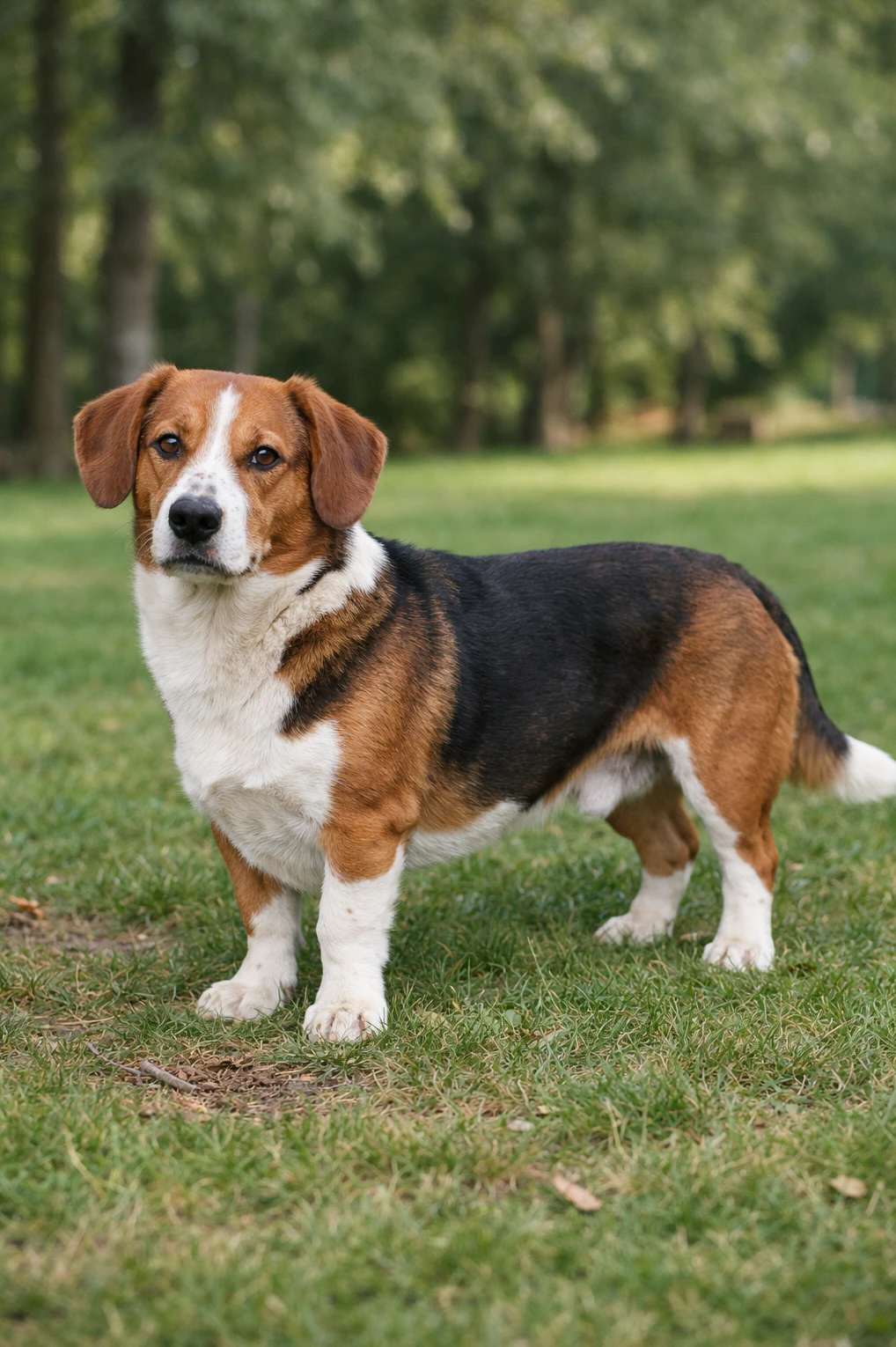
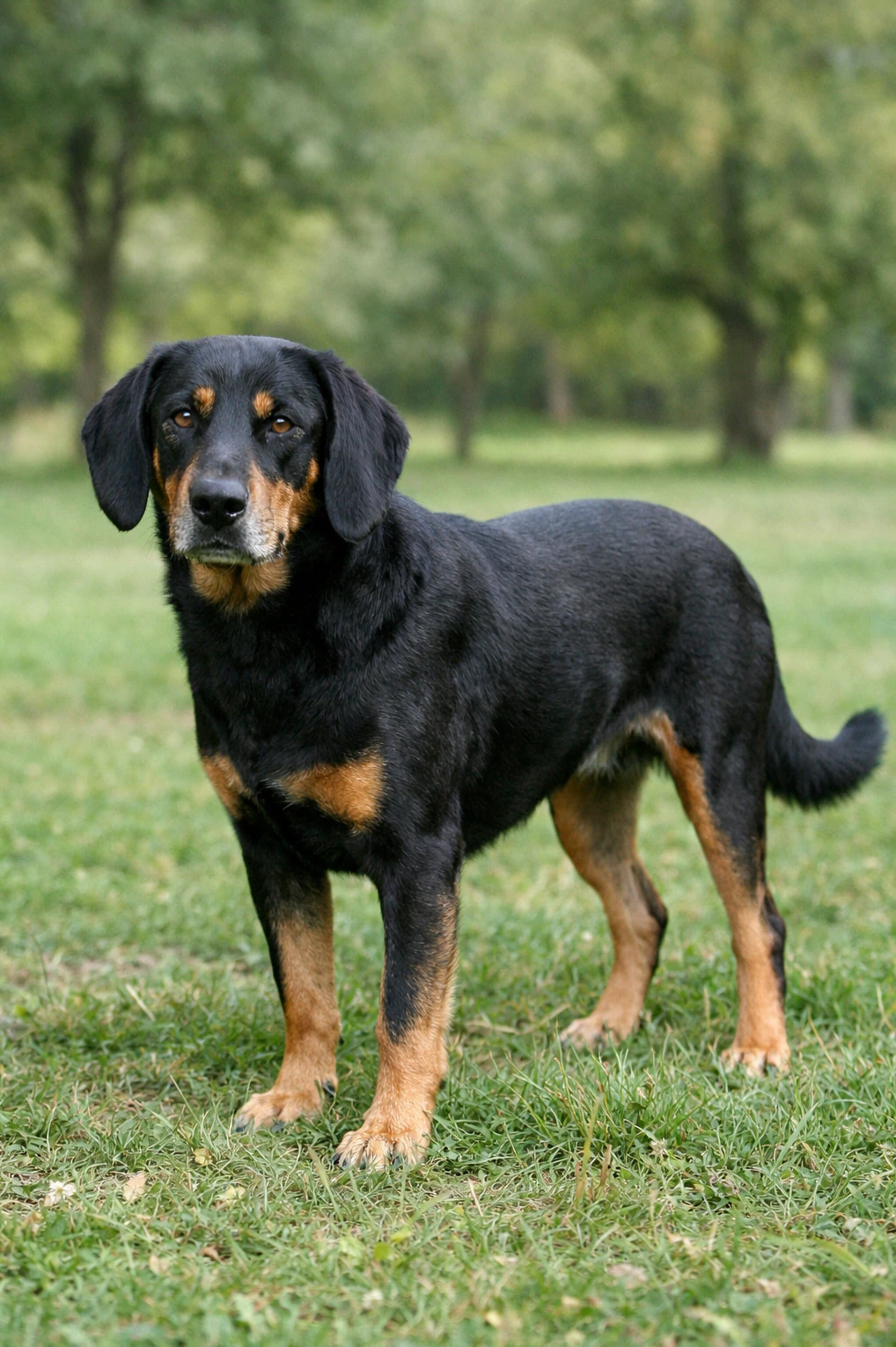
Compact hunter, 16 to 20 inches tall and 33 to 44 pounds, observant, brave, and steadfast in character. Nutritional Verdict. Needs high-quality protein, steady calories, and joint support for active, muscular build.
Understanding the Slovensky Kopov Metabolism and Energy Needs
Hailing from central Europe and developed to track tough quarry, this hunting hound combines sharp focus, boldness, and a relentless work drive. Those qualities mean it needs a diet built for sustained effort, fast recovery, and clear mental focus, not just empty calories.
Prioritizing high-quality protein helps maintain the muscle needed for long pursuits, so aim for roughly 25 to 30 percent of calories from protein. Healthy fats, around 15 to 20 percent, supply steady energy, support skin and coat, and aid joint cushioning, while controlled digestible carbohydrates provide quick fuel without unwanted weight. Including omega-3 fatty acids for inflammation control and joint supplements like glucosamine and chondroitin supports longevity and mobility for a dog that enjoys frequent, vigorous activity.
Managing Slovensky Kopov Genetic Health Risks Through Nutrition
Joint Health (Hip Dysplasia & Arthritis)
Helpful nutrients
Ear Infections
Helpful nutrients
Skin Allergies and Irritation
Helpful nutrients
Obesity and Weight Management
Helpful nutrients
Dental Health (Plaque and Gum Care)
Helpful nutrients
Slovensky Kopov Feeding & Calorie Calculator
Estimated Daily Calories
Tip: Start with this amount and adjust after 2–3 weeks based on your dog's body condition and weight trend.
This estimate provides a starting point for feeding. Individual calorie needs may vary depending on metabolism, body condition, and health status. Always monitor your dog's weight and consult your veterinarian when adjusting diet.
Foods and Ingredients to Avoid for Slovensky Kopov Dogs
This medium-sized, muscular hunting breed tends to do best on a balanced diet that supports steady energy, so high-fat foods and greasy table scraps can quickly lead to unwanted weight gain and put extra strain on the pancreas.
Excess fat also increases risk for pancreatitis, which can be serious and require veterinary care.
Keep treats lean and limit fatty human foods, focusing on portion control and quality protein to help maintain healthy weight and stamina.
Xylitol and other artificial sweeteners are commonly found in sugar-free gums, candies, some peanut butters, and certain baked goods, and they can be extremely dangerous to dogs even in small amounts.
This ingredient can cause a rapid release of insulin, leading to low blood sugar, seizures, liver failure, and other life-threatening problems.
Always check ingredient labels and never offer products containing xylitol, sticking to dog-safe treats instead.
Grapes, raisins, and currants can cause unpredictable kidney damage in dogs, and there is no known safe amount, so they should be avoided entirely.
Even a small bite can lead to vomiting, lethargy, decreased appetite, and serious kidney dysfunction that may require urgent veterinary treatment.
For a medium active breed that relies on consistent energy and good kidney function, skipping these fruits altogether keeps their diet safe and predictable.
Onions, garlic, chives, and related allium family foods contain compounds that can damage red blood cells and lead to anemia in dogs, especially if fed regularly or in larger amounts.
Symptoms like weakness, pale gums, and rapid breathing may appear some days after exposure, so prevention is the best approach.
Avoid all forms including raw, cooked, powdered, and concentrated sauces to protect your Kopov’s long term health and energy levels.
Raw bones and unbalanced raw diets carry risks from bacterial contamination, choking, and tooth fractures, and they can be hard to portion correctly for a medium-boned dog that needs balanced nutrition.
While some owners choose raw feeding, improper handling or an unbalanced recipe can lead to nutrient gaps or gastrointestinal upsets.
If considering raw, consult a veterinarian or a board certified canine nutritionist to design a safe, balanced plan and follow strict hygiene practices.
This breed can thrive on simple, high-quality ingredients, so foods loaded with artificial preservatives, colors, and strong flavors are best avoided because they may trigger digestive upset or skin sensitivities in some dogs.
Ingredients like BHA, BHT, and certain synthetic dyes do not add nutritional value and can exacerbate mild intolerances over time.
Choose diets preserved with natural tocopherols and simple ingredient lists to support a healthy coat, calm digestion, and overall wellbeing.
How Nutritional Needs Change Throughout the Slovensky Kopov Life Stages
Dogs have different nutritional needs at puppyhood, adulthood, and senior years, and those needs change as their bodies and lifestyles change. Puppies need extra calories and nutrients for growth, adults require balance for maintenance and activity, and seniors often benefit from adjustments for mobility and digestion. These requirements are influenced by the breed's growth rate, activity level, and common health tendencies, so tailor feeding to your Slovensky Kopov's size and drive.
| Life Stage | Age Range | Primary Objective | Key Nutrient Focus |
|---|---|---|---|
| Puppy | 0–12 months | controlled skeletal development, immune support, brain development | DHA, balanced calcium/phosphorus, high-quality protein |
| Adult | 1–7 years | lean muscle maintenance and sustained energy | high-quality protein, omega-3 fatty acids, fiber |
| Senior | 7+ years | joint mobility, metabolic health, and cognitive support | glucosamine, chondroitin, antioxidants, lower calories |
Slovensky Kopov puppies grow into medium, muscular hounds with steady but energetic development, so their growth pattern calls for measured nutrition to support bones and muscles. Their skeletal development benefits from controlled calories and a proper calcium to phosphorus balance to avoid too rapid growth while supporting healthy joint formation.
Feed frequent small meals, starting with three to four times a day and moving to three by six months, to manage energy and digestion. Prioritize high quality animal protein, DHA for brain development, essential fatty acids for the rough short coat, and a full vitamin and mineral profile, while watching body condition since their hunting instincts favor lean, active builds.
Adult Slovensky Kopovs are medium, athletic dogs with a natural drive for tracking and hunting, so their diet should support steady energy and lean muscle maintenance. Aim for moderate to high quality protein and controlled healthy fats to fuel activity without excess weight, and include complex carbohydrates or fiber to provide sustained energy between outings.
Feed two meals a day to keep routine, and adjust portions for daily exercise and seasonal work. Include omega fatty acids for skin and coat health, and monitor body condition regularly because these determined dogs can gain muscle with work but may strain joints if overweight or underconditioned.
As Slovensky Kopovs age, metabolism often slows and mobility can decrease, especially after years of active tracking that can stress joints. Senior diets tend to need fewer calories but higher quality protein to preserve lean muscle, combined with joint support such as glucosamine and omega-3 fatty acids to help manage inflammation and maintain comfortable movement.
Easier to digest proteins and added fiber can support changing digestion, and antioxidants help protect cellular health and immune function. Work with your veterinarian to adjust portions by activity and body condition, consider senior formulas or supplements for joints and coat, and monitor weight closely because both weight gain and muscle loss affect mobility and quality of life.
Kibble vs Fresh vs Raw for Slovensky Kopov
Different feeding models suit different lifestyles and activity levels. For the Slovensky Kopov, a courageous and determined hunting breed, energy needs and lean muscle support are especially important.
Pros
- Convenient and easy to portion for active owners who need consistent meals.
- Formulas with higher protein support lean muscle for hunting and stamina.
- Dry kibble stores well for outdoor trips and field work.
- Crunching helps reduce tartar buildup on active, working dogs.
Cons
- Lower moisture content may require extra water for frequent runners.
- Some formulas use fillers that do not support sustained energy.
- May be less palatable for picky scent-hunting dogs after long days.
- Calorie-dense blends can lead to weight gain if activity drops.
Pros
- Highly palatable for dogs recovering from long field work.
- High moisture supports hydration after long hunts.
- You control ingredient quality to support muscular condition.
- Easier digestion can benefit sensitive stomachs after intense exercise.
Cons
- More time consuming to prepare and plan balanced meals.
- Costs add up, especially with quality proteins for medium working dogs.
- Requires supplements or recipes to ensure complete nutrition.
- Needs refrigeration and safe handling during outings.
Pros
- High protein mirrors ancestral diet aiding muscle maintenance for hunters.
- Many owners see improved coat and energy on raw feeding.
- Can be customized for workload and prey drive energy needs.
- Raw meaty bones can provide natural dental abrasion.
Cons
- Higher risk of bacterial contamination without strict hygiene.
- Bone hazards need careful selection for a medium, determined breed.
- Balancing vitamins and minerals can be complex and time consuming.
- Not always practical for owners who travel or work long days.
| Diet Type | Pros for Slovensky Kopov | Potential Downsides |
|---|---|---|
| High-Quality Kibble |
|
|
| Fresh Cooked Food |
|
|
| Raw Diet (BARF) |
|
|
Our Recommendation
For most Slovensky Kopovs, high-quality kibble or thoughtfully prepared fresh cooked meals tend to work best, matching convenience with the protein and hydration they need.
Raw diets can be suitable for experienced owners, but they require strict hygiene and careful balancing under veterinary guidance.
See Also
Breeds with similar group, size, and coat characteristics