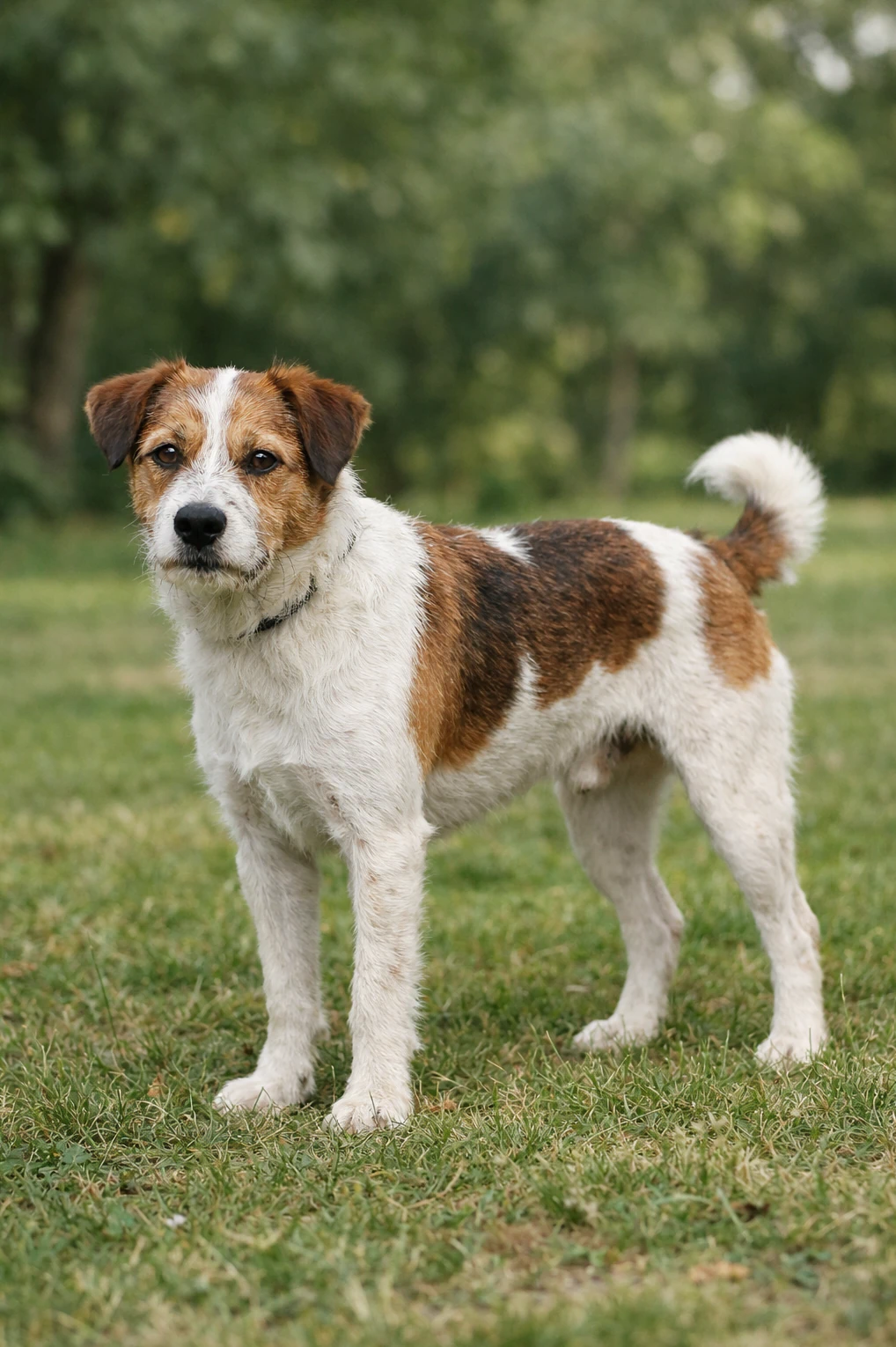
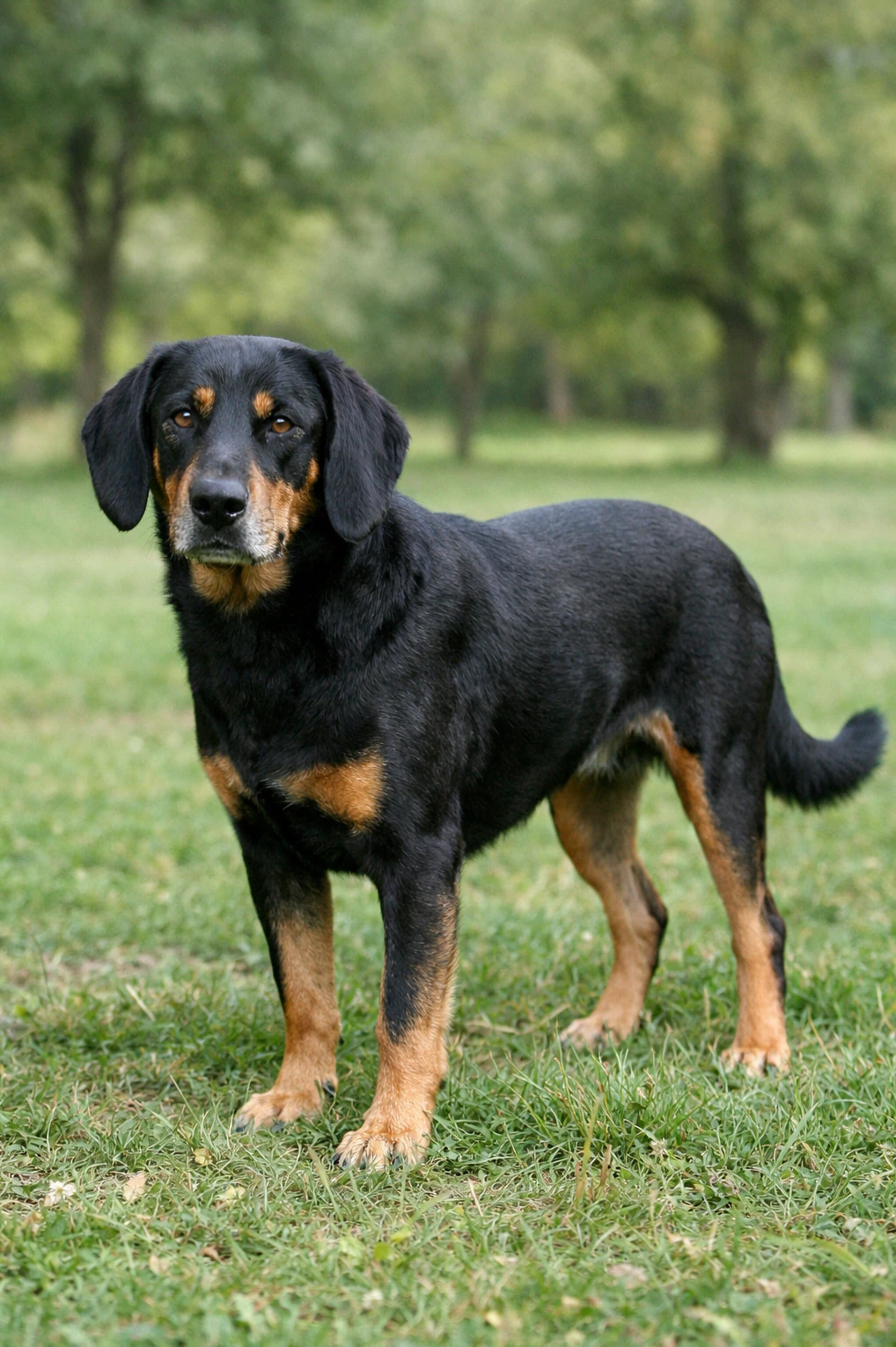
Best Dog Food for Taiwan Dog in 2026Based on Nutritional Science
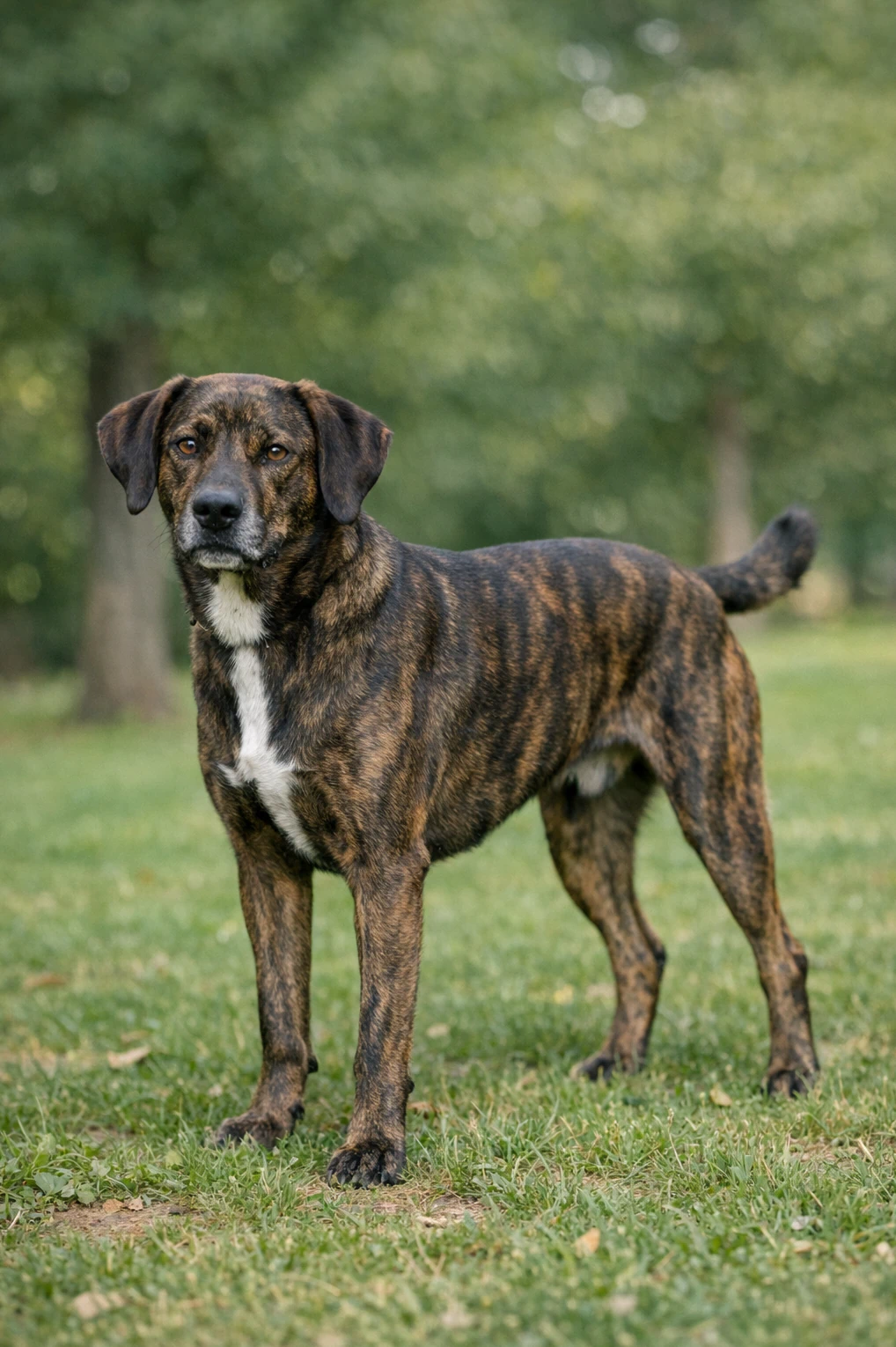
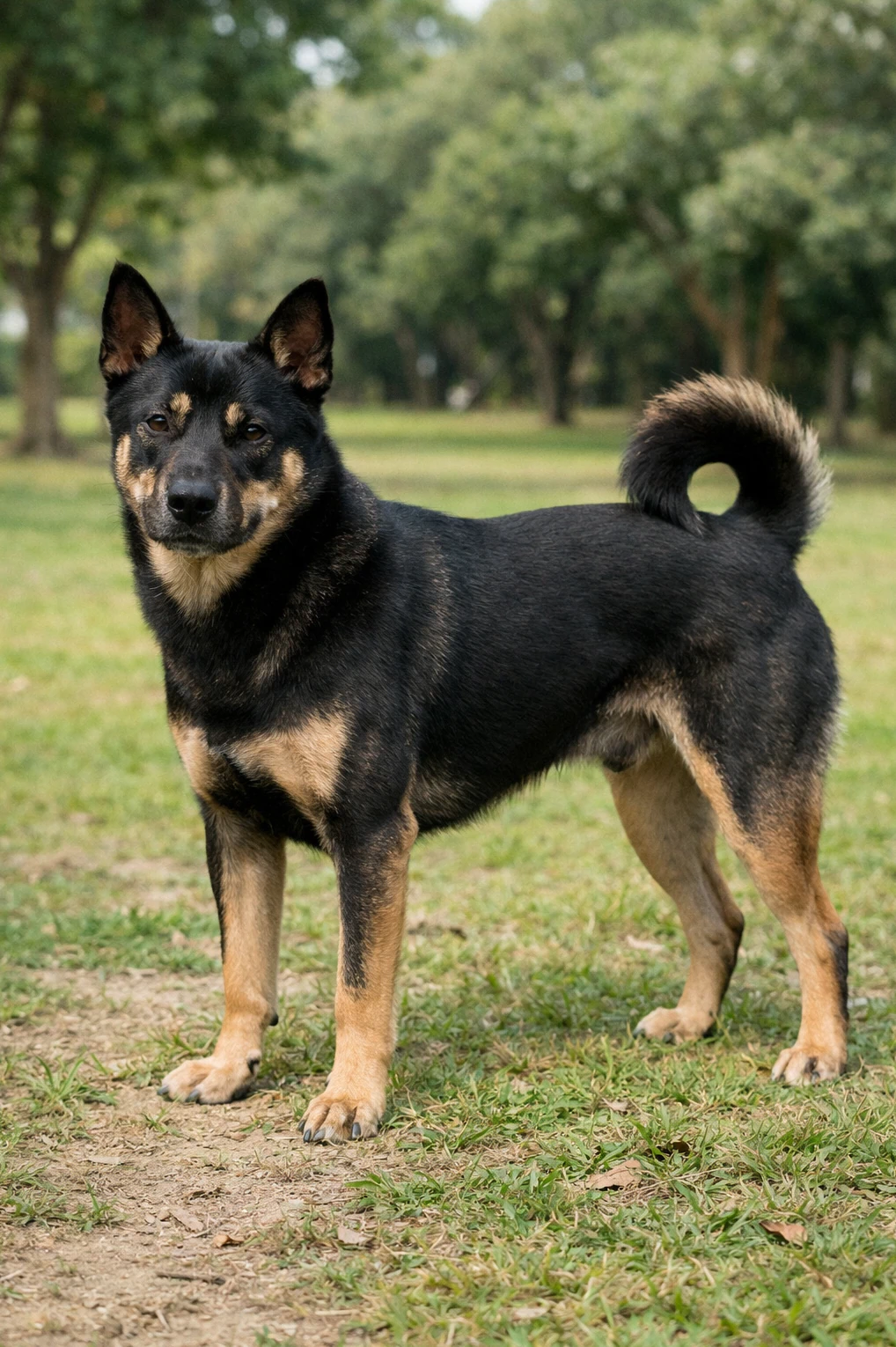
Compact, devoted hunter standing 17 to 20 inches and weighing 26 to 40 pounds, clever and highly adaptable. Nutritional Verdict: lean, high-quality protein plus balanced fats and joint support for healthy energy.
Understanding the Taiwan Dog Metabolism and Energy Needs
Coming from island hunting and guardian stock, these dogs are devoted, quick witted, and adaptable, so their bodies need fuel that supports steady stamina and alert thinking. A diet centered on high-quality animal protein helps preserve lean muscle and supports recovery after bursts of activity, while moderate healthy fats supply concentrated energy and help maintain a glossy coat and healthy skin through essential fatty acids.
Their mental sharpness benefits from slow-burning carbohydrates and fiber that provide steady blood sugar, reducing frantic energy swings and aiding focus. Joint-support nutrients such as glucosamine and chondroitin can protect agile joints used on rough terrain, and antioxidants support overall resilience. Tailoring calorie intake to daily activity, and choosing nutrient-dense foods, keeps these dogs fit, happy, and ready for anything.
Managing Taiwan Dog Genetic Health Risks Through Nutrition
Hip Dysplasia
Helpful nutrients
Patellar Luxation
Helpful nutrients
Skin Allergies and Itching
Helpful nutrients
Dental Disease and Tartar
Helpful nutrients
Obesity and Weight Management
Helpful nutrients
Chronic Ear Infections
Helpful nutrients
Taiwan Dog Feeding & Calorie Calculator
Estimated Daily Calories
Tip: Start with this amount and adjust after 2–3 weeks based on your dog's body condition and weight trend.
This estimate provides a starting point for feeding. Individual calorie needs may vary depending on metabolism, body condition, and health status. Always monitor your dog's weight and consult your veterinarian when adjusting diet.
Foods and Ingredients to Avoid for Taiwan Dog Dogs
Taiwan Dogs are lean and active at 26 to 40 pounds, but they can still gain weight if fed rich, fatty foods.
Large amounts of fat in table scraps, fried foods, or rich sauces can trigger pancreatitis or rapid weight gain, which places extra stress on joints and overall mobility.
Keeping treats and meals focused on lean proteins and controlled portions helps maintain a healthy body condition and reduces the risk of painful digestive flare ups.
Chocolate and caffeine contain stimulants that are toxic to dogs, and a medium sized Taiwan Dog can be affected by surprisingly small amounts.
Symptoms include vomiting, restlessness, rapid heart rate, tremors, and in severe cases seizures or collapse, so even one exposure is a reason to call your veterinarian promptly.
Store sweets and coffee products out of reach, and remind guests not to offer any human treats, no matter how pleading the puppy eyes may be.
Grapes, raisins, and currants can cause sudden kidney failure in dogs, and there is no reliable safe dose, even for a medium sized dog.
Signs may include vomiting, lethargy, decreased urination, and dehydration, which can develop quickly after ingestion.
Avoid feeding any fruit that contains these, and watch for baked goods or trail mixes that might hide raisins, especially during holidays and outings where curious noses are around.
Xylitol is a sweetener found in many sugar free gums, candies, peanut butters, and some baked goods, and it can cause dangerous drops in blood sugar and liver damage in dogs.
A Taiwan Dog’s smaller body weight means it can reach toxic levels faster than a large breed, so even a small amount can be serious.
Check ingredient labels carefully and keep any products containing xylitol well out of reach, and seek immediate veterinary help if you suspect ingestion.
Diets that rely heavily on peas, lentils, or other legumes as carbohydrate or protein replacements have been linked to heart concerns like dilated cardiomyopathy in some dogs.
A balanced diet with quality animal protein and appropriate grain or starch sources is often safer for a medium active dog such as the Taiwan Dog.
Talk with your veterinarian about diet choices and consider formulas backed by testing rather than fads, especially if your dog has any heart or exercise tolerance changes.
Raw and undercooked meats and eggs can carry bacteria like Salmonella and E.
coli, plus parasites, which pose a risk to your Taiwan Dog and to people in the household.
Medium sized dogs can still become ill, with symptoms ranging from diarrhea to serious systemic infections, and raw feeding can make portion and calcium balance harder to manage.
If you are considering a raw diet, consult your veterinarian or a veterinary nutritionist to ensure it is safe, balanced, and handled to minimize contamination.
How Nutritional Needs Change Throughout the Taiwan Dog Life Stages
Taiwan Dogs need different nutrition at each life stage, from the rapid growth of puppyhood to the steady energy needs of adulthood and the gentler requirements of senior years. Their ideal diet depends on how quickly they grow, how active they are, and any common health tendencies. Adjusting calories, protein, and key nutrients at the right time supports healthy bones, muscle, and overall well being.
| Life Stage | Age Range | Primary Objective | Key Nutrient Focus |
|---|---|---|---|
| Puppy | 0–12 months | controlled skeletal development, immune support, brain development | DHA, balanced calcium/phosphorus, high-quality protein |
| Adult | 1–7 years | lean muscle maintenance and sustained energy | high-quality protein, omega-3 fatty acids, fiber |
| Senior | 7+ years | joint mobility, metabolic health, and cognitive support | glucosamine, chondroitin, antioxidants, lower calories |
Taiwan Dog puppies grow relatively quickly into a medium, athletic frame, so controlled, steady growth helps protect developing bones and joints. Aim for a diet formulated for medium breed puppies with balanced calcium and phosphorus and calorie levels that support muscle and bone formation without encouraging excessive weight gain.
Frequent, smaller meals help keep energy steady for their playful, often high activity days. Feed three to four meals a day until about six months, then transition gradually to two meals. Provide high quality animal protein for lean muscle, DHA for brain and vision, and omega 3 fats for skin and coat. Avoid over supplementation of calcium unless directed by your veterinarian, because excess can harm bone development. Monitor weight and adjust portions to keep the puppy active but not heavy.
An adult Taiwan Dog is an active, intelligent companion that needs nutrition to maintain lean muscle and steady energy for daily activity. Feed a diet with moderate to high quality protein, controlled fat for energy, and digestible carbohydrates to fuel walks and play, keeping overall calories matched to their activity level.
Most adults do well on two balanced meals a day with occasional healthy treats used for training. Include joint-friendly nutrients like glucosamine if they have high activity, and ensure antioxidants and fiber for digestion and immune support. Keep an eye on body condition, adjust portions if activity drops, and choose formulas suited to medium, athletic breeds to support muscle tone and a glossy coat.
As Taiwan Dogs move into their senior years, metabolism often slows and mobility may decline, especially after long active lives. Digestion can become more sensitive and dental wear may reduce chewing efficiency, so food texture and digestibility matter more.
Seniors benefit from calorie adjustments to prevent weight gain, while keeping high quality protein to preserve muscle. Add joint support like glucosamine, omega 3 fatty acids to reduce inflammation, and antioxidants such as vitamin E and beta carotene to support cellular health. Higher fiber can help regularity, and offering smaller, more frequent meals or softer kibble helps dogs with reduced appetite or dental issues. Regular weight and mobility checks help tailor portions and supplements for a comfortable, active senior life.
Kibble vs Fresh vs Raw for Taiwan Dog
When choosing what to feed your Taiwan Dog, think about activity level, training, and your schedule. Different feeding models suit different lifestyles and energy needs.
Pros
- Convenient and easy to portion for busy owners.
- Balanced protein and fat to support Taiwan Dog's lean musculature.
- Dry texture can help reduce tartar build-up.
- Shelf-stable and portable for outings and training sessions.
Cons
- Lower moisture content may not suit dogs that drink less.
- Some formulas contain fillers; read labels carefully.
- Less palatable to picky eaters compared to fresh food.
- Overfeeding can lead to weight gain in less active pets.
Pros
- Highly palatable, often irresistible to picky Taiwan Dogs.
- High moisture content supports hydration and digestion.
- Full control over proteins to match activity levels.
- Easier to avoid common allergens when needed.
Cons
- Requires careful recipes to ensure complete nutrition.
- More time and higher cost than kibble.
- Needs refrigeration and daily meal prep commitment.
- Improper balance can cause deficiencies without guidance.
Pros
- Mimics ancestral diet, high in raw protein and fats.
- Some owners report shinier coat and increased energy.
- Chewing raw meaty bones can aid dental health.
- Can be tailored for very active dogs' calorie needs.
Cons
- Demands strict hygiene to prevent bacterial contamination.
- Risk of bone splintering and choking in medium breeds.
- Requires veterinary planning to ensure proper nutrient balance.
- Storage, prep, and cost can be significant for many owners.
| Diet Type | Pros for Taiwan Dog | Potential Downsides |
|---|---|---|
| High-Quality Kibble |
|
|
| Fresh Cooked Food |
|
|
| Raw Diet (BARF) |
|
|
Our Recommendation
For most Taiwan Dogs, a high-quality kibble provides practical nutrition and supports their active, lean build.
Fresh cooked or carefully managed raw diets can work well when you have time, resources, and veterinary guidance.
See Also
Breeds with similar group, size, and coat characteristics