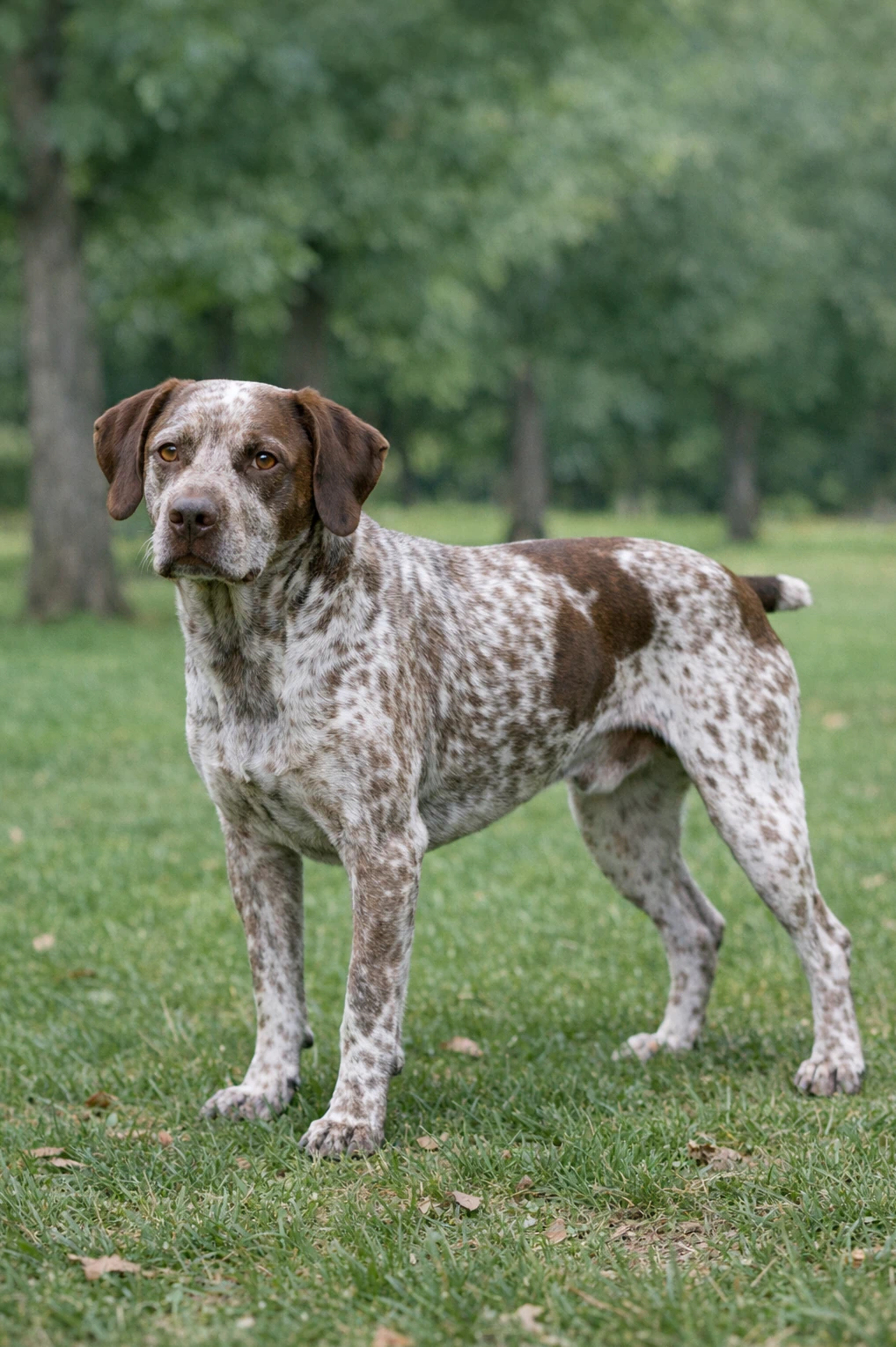
Best Dog Food for Treeing Tennessee Brindle in 2026Based on Nutritional Science
Medium-sized hunter at 16 to 24 inches tall and 30 to 50 pounds, vigilant, clever, and sociable. Nutritional verdict: feed a balanced, protein-focused diet with steady calories and joint support to keep this hound thriving.

Understanding the Treeing Tennessee Brindle Metabolism and Energy Needs
These compact American scent hounds were developed for persistent tracking and long days in the field, so their bodies favor endurance, keen sniffing work, and quick learning. That history means they do best on diets that support lean muscle, steady stamina, and mental sharpness. Sociable, attentive dogs also benefit from steady energy to stay calm and engaged during family life.
A higher proportion of quality animal protein helps repair muscle after long scenting sessions and supports swift bursts of activity, while moderate, digestible fats provide long-lasting fuel and nourish skin and coat. Controlled complex carbohydrates and fiber sustain gut health without excess weight, and targeted supplements such as omega-3 fatty acids and joint support nutrients aid cognitive function and mobility as they age. Tailoring ratios to activity level keeps these energetic companions fit, focused, and happy.
Managing Treeing Tennessee Brindle Genetic Health Risks Through Nutrition
Hip Dysplasia
Helpful nutrients
Ear Infections
Helpful nutrients
Obesity
Helpful nutrients
Eye Problems
Helpful nutrients
Skin Allergies
Helpful nutrients
Treeing Tennessee Brindle Feeding & Calorie Calculator
Estimated Daily Calories
Tip: Start with this amount and adjust after 2–3 weeks based on your dog's body condition and weight trend.
This estimate provides a starting point for feeding. Individual calorie needs may vary depending on metabolism, body condition, and health status. Always monitor your dog's weight and consult your veterinarian when adjusting diet.
Foods and Ingredients to Avoid for Treeing Tennessee Brindle Dogs
For a medium-breed dog in the 30 to 50 pound range like a Treeing Tennessee Brindle, high-fat foods and greasy table scraps can quickly add extra pounds and stress their joints.
Excess dietary fat can also increase the risk of pancreatitis, which is painful and can require emergency care.
Stick to lean protein sources and measured meals, and avoid fried human foods or rich treats that offer little nutrition but a lot of calories.
Chocolate and caffeine are toxic to dogs and can cause vomiting, tremors, rapid heart rate, or worse, depending on the amount ingested.
Xylitol, a common sweetener in sugar-free gum and some peanut butters, can trigger a dangerous drop in blood sugar and liver problems even in small amounts.
Keep all of these well out of reach, and check ingredient labels before sharing any human snacks or treats with your dog.
Onions, garlic, leeks, and chives contain compounds that can damage a dog’s red blood cells and lead to anemia, sometimes with delayed or subtle symptoms.
Even cooked or powdered forms in gravies, sauces, or processed foods can be harmful over time, especially if fed repeatedly.
Because medium breeds may hide early signs of tiredness or pale gums, it’s safest to avoid feeding anything with these ingredients and to be cautious with table scraps.
Grapes and raisins can cause sudden kidney failure in dogs, and there is no reliable safe dose, even for healthy medium-sized breeds like a Treeing Tennessee Brindle.
Other fruit pits and seeds, such as those in apples or cherries, can cause intestinal blockage or contain small amounts of toxins.
Offer dog-safe fruits in small amounts and always remove pits, seeds, and any parts that could present a choking hazard.
Cooked bones often splinter and can puncture the mouth, throat, or intestines, creating a serious emergency risk for dogs of any size.
Small hard chews or recreational bones that break into sharp pieces can also cause dental fractures or internal injuries in a 30 to 50 pound dog.
Choose vet-recommended chew alternatives and supervise any chew time so you can intervene if a piece becomes a hazard.
Foods high in sodium, artificial preservatives, colors, or flavors offer little nutritional value and can worsen skin sensitivities, digestive upset, or long-term health issues.
Medium-breed dogs that enjoy an active life benefit most from whole food ingredients and balanced nutrient profiles rather than overly processed snacks.
When choosing commercial foods or treats, look for clear ingredient lists and avoid products that list long chemical names or high salt as a major component.
How Nutritional Needs Change Throughout the Treeing Tennessee Brindle Life Stages
Treeing Tennessee Brindle dogs have changing nutritional needs through puppyhood, adulthood, and senior years. Growth rate, activity level, and common breed tendencies influence how much and what type of food they need. Tailoring diets at each life stage supports healthy development, maintains lean muscle and energy, and helps aging joints and digestion stay comfortable.
| Life Stage | Age Range | Primary Objective | Key Nutrient Focus |
|---|---|---|---|
| Puppy | 0–12 months | controlled skeletal development, immune support, brain development | DHA, balanced calcium/phosphorus, high-quality protein |
| Adult | 1–7 years | lean muscle maintenance and sustained energy | high-quality protein, omega-3 fatty acids, fiber |
| Senior | 7+ years | joint mobility, metabolic health, and cognitive support | glucosamine, chondroitin, antioxidants, lower calories |
During puppyhood a Treeing Tennessee Brindle grows steadily through the first year, with a quicker pace in the first six months. Their medium size means bones and joints are still forming, so controlled, steady growth matters more than simply extra calories. Aim for a puppy formula designed for medium breeds, with balanced calcium and phosphorus to support healthy skeletal development without overstressing growth plates.
Feed smaller, frequent meals, typically three to four times daily until about six months, then transition to two meals as an adult. Prioritize high quality protein for muscle and healthy fats for energy, plus DHA and omega-3 fatty acids for brain and coat. Because these dogs are active and alert, adjust portions for activity level and monitor body condition to avoid excess weight that can strain developing joints.
As adults a Treeing Tennessee Brindle needs a maintenance diet that preserves lean muscle and supports steady energy for daily activity. Choose foods with moderate to high quality protein and moderate fat, so muscles stay strong without excess calories. Complex carbohydrates and fiber help steady energy and support digestion between walks or play sessions.
Adjust portions to match their activity, since more active dogs will need extra calories and less active pets may need a leaner formula. Keep an eye on body condition and weight, and include regular exercise and mental enrichment to use calories efficiently. Consider lifestyle factors like seasonal hunting or family activities when setting feeding amounts and treats.
In senior years a Treeing Tennessee Brindle often experiences a slower metabolism and less activity, so calorie needs may drop while the need to protect muscle and joints increases. Prioritize easily digestible, high quality protein to maintain lean mass, and slightly reduce calories or fat if your dog becomes less active. Add joint-supporting nutrients such as glucosamine, chondroitin and omega-3 fatty acids to help mobility, and use antioxidant-rich ingredients to support cellular health.
Seniors can also have more sensitive digestion and dental wear, so softer kibble or wet food and added fiber or probiotics may help. Monitor weight and mobility closely and work with your veterinarian to tailor calorie adjustments and supplements based on your dog’s activity and any age-related health concerns. Regular, gentle exercise and mental stimulation remain important for wellbeing.
Kibble vs Fresh vs Raw for Treeing Tennessee Brindle
Different feeding models suit different lifestyles and activity levels, so pick one that matches your routine and your dog.
The alert, intelligent Treeing Tennessee Brindle benefits from diets that support steady energy and lean muscle.
Pros
- Convenient and easy to portion for a medium-sized, active hound.
- Formulas with quality proteins support lean muscle and endurance.
- Fortified kibble supplies consistent vitamins and minerals every meal.
- Hard kibble helps reduce plaque buildup during regular chewing.
Cons
- Some brands use fillers that add calories without much nutrition.
- Lower moisture content may not suit dogs preferring wetter food.
- Poor portion control can lead to weight gain in less active dogs.
- Top-quality formulas can be pricier than basic options.
Pros
- Highly palatable, often tempting for picky Treeing Tennessee Brindle eaters.
- High moisture content supports digestion and healthy hydration.
- Full control over ingredients helps tailor proteins and fats for activity.
- Gentle cooking can reduce gastrointestinal sensitivity seen with processed diets.
Cons
- Requires careful recipe planning to avoid nutrient imbalances.
- More time and ongoing cost for cooking and meal prep.
- Needs refrigeration and safe storage between meals.
- Inconsistent homemade recipes can miss essential vitamins or minerals.
Pros
- High protein and natural ingredients may suit active, muscular hounds.
- Some owners report improved coat sheen and sustained energy.
- Minimal processing preserves native enzymes and certain nutrients.
- Can be customized to emphasize lean proteins for an athletic build.
Cons
- Risk of bacterial contamination without strict hygiene and handling.
- Raw bones can pose choking or dental risks for some dogs.
- Balancing vitamins and minerals requires careful planning or supplements.
- Not ideal for households with young children or immunocompromised members.
| Diet Type | Pros for Treeing Tennessee Brindle | Potential Downsides |
|---|---|---|
| High-Quality Kibble |
|
|
| Fresh Cooked Food |
|
|
| Raw Diet (BARF) |
|
|
Our Recommendation
For most Treeing Tennessee Brindles, high-quality kibble or thoughtfully prepared fresh cooked meals tend to match their energy and lean frame.
Raw feeding can work for experienced owners who follow strict hygiene and balancing, but check with your veterinarian first.
See Also
Breeds with similar group, size, and coat characteristics