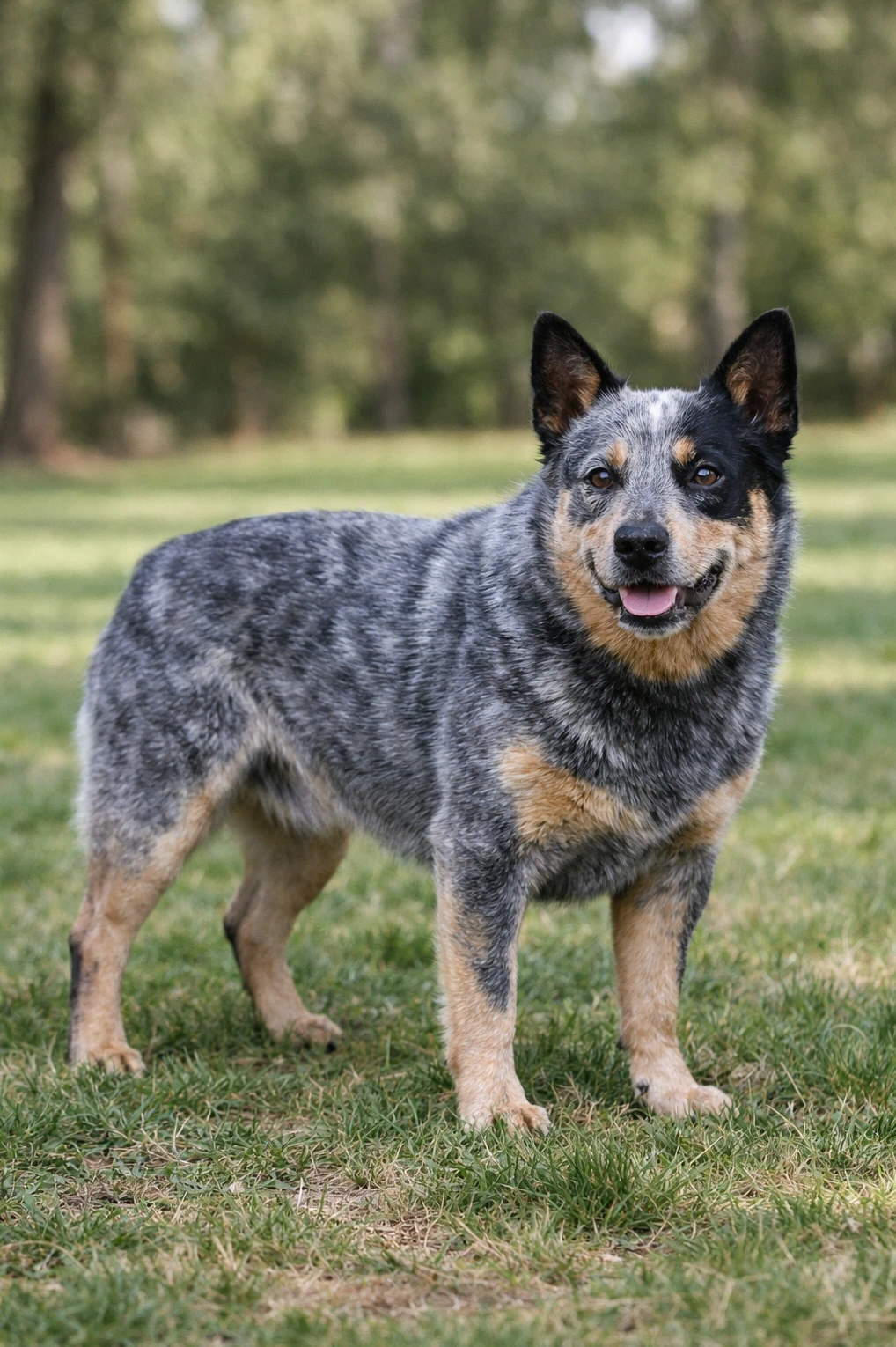
Best Dog Food for Australian Kelpie in 2026Based on Nutritional Science
Medium sized herding dog, about 17 to 20 inches, 35 to 50 pounds, energetic, devoted and quick thinking. Nutritional verdict: needs protein focused, balanced meals with sufficient calories to fuel activity and maintain lean muscle.

Understanding the Australian Kelpie Metabolism and Energy Needs
As a descendant of hardworking herding stock, your Kelpie needs a diet that supports stamina and sharp focus in daily life. Their high activity level and quick-thinking temperament call for elevated quality protein to maintain lean muscle and speed recovery after long walks, play, or farm chores.
Healthy fats supply concentrated, steady energy for prolonged activity, so include sources like fish oil and poultry fats to avoid energy crashes. Slow-digesting carbohydrates such as sweet potato or oats provide consistent fuel without unnecessary fillers, helping keep body condition lean and responsive.
Omega-3 fatty acids support skin, coat, and cognitive health, while glucosamine and chondroitin help protect joints during frequent movement. B vitamins and electrolytes aid endurance and nerve function, making nutrition practical and well-suited to an agile, devoted working companion.
Managing Australian Kelpie Genetic Health Risks Through Nutrition
Hip Dysplasia
Helpful nutrients
Progressive Retinal Atrophy and other eye disorders
Helpful nutrients
Patellar Luxation
Helpful nutrients
Deafness (congenital or age-related)
Helpful nutrients
Obesity and weight management
Helpful nutrients
Australian Kelpie Feeding & Calorie Calculator
Estimated Daily Calories
Tip: Start with this amount and adjust after 2–3 weeks based on your dog's body condition and weight trend.
This estimate provides a starting point for feeding. Individual calorie needs may vary depending on metabolism, body condition, and health status. Always monitor your dog's weight and consult your veterinarian when adjusting diet.
Foods and Ingredients to Avoid for Australian Kelpie Dogs
Australian Kelpies are active and lean, but they can gain weight if their daily activity drops.
Feeding rich, fatty table scraps or high-fat commercial foods can quickly push a 35 to 50 pound Kelpie into excess weight, which adds stress to their joints and spine.
Too much dietary fat also raises the risk of pancreatitis, a painful and potentially serious condition.
Stick to lean proteins and measured fats to keep energy steady and joints happy.
Kelpies thrive on steady energy spread through the day, not one huge meal.
Very large portions or letting a dog gulp food too fast can cause digestive upset, gas, or discomfort for a medium-chested breed.
Feeding two to three balanced meals and using slow-feeding bowls or puzzle feeders helps reduce bloating and improves digestion.
Smaller, regular meals also support stable energy for an active working dog.
Simple carbs and sugary snacks may seem harmless, but they add empty calories that can lead to weight gain in a 35 to 50 pound Kelpie.
Extra weight reduces stamina and increases joint wear in an active dog that needs to run and work.
Choose complex carbohydrates and fiber-rich ingredients that release energy slowly. Limit treats and use low-calorie training rewards so your Kelpie stays fit and focused.
Onions, garlic, chives, and related plants contain compounds that can damage a dog’s red blood cells, leading to anemia.
Even small amounts over time can be risky for medium-sized dogs, so keep these foods well away from your Kelpie.
Symptoms can be subtle at first, like lethargy or pale gums, so avoid any food seasoned with alliums.
When in doubt, choose plain, dog-safe alternatives for flavor and enrichment.
Chocolate and caffeine contain compounds that are toxic to dogs, and grapes or raisins can cause sudden kidney failure in some animals.
For a 35 to 50 pound Kelpie, even modest amounts can lead to serious illness, so these items are a strict no.
If accidental ingestion occurs, contact your veterinarian right away. It is safer to keep human sweets and fruit out of reach and use pet-safe treats instead.
Xylitol, often found in sugar-free gum and baked goods, causes rapid insulin release and dangerous hypoglycemia in dogs.
Even small amounts can be life-threatening for a medium-sized Kelpie, so check ingredient labels carefully.
Other artificial sweeteners and heavy preservatives can upset digestion or trigger sensitivities. Stick to simple, natural treats and recipes formulated specifically for canine nutrition to avoid unexpected reactions.
How Nutritional Needs Change Throughout the Australian Kelpie Life Stages
Dogs need different nutrition at puppyhood, adulthood, and senior years. Australian Kelpies have changing needs influenced by growth rate, activity level, and breed tendencies like high energy and agility. Feeding choices should match growth demands, maintain muscle and stamina in adult life, and support joints and digestion as they age.
| Life Stage | Age Range | Primary Objective | Key Nutrient Focus |
|---|---|---|---|
| Puppy | 0–12 months | controlled skeletal development, immune support, brain development | DHA, balanced calcium/phosphorus, high-quality protein |
| Adult | 1–7 years | lean muscle maintenance and sustained energy | high-quality protein, omega-3 fatty acids, fiber |
| Senior | 7+ years | joint mobility, metabolic health, and cognitive support | glucosamine, chondroitin, antioxidants, lower calories |
Australian Kelpie puppies grow quickly during the first year, often reaching most of their height by nine to twelve months and filling out by twelve to eighteen months. Their developing skeletons need balanced calcium and phosphorus, and calories should support steady growth rather than rapid weight gain to protect growing joints.
Feed puppies three to four smaller meals a day until about six months, then transition to two meals as they approach adulthood. Focus on high quality protein for muscle, sufficient fat for energy, and DHA for brain development, plus omega-3s for a healthy double coat.
Because Kelpies are energetic and agile, working lines may need higher calorie, nutrient-dense formulas, while pet Kelpies benefit from portion control to avoid excess weight. Regularly monitor body condition and adjust feeding based on activity and your veterinarian's guidance.
Adult Australian Kelpies thrive on diets that maintain lean muscle and steady energy for their active days. Aim for a consistent balance of quality protein to support muscle repair and moderate fat to fuel endurance, with digestible carbohydrates for sustained activity.
Adjust caloric intake to match lifestyle, giving more energy to working or highly active Kelpies and less to more sedentary companions. Include nutrients that support joint health and skin and coat, and keep mealtimes consistent to help digestion and predictable behavior.
As Kelpies age, metabolism and activity often slow, and digestion or dental changes can affect food intake. Older dogs may need fewer calories to avoid weight gain but still require high quality, easily digestible protein to preserve muscle mass.
Support mobility with joint-friendly nutrients like omega-3 fatty acids, glucosamine, and antioxidants to reduce inflammation and support tissue repair. Consider softer kibble or moist food, smaller more frequent meals, and close body condition monitoring to keep your senior Kelpie comfortable and active.
Kibble vs Fresh vs Raw for Australian Kelpie
Different feeding models suit different lifestyles and energy needs, especially for active, intelligent breeds like the Australian Kelpie.
Your choice should match activity level, time available, and veterinary advice.
Pros
- Convenient and easy to portion for busy owners.
- Specialized active formulas support high energy and muscle maintenance.
- Dry texture can help reduce tartar buildup with regular chewing.
- Long shelf life simplifies storage for households with variable routines.
Cons
- Some formulas include fillers or low quality ingredients.
- Calorie dense options can cause weight gain if activity is insufficient.
- Lower moisture content may not suit dogs that drink little water.
- Some active dogs may need extra supplements for endurance.
Pros
- Highly palatable for picky or performance-oriented Kelpies.
- High moisture supports hydration during long work or play sessions.
- Full control over ingredient quality and protein sources.
- Easier to tailor calories for a hard-working Kelpie.
Cons
- Requires careful planning to ensure complete nutrition.
- More time and cost intensive than commercial kibble.
- Needs refrigeration and safe storage for freshness.
- Mistakes in balance can cause deficiencies in active dogs.
Pros
- High protein mirrors ancestral diet and supports lean muscle.
- Many owners report improved coat condition and energy.
- Can be tailored for working dogs needing more calories.
Cons
- Strict hygiene required to prevent bacterial infections.
- Bone hazards can risk broken teeth or intestinal blockage.
- Balancing vitamins and minerals is challenging without guidance.
- May be risky for households with young children or immunocompromised people.
| Diet Type | Pros for Australian Kelpie | Potential Downsides |
|---|---|---|
| High-Quality Kibble |
|
|
| Fresh Cooked Food |
|
|
| Raw Diet (BARF) |
|
|
Our Recommendation
For most Australian Kelpies, a high-quality kibble formulated for active dogs or a carefully balanced fresh cooked plan works well.
Raw feeding can be an option for experienced owners with veterinary support and strict hygiene.
See Also
Breeds with similar group, size, and coat characteristics