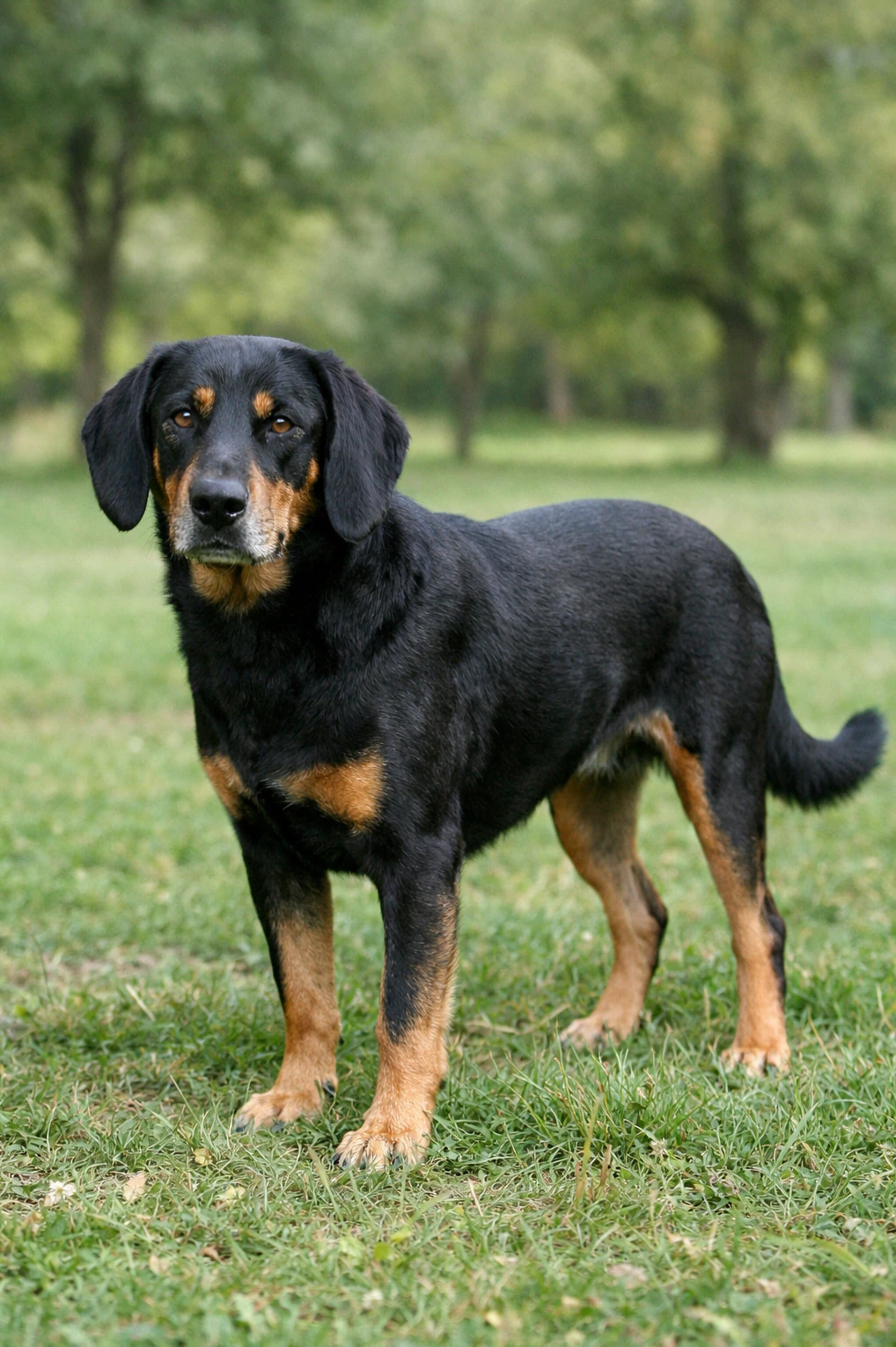
Best Dog Food for Braque du Bourbonnais in 2026Based on Nutritional Science
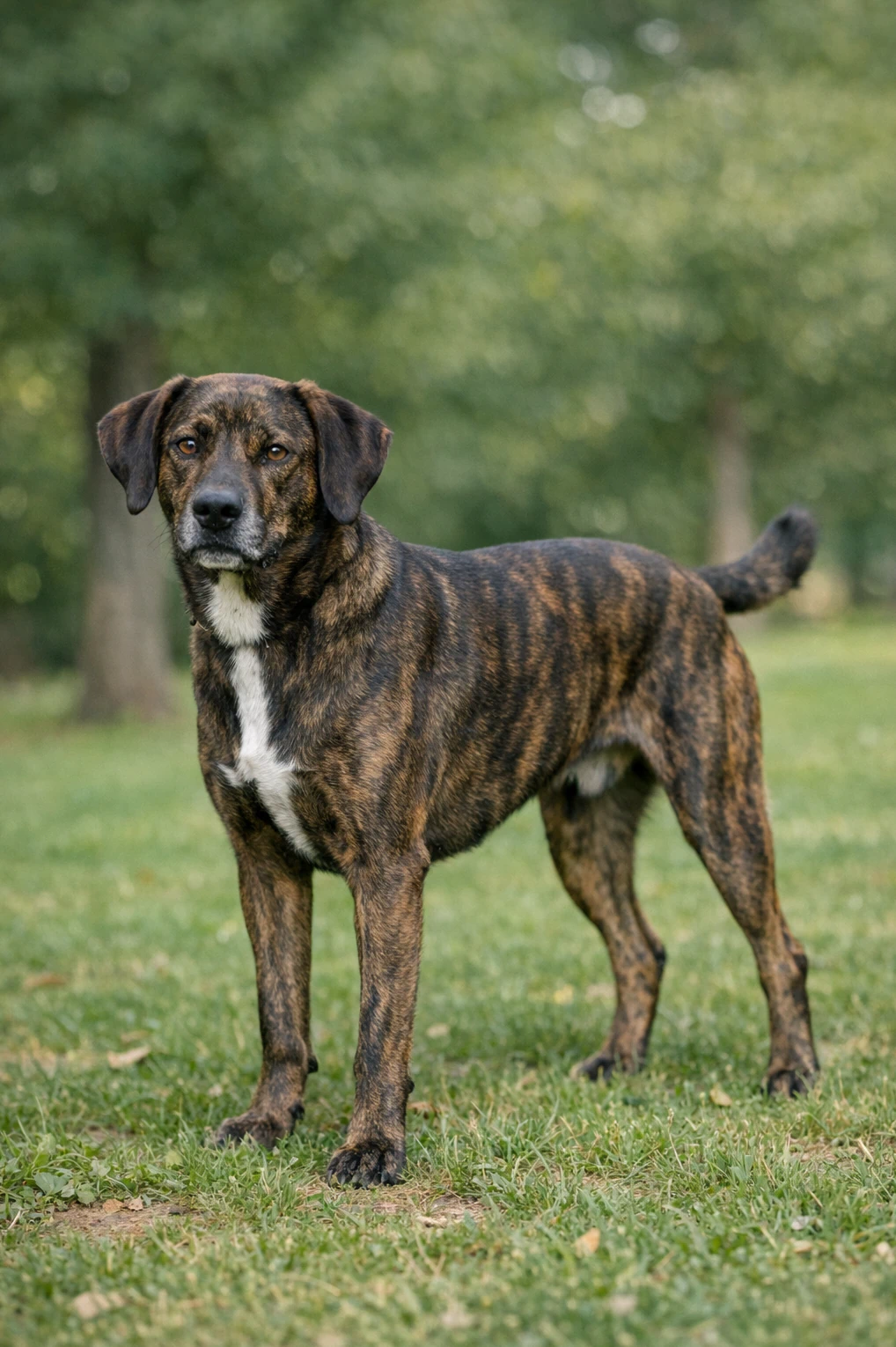
The Braque du Bourbonnais is a medium-built companion at 19 to 22.5 inches and 35 to 53 pounds, loving, calm and versatile. Nutritional verdict: balanced diet with quality protein and steady energy.
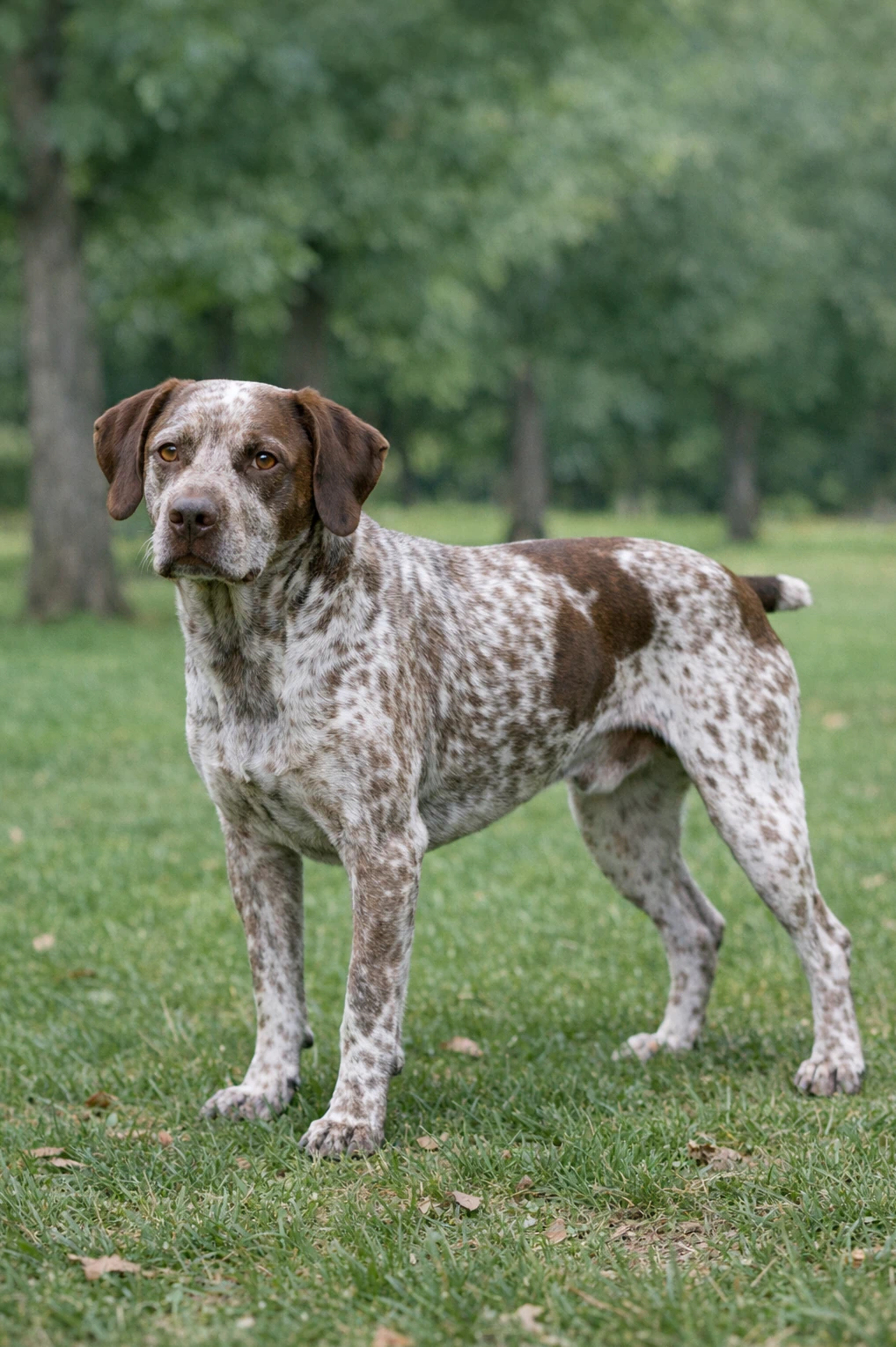
Understanding the Braque du Bourbonnais Metabolism and Energy Needs
Understanding the dog’s background helps explain why their nutrition should balance steady energy with easy-going family life. Bred in France to locate and point game, these dogs combine a mellow household presence with short bursts of fieldwork, so their food must support both calm days and active outings.
High quality animal protein preserves lean muscle and speeds recovery, so options like chicken, fish, and eggs are excellent foundations. Moderate, healthy fats supply sustained fuel and promote a shiny coat, while measured complex carbohydrates such as sweet potato or brown rice provide even energy without sudden weight gain.
Joint-support supplements like glucosamine and omega-3s protect mobility for dogs that enjoy long walks, and probiotics plus soluble fiber aid digestion and mood stability. Careful portioning keeps them fit when activity is lower, giving a diet that suits both playtime and cuddle time.
Managing Braque du Bourbonnais Genetic Health Risks Through Nutrition
Braque du Bourbonnais Feeding & Calorie Calculator
Estimated Daily Calories
Tip: Start with this amount and adjust after 2–3 weeks based on your dog's body condition and weight trend.
This estimate provides a starting point for feeding. Individual calorie needs may vary depending on metabolism, body condition, and health status. Always monitor your dog's weight and consult your veterinarian when adjusting diet.
Foods and Ingredients to Avoid for Braque du Bourbonnais Dogs
Braque du Bourbonnais dogs are moderate-sized, active hunters that need steady energy without excess body fat.
Feeding rich table scraps, fatty cuts of meat, or grease-laden treats can quickly push a 35 to 53 pound dog into unwanted weight gain, which stresses joints and reduces stamina on walks or in the field.
High-fat meals also raise the risk of pancreatitis, a sudden and serious illness.
Keep fats moderate and choose lean protein sources to protect their energy and long-term joint health.
It can be tempting to give bones as a reward, especially to a hunting breed that enjoys chewing, but cooked bones can splinter easily and cause mouth, throat, or intestinal injuries.
Even raw bones carry risks of choking or dental damage for medium-sized dogs when large pieces are swallowed.
Avoid giving any cooked bones, supervise chew sessions, and opt for vet-approved chew toys or specially designed raw bone alternatives to keep them safe and satisfied.
Chocolate and products sweetened with xylitol are dangerous to dogs of all sizes.
In a 35 to 53 pound Braque du Bourbonnais, chocolate can cause tremors, rapid heart rate, and seizures, while xylitol can trigger a dangerous drop in blood sugar and liver damage.
Keep human sweets well out of reach, check ingredient labels on gum and baked goods, and contact your vet immediately if you suspect ingestion.
Onions, garlic, leeks and chives contain compounds that can damage red blood cells and lead to anemia, even in moderate amounts.
For a medium-sized dog this can mean weakness, pale gums, and reduced oxygen capacity, which is especially problematic for an active hunting breed.
Avoid cooked or powdered forms that can be hiding in sauces and seasonings, and never let table scraps containing these ingredients become part of their regular diet.
Some grain-free diets rely heavily on peas, lentils, and other legumes as carbohydrate and protein replacements.
Emerging links between certain legume-rich, grain-free diets and heart problems like dilated cardiomyopathy suggest caution, particularly for breeds with active lifestyles that rely on good cardiovascular fitness.
Choose balanced diets formulated with veterinary guidance, and ensure adequate taurine and overall nutrient balance rather than high single-ingredient reliance.
Braque du Bourbonnais dogs can be sensitive to ingredients that provoke skin or digestive issues, and artificial additives such as BHA, BHT, FD&C dyes, or strong flavor enhancers may trigger itching, ear problems, or upset stomachs.
These reactions can reduce comfort and performance during walks or work.
Opt for minimally processed foods with natural preservatives and simple ingredient lists to support a healthy coat, stable digestion, and overall well-being.
How Nutritional Needs Change Throughout the Braque du Bourbonnais Life Stages
Dogs need different nutrition at puppyhood, adulthood, and senior years, and the Braque du Bourbonnais is no exception. Their needs are shaped by growth rate, activity level, and common health tendencies, along with body size and coat type. Knowing how calories, protein, and key nutrients should change at each stage helps keep this affectionate, adaptable medium breed healthy and comfortable throughout life.
| Life Stage | Age Range | Primary Objective | Key Nutrient Focus |
|---|---|---|---|
| Puppy | 0–12 months | controlled skeletal development, immune support, brain development | DHA, balanced calcium/phosphorus, high-quality protein |
| Adult | 1–7 years | lean muscle maintenance and sustained energy | high-quality protein, omega-3 fatty acids, fiber |
| Senior | 7+ years | joint mobility, metabolic health, and cognitive support | glucosamine, chondroitin, antioxidants, lower calories |
Braque du Bourbonnais puppies grow relatively quickly for a medium breed, reaching most of their adult size within the first year and finishing skeletal maturity by around 12 to 18 months. Their building bones and muscles need steady, well-balanced nutrition to support healthy growth while avoiding overly rapid weight gain, which can strain developing joints.
Feed a high-quality puppy formula designed for medium breeds, with moderate calories, roughly 22 to 28 percent protein, and careful calcium to phosphorus balance to protect skeletal development. Offer three to four small meals daily until around six months, then transition to two or three. Include DHA for brain development and controlled fat for energy, and monitor weight closely since these moderately active dogs benefit from exercise but can gain if overfed. Routine vet checks help tailor portions, and there are no widely documented breed-specific issues to require special restriction.
Adult Braque du Bourbonnais are medium, muscular dogs that need a steady supply of high-quality protein to maintain lean mass and support a moderately active lifestyle. Daily calories should match activity, with working or hunting dogs needing more energy while family companions require fewer calories to prevent excess weight.
Choose balanced adult formulas with about 18 to 26 percent protein and moderate fat, plus essential fatty acids to keep their smooth coat healthy. Feed two meals a day to steady energy and digestion, and adjust portions for neutered pets, seasonal activity shifts, or lifestyle changes. Regular weight checks and consistent exercise like walks and play help preserve muscle and keep this gentle, adaptable breed fit and content.
As a Braque du Bourbonnais moves into senior years, metabolism often slows and activity may decline, which raises the risk of weight gain and muscle loss. Aging can also affect joints and digestion, so nutrition should shift to support mobility and nutrient absorption while avoiding extra calories.
Consider senior diets with slightly fewer calories but sustained, high-quality protein to preserve muscle, and include joint-support nutrients such as glucosamine, chondroitin, and omega-3 fatty acids. Add antioxidants like vitamin E and beta-carotene to support immune health, and include moderate fiber for gentler digestion. Monitor body condition, adjust portions as needed, and keep gentle daily exercise and regular vet checkups to tailor feeding for this affectionate, adaptable medium breed.
Kibble vs Fresh vs Raw for Braque du Bourbonnais
Different feeding models suit different lifestyles, activity levels, and owner preferences.
For a Braque du Bourbonnais, consider lean muscle needs, moderate to high activity, and a sensitive appetite when choosing food.
Pros
- Convenient and easy to portion for busy owners.
- Crunchy texture can help reduce plaque and tartar.
- Formulas available for maintaining lean muscle in medium breeds.
- Typically shelf-stable and cost-effective for regular feeding.
Cons
- Lower moisture content may not suit dogs needing extra hydration.
- Some formulas include fillers or artificial additives.
- Can be calorie-dense, risking weight gain if portions are large.
- Less appealing to picky eaters compared with fresh options.
Pros
- Highly palatable, often tempting for picky Braques.
- High moisture content supports digestion and hydration.
- Easier to customize for activity level and joint support.
- Allows full control over ingredient quality and protein sources.
Cons
- Requires careful planning to ensure complete nutrition.
- More time consuming and usually more expensive than kibble.
- Needs refrigeration and safe handling to prevent spoilage.
Pros
- High in fresh protein, which can support lean muscle when balanced.
- Minimal processing preserves natural nutrients and flavors.
- Easily adjusted for energy needs of active dogs.
- Some owners report improved coat condition over time.
Cons
- Higher risk of bacterial contamination without strict hygiene.
- Raw bones can pose choking or dental hazards for some dogs.
- Requires veterinary guidance to ensure balanced nutrition.
- More demanding in storage, prep, and cost than kibble.
| Diet Type | Pros for Braque du Bourbonnais | Potential Downsides |
|---|---|---|
| High-Quality Kibble |
|
|
| Fresh Cooked Food |
|
|
| Raw Diet (BARF) |
|
|
Our Recommendation
For the adaptable Braque du Bourbonnais, high-quality kibble or thoughtfully prepared fresh food often fits well, balancing convenience and nutrition.
A raw diet can work but needs strict hygiene and veterinary oversight to keep your dog safe and healthy.
See Also
Breeds with similar group, size, and coat characteristics