Best Dog Food for Jagdterrier in 2026Based on Nutritional Science
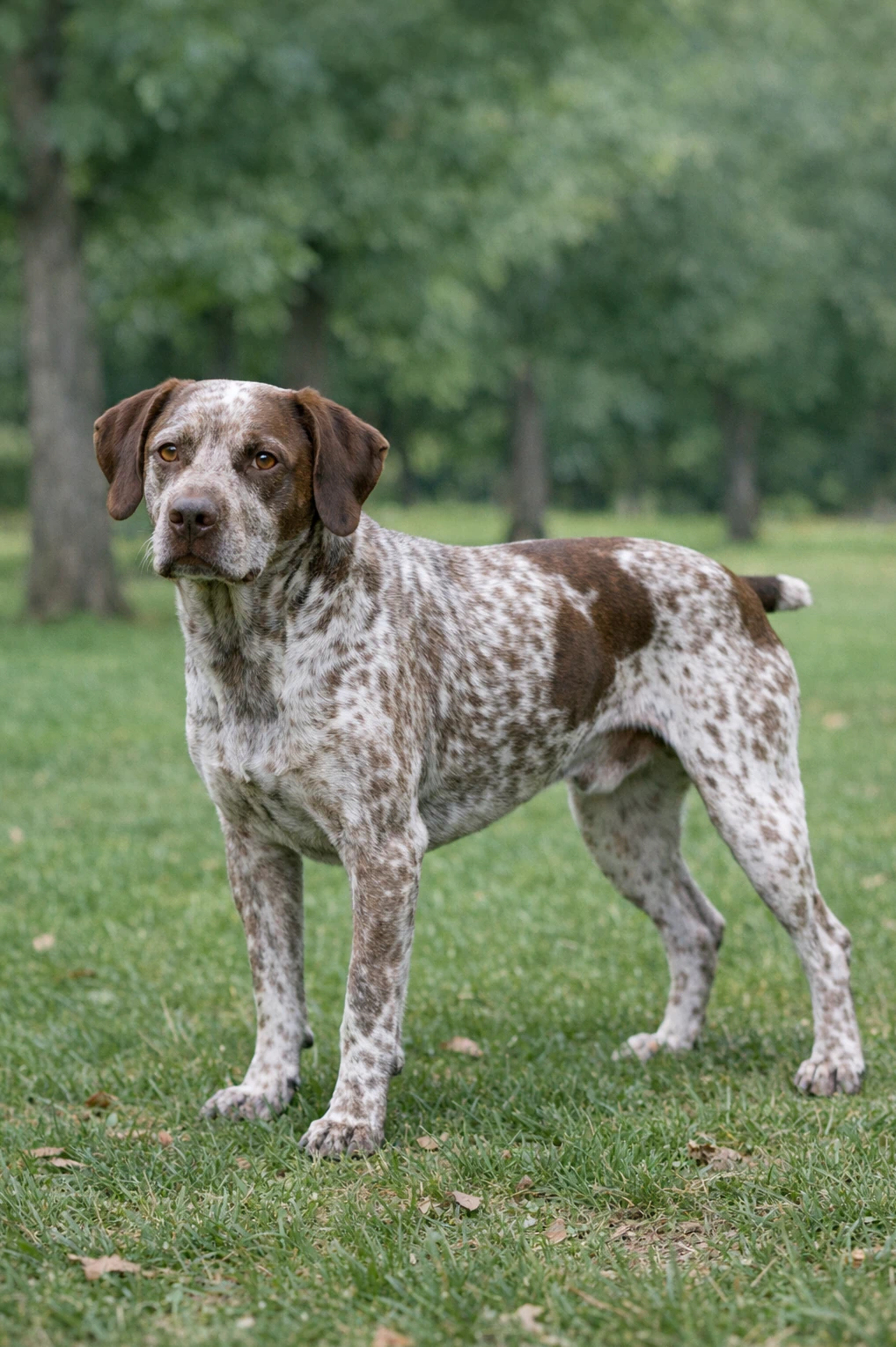
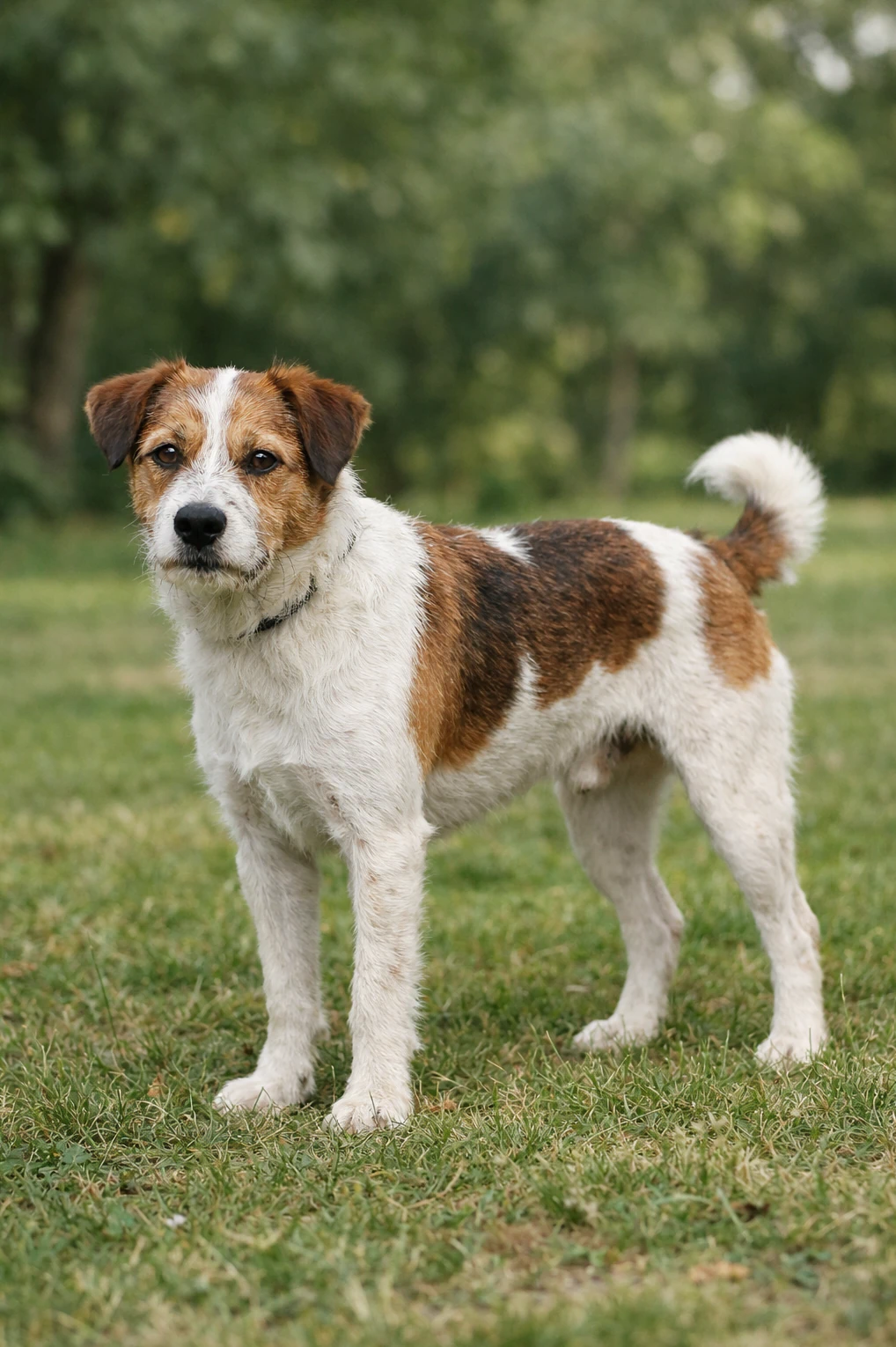
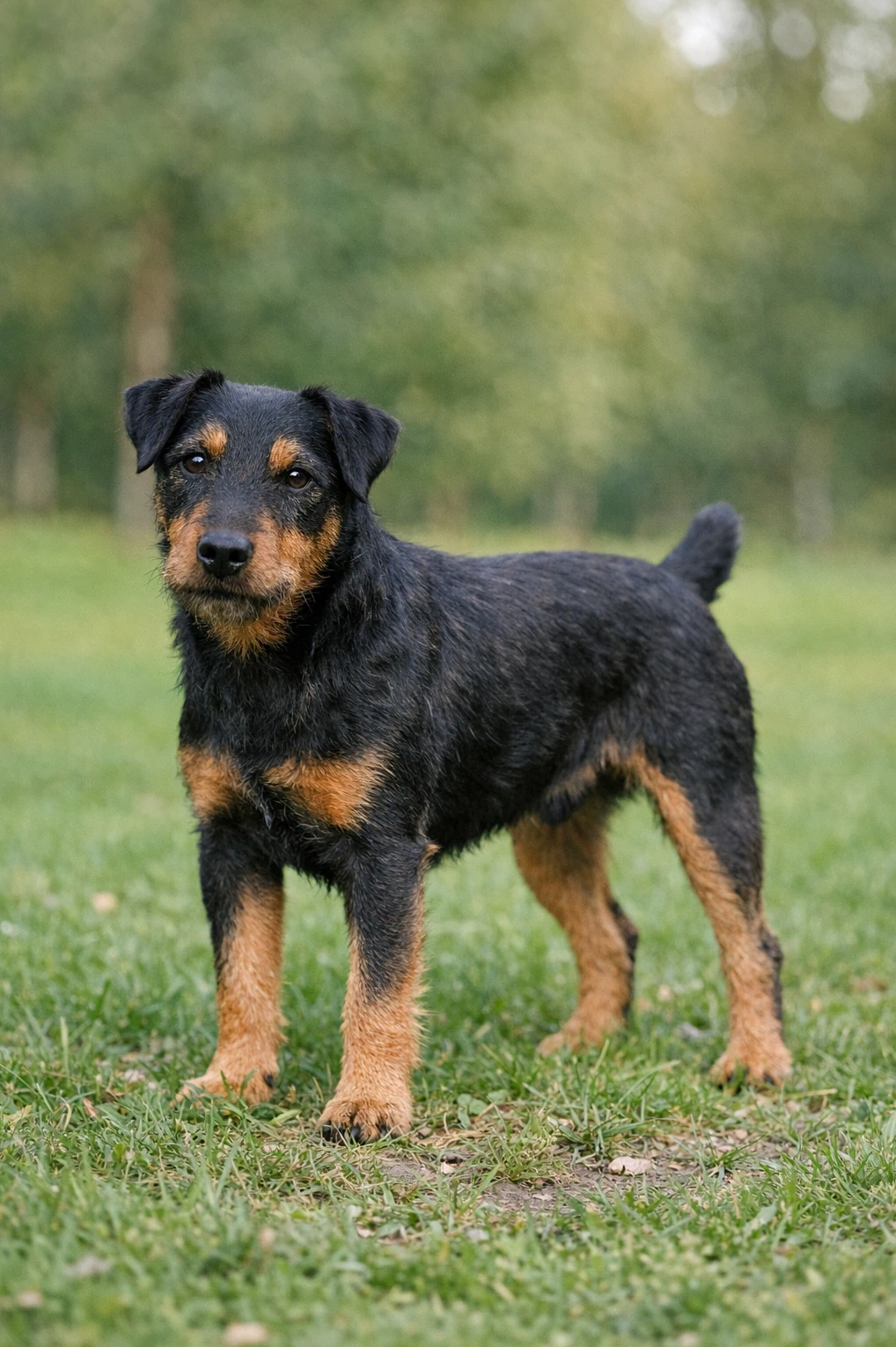
Compact, clever and bold Jagdterrier stands about 13–16 inches tall and weighs 17–22 pounds. Nutritional Verdict: active, protein-rich meals with balanced fats and joint support keep this industrious hunter fit.
Understanding the Jagdterrier Metabolism and Energy Needs
As a terrier shaped for chasing and working close to scent, this dog needs a diet that supports steady focus, quick bursts of activity, and rapid recovery. High-quality animal proteins supply the amino acids required to maintain lean muscle and fuel short, intense efforts; think chicken, beef, fish, and small amounts of organ meat for micronutrient depth. Moderate healthy fats deliver concentrated energy and help keep skin and coat in top condition, while controlled complex carbohydrates such as sweet potato or oats provide accessible glycogen for longer days of activity.
Include targeted supplements when appropriate, for example omega-3 oils to reduce inflammation and support cognitive clarity, and glucosamine or chondroitin for joint resilience after demanding work. B vitamins and antioxidants support metabolism and immune resilience, and probiotics aid digestion when diets change during heavy training. A formula with relatively elevated protein, balanced fats, and sensible carbs matches this dog’s energetic, fearless, and hardworking nature.
Managing Jagdterrier Genetic Health Risks Through Nutrition
Obesity/Overweight
Helpful nutrients
Dehydration and electrolyte balance
Helpful nutrients
Heritable or general health risks related to genetics
Helpful nutrients
Jagdterrier Feeding & Calorie Calculator
Estimated Daily Calories
Tip: Start with this amount and adjust after 2–3 weeks based on your dog's body condition and weight trend.
This estimate provides a starting point for feeding. Individual calorie needs may vary depending on metabolism, body condition, and health status. Always monitor your dog's weight and consult your veterinarian when adjusting diet.
Foods and Ingredients to Avoid for Jagdterrier Dogs
Given that some Jagdterriers are prone to gaining weight, foods high in fat and rich table scraps can rapidly increase calorie intake and lead to unwanted weight gain, which strains their joints and lowers overall stamina for the active lifestyle this breed enjoys.
Excess dietary fat also raises the risk of pancreatitis, a serious condition that can require veterinary care, so prioritize measured portions of lean proteins and controlled treats to keep your dog at a healthy body condition.
Jagdterriers respond well to training, and treats are helpful, but this small, energetic breed only needs a modest number of calories each day, typically 17 to 22 pounds worth, so snacks can add up quickly and cause gradual weight gain.
Use low-calorie training rewards, break treats into smaller pieces, and account for them in daily calorie totals, or swap in healthy alternatives like small bits of cooked lean meat or vegetables approved by your veterinarian.
Certain human foods are outright dangerous for dogs of any size, and a Jagdterrier’s lighter weight makes even small amounts more hazardous, so keep chocolate, xylitol-sweetened items, grapes and raisins, onions and garlic, macadamia nuts, alcohol and caffeine well out of reach.
These substances can cause everything from low blood sugar and vomiting to liver failure and cardiac issues, so if you suspect ingestion contact your veterinarian or an emergency clinic right away for guidance.
Cooked bones tend to splinter and can puncture or block a Jagdterrier’s digestive tract, which is a real risk given their compact size, so avoid giving cooked poultry bones or other brittle bones as treats or chew toys.
While supervised, appropriately sized raw chew options may be discussed with your veterinarian, steer clear of small bones that could lodge in the throat and choose safe, vet-recommended chews to satisfy their chewing instincts.
Some Jagdterriers can be sensitive to artificial preservatives, colors and flavorings, and these additives may contribute to skin irritation, digestive upset or reduced food tolerance in individual dogs, so choosing foods with simpler, recognizable ingredient lists is often safer.
Avoid formulas that rely heavily on BHA, BHT or ethoxyquin and consider limited-ingredient or naturally preserved options if your dog has a history of sensitivities, discussing choices with your veterinarian when in doubt.
Diets that replace grains with high levels of peas, lentils, beans or potatoes have been linked in some studies to heart concerns in a subset of dogs, so long-term feeding of legume-heavy, grain-free recipes should be approached with caution for a small, active breed like the Jagdterrier.
If you are considering or currently feeding a grain-free diet, work closely with your veterinarian to monitor heart health, taurine status and overall nutrition, and choose balanced formulations from reputable manufacturers when advised.
How Nutritional Needs Change Throughout the Jagdterrier Life Stages
Dogs have different nutritional needs as they move from puppyhood to adulthood to senior years, and tailoring food to each stage helps them thrive. These needs are shaped by a breed's growth rate, activity level, and common health tendencies, so a medium, hardworking Jagdterrier will eat differently than a more sedentary breed. Paying attention to stage-appropriate calories and nutrients supports healthy development, performance, and long-term wellbeing.
| Life Stage | Age Range | Primary Objective | Key Nutrient Focus |
|---|---|---|---|
| Puppy | 0–12 months | controlled skeletal development, immune support, brain development | DHA, balanced calcium/phosphorus, high-quality protein |
| Adult | 1–7 years | lean muscle maintenance and sustained energy | high-quality protein, omega-3 fatty acids, fiber |
| Senior | 7+ years | joint mobility, metabolic health, and cognitive support | glucosamine, chondroitin, antioxidants, lower calories |
Jagdterrier puppies grow relatively quickly for a medium breed, often reaching most of their adult height by about nine to twelve months while filling out in the following months. Their rapid growth means controlled, steady weight gain is important to protect developing bones and joints, so feed diets formulated for medium-breed puppies and avoid over-supplementing calcium.
Offer three to four smaller meals a day during early months, then transition to two meals by adulthood to keep energy steady and support training sessions typical of this hardworking, high-energy terrier. Emphasize high-quality protein for muscle, balanced fats and omega-3s for brain and coat, plus adequate vitamins and minerals, and consult a responsible breeder or veterinarian about any breed-specific testing or early health monitoring.
As an adult, a Jagdterrier needs nutrition that supports lean muscle, stamina, and the focus required for work or active play. Prioritize high quality protein and moderate healthy fats to fuel daily bursts of activity, and feed measured portions twice a day to maintain steady energy and prevent overeating.
Lifestyle factors like hunting, agility, or long walks will raise calorie needs, while a more sedentary home life means cutting calories slightly to avoid weight gain. Include omega fatty acids for skin and coat health, antioxidants for long term cellular support, and schedule regular weight checks with your veterinarian to fine tune intake for your dog's activity and body condition.
As Jagdterriers enter their senior years you may notice slower metabolism, reduced mobility, and sometimes changes in digestion that affect appetite and nutrient absorption. Calorie needs often decrease so reduce portions carefully while keeping protein high enough to preserve muscle, and consider more frequent smaller meals and added fiber or digestive enzymes if recommended by your veterinarian.
Support joints with omega-3 fatty acids and veterinarian approved glucosamine and chondroitin where appropriate, and boost antioxidants through diet to help cellular health. Many Jagdterriers stay spirited into old age, but regular weight and mobility checks, dental care and a tailored senior formula will help them stay comfortable and active longer.
Kibble vs Fresh vs Raw for Jagdterrier
Different feeding models suit different lifestyles, and Jagdterriers are no exception. Their high energy, working drive, and lean build mean diet should match activity and health needs.
Pros
- Convenient and easy to portion around a busy training and hunting schedule.
- Complete formulas can meet a Jagdterrier's high energy and protein needs.
- Higher-protein options support lean muscle and recovery after work.
- Dry kibble helps reduce plaque on teeth through mechanical chewing.
Cons
- Lower moisture content may not suit a dog that drinks less.
- Some brands include fillers that add empty calories.
- May require careful selection to provide enough protein for working dogs.
- Less flexible for adjusting meals on very active versus rest days.
Pros
- Very palatable, great for picky or performance-focused Jagdterriers.
- High moisture content supports hydration during and after activity.
- Easy to adjust protein and fat to match work level.
- You control ingredient quality, helpful for dogs with sensitivities.
Cons
- Needs careful recipes or supplements to be nutritionally complete.
- More time and cost than kibble, especially for daily cooking.
- Requires refrigeration and planning for outings or hunting trips.
- Inconsistent preparation can create nutrient imbalances over time.
Pros
- High protein and fat profiles can fuel energetic, working Jagdterriers.
- Often very palatable, encouraging strong appetite for active dogs.
- Minimal processing preserves some natural nutrients and textures.
Cons
- Higher bacterial risk without strict hygiene and safe handling.
- Feeding raw bones can pose choking or dental risks to small dogs.
- Balancing vitamins and minerals typically needs professional guidance.
- Sourcing safe, high-quality ingredients increases time and cost.
| Diet Type | Pros for Jagdterrier | Potential Downsides |
|---|---|---|
| High-Quality Kibble |
|
|
| Fresh Cooked Food |
|
|
| Raw Diet (BARF) |
|
|
Our Recommendation
For most Jagdterriers, a high-quality, high-protein kibble or a thoughtfully prepared fresh diet offers the best mix of convenience and energy support.
Raw feeding can work for experienced owners who follow strict hygiene and veterinary guidance, but it requires more time and careful balancing.
See Also
Breeds with similar group, size, and coat characteristics