Best Dog Food for Korean Jindo Dog in 2026Based on Nutritional Science
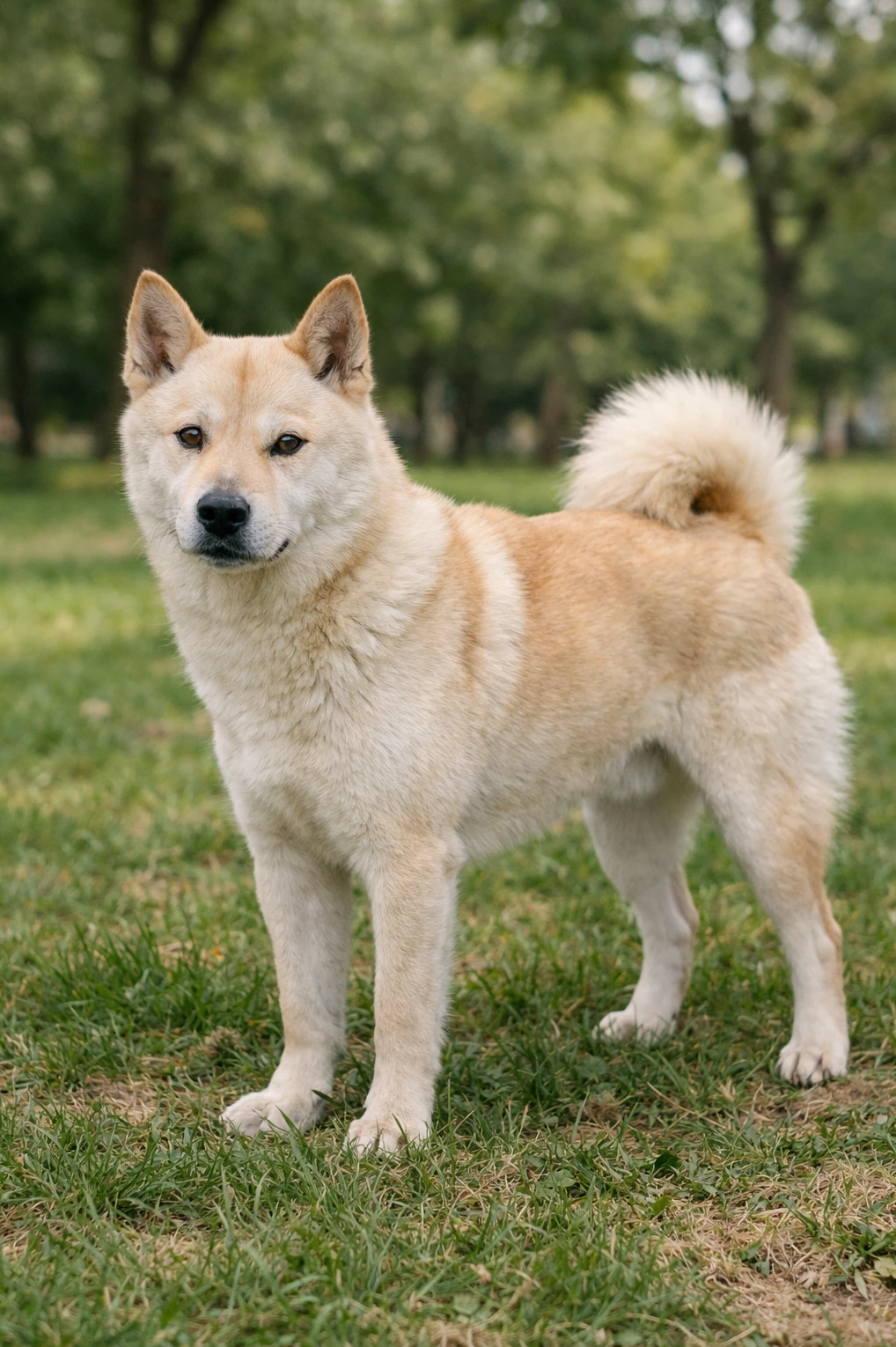
Medium, muscular male Jindo stands about 19 to 22 inches and weighs 40 to 50 pounds. Vigilant, devoted, and clever companion. Nutritional verdict: feed protein-rich, balanced meals for lean muscle, moderate calories and joint-support nutrients.
Understanding the Korean Jindo Dog Metabolism and Energy Needs
Bred to work on rugged coastal hills and track small animals, the Jindo carries an athletic, self-reliant nature that shapes what it needs to thrive. Their agile build and sharp mind call for a diet that supports steady power, quick recovery, and clear thinking while keeping a lean physique.
Lean animal proteins are essential to maintain muscle tone and the fast-twitch fibers used for short bursts of speed, so foods like fish, poultry, or quality red meat are ideal. Healthy fats provide compact fuel for active days and help keep the skin and coat healthy, with marine omega-3s supporting cognitive focus and calming inflammation. Moderate complex carbohydrates and fermentable fiber give sustained energy and support digestion without promoting excess weight.
Because these dogs stay active and independent, joint support such as glucosamine, antioxidants and B vitamins for cellular energy, and a balanced mineral mix help preserve mobility and stamina. Measured portions and enrichment feeding help manage weight while keeping both body and mind satisfied.
Managing Korean Jindo Dog Genetic Health Risks Through Nutrition
Hypothyroidism
Helpful nutrients
Discoid Lupus (skin autoimmune condition)
Helpful nutrients
Low Appetite / Underweight tendency
Helpful nutrients
Korean Jindo Dog Feeding & Calorie Calculator
Estimated Daily Calories
Tip: Start with this amount and adjust after 2–3 weeks based on your dog's body condition and weight trend.
This estimate provides a starting point for feeding. Individual calorie needs may vary depending on metabolism, body condition, and health status. Always monitor your dog's weight and consult your veterinarian when adjusting diet.
Foods and Ingredients to Avoid for Korean Jindo Dog Dogs
Because Korean Jindos are lean and medium sized, feeding salty or heavily processed human foods can quickly upset their digestion and encourage unhealthy drinking and sodium overload.
Long term, large amounts of sodium and processed ingredients stress the kidneys and heart, and they also make picky eating worse by changing taste preferences.
Keep people food to a minimum and check with your vet before sharing any leftovers.
Jindos are light eaters and can gain excess weight if owners compensate with rich table scraps or fatty treats, which also raise the risk of pancreatitis.
Because their lean build can mask overeating, avoid feeding extra fatty meats, gravy, or fried foods that add calories without nutrition.
Stick to lean proteins and measured meals to preserve healthy weight and steady appetite.
With hypothyroidism noted in the breed, it is wise to avoid diets that rely heavily on soy or large amounts of raw cruciferous vegetables like kale and cabbage, which can interfere with thyroid function when consumed in excess.
Occasional, cooked servings are usually fine, but regular high intake may complicate thyroid testing and management.
Discuss any major diet changes with your veterinarian, especially if thyroid concerns run in your line.
Because Jindos can be prone to skin sensitivities and autoimmune conditions such as discoid lupus, minimizing artificial colors, flavors, and preservatives is a sensible choice to reduce the chance of irritation or allergic reactions.
Ingredients like BHA, BHT or unnecessary dyes can contribute to itchy skin or digestive upset in sensitive dogs.
Choosing naturally preserved, whole-food ingredients helps protect their coat and skin health.
While Jindos can thrive on well-planned home-prepared diets, raw or unbalanced homemade meals can expose them to pathogens and nutrient gaps that affect long-term health and immune function.
Bones, raw meats, and incorrect calcium to phosphorus ratios are common pitfalls that may harm teeth, digestion, and developing joints.
Always plan home diets with your veterinarian or a veterinary nutritionist to ensure safety and completeness.
Never offer cooked bones or overly hard chews to a Jindo, because cooked bones can splinter and cause choking, mouth injury, or internal punctures, and extremely hard chews can fracture teeth.
Even though Jindos are sturdy and active, their medium jaw strength still risks dental damage from inappropriate items.
Choose vet-recommended chew alternatives and supervise chewing to keep every meal and snack safe.
Kibble vs Fresh vs Raw for Korean Jindo Dog
Different feeding models suit different lifestyles, activity levels, and health needs. Choosing what fits your Korean Jindo helps keep them healthy and happy.
Pros
- Convenient and easy to portion for busy Jindo owners.
- Formulated kibbles provide balanced nutrition for active dogs.
- Dry texture can help reduce tartar on teeth.
- Wide range of calorie levels suits weight management needs.
Cons
- Some formulas contain fillers that add unnecessary calories.
- Lower moisture may not suit dogs that drink little water.
- Less control over ingredient sourcing compared to fresh diets.
- May be less enticing for picky or independent Jindos.
Pros
- Highly palatable for picky or food-motivated Jindos.
- High moisture supports hydration and kidney health.
- You control quality, which helps manage allergies or sensitivities.
- Easily adjusted calories for active or less active days.
Cons
- Requires careful recipes to ensure complete nutrition.
- More time consuming and often more costly than kibble.
- Needs refrigeration and safe handling to avoid spoilage.
- Supplement mistakes could affect thyroid or immune-prone dogs.
Pros
- Can support lean muscle and glossy double coat in active Jindos.
- Raw meaty bones can aid dental cleaning when used safely.
- Less carbohydrate, useful for dogs sensitive to grains.
- Owners can tailor micronutrients for aging or working dogs.
Cons
- Higher risk of bacterial contamination without strict hygiene.
- Raw bones can present choking or dental fracture hazards.
- Balancing vitamins and minerals is challenging without guidance.
- May be impractical for apartment owners or frequent travelers.
| Diet Type | Pros for Korean Jindo Dog | Potential Downsides |
|---|---|---|
| High-Quality Kibble |
|
|
| Fresh Cooked Food |
|
|
| Raw Diet (BARF) |
|
|
Our Recommendation
Many Jindo owners find high-quality kibble or balanced fresh-cooked meals work best, providing protein, convenience, and hydration.
Raw feeding can suit experienced owners, but veterinary guidance is essential for hygiene and proper nutrient balance.
See Also
Breeds with similar group, size, and coat characteristics