Best Dog Food for Kai Ken in 2026Based on Nutritional Science
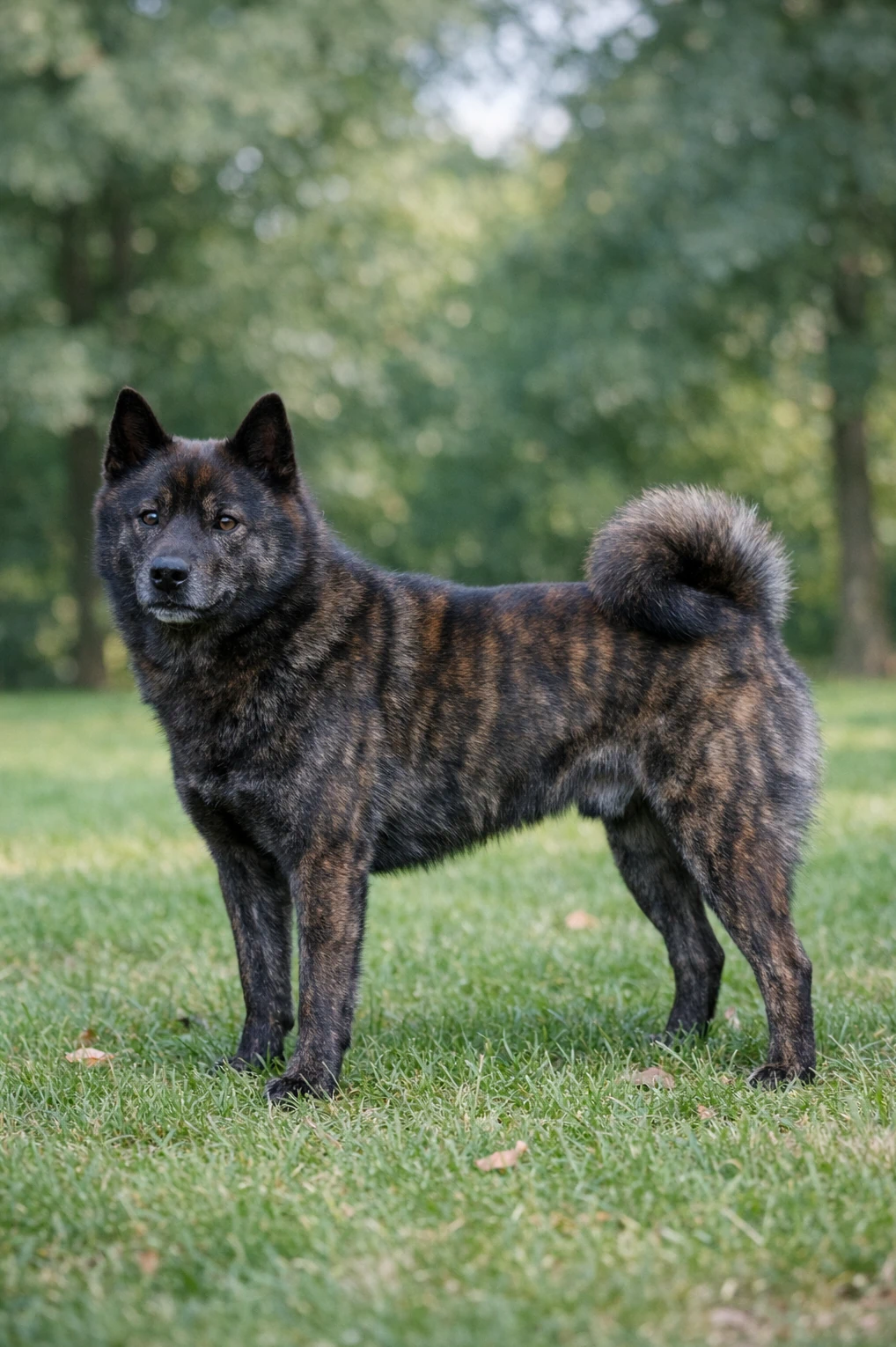
Compact males stand about 18.5 to 19.5 and weigh 30 to 40, a devoted, bright, and spry companion. Nutritional verdict: high-quality protein and moderate fat support lean muscle and steady energy.
Understanding the Kai Ken Metabolism and Energy Needs
Originating in Japan's mountain hunting traditions, this compact, devoted and quick dog needs a diet that supports stamina, clear focus, and lean muscle. Because these companions use short, powerful bursts of energy and nimble movement, they do best on higher-quality protein to preserve and rebuild muscle, about 25 to 30 percent of daily calories, with moderate fats around 15 to 20 percent to fuel effort and nourish skin and fur.
Healthy fats rich in omega-3 support brain health and a glossy coat, while digestible carbohydrates and fiber provide steady energy without excess weight. Joint-support ingredients like glucosamine and chondroitin help protect springy joints, and antioxidants plus B vitamins aid mental sharpness and recovery. Smaller, nutrient-dense meals keep energy steady and help this lively friend stay fit and focused.
Managing Kai Ken Genetic Health Risks Through Nutrition
Allergies (skin and food)
Helpful nutrients
Luxating patella (knee joint issues)
Helpful nutrients
Seizures
Helpful nutrients
Obesity or weight gain
Helpful nutrients
Kai Ken Feeding & Calorie Calculator
Estimated Daily Calories
Tip: Start with this amount and adjust after 2–3 weeks based on your dog's body condition and weight trend.
This estimate provides a starting point for feeding. Individual calorie needs may vary depending on metabolism, body condition, and health status. Always monitor your dog's weight and consult your veterinarian when adjusting diet.
Foods and Ingredients to Avoid for Kai Ken Dogs
Kai Ken are generally healthy but can still suffer if given too many rich, greasy foods.
High-fat meals and table scraps increase the risk of obesity and pancreatitis, and extra weight places strain on their joints and can worsen a luxating patella concern.
Stick to lean protein and measured portions, and check with your vet before offering fatty treats so your medium-sized companion stays at a healthy weight and moves comfortably.
This breed tends to self-regulate its food, but too many treats or human table scraps can quickly lead to unwanted weight gain in a 30 to 40 pound dog.
Obesity increases stress on the knees and spine, and it can reduce overall energy and lifespan.
Use low-calorie rewards for training, count treats toward daily calories, and reserve rich snacks for rare occasions to protect your Kai Ken's long-term joint and metabolic health.
Kai Ken can be prone to skin sensitivities and allergies in some lines, so foods with artificial colors, flavors, and preservatives may trigger itchiness or digestive upset.
Ingredients like BHA, BHT, and some synthetic dyes are unnecessary for a balanced diet and can complicate allergy management.
Choosing a high-quality diet with simple, natural preservation and discussing ingredient changes with your breeder or vet will help keep their coat shiny and skin comfortable.
Members of the allium family, including onions and garlic, can damage red blood cells and cause anemia in dogs, even in small amounts if given regularly.
Symptoms may be subtle at first but can lead to weakness, pale gums, and lethargy, which is particularly risky for a medium-sized active dog.
Avoid foods and seasonings that contain these ingredients, and check ingredient lists on leftovers and packaged treats to keep your Kai Ken safe.
Certain human foods are directly toxic to dogs, and Kai Ken owners should be extra cautious around chocolate, grapes, raisins, and products containing xylitol.
Chocolate and caffeine can cause tremors and seizures, grapes and raisins can trigger acute kidney failure, and xylitol can cause dangerous drops in blood sugar and liver damage.
Keep these items well out of reach, and call your veterinarian immediately if you suspect ingestion so problems can be treated quickly.
Some grain-free diets that rely heavily on peas, lentils, and other legumes have been linked to heart concerns in certain dogs when used long term.
While Kai Ken are overall healthy, choosing a balanced formula with a variety of protein and carbohydrate sources reduces the risk of nutritional imbalances.
Discuss diet choices with your vet, especially for adult maintenance, and favor proven, complete foods rather than very restrictive ingredient patterns to support heart and overall health.
How Nutritional Needs Change Throughout the Kai Ken Life Stages
Dogs have changing nutritional needs across puppyhood, adulthood, and their senior years, and Kai Ken are no different. Their medium build, agility, and active nature mean calories, protein, and calcium needs shift as they grow. Growth rate, activity level, and breed health tendencies such as allergies or joint concerns influence what to feed at each stage.
| Life Stage | Age Range | Primary Objective | Key Nutrient Focus |
|---|---|---|---|
| Puppy | 0–12 months | controlled skeletal development, immune support, brain development | DHA, balanced calcium/phosphorus, high-quality protein |
| Adult | 1–7 years | lean muscle maintenance and sustained energy | high-quality protein, omega-3 fatty acids, fiber |
| Senior | 7+ years | joint mobility, metabolic health, and cognitive support | glucosamine, chondroitin, antioxidants, lower calories |
Kai Ken puppies grow at a steady medium-breed pace, developing strong muscles and a resilient double coat as they mature. Careful skeletal development matters, so avoid excess calories and overly rapid growth, and keep calcium and phosphorus balanced to protect joint and bone health, especially given a risk of luxating patella.
Feed small, frequent meals early on, moving from three or four daily feedings to two by adulthood as growth slows. Focus on high quality protein for muscle, DHA for brain and eye development, omega-3 fatty acids for coat and skin, and a digestible formula that reduces allergy risks, and ask your breeder or vet about any family history of seizures before picking a diet.
Adult Kai Ken need a diet that supports lean muscle and steady energy to match their agile, active nature. Aim for high quality protein and moderate fat to fuel daily activity without excess calories, while maintaining balanced vitamins and minerals to support coat health and immune function.
Adjust portion sizes to activity, offering slightly higher calories for working or very active dogs and watching weight for more sedentary pets. Because Kai Ken can be prone to allergies, choose digestible ingredients and monitor for intolerance, and keep routine vet checks to screen for conditions breeders often test for.
As Kai Ken enter their senior years their metabolism often slows and activity levels can dip, which may require a reduction in daily calories to prevent weight gain. Aging can also affect digestion and joint comfort, so maintain high quality protein to preserve muscle while lowering calories if needed.
Support mobility with joint-friendly nutrients such as glucosamine, chondroitin, and omega-3 fatty acids, and add antioxidants like vitamin E to help cellular health. Consider more digestible formulas, increased fiber for gut regularity, and work with your vet to adjust diet if seizures or food sensitivities are present.
Kibble vs Fresh vs Raw for Kai Ken
Different feeding models suit different lifestyles and household needs, especially for an agile, intelligent breed like the Kai Ken.
Consider activity level, allergy risks, and joint health when choosing a feeding approach.
Pros
- Convenient and easy to portion for busy owners.
- Formulas available for joint support and lean protein for active dogs.
- Dry kibble helps reduce tartar and supports dental health.
- Long shelf life and easy to travel with.
Cons
- Some formulas contain fillers that may trigger allergies.
- Calorie-dense kibble can cause weight gain without portion control.
- Lower moisture content may not suit dogs that drink little.
- Hard to tailor individual ingredients without special formulations.
Pros
- Highly palatable for picky Kai Ken who value taste.
- High moisture supports hydration and healthy digestion.
- Easy to avoid known allergens by choosing ingredients.
- Allows precise control over protein and joint-support nutrients.
Cons
- Time consuming to prepare balanced meals consistently.
- Can be more expensive than kibble long term.
- Risk of nutritional imbalance without veterinary guidance.
- Requires refrigeration and meal prep planning.
Pros
- High-quality protein can match the Kai Ken's active needs.
- Many owners report shinier coats and increased energy.
- Minimally processed ingredients may preserve nutrients.
- Can be tailored to eliminate processed additives.
Cons
- Strict hygiene required to avoid bacterial contamination.
- Raw bones can pose choking or dental fracture risks.
- Hard to ensure complete nutrient balance without guidance.
- Not ideal for households with young children or immunocompromised people.
| Diet Type | Pros for Kai Ken | Potential Downsides |
|---|---|---|
| High-Quality Kibble |
|
|
| Fresh Cooked Food |
|
|
| Raw Diet (BARF) |
|
|
Our Recommendation
For most Kai Ken, a high-quality kibble with joint and lean-protein formulas offers a convenient, balanced baseline.
Owners who prefer more control over ingredients may choose fresh cooked meals, while raw diets need careful veterinary supervision and strict hygiene to be safe.
See Also
Breeds with similar group, size, and coat characteristics