Best Dog Food for Small Munsterlander in 2026Based on Nutritional Science
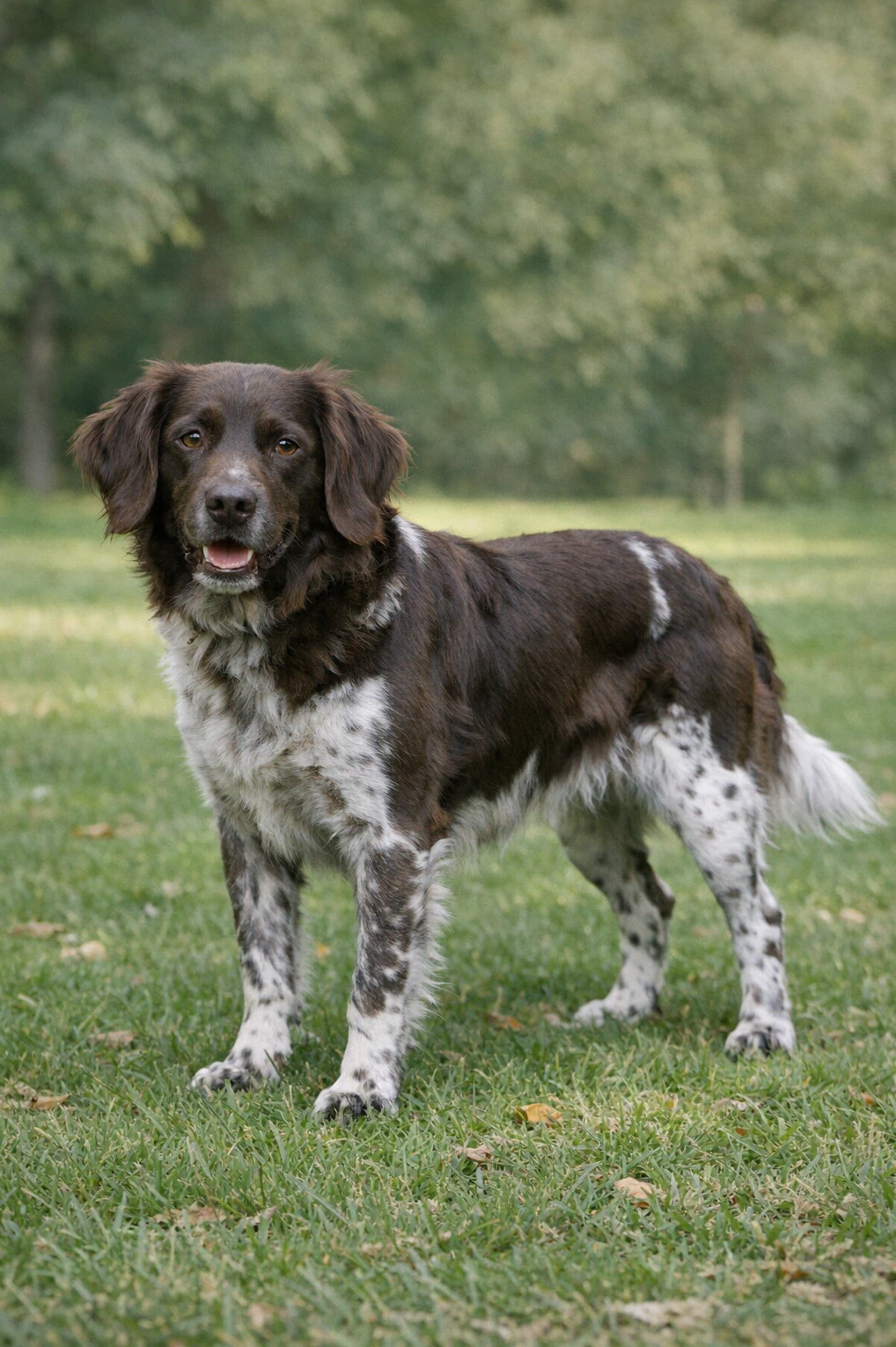
Small Munsterlander stands about 20.5 to 21 inches and weighs 40 to 60 pounds, bright, loyal and poised, Nutritional Verdict: needs a balanced, protein-forward diet with healthy fats to fuel stamina and maintain lean muscle.
Understanding the Small Munsterlander Metabolism and Energy Needs
Small Munsterlander dogs come from a line of versatile hunting companions, built to work long days in varied terrain and water. Their clever, loyal, and self-assured temperament means they stay energetic and attentive, so nutrition must support both body and brain.
A diet leaning toward higher quality protein helps repair and preserve lean muscle after long retrieves and steady activity, with about 25 to 30 percent of calories from protein. Moderate healthy fats, around 12 to 18 percent, provide concentrated fuel and keep skin and coat healthy, while low glycemic complex carbohydrates supply steady energy without spikes and add helpful fiber for digestion.
Targeted supplements can bridge gaps, especially omega-3 fatty acids for joint and cognitive support, glucosamine for cartilage resilience, and antioxidants with B vitamins to aid recovery and metabolism. Tailoring meals to activity level keeps these dogs feeling fit, focused, and ready for work or play.
Managing Small Munsterlander Genetic Health Risks Through Nutrition
Preventable infectious diseases (heartworm, Lyme, core vaccines)
Helpful nutrients
Digestive sensitivity and unique digestive needs
Helpful nutrients
High energy and muscle maintenance for an active breed
Helpful nutrients
Weight management and maintaining healthy body condition
Helpful nutrients
Longevity and healthy aging
Helpful nutrients
Small Munsterlander Feeding & Calorie Calculator
Estimated Daily Calories
Tip: Start with this amount and adjust after 2–3 weeks based on your dog's body condition and weight trend.
This estimate provides a starting point for feeding. Individual calorie needs may vary depending on metabolism, body condition, and health status. Always monitor your dog's weight and consult your veterinarian when adjusting diet.
Foods and Ingredients to Avoid for Small Munsterlander Dogs
Although Small Munsterlanders are active and benefit from quality protein, high-fat foods and rich table scraps can quickly push a 40 to 60 pound dog into unhealthy weight gain and raise the risk of pancreatitis.
Extra body weight also strains joints and reduces stamina, which is important for a working, sporting breed.
Avoid fried foods, fatty cuts of meat, and excessive treats.
Stick to lean protein sources and a vet-recommended sport or all-life-stage formula to balance energy needs without excess fat.
Onions, garlic, chives, and related alliums can damage red blood cells and cause hemolytic anemia, even in relatively small amounts.
The effects may be delayed, and symptoms like weakness or dark urine can be subtle at first in a normally energetic dog.
Keep all forms out of reach, including powders in processed foods and savory treats. If you suspect your Small Munsterlander ate any, contact your veterinarian promptly for guidance.
Grapes, raisins, and currants are unpredictable toxins for dogs and can cause acute kidney failure, sometimes after very small exposures.
A medium-sized dog like the Small Munsterlander may show severe signs quickly, and outcomes are hard to predict without fast veterinary care.
Avoid giving any baked goods, snacks, or trail mixes that contain these fruits. If ingestion occurs, call your vet or an emergency clinic right away.
Many dogs show skin or digestive sensitivities to artificial colors, flavors, and preservatives such as BHA, BHT, and ethoxyquin.
For a breed that benefits from a clean, consistent diet to support coat health and digestion, these additives can contribute to itching, loose stools, or subtle long-term issues.
Choose foods with natural preservation methods and simple ingredient lists, and discuss any suspected sensitivities with your veterinarian or breeder to find a gentle formula.
Some grain-free diets rely heavily on peas, lentils, and other legumes as protein and carbohydrate sources, and research has linked certain imbalanced formulas to heart concerns in some dogs.
Active sporting breeds like the Small Munsterlander need well-balanced amino acids and nutrients to support heart and muscle health.
Avoid diets where legumes are the dominant ingredient, and prefer formulas that list named animal proteins first.
Consult your veterinarian before switching to a grain-free diet to ensure it meets your dog's specific needs.
Raw feeding and undercooked meat can carry bacteria like Salmonella and Campylobacter, which may make your dog or your household sick.
Cooked bones can splinter and cause choking or internal injury, risks that are especially concerning for medium-sized, active dogs who may chew enthusiastically.
If you are considering raw or whole-prey feeding, work closely with your veterinarian to manage hygiene, sourcing, and supplementation.
Never feed cooked bones, and choose vet-approved chews or bone alternatives to protect teeth and digestion.
Kibble vs Fresh vs Raw for Small Munsterlander
Different feeding models suit different lifestyles, activity levels, and health needs.
For a Small Munsterlander, choose a plan that supports working energy, a healthy double coat, and joint health.
Pros
- Convenient and easy to portion for busy handlers.
- Formulations for active dogs support energy and lean muscle.
- Dry texture can help reduce tartar when chewed properly.
- Stable shelf life and predictable nutrient balance.
Cons
- Lower moisture content may not meet all hydration needs.
- Some brands include fillers or lower-quality ingredients.
- Calorie-dense formulas risk weight gain without enough exercise.
- May be less appealing to picky eaters than fresh food.
Pros
- Highly palatable for picky or recovering dogs.
- High moisture supports hydration and healthy digestion.
- Allows control of ingredients for allergies or sensitivities.
- Easily include joint supplements and omega oils for coat health.
Cons
- Requires careful recipe planning to ensure complete nutrition.
- More time consuming and often more expensive than kibble.
- Needs refrigeration and safe handling to prevent spoilage.
- Can lack nutrients if not balanced with supplements.
Pros
- High protein content, very palatable for active dogs.
- Some owners report shinier coats and increased energy.
- Minimal processing preserves certain natural nutrients.
Cons
- Risk of bacterial contamination without strict hygiene.
- Whole bones can pose choking or dental hazards.
- Harder to ensure balanced vitamins and minerals.
- Not ideal in homes with young children or immunocompromised people.
| Diet Type | Pros for Small Munsterlander | Potential Downsides |
|---|---|---|
| High-Quality Kibble |
|
|
| Fresh Cooked Food |
|
|
| Raw Diet (BARF) |
|
|
Our Recommendation
Many Small Munsterlanders do well on a high-quality kibble formulated for active dogs, offering balanced nutrition and convenience.
If you prefer fresher meals, cooked food or a carefully managed raw plan can work too, but only with veterinary guidance and careful handling.
See Also
Breeds with similar group, size, and coat characteristics