Best Dog Food for Dutch Shepherd in 2026Based on Nutritional Science
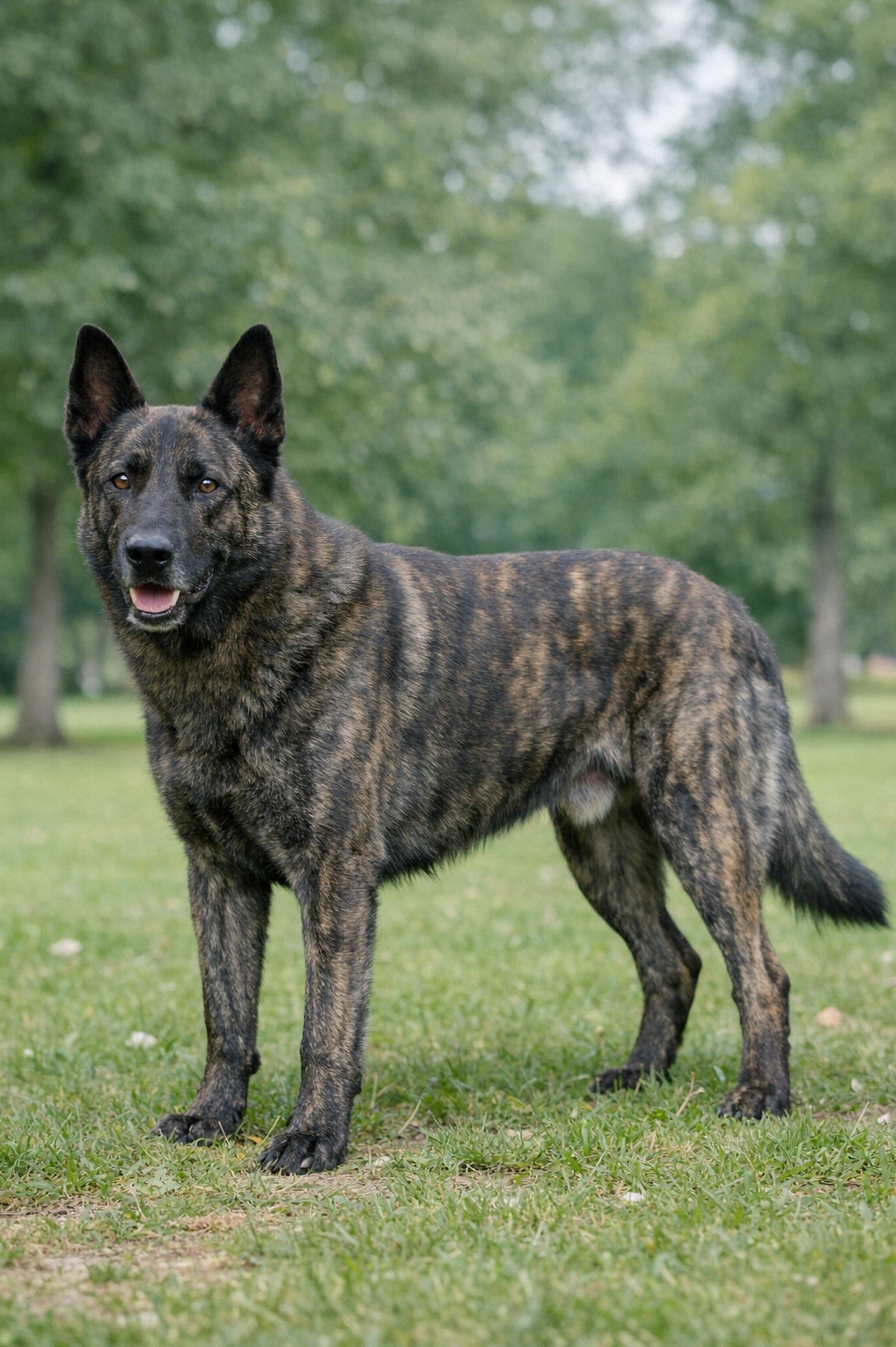
Medium-large Dutch Shepherd, about 21.5 to 24.5 inches tall and 42 to 75 pounds, is clever, spirited, and nimble. Nutritional verdict: needs a protein-rich, balanced diet to support high energy and lean muscle.
Understanding the Dutch Shepherd Metabolism and Energy Needs
Built from Netherlands herding stock, these dogs were raised to work long days driving livestock and staying alert to changing conditions. That history and a bright, high-energy personality mean diets need strong building blocks, especially quality animal protein to preserve lean muscle and support quick reflexes. Healthy fats provide sustained fuel and support brain function, while moderate, low-glycemic carbohydrates give steady energy without spikes.
Practical choices include meals centered on meat, eggs, and oily fish for both protein and EPA/DHA, paired with fiber-rich vegetables and whole grains for digestion. Add joint-support nutrients like glucosamine and chondroitin to protect active joints, and antioxidants to help recovery after exercise. This profile keeps an agile, eager dog fit, focused, and ready for both sport and daily life.
Managing Dutch Shepherd Genetic Health Risks Through Nutrition
Hip Dysplasia
Helpful nutrients
Thyroid Issues (especially in long-haired types)
Helpful nutrients
Goniodysplasia (eye drainage and glaucoma risk in rough-haired types)
Helpful nutrients
Dutch Shepherd Feeding & Calorie Calculator
Estimated Daily Calories
Tip: Start with this amount and adjust after 2–3 weeks based on your dog's body condition and weight trend.
This estimate provides a starting point for feeding. Individual calorie needs may vary depending on metabolism, body condition, and health status. Always monitor your dog's weight and consult your veterinarian when adjusting diet.
Foods and Ingredients to Avoid for Dutch Shepherd Dogs
Dutch Shepherds are active dogs that do best on balanced energy sources, but very high-fat foods and fatty table scraps can quickly push them into excess weight and raise the risk of pancreatitis.
Excess body fat also adds stress to joints and hips, a concern for a breed that should be screened for hip dysplasia.
Keep fats moderate and choose lean proteins, adjusting portions to match daily activity.
If you notice sudden weight gain or digestive upset, check with your veterinarian before increasing dietary fat.
Because Dutch Shepherds are medium-large and athletic, overfeeding puppies or feeding high-calorie growth formulas meant for giant breeds can encourage too-rapid bone growth.
Rapid growth and excess body weight during development increase the chance of joint problems including hip dysplasia, which breeders should screen for.
Feed puppy formulas designed for medium-large breeds and follow your vet or breeder guidance on portion sizes and feeding frequency to support steady, healthy growth.
Long-haired Dutch Shepherds can be more likely to experience thyroid issues, so diets heavy in soy or regular large portions of raw goitrogenic vegetables like kale and cabbage could interfere with thyroid function in susceptible dogs.
While these ingredients are not harmful for every dog, they can complicate thyroid testing and management for dogs already at risk.
If your dog has thyroid concerns, work with your veterinarian to choose a diet with consistent iodine levels and moderate soy content, and avoid feeding large amounts of raw cruciferous vegetables.
Some grain-free diets rely heavily on peas, lentils, or other legumes as main carbohydrate and protein sources, and research has linked certain formulations to nutritional heart concerns in some dogs.
An active breed like the Dutch Shepherd needs reliable sources of bioavailable amino acids and taurine, so be cautious with boutique formulas that swap traditional grains for large amounts of legumes.
Discuss diet choices with your veterinarian, and consider formulas that include high-quality meat proteins and balanced nutrients rather than large pulses as primary ingredients.
Dutch Shepherds can develop skin or digestive sensitivities like any breed, and artificial preservatives, colors, and flavors can sometimes trigger itching, blotchy skin, or stomach upset.
Keeping ingredients simple and avoiding BHA, BHT, and unnecessary artificial additives helps support a healthy coat and comfortable digestion.
Choose foods with natural preservation methods and whole-food ingredients when possible, and monitor your dog for any changes in skin or stool after switching diets.
Some common human foods are outright dangerous to dogs of any size, and for a 42 to 75 pound Dutch Shepherd even moderate amounts can be harmful.
Onions, garlic, chocolate, grapes, raisins, macadamia nuts, and products containing xylitol can cause anemia, kidney damage, seizures, or life-threatening drops in blood sugar.
Keep human treats out of reach and train family members to avoid sharing table scraps.
If your dog eats something toxic, contact your veterinarian or an emergency poison hotline right away.
How Nutritional Needs Change Throughout the Dutch Shepherd Life Stages
Dogs have different nutritional needs at puppyhood, adulthood, and senior years, and those needs shift as their bodies and lifestyles change. Breed growth rate, activity level, and common health tendencies all influence what and how much to feed. For a Dutch Shepherd, being a large, intelligent, and athletic breed means calories, protein, joint support, and targeted screening considerations are important at each life stage to keep them healthy and active.
| Life Stage | Age Range | Primary Objective | Key Nutrient Focus |
|---|---|---|---|
| Puppy | 0–15 months | controlled skeletal development, immune support, brain development | DHA, balanced calcium/phosphorus, high-quality protein |
| Adult | 1.5–6 years | lean muscle maintenance and sustained energy | high-quality protein, omega-3 fatty acids, fiber |
| Senior | 6+ years | joint mobility, metabolic health, and cognitive support | glucosamine, chondroitin, antioxidants, lower calories |
Dutch Shepherd puppies grow quickly into a large, athletic frame, so their early feeding should support steady, not rapid, growth to protect developing joints. Controlled calories and a balanced calcium to phosphorus ratio are important for skeletal development, along with high quality protein and essential fatty acids like DHA to support muscle and brain development.
Because they are lively and intelligent, Dutch Shepherd pups benefit from regular, measured meals, typically three to four times a day until about six months, then gradually moving to two meals. Breeders and owners should watch weight and avoid excessive calorie-dense extras, since the breed is screened for hip dysplasia and some coat types have additional testing needs.
As adults, Dutch Shepherds are athletic and need nutrition that supports lean muscle, stamina, and mental sharpness. Aim for a diet with high quality protein to maintain muscle mass, moderate fat for energy, and complex carbohydrates or fiber to steady blood sugar during long activity sessions. Omega fatty acids help skin and coat, especially with the breed’s double coat, and regular monitoring of body condition helps avoid excess weight that strains hips.
Lifestyle matters, active working dogs will need more calories than a couch companion, so adjust portions according to activity and use rewarded training snacks wisely. Because long-haired types can be prone to thyroid concerns, routine health checks and working with your vet on any dietary adjustments will help keep energy levels steady.
As Dutch Shepherds enter their senior years, metabolism often slows and mobility may become a concern, especially given the breed’s screening for hip dysplasia. Digestive efficiency can change too, so easily digestible proteins, added fiber, and probiotics can help nutrient absorption and regularity. Seniors benefit from joint-support nutrients such as glucosamine, chondroitin, and omega-3 fatty acids to support comfort and maintain activity.
Calorie needs may decline, so adjust portion sizes to prevent weight gain that stresses joints, while keeping protein sufficient to preserve muscle. Antioxidants like vitamin E and natural sources of polyphenols support cellular health and immunity, and regular vet checkups will guide adjustments for coat-specific health needs, including thyroid monitoring in long-haired types.
Kibble vs Fresh vs Raw for Dutch Shepherd
Different feeding models suit different lifestyles, energy needs, and health concerns. For an intelligent, athletic Dutch Shepherd, choose a diet that supports activity, joints, and coat condition.
Pros
- Convenient and easy to portion for active, busy owners.
- Formulas with joint supplements support hip health in larger, athletic dogs.
- Consistent nutrition helps maintain energy for working sessions and agility.
- Crunch can aid dental health by reducing plaque buildup.
Cons
- Lower moisture content may not suit dogs that drink less.
- Poor-quality formulas include fillers that add empty calories.
- Portion control is essential to avoid weight gain in less active periods.
- Some dogs find kibble less enticing than fresh meals.
Pros
- Highly palatable, great for picky or food-motivated dogs.
- High moisture aids hydration for active, working sessions.
- You can tailor protein and calories for activity and weight control.
- Easy to add joint, coat, or thyroid-support supplements if needed.
Cons
- More time consuming and often more expensive than kibble.
- Risk of nutritional imbalance without vet-approved recipes.
- Requires refrigeration and meal prep planning for busy schedules.
- May lack the dental benefit of crunchy kibble.
Pros
- High protein profiles support muscle mass for athletic activity.
- Some owners report shinier coats and higher energy levels.
- Minimal processing preserves natural nutrients and flavor.
- Can be portioned to match individual energy needs closely.
Cons
- Strict hygiene is essential to avoid bacterial infection risk.
- Whole bones can present choking or dental fracture hazards.
- Balancing calcium, phosphorus, and micronutrients is complex.
- Not ideal for households with young children or immunocompromised people.
| Diet Type | Pros for Dutch Shepherd | Potential Downsides |
|---|---|---|
| High-Quality Kibble |
|
|
| Fresh Cooked Food |
|
|
| Raw Diet (BARF) |
|
|
Our Recommendation
For many Dutch Shepherds, a high-quality kibble with joint and coat support offers a reliable, convenient foundation.
Fresh cooked food is excellent for picky dogs or those needing tailored calories, while raw diets can work for experienced owners who follow strict hygiene and veterinary guidance.
Always consult your veterinarian before major diet changes and monitor hips and thyroid as part of routine care.
See Also
Breeds with similar group, size, and coat characteristics