Best Dog Food for Czechoslovakian Vlciak in 2026Based on Nutritional Science
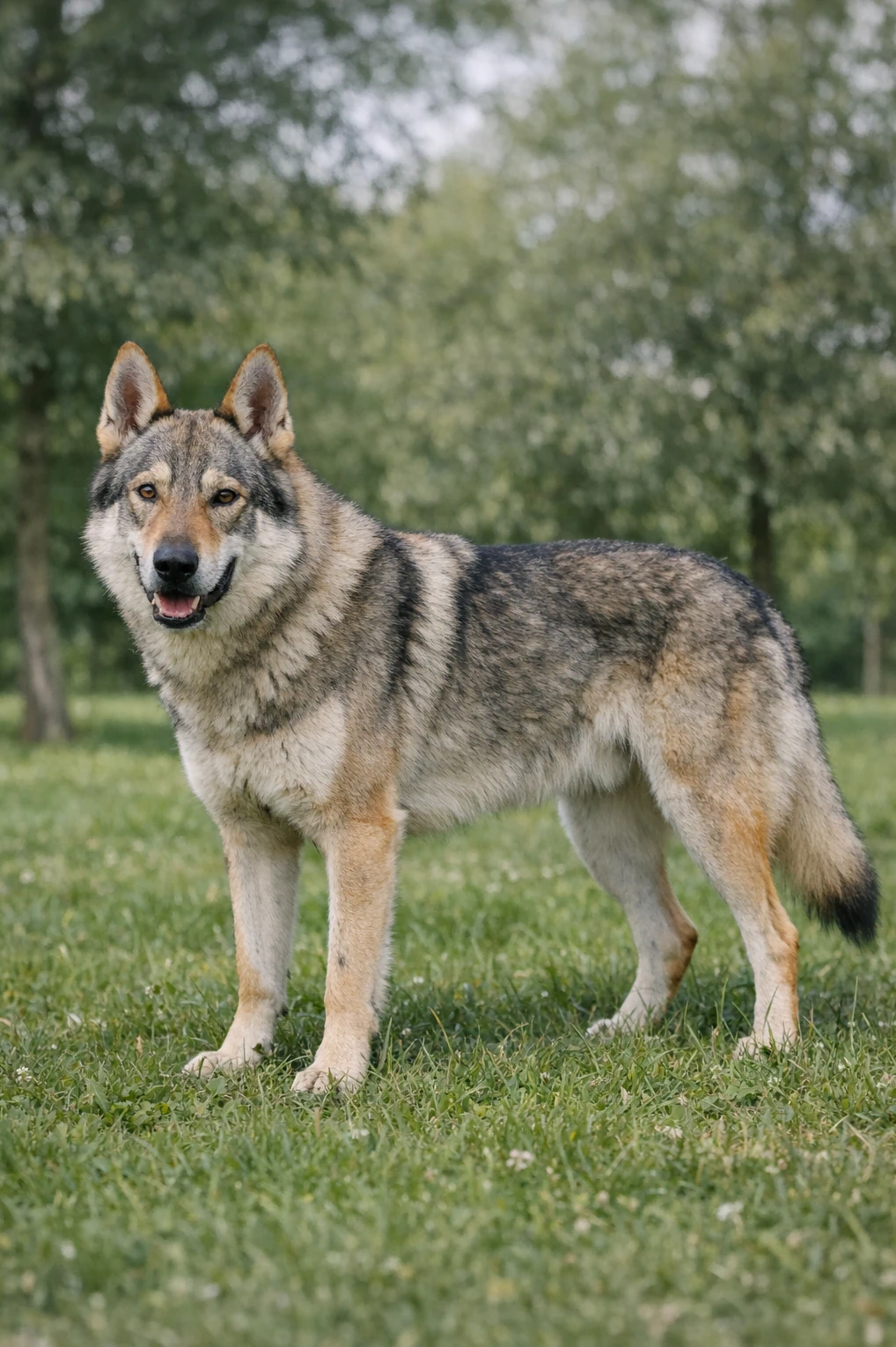
Large, wolf like dog about 23.5 to 25.5 inches tall, males about 57 pounds, females about 44 pounds. Devoted, quick-witted, and energetic.
Nutritional Verdict: needs a protein-rich diet to support muscle and stamina.
Understanding the Czechoslovakian Vlciak Metabolism and Energy Needs
This Central European wolf-dog descendant brings endurance, sharp problem solving, and devoted companionship all in one package. That mix means food should emphasize top-notch protein to preserve lean muscle, aid recovery after vigorous activity, and supply amino acids that support brain function. Rich, healthy fats are important too, offering long-lasting energy for sustained outings and helping keep skin and coat in good condition.
A practical guideline is a moderately higher protein level, about 28 to 32 percent on a dry matter basis, paired with moderate fat near 15 to 22 percent, and limited, slow-release carbohydrates to power training without blood sugar spikes. Include omega-3s for cognitive and coat benefits, joint supports like glucosamine for an active body, and B vitamins plus antioxidants to help energy, focus, and recovery stay strong.
Managing Czechoslovakian Vlciak Genetic Health Risks Through Nutrition
Line-specific hereditary conditions
Helpful nutrients
Digestive upset or sensitivities
Helpful nutrients
Nutritional imbalances from inconsistent diets
Helpful nutrients
Puppy growth and joint development
Helpful nutrients
Weight management and longevity
Helpful nutrients
Czechoslovakian Vlciak Feeding & Calorie Calculator
Estimated Daily Calories
Tip: Start with this amount and adjust after 2–3 weeks based on your dog's body condition and weight trend.
This estimate provides a starting point for feeding. Individual calorie needs may vary depending on metabolism, body condition, and health status. Always monitor your dog's weight and consult your veterinarian when adjusting diet.
Foods and Ingredients to Avoid for Czechoslovakian Vlciak Dogs
Cooked bones, like those from poultry or roasted leftovers, can splinter and cause choking, mouth injuries, or gastrointestinal blockages.
Even though Czechoslovakian Vlcaks are robust and enjoy chewing, cooked bones are never safe and should be avoided entirely.
If you choose to offer raw bones, pick large, raw marrow or recreational bones sized for a medium breed and supervise chewing.
Talk with your breeder or veterinarian about appropriate bone types for your dog's age and jaw strength.
High-fat human foods and rich table scraps can trigger pancreatitis and promote unwanted weight gain, which stresses joints and reduces stamina.
Czechoslovakian Vlcaks are active dogs and do best on balanced, lean protein diets rather than fatty handouts.
Keep treats low in fat and treat portions small, especially for adults and puppies.
If you notice vomiting, abdominal pain, or lethargy after rich foods, seek veterinary advice promptly.
Many grain-free kibbles rely heavily on peas, lentils, and other legumes as carbohydrate and protein fillers.
Diets very high in legumes have been linked to heart concerns in some dogs, likely due to interactions with taurine and nutrient balance, so caution is wise for this breed.
If you prefer grain-free options, choose formulas with clear animal protein sources and discuss taurine levels with your veterinarian, especially if your dog has any family history of heart issues.
Too much calcium or inappropriate growth supplements can cause skeletal and joint problems in growing dogs, even in medium breeds like the Czechoslovakian Vlciak.
Puppies need a balanced supply of minerals calibrated to their growth rate, not extra doses from unregulated supplements.
Work closely with your breeder and veterinarian to choose a puppy food formulated for medium breeds and avoid adding calcium tablets or adult-formula feeds.
Proper weight management during growth is also essential for healthy joints.
Ingredients such as BHA, BHT, ethoxyquin, and artificial colors can sometimes trigger skin sensitivities or digestive upset in dogs with sensitive lines.
Since Czechoslovakian Vlcaks can vary by genetic line, avoiding these additives helps reduce the chance of reactions and supports a healthy coat and skin.
Look for foods preserved with natural antioxidants like mixed tocopherols, and monitor your dog after diet changes for any itchiness or tummy troubles.
Common human foods like onions, garlic, chocolate, grapes, raisins, and anything containing xylitol are toxic to dogs and should be strictly off-limits.
Even small amounts can cause anemia, vomiting, low blood sugar, or more serious organ damage, and temptation at the table makes accidental ingestion a real risk for sociable breeds.
Store these items securely and teach family members not to share human treats. If ingestion occurs, contact your veterinarian or an emergency clinic right away.
How Nutritional Needs Change Throughout the Czechoslovakian Vlciak Life Stages
Dogs need different nutrition at puppyhood, adulthood, and senior years, and the Czechoslovakian Vlciak is no exception. Growth rate, activity level, and breed health tendencies shape what they need at each life stage. Large, active breeds like the Vlciak require careful portioning and nutrient focus as they grow, maintain fitness in adulthood, and get extra joint and digestive support as seniors.
| Life Stage | Age Range | Primary Objective | Key Nutrient Focus |
|---|---|---|---|
| Puppy | 0–15 months | controlled skeletal development, immune support, brain development | DHA, balanced calcium/phosphorus, high-quality protein |
| Adult | 1.5–6 years | lean muscle maintenance and sustained energy | high-quality protein, omega-3 fatty acids, fiber |
| Senior | 6+ years | joint mobility, metabolic health, and cognitive support | glucosamine, chondroitin, antioxidants, lower calories |
Czechoslovakian Vlciak puppies grow quickly but on a large breed timetable, so steady, moderate weight gain supports healthy bone and joint development. Controlled calories and protein levels help avoid excessive growth spurts that strain developing skeletons, while regular, smaller meals across the day keep energy steady and reduce the risk of bloat in deep-chested large breeds.
Focus on high quality, digestible protein, balanced calcium and phosphorus ratios, omega-3 fatty acids for inflammation control, and vitamins that support immune development. Given the Vlciak is active and intelligent, ensure adequate fat for energy and antioxidants for overall health, and check with the breeder about any line-specific conditions so you can tailor feeding amounts and supplements appropriately.
Adult Czechoslovakian Vlciaks are athletic and need nutrition that supports lean muscle and sustained energy for regular activity. Provide quality animal-based protein to maintain muscle mass, while moderate fats supply concentrated energy for active dogs without excess calories that lead to weight gain. Include moderate amounts of joint-friendly nutrients like glucosamine if your dog works hard or has a family history of joint issues.
Carbohydrates from whole grains or vegetables can top up energy, and fiber helps digestion and stool quality. Match feeding amounts and frequency to activity level, increasing on days with long runs or work, and consult your breeder or vet about any line-specific sensitivities so you can fine-tune protein sources and portion sizes. Regular exercise and mental engagement help prevent obesity and complement a balanced diet, especially in an intelligent breed that thrives on activity.
As Czechoslovakian Vlciaks enter their senior years, metabolic rate often slows and mobility may decline, especially in large breeds. Reduced activity can mean fewer calories are needed, while preserving lean muscle with high-quality, easily digestible protein remains important to support strength and daily function.
Focus on joint support from omega-3s, glucosamine and chondroitin, plus antioxidants to reduce inflammation and protect cells, and consider higher fiber or wet food for dogs with digestion or dental changes. Monitor weight and stool, adjust portions and feeding frequency to suit appetite, and consult your vet and breeder about any hereditary concerns before adding supplements.
Kibble vs Fresh vs Raw for Czechoslovakian Vlciak
Different feeding models suit different lifestyles and activity levels. For an active, intelligent breed like the Czechoslovakian Vlciak, choose a diet that supports muscle, joints, and steady energy.
Pros
- Convenient and easy to portion for owners with active routines.
- Formulas with glucosamine help support large-breed joint health.
- Consistent nutrition helps maintain healthy weight and muscle mass.
- Dental-friendly kibble can reduce tartar buildup between brushings.
Cons
- Lower moisture content may require added water for hydration.
- Some formulas contain fillers that add unnecessary calories.
- Active dogs may need higher-protein or performance formulas.
- Quality varies, so label reading is important for balanced nutrition.
Pros
- Highly palatable for picky or performance-minded Vlciaks.
- High moisture content supports digestion and hydration after activity.
- You control ingredients to prioritize lean protein and joint support.
- Easier to adjust calories for growth, training, or active periods.
Cons
- Requires careful recipe balancing to avoid vitamin and mineral gaps.
- More time-consuming and often costlier than kibble.
- Improper calcium in large-breed pups can harm bone development.
- Needs refrigeration and planning for training or travel days.
Pros
- High protein and fat profiles suit very active dogs.
- Some owners report improved coat condition and higher energy.
- Minimally processed ingredients may preserve natural nutrients.
- Can be tailored precisely for individual activity and weight needs.
Cons
- Higher bacterial risk demands strict hygiene and safe sourcing.
- Bone hazards and improper balance can threaten large-breed pups.
- Requires careful planning and veterinary input to balance nutrients.
- May be impractical for owners who travel or have busy schedules.
| Diet Type | Pros for Czechoslovakian Vlciak | Potential Downsides |
|---|---|---|
| High-Quality Kibble |
|
|
| Fresh Cooked Food |
|
|
| Raw Diet (BARF) |
|
|
Our Recommendation
Many Czechoslovakian Vlciaks do well on high-quality, large-breed or performance kibble for balanced nutrition and convenience.
Fresh cooked or carefully formulated raw diets can also work for highly active dogs, but they need diligent balancing and veterinary guidance.
See Also
Breeds with similar group, size, and coat characteristics