Best Dog Food for Portuguese Podengo in 2026Based on Nutritional Science
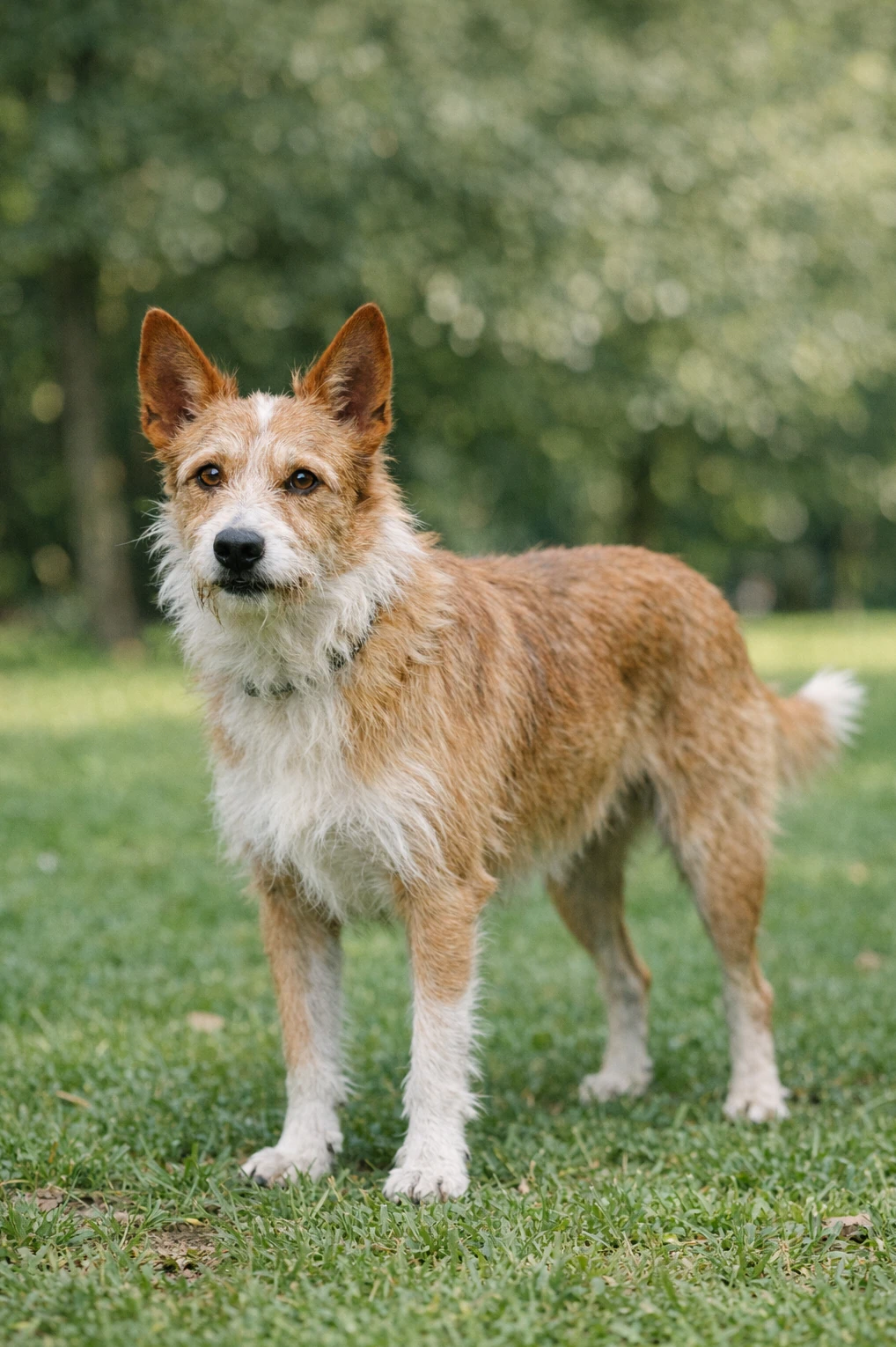
Portuguese Podengo: medium 16–22 in, 35–44 lb; large 22–28 in, 44–66 lb. Energetic, self-reliant and quick-witted companions. Nutritional verdict: high-quality protein recommended. Include balanced fats and carbs for stamina and measured portions daily.
Understanding the Portuguese Podengo Metabolism and Energy Needs
As a small hunting companion raised to chase quarry across varied terrain, this dog is vigilant, self-reliant, and quick-witted. Those qualities create a physique built for sudden bursts of speed and a mind that needs stimulation, so food must fuel both activity and mental focus.
A relatively protein-rich mix helps sustain lean muscle used in sprinting and jumping, while moderate healthy fats provide steady energy and support a shiny coat and skin. Limited, slow-release carbohydrates from whole vegetables and grains offer lasting fuel without promoting extra pounds, and fiber keeps digestion steady. Omega fatty acids and joint-support nutrients like glucosamine help preserve mobility and cognitive sharpness as the dog stays active.
Portioning to keep a lean silhouette, timing meals around exercise, and using nutrient-dense treats for training will help this athletic, self-reliant companion stay happy and fit.
Managing Portuguese Podengo Genetic Health Risks Through Nutrition
Portuguese Podengo Feeding & Calorie Calculator
Estimated Daily Calories
Tip: Start with this amount and adjust after 2–3 weeks based on your dog's body condition and weight trend.
This estimate provides a starting point for feeding. Individual calorie needs may vary depending on metabolism, body condition, and health status. Always monitor your dog's weight and consult your veterinarian when adjusting diet.
Foods and Ingredients to Avoid for Portuguese Podengo Dogs
Portuguese Podengos are athletic and lean dogs, so feeding high-fat foods or frequent fatty table scraps can quickly lead to unwanted weight gain and digestive upset.
Excess dietary fat also increases the risk of pancreatitis, a painful inflammation that can require emergency care and is particularly risky for medium to large dogs.
Stick to measured, lean protein and controlled fat levels to support their energy needs without overloading their digestive system.
Diets that rely heavily on peas, lentils, chickpeas, or other pulses in place of traditional grains have been linked to heart concerns in some dogs, and medium to large breeds like the Portuguese Podengo may be especially vulnerable.
When legumes are one of the primary ingredients, they can unbalance nutrient ratios important for heart health.
Choose balanced formulas backed by research and veterinary guidance rather than boutique grain-free recipes dominated by pulses.
Foods high in fermentable carbohydrates, whole beans, or large amounts of soy can produce excessive gas and slow digestion, which increases the chance of bloating and stomach discomfort in a deep-chested, active breed.
Bloating can progress to gastric dilatation-volvulus in some medium and large dogs, a serious emergency.
Prefer easily digestible carbohydrates in moderate amounts and divide daily food into two or more meals to reduce bloating risk.
Some Portuguese Podengos show sensitive digestion or skin flare-ups, so avoiding artificial preservatives like BHA, BHT, and ethoxyquin, along with synthetic dyes, is a sensible precaution.
These additives can contribute to allergic reactions, itchy skin, or gastrointestinal upset in sensitive dogs.
Opt for diets preserved with natural tocopherols or other gentle methods and monitor your dog for any changes after switching foods.
Human snacks and highly seasoned foods often contain elevated salt, which is unnecessary and potentially harmful for dogs of this size.
Excess sodium can worsen hypertension, cause excessive thirst, and lead to digestive distress, especially in dogs that may be less active than their ideal.
Keep treats simple and low in salt, and avoid feeding processed or cured meats that concentrate sodium and other additives.
Onions, garlic, chives, and similar ingredients can damage red blood cells and lead to anemia even in moderate quantities for medium to large dogs, while the artificial sweetener xylitol causes a rapid insulin spike and dangerous hypoglycemia.
Both types of ingredients are common in household foods and some commercial treats, so it is important to read labels carefully.
Keep all allium-containing foods and any xylitol-sweetened products completely out of reach.
How Nutritional Needs Change Throughout the Portuguese Podengo Life Stages
Dogs' nutritional needs shift as they move from playful puppyhood into steady adulthood and later into senior years. Breed growth rate, activity level, and common health tendencies all influence what and how much food is best at each stage. For Portuguese Podengos these factors matter because they are athletic, lean, and often grow quickly into a larger frame.
| Life Stage | Age Range | Primary Objective | Key Nutrient Focus |
|---|---|---|---|
| Puppy | 0–15 months | controlled skeletal development, immune support, brain development | DHA, balanced calcium/phosphorus, high-quality protein |
| Adult | 1.5–6 years | lean muscle maintenance and sustained energy | high-quality protein, omega-3 fatty acids, fiber |
| Senior | 6+ years | joint mobility, metabolic health, and cognitive support | glucosamine, chondroitin, antioxidants, lower calories |
Portuguese Podengo puppies grow into a long, athletic frame and often show rapid, lean growth through their first 12 to 18 months. Because they reach a large size, gently controlled calorie intake helps avoid unnaturally fast growth that can stress developing bones and joints. Feed smaller, frequent meals early on, such as three to four times daily, and limit intense, repetitive impact exercise while the skeleton is maturing.
Focus on high quality protein to support muscle development and essential fats including DHA for brain and eye health, while keeping calcium and phosphorus balanced for healthy bone formation. Large-breed puppy formulas or a veterinarian's feeding plan can help manage steady growth, and regular weight checks let you adjust portions so the puppy grows at a healthy, controlled pace.
As adults, Portuguese Podengos need nutrition that maintains their lean musculature and supports their alert, energetic nature without adding excess weight. Aim for a balanced diet with quality animal protein to preserve muscle, moderate fat for sustained energy, and portion sizes that match daily activity, which can range from active running to steady walks depending on the dog's routine.
Include digestible carbohydrates and fiber for steady energy and gut health, and check body condition regularly so you can tweak calories or meal frequency. Very active dogs or those used in field work may need slightly more calories and higher fat, while more relaxed pets do better on maintenance diets that prevent weight gain.
As a Portuguese Podengo ages, metabolism often slows, digestion can become less efficient, and mobility may decline, especially in larger individuals. Calorie needs commonly decrease, so modestly reducing calories while keeping protein levels high helps preserve muscle without promoting weight gain. Gentle, low-impact exercise such as walking or swimming supports joint health and keeps the dog active.
Support joints with omega-3 fatty acids and consider joint supplements like glucosamine and chondroitin after consulting your veterinarian, along with antioxidants such as vitamins E and C to support healthy aging. Choose more digestible proteins, add fiber for improved digestion if needed, and monitor weight and dental health so you can fine tune portion sizes and food texture for comfort and wellbeing.
Kibble vs Fresh vs Raw for Portuguese Podengo
Portuguese Podengos have varied sizes, alert temperaments, and active lifestyles, so feeding needs often depend on your dog’s routine and energy level.
Different feeding models suit different owners, budgets, and health priorities.
Pros
- Convenient and easy to portion for busy owners.
- Formulations can match energy needs for active Podengos.
- Crunchy texture can help reduce mild tartar build-up.
- Shelf-stable and easy to feed on a regular schedule.
Cons
- Lower moisture content may not suit dogs that drink less.
- Some formulas include fillers that offer little nutritional value.
- May not entice very picky or independent eaters.
- Calorie-dense options risk weight gain without proper portion control.
Pros
- Highly palatable, great for picky or selective eaters.
- High moisture supports hydration and healthy digestion.
- You control ingredient quality, useful for sensitivities.
- Easily tailored for an active, lean-muscle maintenance plan.
Cons
- Requires careful planning to ensure full nutritional balance.
- More time-consuming and often costlier than kibble.
- Needs refrigeration and meal prep for safety.
- Improper recipes can lead to nutrient gaps over time.
Pros
- High protein profile suits active, athletic Podengos.
- Some owners report shinier coat and improved energy.
- Minimally processed ingredients preserve natural nutrients.
- Mimics prey-based feeding instincts for hunting breeds.
Cons
- Requires strict hygiene to avoid bacterial risks.
- Whole bones can pose choking or dental hazards.
- Balancing vitamins and minerals needs veterinary guidance.
- Can be costly and less convenient for daily feeding.
| Diet Type | Pros for Portuguese Podengo | Potential Downsides |
|---|---|---|
| High-Quality Kibble |
|
|
| Fresh Cooked Food |
|
|
| Raw Diet (BARF) |
|
|
Our Recommendation
For many Portuguese Podengos, high-quality kibble offers convenient, balanced nutrition that fits active routines.
Fresh-cooked or carefully planned raw diets can benefit picky or very active dogs, but they need extra time, cost, and veterinary oversight.
See Also
Breeds with similar group, size, and coat characteristics