Best Dog Food for Japanese Akitainu in 2026Based on Nutritional Science
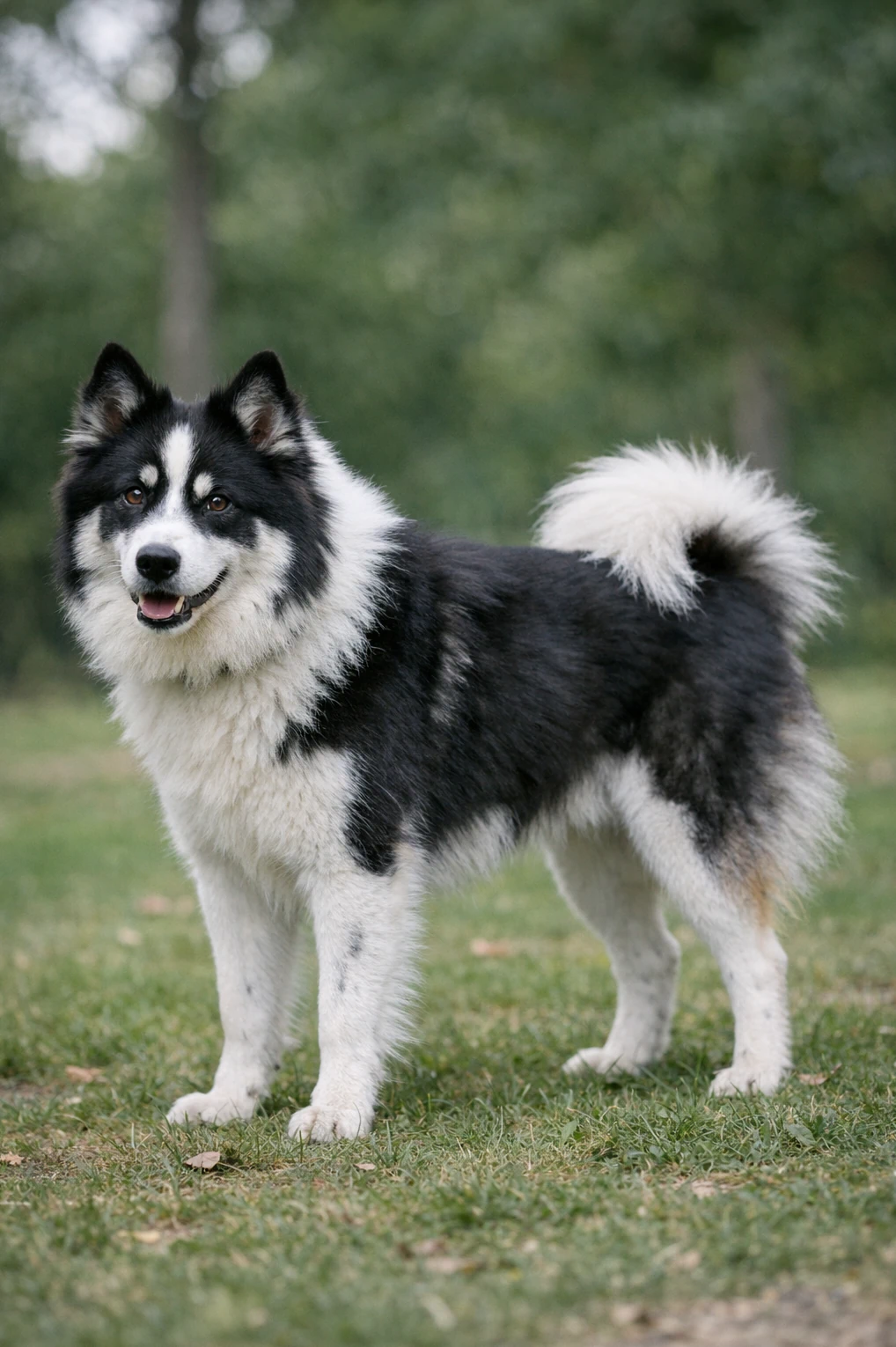
Male Japanese Akitainu stands about 25 to 27.5 inches and weighs 65 to 75 pounds, showing a regal, watchful, and somewhat reserved nature. Nutritional Verdict: balanced, protein-rich diet with portion control and joint support.
Understanding the Japanese Akitainu Metabolism and Energy Needs
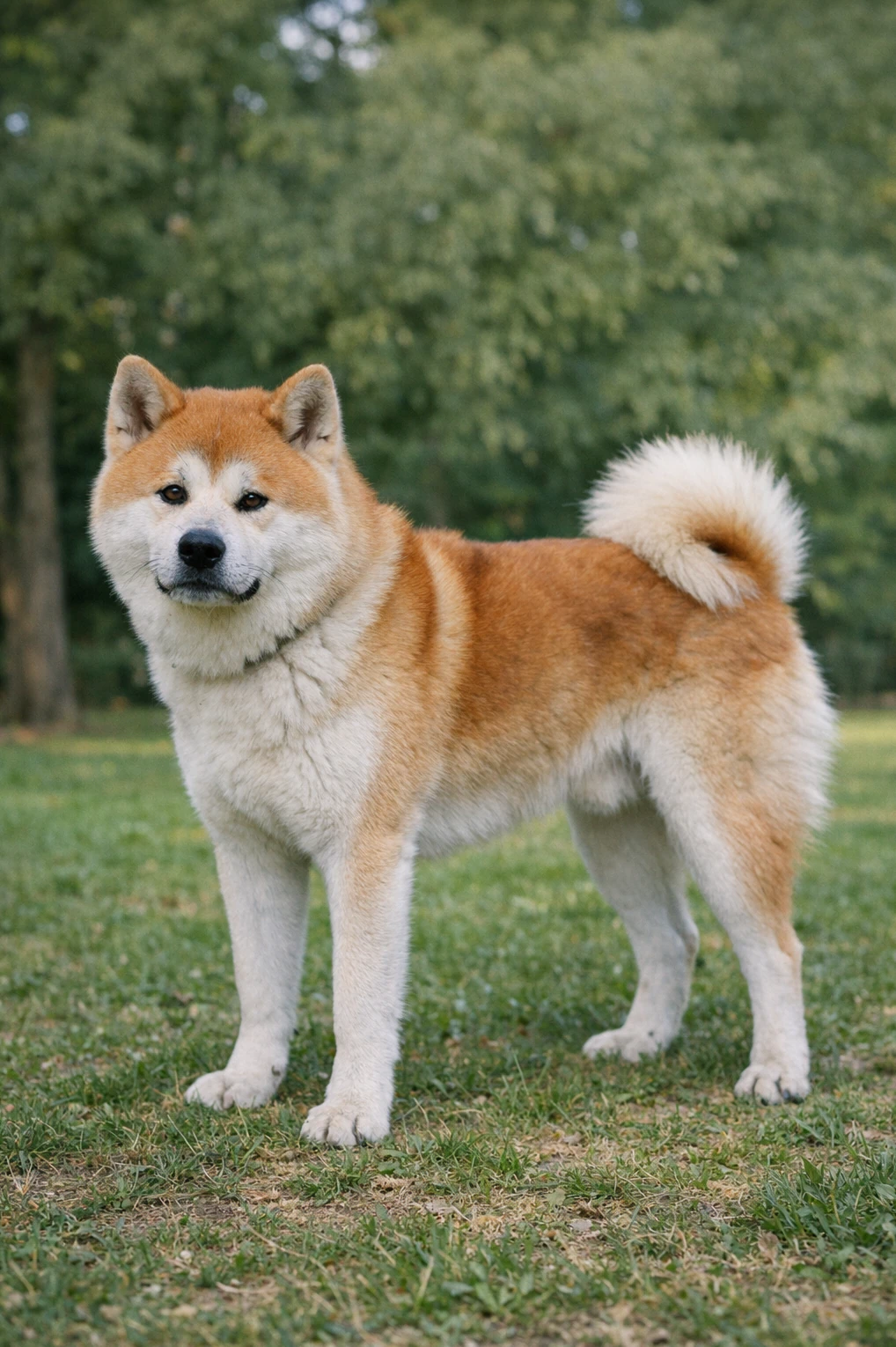
Originating in Japan as a mountain hunting companion, this type tends to be proud, watchful, and naturally independent. Those traits and a compact, muscular frame mean diets should focus on high quality protein to preserve lean mass and support quick bursts of activity. Real meat sources like chicken, salmon, or lamb help maintain muscle and provide amino acids needed for recovery after short, intense exercise sessions.
Moderate healthy fats give concentrated energy and help keep the coat glossy, so include fish oil or flaxseed for omega-3s. Complex carbohydrates such as sweet potato or brown rice offer steady fuel without spikes. Joint supplements like glucosamine and chondroitin pair well with antioxidant-rich ingredients and B vitamins to support joint health and mental clarity, matching this dog’s active, thoughtful nature.
Managing Japanese Akitainu Genetic Health Risks Through Nutrition
Autoimmune skin and ocular disorders (sebaceous adenitis, pemphigus, discoid lupus, uveodermatologic syndrome)
Helpful nutrients
Food and environmental allergies
Helpful nutrients
Amelogenesis imperfecta / enamel hypoplasia (dental enamel issues)
Helpful nutrients
Hip problems (hip dysplasia risk)
Helpful nutrients
Eye issues (general ocular health and uveodermatologic concerns)
Helpful nutrients
Patellar problems (luxation)
Helpful nutrients
Thyroid dysfunction
Helpful nutrients
Japanese Akitainu Feeding & Calorie Calculator
Estimated Daily Calories
Tip: Start with this amount and adjust after 2–3 weeks based on your dog's body condition and weight trend.
This estimate provides a starting point for feeding. Individual calorie needs may vary depending on metabolism, body condition, and health status. Always monitor your dog's weight and consult your veterinarian when adjusting diet.
Foods and Ingredients to Avoid for Japanese Akitainu Dogs
Given the Japanese Akitainu's size and predisposition to joint and mobility issues, high-fat foods and fatty table scraps can contribute to rapid weight gain.
Extra weight increases stress on hips, patella, and spine, which this breed is screened for.
Fatty meals also raise the risk of pancreatitis in some dogs, so keep dietary fat moderate and from high-quality sources.
Lean proteins and controlled treats are a safer option.
Japanese Akitainu are prone to food allergies and intolerances, so common triggers like beef, dairy, and wheat are worth avoiding until you know your dog's sensitivities.
Allergic reactions can worsen skin and eye conditions that this breed already sees.
Feeding novel proteins and limited-ingredient diets during elimination trials can help identify culprits without flaring autoimmune issues.
Always introduce new proteins slowly and under veterinary guidance, especially if your dog has a history of reactions.
Because autoimmune and skin conditions are seen in the breed, avoiding artificial colors, flavors, and preservatives is a practical choice to reduce potential triggers.
Dogs with sensitive skin or immune tendencies can react to unnecessary additives.
Ingredients like BHA, BHT, and ethoxyquin have been linked to tummy upset and can aggravate sensitivities in some dogs.
Pick foods that use natural preservation methods and clear ingredient lists to keep your Akitainu comfortable.
Many boutique and grain-free diets use peas, lentils, and chickpeas as major carbohydrate and protein fillers.
For a large breed like the Japanese Akitainu, diets heavy in legumes have been associated with nutritional imbalances, including concerns around taurine and heart health in some studies.
If you choose a legume-rich formula, discuss it with your veterinarian, monitor heart and energy levels, and consider regular bloodwork to make sure your dog's diet meets breed-specific needs.
Rotating proteins and using balanced recipes helps avoid long-term deficiencies.
Large-breed puppies need carefully balanced calcium and phosphorus, so avoid homemade formulas or supplements that add excess calcium.
Too much calcium during growth can harm bone and joint development, worsening hip and patella risks that are relevant for this breed.
Also be cautious with very hard raw bones and heavy chews if your dog has amelogenesis imperfecta or enamel hypoplasia, as these conditions weaken enamel and increase the chance of cracked teeth.
Choose softer dental options and consult your vet before offering bones.
Because the breed is recommended for thyroid screening, avoid feeding excessive iodine sources like kelp and seaweed, or large amounts of soy which can act as goitrogens.
Sudden boosts in iodine or heavy soy exposure may interfere with thyroid function in sensitive dogs.
If you use supplements or treats with seaweed or soy, run them by your veterinarian and consider periodic thyroid testing.
Keeping these ingredients controlled helps prevent adding stress to an organ prone to issues in Akitainu lines.
How Nutritional Needs Change Throughout the Japanese Akitainu Life Stages
Dogs have different nutritional requirements as they move from puppyhood to adulthood and into their senior years, and Japanese Akitainu are no exception. Their large size, dignified nature and activity pattern, plus breed-specific growth rate and health tendencies such as autoimmune conditions and enamel issues, influence protein, calorie, mineral and supplement choices. Tailoring diet by life stage helps support bone growth, immune function and long-term mobility.
| Life Stage | Age Range | Primary Objective | Key Nutrient Focus |
|---|---|---|---|
| Puppy | 0–15 months | controlled skeletal development, immune support, brain development | DHA, balanced calcium/phosphorus, high-quality protein |
| Adult | 1.5–6 years | lean muscle maintenance and sustained energy | high-quality protein, omega-3 fatty acids, fiber |
| Senior | 6+ years | joint mobility, metabolic health, and cognitive support | glucosamine, chondroitin, antioxidants, lower calories |
As a large breed, an Akitainu puppy grows rapidly but needs controlled, steady development to protect bones and joints. Most Akitas continue growing until about 12 to 18 months, so avoid calorie excess and rapid weight gain which can stress the developing skeleton and increase risk of hip or elbow problems. Large-breed puppy formulas with balanced calcium and phosphorus support proper mineralization and reduce orthopedic risk.
Feed small, frequent meals three times a day when very young, then reduce to two as they mature to steady energy and aid digestion. Prioritize high quality animal protein, DHA for brain and vision, and moderate fat, and watch ingredients if your puppy shows food sensitivities or has a family history of autoimmune or skin problems. Softer or moistened kibble can help pups with enamel or dental issues, and schedule hip, eye and thyroid screenings per the breed club recommendation.
Adult Akitas need balanced nutrition to maintain lean muscle, steady energy and their dignified bearing. Aim for high quality animal protein to preserve muscle, along with moderate fat for fuel, and adjust calories to match each dog's activity level, since Akitas can be calm at home but energetic in bursts. Feeding twice a day helps regulate energy and body condition, and be mindful of portion control to prevent weight gain which increases joint strain.
Given the breed's predisposition toward autoimmune and skin conditions, include omega-3 fatty acids, vitamin E and other antioxidants to support skin and immune health. Maintain regular monitoring of weight, body condition and thyroid function, and discuss joint supplements if your dog is very active or has early hip concerns identified by screening.
As Akitas age, metabolism slows and activity typically decreases, so calorie needs often drop while the need to preserve muscle increases. Senior dogs may develop stiffer joints and more sensitive digestion, and dental issues such as enamel problems can make chewing harder, so consider softer textures or moistened food. Keep protein high quality to maintain lean mass, while modestly reducing calories to avoid weight gain and added joint stress.
Support joints with omega-3s and glucosamine/chondroitin, and add antioxidants like vitamin E to help immune and skin health given the breed's autoimmune tendencies. Increased soluble fiber and digestive enzymes or probiotics can ease digestion, and ongoing thyroid, hip and eye checks remain important. Work with your vet to fine tune calorie and supplement choices so your senior Akita stays comfortable and active for as long as possible.
Kibble vs Fresh vs Raw for Japanese Akitainu
Different feeding models suit different lifestyles and health needs, so there is no single perfect choice.
For the Japanese Akita Inu, size, coat care, dental sensitivity, and autoimmune tendencies should guide your decision.
Pros
- Convenient and easy to portion for busy owners.
- Consistent, balanced nutrition with each measured serving.
- Some formulas include omega fatty acids for a healthy double coat.
- Dry texture can help reduce tartar buildup on teeth.
Cons
- Some brands use fillers that may trigger food sensitivities.
- Lower moisture content may not suit dogs with dry skin.
- Quality varies widely, read labels and choose reputable formulas.
- Very hard kibble may bother dogs with enamel or dental issues.
Pros
- Highly palatable, usually welcome by picky or dignified eaters.
- Easier to exclude specific ingredients for allergy-prone dogs.
- High moisture supports digestion and skin hydration.
- You control ingredient quality and protein sources.
Cons
- Costs more and requires regular meal planning.
- Needs careful balancing or vet guidance for complete nutrition.
- Preparation and refrigeration add time to daily routines.
- Accidental exposure to allergens can worsen autoimmune symptoms.
Pros
- Some owners report shinier coats and higher energy levels.
- Less processing preserves natural proteins and fats.
- Can be tailored to novel proteins for allergy management.
- May support lean muscle mass in active dogs.
Cons
- Higher risk of bacterial contamination without strict hygiene.
- Raw bones can damage teeth, risky with enamel issues.
- May trigger immune reactions in dogs prone to autoimmune disease.
- Requires veterinary input to ensure balanced nutrient ratios.
| Diet Type | Pros for Japanese Akitainu | Potential Downsides |
|---|---|---|
| High-Quality Kibble |
|
|
| Fresh Cooked Food |
|
|
| Raw Diet (BARF) |
|
|
Our Recommendation
For most Japanese Akita Inus, a high-quality, limited-ingredient kibble or carefully planned fresh cooked diet tends to work best.
Raw diets carry more risk for this breed, especially given autoimmune and dental concerns, so discuss options with your veterinarian.
See Also
Breeds with similar group, size, and coat characteristics