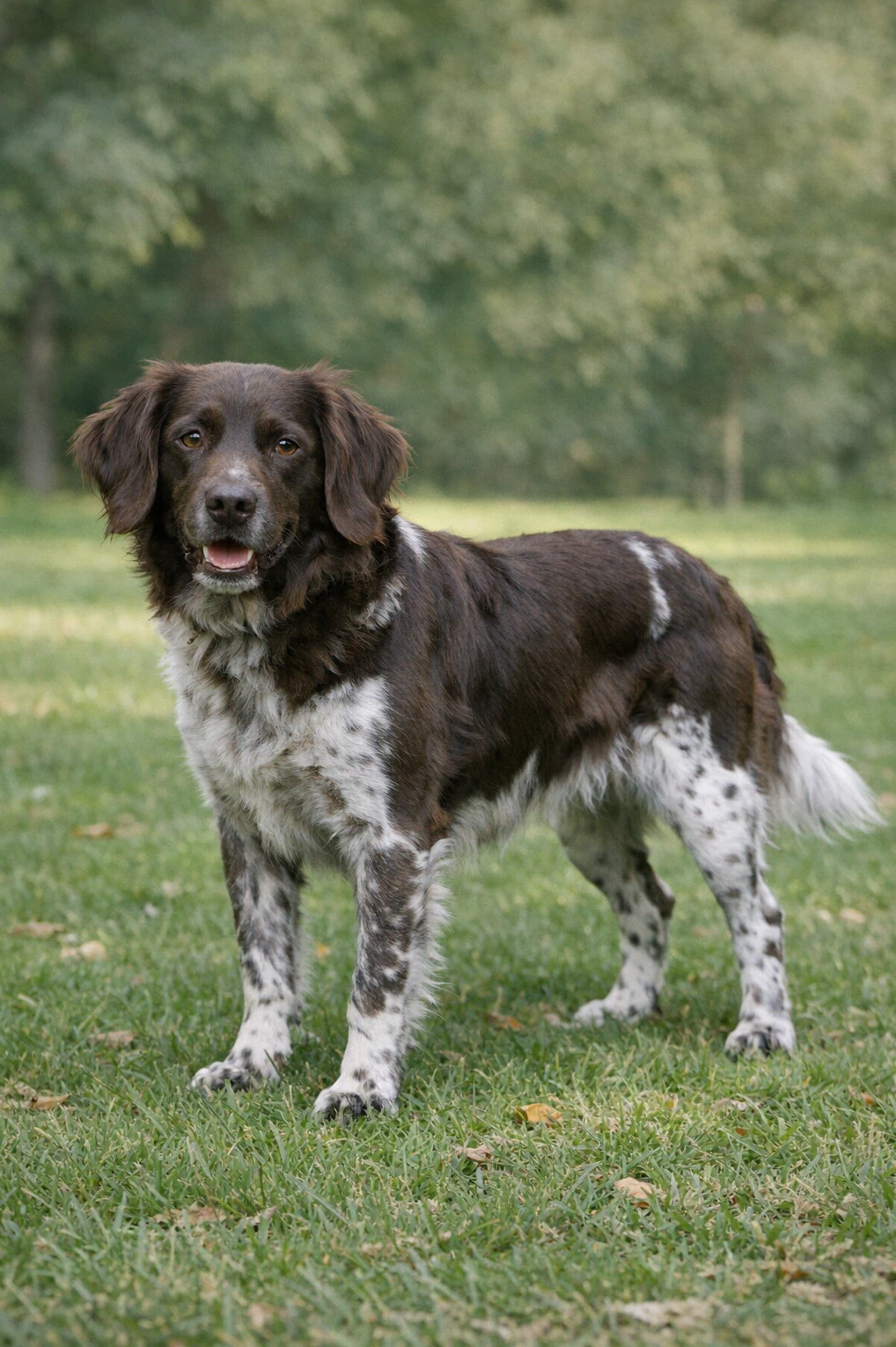
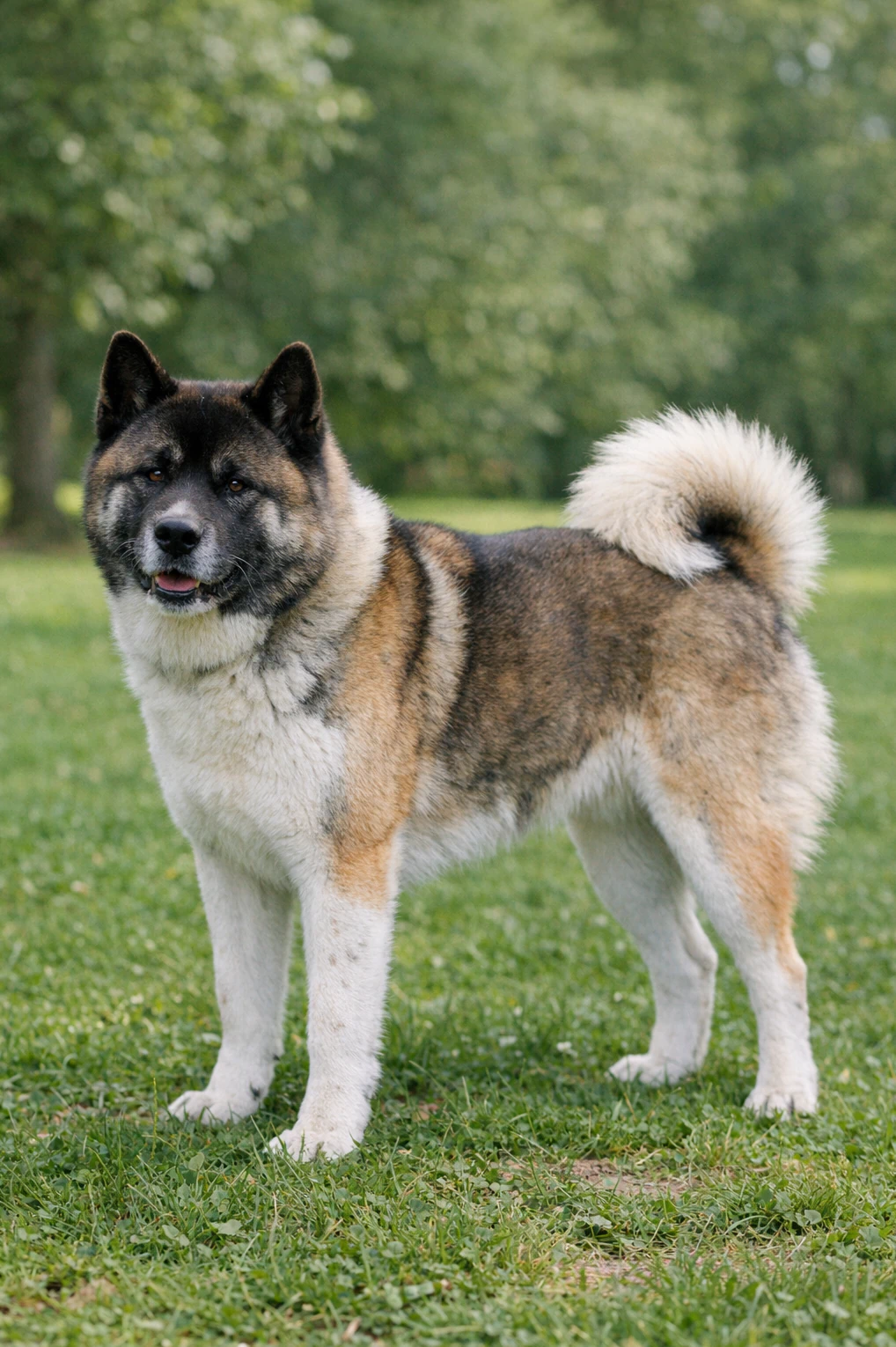
Best Dog Food for Pyrenean Mastiff in 2026Based on Nutritional Science
Large, dignified Pyrenean Mastiff males stand about 30 to 31 inches and weigh 120 to 190 pounds. Calm and courageous by nature. Nutritional Verdict: hearty, joint-supporting diet with balanced calories and large-breed kibble.
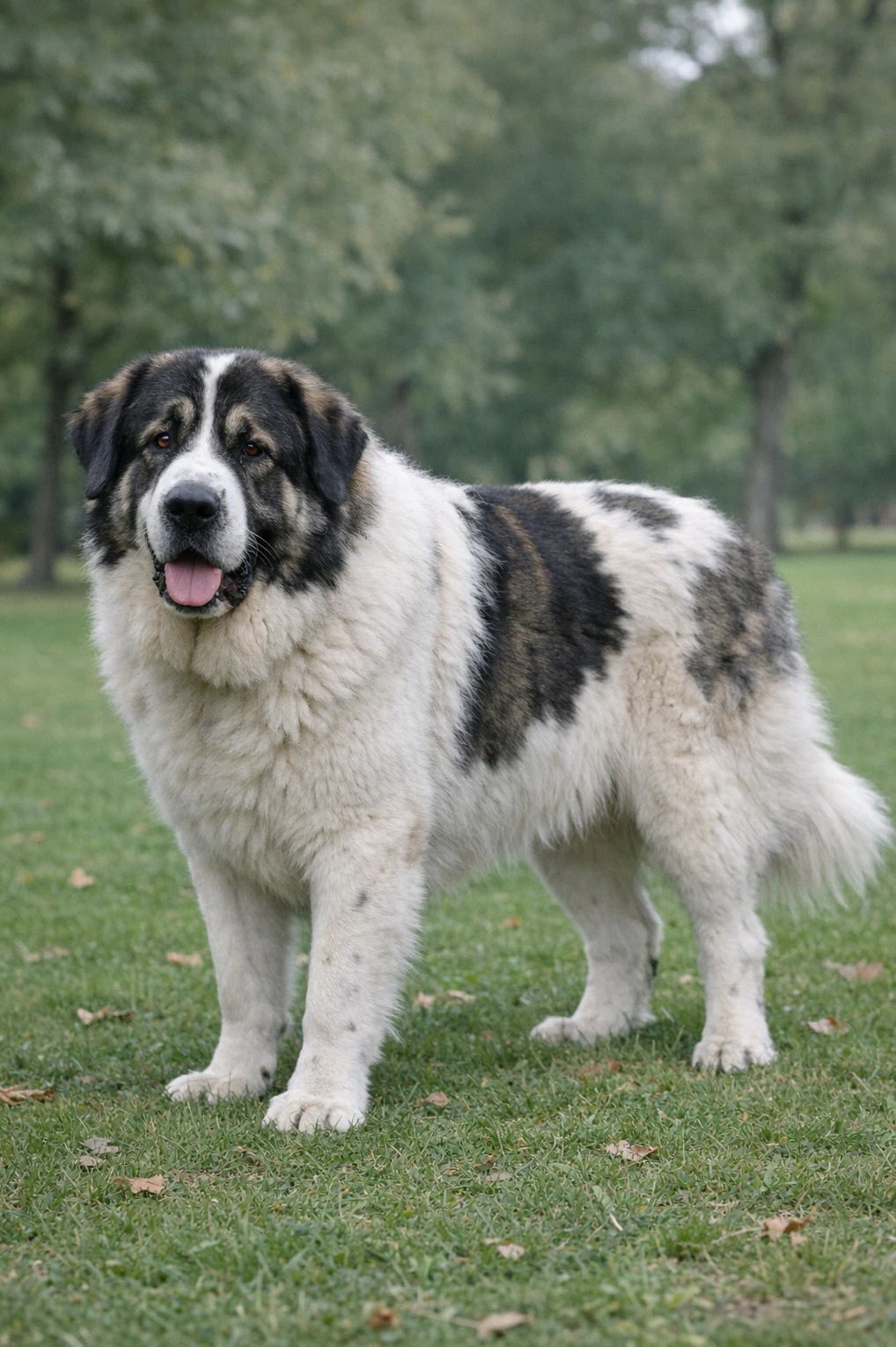
Understanding the Pyrenean Mastiff Metabolism and Energy Needs
As a large mountain guardian bred to protect flocks, this dog carries a heavy frame and steady endurance, which shapes its daily fuel needs. Rich, easily digestible protein is essential to maintain firm muscle and preserve strength without adding unnecessary weight.
Aim for roughly 24 to 28 percent protein on a dry matter basis to support maintenance and repair. Healthy fats provide concentrated energy and help keep the thick coat insulating and the brain alert, so a moderate fat level around 12 to 18 percent works well.
Complex carbohydrates and fiber give steady calories and digestive balance, while controlled calorie intake avoids rapid growth and joint stress in young dogs. Joint supplements such as glucosamine and chondroitin, plus omega three fatty acids, support mobility and skin health, and careful calcium and phosphorus balance during growth prevents skeletal problems.
Managing Pyrenean Mastiff Genetic Health Risks Through Nutrition
Hip Dysplasia
Helpful nutrients
Elbow Dysplasia
Helpful nutrients
Degenerative Myelopathy
Helpful nutrients
Gastric Dilatation-Volvulus (Bloat)
Helpful nutrients
Ear Infections
Helpful nutrients
Hot Spots and Skin Irritation
Helpful nutrients
Obesity
Helpful nutrients
Cardiac Issues
Helpful nutrients
Joint Development in Puppies
Helpful nutrients
Pyrenean Mastiff Feeding & Calorie Calculator
Estimated Daily Calories
Tip: Start with this amount and adjust after 2–3 weeks based on your dog's body condition and weight trend.
This estimate provides a starting point for feeding. Individual calorie needs may vary depending on metabolism, body condition, and health status. Always monitor your dog's weight and consult your veterinarian when adjusting diet.
Foods and Ingredients to Avoid for Pyrenean Mastiff Dogs
Pyrenean Mastiffs are deep-chested and therefore carry a higher risk for gastric dilatation-volvulus, commonly called bloat.
Eating very large meals or gulping food quickly increases gas buildup and the chance of dangerous stomach twisting.
Feed smaller, more frequent meals and use slow-feeding bowls or puzzle feeders to discourage rapid ingestion.
Avoid vigorous exercise right before and after meals, and talk with your veterinarian about the best feeding schedule for your dog’s size and risk factors.
These gentle giants can be prone to weight gain, and excess dietary fat contributes to obesity and can trigger pancreatitis.
Fatty table scraps, greasy human foods, and rich treats add calories quickly and place extra strain on joints and the heart as your dog ages.
Stick to measured portions of high-quality, balanced food and save fatty treats for rare occasions.
If you suspect pancreatitis or notice abdominal pain and vomiting, contact your vet right away.
Growing giant-breed puppies like Pyrenean Mastiffs need carefully controlled calcium and phosphorus to support healthy bone development.
Too much calcium from supplements or inappropriate puppy foods can cause abnormal bone growth and joint problems later in life.
Use a diet formulated for large or giant breed puppies and avoid adding extra mineral supplements unless prescribed by your veterinarian.
Monitor growth and body condition so your pup develops steadily without undue orthopedic stress.
Some grain-free diets rely heavily on peas, lentils, chickpeas, and potatoes as main carbohydrate and protein sources, and these formulations have been linked to heart concerns in certain dogs.
Given the potential for cardiac issues in large breeds as they age, it’s wise to be cautious about diets dominated by these ingredients.
Discuss diet choices with your veterinarian and consider diets that include a range of quality carbohydrates and named protein sources.
Regular cardiac check-ups are a good idea if you feed a grain-free formula.
As Pyrenean Mastiffs are at risk of cardiac conditions later in life, foods high in sodium can exacerbate blood pressure and heart workload.
Salty human snacks, processed meats, and flavored treats can contribute to excessive salt intake and thirst, which may be unhealthy for sensitive dogs.
Offer low-sodium commercial treats made for dogs or fresh, plain options like small pieces of apple or carrot.
If your dog has any heart diagnosis, follow your vet’s guidance on sodium limits.
Cooked bones can splinter and cause choking, mouth injuries, or intestinal perforation, risks that are significant even for large, powerful dogs.
Very hard chews and inappropriate toys can also break teeth or lead to gastrointestinal blockage if swallowed.
Choose safety-tested, appropriately sized chews and supervise your dog during chew time. If you prefer raw bones, discuss safe options and handling with your veterinarian to reduce risks.
How Nutritional Needs Change Throughout the Pyrenean Mastiff Life Stages
Like people, dogs need different nutrition at different stages of life, and Pyrenean Mastiffs are no exception. Puppyhood, adulthood, and senior years each bring changing calorie, protein, and supplement needs influenced by the breed's slow, giant growth, moderate activity level, and common health tendencies such as hip dysplasia, bloat risk, and cardiac concerns.
| Life Stage | Age Range | Primary Objective | Key Nutrient Focus |
|---|---|---|---|
| Puppy | 0–18 months | controlled skeletal development, immune support, brain development | DHA, balanced calcium/phosphorus, high-quality protein |
| Adult | 1.5–5 years | lean muscle maintenance and sustained energy | high-quality protein, omega-3 fatty acids, fiber |
| Senior | 5+ years | joint mobility, metabolic health, and cognitive support | glucosamine, chondroitin, antioxidants, lower calories |
Pyrenean Mastiff puppies are giant breed growers, so they develop steadily over a longer period and need a careful pace of nutrition to support proper bone and joint formation. Controlled calories and a balanced calcium to phosphorus ratio help prevent overly rapid growth that can stress developing hips and elbows.
Offer multiple smaller meals a day rather than one large feeding to lower bloat risk, and avoid vigorous exercise around mealtimes. Focus on high quality protein for lean growth, moderate fat for steady energy, DHA for brain development, and early joint support like glucosamine and chondroitin, plus omega-3s to help skin, coat, and ear health in humid climates. Work with your breeder or vet to tailor amounts to your puppy's projected adult size and any family health risks.
As adults a Pyrenean Mastiff needs nutrition that maintains strong muscle mass without promoting excess weight, because extra pounds strain hips, elbows, and the heart. Balanced, high quality protein supports muscle, while moderate fat supplies energy for their generally calm but occasionally active nature.
Daily calories should match activity level, with portion control and regular weigh-ins to protect joints. Include omega-3 fatty acids for skin, coat, and heart health, and consider glucosamine or chondroitin as preventive joint support. Keep meals routine to reduce bloat risk and discuss breed-specific supplements or cardiac monitoring with your veterinarian.
As Pyrenean Mastiffs age their metabolism often slows and their joints and heart can become more vulnerable, which affects appetite and energy needs. They may need fewer calories to avoid weight gain, but still need high quality protein to preserve lean muscle and overall strength.
Prioritize joint support with glucosamine, chondroitin, and omega-3s, and add antioxidants like vitamin E and selenium to support healthy cells. Consider gentle calorie reduction, increased fiber for digestion, and softer or moistened foods if dental health limits chewing. Work with your vet to monitor cardiac markers and adjust sodium or specific cardiac nutrients if needed, and keep meals smaller and more frequent to lower bloat risk.
Kibble vs Fresh vs Raw for Pyrenean Mastiff
Different feeding models suit different lifestyles and household routines, so there is no single perfect choice.
For a Pyrenean Mastiff, size, deep chest, and predispositions for joint and cardiac issues mean feeding should prioritize joint support, hydration, and bloat-aware habits.
Pros
- Convenient and easy to measure large portions for busy owners.
- Many formulas include joint support for hip and elbow health.
- Dry kibble can help reduce dental tartar through chewing.
- Shelf-stable and budget-friendly compared with fresh options.
Cons
- Can be calorie-dense, increasing obesity risk without careful portion control.
- Low moisture content may not suit dogs that drink little water.
- Some formulas contain fillers or low-quality ingredients.
- Large, deep-chested breeds need feeding strategies to lower bloat risk with kibble.
Pros
- High moisture content supports hydration and easier digestion.
- You control ingredient quality, useful for dogs with sensitivities.
- Easier to tailor meals for joint and cardiac support.
- Often highly palatable for picky or senior dogs.
Cons
- Time-consuming and more expensive to prepare in large quantities.
- Requires careful balancing or supplementation for complete nutrition.
- Needs refrigeration and proper storage to avoid spoilage.
- Portioning for a giant breed can be challenging for consistent calories.
Pros
- High protein, minimally processed meals may support muscle mass.
- Some owners see improvements in coat and energy levels.
- Can be tailored for joint-supporting ingredients and supplements.
- Feeding raw may appeal to owners preferring whole-food approach.
Cons
- Requires strict hygiene to prevent bacterial contamination.
- Unbalanced raw diets can worsen joint or cardiac conditions if not formulated.
- Whole bones can pose choking or dental risks even for large breeds.
- Veterinary guidance is essential to ensure safe, balanced nutrition.
| Diet Type | Pros for Pyrenean Mastiff | Potential Downsides |
|---|---|---|
| High-Quality Kibble |
|
|
| Fresh Cooked Food |
|
|
| Raw Diet (BARF) |
|
|
Our Recommendation
Many owners find high-quality kibble formulated for large breeds offers the best balance of convenience and joint support for Pyrenean Mastiffs.
Fresh cooked diets work well for owners who can plan balanced meals, while raw diets need close veterinary oversight to be safe.
Whatever you choose, consistent portions and regular vet checkups keep your giant companion healthy.
See Also
Breeds with similar group, size, and coat characteristics