Best Dog Food for Akita in 2026Based on Nutritional Science
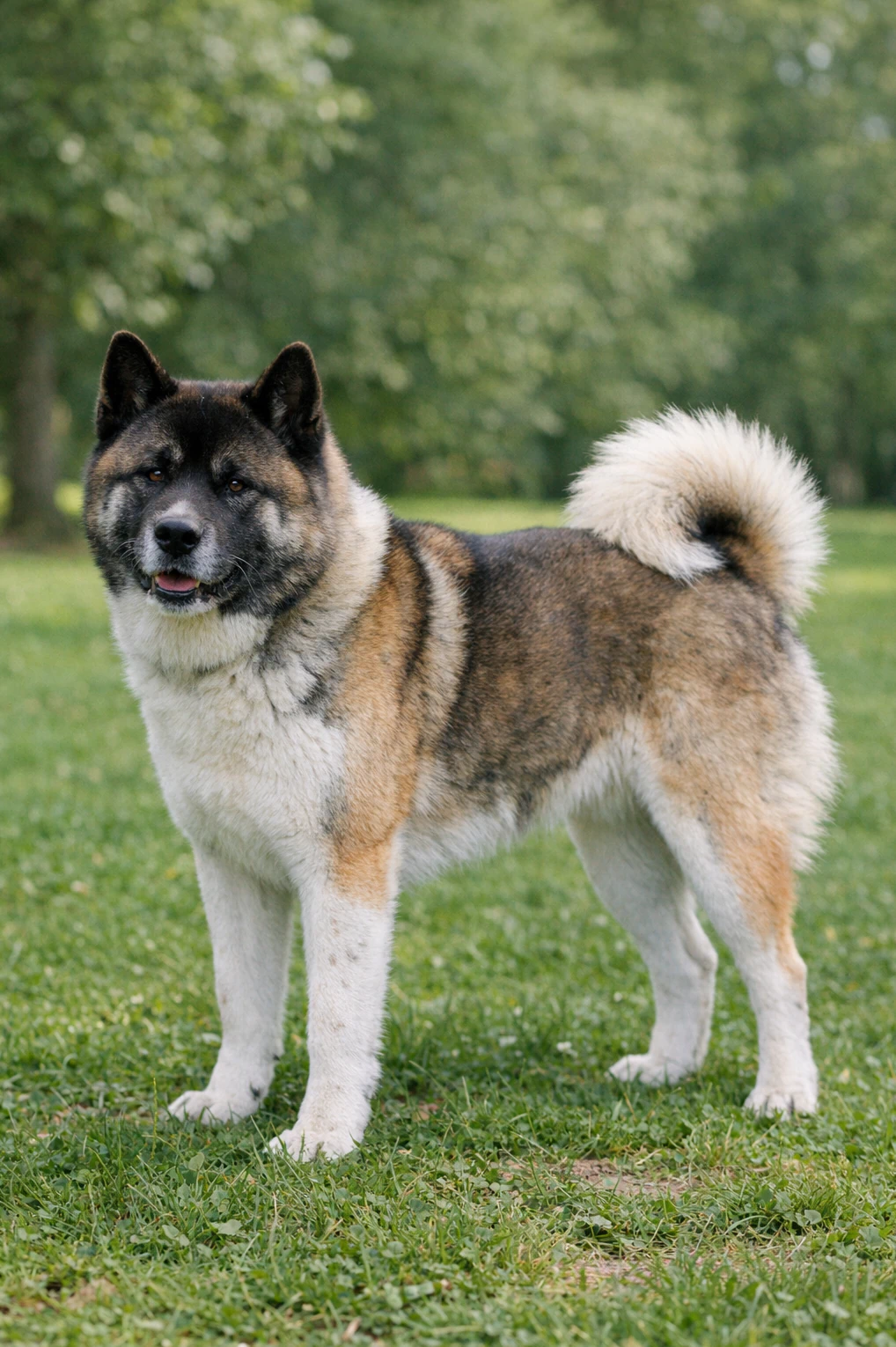
Large, regal Akita males stand about 26 to 28 inches and weigh 100 to 130 pounds, showing bold, steadfast character. Nutritional verdict: protein-rich, joint-supporting diet for muscle and vitality overall.
Understanding the Akita Metabolism and Energy Needs
As a working dog originally bred for guarding and hunting, your Akita carries a compact, powerful frame and a calm, confident manner that affects what it needs from food. Their build and steady temperament demand protein-rich meals to keep muscle strong and support repair after bursts of activity, so lean meats, fish, and eggs are useful staples.
Energy should come from moderate fat rather than excess starch, because sustained, slow-release calories suit their endurance and help maintain healthy skin and a glossy coat. Adding omega-3s from fish oil reduces inflammation, while glucosamine and chondroitin protect heavy joints. Fiber from vegetables and measured whole grains helps digestion and keeps weight steady, which is important for large dogs prone to joint strain.
Adjust portions by age and lifestyle, with growing dogs needing more calories and seniors benefiting from lower energy intake and extra joint support. Consistent, balanced feeding keeps your Akita fit, comfortable, and ready for calm loyalty.
Managing Akita Genetic Health Risks Through Nutrition
Bloat (Gastric Dilatation-Volvulus)
Helpful nutrients
Hip Dysplasia
Helpful nutrients
Thyroid Disorders (e.g., Hypothyroidism)
Helpful nutrients
Eye Disorders
Helpful nutrients
Possible Age-Related Kidney Disease
Helpful nutrients
Obesity / Overweight
Helpful nutrients
Akita Feeding & Calorie Calculator
Estimated Daily Calories
Tip: Start with this amount and adjust after 2–3 weeks based on your dog's body condition and weight trend.
This estimate provides a starting point for feeding. Individual calorie needs may vary depending on metabolism, body condition, and health status. Always monitor your dog's weight and consult your veterinarian when adjusting diet.
Foods and Ingredients to Avoid for Akita Dogs
Akitas are at higher risk of bloat, a life-threatening twist of the stomach, so avoid very large meals and fast, greedy eating.
Feeding one big meal, vigorous exercise right after eating, or high-stress meal situations can increase that risk.
Instead, offer two smaller, measured meals a day and use a slow-feeder bowl if your dog gulps food.
Also separate feeding from other pets or children to keep a calm, safe environment for a food-possessive breed.
Akitas can gain weight easily and some dogs are prone to pancreatitis, so high-fat foods and greasy table scraps are best avoided.
Fatty cuts of meat, fried foods, and rich human treats can trigger sudden stomach upset and contribute to long-term weight and joint stress.
Keep treats low-fat and portion-controlled, and choose lean protein sources that support muscle and joint health in this large, powerful breed.
Discuss any rich home-prepared recipes with your veterinarian to balance calories and nutrients.
Grapes and raisins are toxic for dogs and can cause severe kidney failure, so never offer them to your Akita.
Chocolate, xylitol-containing gums or baked goods, onions, and garlic are other common human ingredients that can be dangerous in surprisingly small amounts.
Be vigilant with baked goods and sauces that may hide sweeteners or fruit, and keep human snacks out of reach.
If your dog eats a suspicious item, contact your veterinarian or an emergency poison hotline right away.
Diets that rely heavily on peas, lentils, chickpeas, or other pulses as the main ingredient have been linked in some studies to heart concerns in certain dogs, especially when they are the primary protein source.
Large-breed Akitas may be more vulnerable to nutritional imbalances from single-source formulas.
Avoid diets where legumes dominate the ingredient list and rotate protein sources over time under your veterinarian's guidance.
If considering a grain-free or legume-heavy diet, talk with your vet about heart health monitoring and taurine status.
High-sodium foods and heavily seasoned table scraps can cause excessive thirst, electrolyte imbalances, and may place added strain on the kidneys, which is a concern for older Akitas.
Processed human foods like deli meats, chips, and salty snacks are common culprits.
Stick to bland, low-sodium treats made for dogs and avoid feeding flavored bones or meal trimmings.
For senior dogs or those with kidney concerns, ask your veterinarian about low-sodium diet options.
Cooked bones and tiny bone fragments can splinter and cause choking, mouth injuries, or dangerous internal perforations.
Even with a strong jaw and big size, Akitas are at risk from sharp pieces and should never be given cooked bones.
Avoid cooked bones entirely and be cautious with raw bones, discussing safe sizes and types with your veterinarian.
When in doubt, choose sturdy, vet-approved chews or dental options to satisfy chewing instincts safely.
How Nutritional Needs Change Throughout the Akita Life Stages
Akitas have changing nutritional needs as they move from puppyhood through adulthood to their senior years. Their giant size, growth rate, activity level, and breed-specific health tendencies, such as risk of hip dysplasia, thyroid issues, and bloat, all influence what and how much they should eat. Tailoring diet by life stage helps support healthy growth, energy, and lifelong health.
| Life Stage | Age Range | Primary Objective | Key Nutrient Focus |
|---|---|---|---|
| Puppy | 0–18 months | controlled skeletal development, immune support, brain development | DHA, balanced calcium/phosphorus, high-quality protein |
| Adult | 1.5–5 years | lean muscle maintenance and sustained energy | high-quality protein, omega-3 fatty acids, fiber |
| Senior | 5+ years | joint mobility, metabolic health, and cognitive support | glucosamine, chondroitin, antioxidants, lower calories |
Akita puppies follow a prolonged, steady growth pattern typical of giant breeds, which means their bones and joints need careful support as they fill out. Rapid weight gain can stress developing hips and contribute to hip dysplasia, so calorie intake should be managed to encourage gradual growth.
Choose a high quality large-breed puppy formula with controlled calcium and phosphorus levels to support skeletal development without promoting too rapid bone growth. Feed smaller, more frequent meals to help steady energy and reduce the chance of bloat, and avoid heavy exercise right after eating.
Prioritize high quality protein for muscle formation, omega-3 fatty acids for joint and coat health, and monitored vitamins and minerals that suit giant-breed needs. Because Akitas can have thyroid and eye concerns, and a known bloat risk, work with your veterinarian and a reputable breeder to tailor portions and supplements.
Adult Akitas are powerful, dignified dogs that need enough protein to maintain muscle mass while avoiding excess calories that lead to weight. Their daily energy requirements are moderate to high depending on activity, so feeding should match whether they are mostly a calm companion or regularly active.
Choose a diet with high quality animal protein, moderate fat for energy, and appropriate fiber for digestion. Monitor body condition and adjust portions to protect joints from extra load, and consider joint-support nutrients like glucosamine and chondroitin if there is hip concern.
Because Akitas can be prone to thyroid issues and bloat, regular veterinary checkups and conservative feeding practices, like using raised feeders only if advised, help manage health. Maintain grooming and omega-3 intake to support their double coat and skin.
As Akitas enter their senior years, metabolism often slows and activity typically decreases, which can lead to weight gain or muscle loss if diet is not adjusted. Aging joints and a history of hip dysplasia make joint-supporting nutrients and weight control especially important.
Senior formulas with slightly fewer calories but high quality protein help preserve lean mass while limiting excess fat. Add glucosamine, chondroitin, and omega-3s, and include antioxidants like vitamins E and C to support cellular health and immunity.
Digestive tolerance and dental health may change, so consider softer kibbles or wet food and smaller, more frequent meals to ease digestion and lower bloat risk after eating. Regular vet checks for thyroid, eyes, and mobility will guide any further diet adjustments for comfort and longevity.
Kibble vs Fresh vs Raw for Akita
Different feeding models suit different lifestyles, activity levels, and health needs. For Akitas, size, joint health, and bloat risk are important factors when choosing a diet.
Pros
- Convenient and easy to portion for busy households.
- Large-breed formulas often include joint-support nutrients for hip health.
- Dry kibble can help reduce tartar with proper chewing.
- Shelf-stable and generally more affordable than fresh-cooked meals.
Cons
- Can be calorie-dense, risking weight gain without careful portion control.
- Low moisture content may not suit dogs needing extra hydration.
- Feeding large single meals can raise bloat risk in deep-chested dogs.
- Some formulas include fillers or low-quality proteins.
Pros
- High moisture supports hydration, helpful for deep-chested breeds.
- Easily tailored for joint support and healthy weight management.
- Often more palatable for picky Akitas or older dogs.
- Full control over ingredients and protein sources.
Cons
- Requires precise balancing to avoid nutrient gaps or excesses.
- More expensive and time-consuming than kibble for large dogs.
- Needs refrigeration and planning for bulk portions.
Pros
- High-quality proteins support strong muscle mass in large breeds.
- Some owners report improved coat condition and skin health.
- Unprocessed ingredients may retain more natural nutrients.
- Easily customized for activity level and body condition.
Cons
- Higher risk of bacterial contamination, unsafe for dogs and humans.
- Whole or small bones risk choking or gastrointestinal injury.
- Difficult to ensure balanced calcium to phosphorus ratios.
- Requires veterinary oversight and strict hygiene for Akita safety.
| Diet Type | Pros for Akita | Potential Downsides |
|---|---|---|
| High-Quality Kibble |
|
|
| Fresh Cooked Food |
|
|
| Raw Diet (BARF) |
|
|
Our Recommendation
Many Akita owners find high-quality kibble formulated for large breeds, or carefully planned fresh-cooked meals, work best.
Raw diets can offer benefits but need strict hygiene and veterinary guidance, so they suit experienced owners who plan carefully.
See Also
Breeds with similar group, size, and coat characteristics