Best Dog Food for Tibetan Mastiff in 2026Based on Nutritional Science
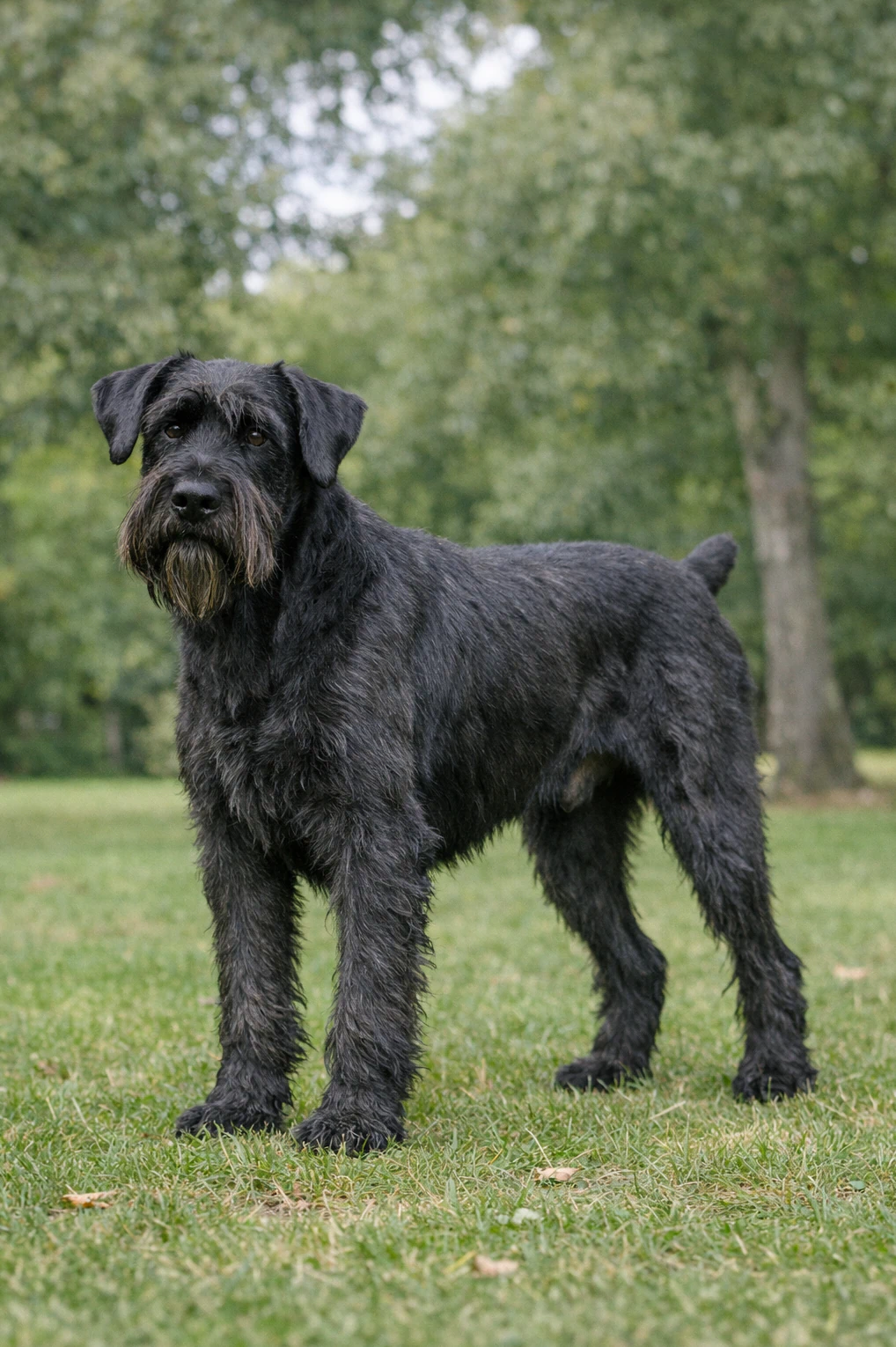
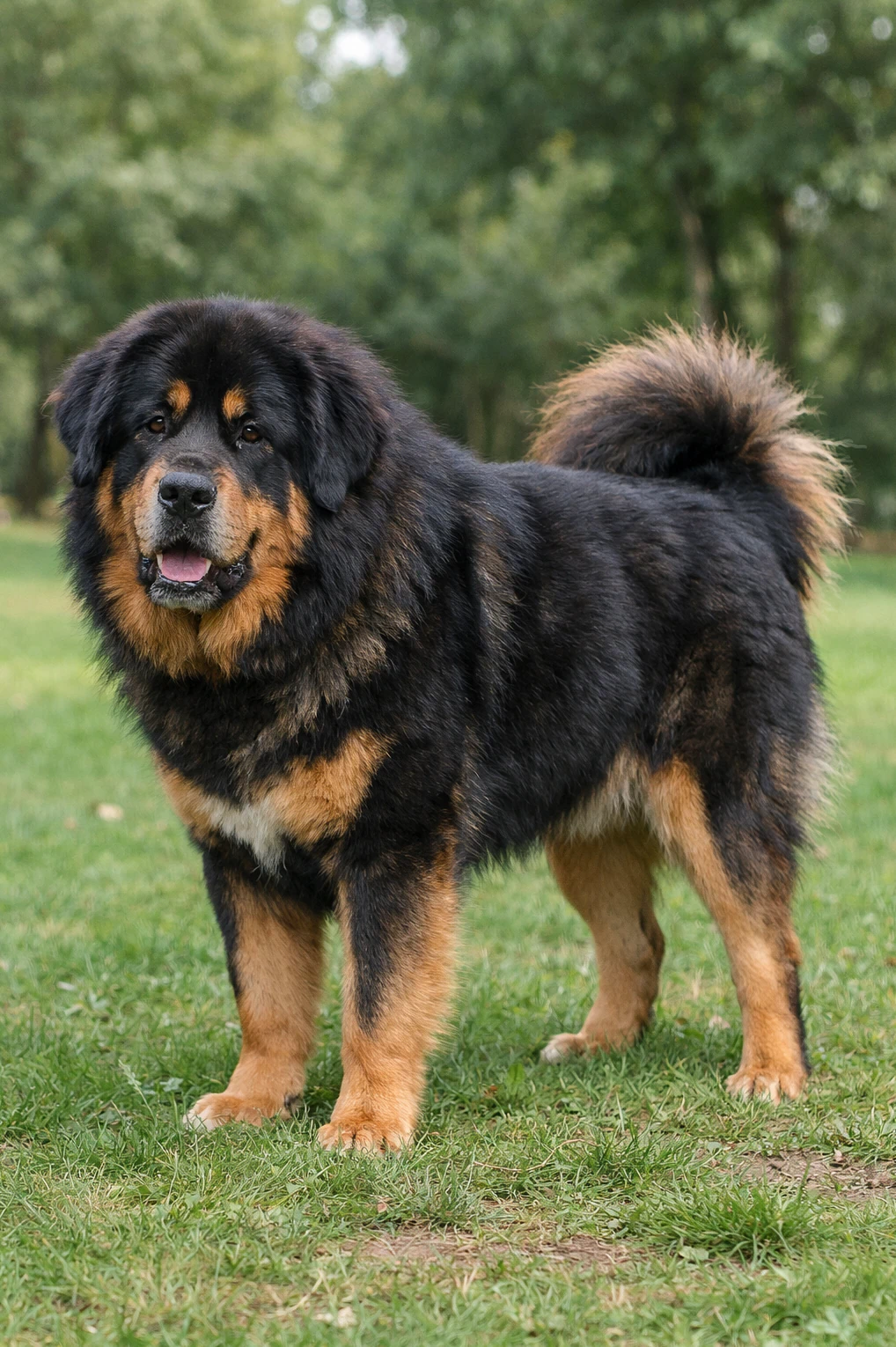
Tibetan Mastiff males start around 26 inches tall and 90-150 pounds, a stately, aloof and self-reliant guardian with keen smarts. Nutritional verdict: rich, balanced diet with quality protein and joint support.
Understanding the Tibetan Mastiff Metabolism and Energy Needs
As a high-altitude guardian bred to watch flocks and protect homesteads, these large, self-reliant dogs need a diet that supports strength, stamina, and a weatherproof coat. Their calm, thoughtful nature means bursts of activity followed by long rest, so meals should focus on steady fuel, muscle maintenance, and joint protection. Higher-quality protein keeps bulky muscle and repairs tissue after patrols, while moderate to rich healthy fats provide slow-burning energy and help maintain body warmth and skin health.
Carbohydrates should be limited and come from fibrous, low-glycemic sources like sweet potato and oats to avoid excess weight. Regular supplements such as fish oil for skin and inflammation, and joint support formulas like glucosamine and chondroitin, help protect big-frame joints. Controlled calorie intake during growth and weight management through portioning are essential to preserve lifelong mobility.
Managing Tibetan Mastiff Genetic Health Risks Through Nutrition
Hip Dysplasia
Helpful nutrients
Elbow Dysplasia
Helpful nutrients
Hypothyroidism
Helpful nutrients
Skin Allergies and Dermatitis
Helpful nutrients
Obesity
Helpful nutrients
Bloat (Gastric Dilatation-Volvulus)
Helpful nutrients
Eye Disorders (Progressive Retinal Atrophy and General Retinal Health)
Helpful nutrients
Tibetan Mastiff Feeding & Calorie Calculator
Estimated Daily Calories
Tip: Start with this amount and adjust after 2–3 weeks based on your dog's body condition and weight trend.
This estimate provides a starting point for feeding. Individual calorie needs may vary depending on metabolism, body condition, and health status. Always monitor your dog's weight and consult your veterinarian when adjusting diet.
Foods and Ingredients to Avoid for Tibetan Mastiff Dogs
Tibetan Mastiffs are large, heavy dogs that can gain weight easily and may be prone to pancreatitis if fed very rich meals.
Excess dietary fat adds calories that stress the hips and joints, which is a concern for a breed that carries significant body mass.
Avoid fatty table scraps, fried foods, and high-fat treats, and focus on lean proteins and portion control.
If your dog has a sensitive stomach or a history of pancreatitis, work with your vet to choose a lower-fat formula that still meets caloric needs.
Deep-chested breeds like the Tibetan Mastiff have an increased risk of gastric dilatation and volvulus, often called bloat.
Eating huge meals or gulping food quickly raises that risk by increasing swallowed air and stomach volume.
Feed measured portions spread across the day and consider a slow-feeder bowl or puzzle feeder to discourage rapid consumption.
Avoid vigorous exercise immediately after meals so digestion can proceed calmly and reduce the chance of twisting.
Large-breed puppies need steady, controlled growth to protect developing bones and joints, so avoid diets or supplements that accelerate growth.
Too much calcium or overly calorie-dense foods during the growth phase can contribute to abnormal bone development and later joint problems like hip dysplasia.
Choose puppy formulas specifically labeled for large or giant breeds and follow feeding guidelines closely, and consult your vet before adding any supplements.
Slower, balanced growth helps support a strong adult skeleton for a heavy-boned dog.
Some grain-free diets replace grains with high levels of peas, lentils, or potatoes, and there have been links between these formulas and certain heart issues in dogs.
While research is ongoing, large breeds can be particularly affected by nutritional imbalances that influence cardiac and overall metabolism.
Avoid feeding an exclusive, long-term diet dominated by legumes and choose balanced formulas with a variety of carbohydrate sources and reputable ingredient profiles.
If you prefer grain-free options, discuss choices with your veterinarian and consider periodic heart checks.
Foods containing artificial colors, flavors, or preservatives such as BHA and BHT can trigger digestive upset or skin irritation in sensitive dogs.
Tibetan Mastiffs have thick coats and skin that benefit from diets focused on wholesome, minimally processed ingredients.
Opt for naturally preserved formulas and limited-ingredient options if your dog shows signs of allergies or sensitivities.
Monitoring coat condition and digestion after a food change will help you identify any problematic additives.
Many common human foods are toxic to dogs, including chocolate, xylitol, grapes, raisins, onions, garlic, and macadamia nuts, and large dogs are not immune to their effects.
Processed human snacks and deli meats often carry high sodium and unhealthy fats that can exacerbate heart or kidney issues.
Keep such foods out of reach and educate family and guests about safe treats to share.
For rewards, choose veterinarian-approved dog treats in appropriate portion sizes to protect your Mastiff's health.
How Nutritional Needs Change Throughout the Tibetan Mastiff Life Stages
Dogs have shifting nutritional needs as they grow from puppies into adults and eventually seniors, and Tibetan Mastiffs are no exception. Their requirements change with growth rate, adult size, activity level and breed tendencies toward joint stress and a thick double coat. Paying attention to each life stage helps keep them lean, strong and comfortable throughout their long development and later years.
| Life Stage | Age Range | Primary Objective | Key Nutrient Focus |
|---|---|---|---|
| Puppy | 0–18 months | controlled skeletal development, immune support, brain development | DHA, balanced calcium/phosphorus, high-quality protein |
| Adult | 1.5–5 years | lean muscle maintenance and sustained energy | high-quality protein, omega-3 fatty acids, fiber |
| Senior | 5+ years | joint mobility, metabolic health, and cognitive support | glucosamine, chondroitin, antioxidants, lower calories |
Large-breed puppies like Tibetan Mastiffs grow slowly and steadily over 12 to 24 months, so controlled, paced growth is important to support healthy bone and joint development. During this period feed calorie-dense but carefully portioned meals to avoid overly rapid weight gain, and split daily food into three to four small meals to ease digestion and lower bloat risk. Key nutrients include high-quality animal protein for muscle growth, a carefully balanced calcium to phosphorus ratio for skeletal development, and early joint support from glucosamine, chondroitin and omega-3 fatty acids.
Because Tibetan Mastiffs tend toward a reserved, low-to-moderate activity level, focus on nutrient density rather than extra calories, monitor body condition and adjust portions as activity changes. Regular veterinary checkups will help tailor feeding to growth milestones and screen for breed-related joint concerns.
Adult Tibetan Mastiffs need nutrition that preserves lean muscle mass while providing steady energy for their moderate activity. Focus on high-quality animal protein to support muscle, balanced fats for sustained energy and highly digestible carbohydrates and fiber for gut health and stable blood sugar. Because they are a giant, less active breed by nature, calorie intake should match daily activity to avoid excess weight that strains joints.
Their double coat benefits from omega-3 and omega-6 fatty acids and antioxidants that support skin and immune health. Consider adult formulas designed for large or giant breeds which offer joint-support nutrients, appropriate mineral balances and calorie density suited to big bodies and an independent lifestyle.
As Tibetan Mastiffs age their metabolism often slows and mobility can decline, making calorie needs lower even as protein needs remain high to preserve muscle. Transition gradually to senior-appropriate diets that provide higher quality protein per calorie, increased fiber for digestion and easily digestible ingredients to accommodate changing teeth and appetite. Joint support becomes more important, so include glucosamine, chondroitin and omega-3s to help manage arthritis risk and maintain comfort.
Antioxidants and moderate fat levels help support immune health and coat condition, while careful calorie management prevents obesity which exacerbates joint pain. Regular weight checks and veterinary assessments will guide portion adjustments, and supplements or prescription diets can be recommended if mobility or kidney and metabolic issues arise.
Kibble vs Fresh vs Raw for Tibetan Mastiff
Different feeding models suit different lifestyles and dog needs. For a Tibetan Mastiff, size, coat, and independent nature shape which diet will work best.
Pros
- Convenient for busy owners and easy to portion for large daily calorie needs.
- Large-breed formulas support joint health with added glucosamine and balanced calcium.
- Provides consistent, complete nutrition in every measured serving.
- Crunchy texture can help reduce tartar on large molars.
Cons
- Some brands include fillers or low-quality ingredients that add empty calories.
- Lower moisture content means extra water or canned additions may be needed.
- Large single meals can increase bloat risk in deep chested dogs.
- Less flexibility for dogs with specific ingredient sensitivities.
Pros
- Highly palatable, which helps with picky or reserved Tibetan Mastiffs.
- High moisture content supports hydration and healthy skin and coat.
- Easy to avoid specific allergens and choose quality protein sources.
- Allows precise control over fat levels for joint and weight management.
Cons
- Requires careful balancing to meet calcium and essential micronutrient needs.
- More time consuming and often more expensive than kibble.
- Needs refrigeration and safe storage for large portion sizes.
- Improper recipes can lead to nutrient gaps over time without supplementation.
Pros
- High protein helps maintain lean muscle mass in a heavy, powerful breed.
- Many owners report improved coat shine and skin condition.
- Minimal processing preserves some heat-sensitive nutrients and enzymes.
- Can be portioned to match natural feeding rhythms and appetite.
Cons
- Strict hygiene is essential to prevent bacterial contamination for family and dog.
- Balancing calcium and phosphorus is tricky, especially for growing mastiff puppies.
- Risk of bone related injuries or dental fractures with inappropriate bones.
- Not recommended without veterinary guidance and experience handling raw meat.
| Diet Type | Pros for Tibetan Mastiff | Potential Downsides |
|---|---|---|
| High-Quality Kibble |
|
|
| Fresh Cooked Food |
|
|
| Raw Diet (BARF) |
|
|
Our Recommendation
A high-quality large-breed kibble often fits a Tibetan Mastiff's needs best, offering convenience, joint support, and steady nutrition.
Fresh cooked meals are excellent for picky or sensitive dogs when properly balanced, while raw diets can work for experienced owners with strict hygiene and vet oversight.
See Also
Breeds with similar group, size, and coat characteristics