Best Dog Food for Giant Schnauzer in 2026Based on Nutritional Science
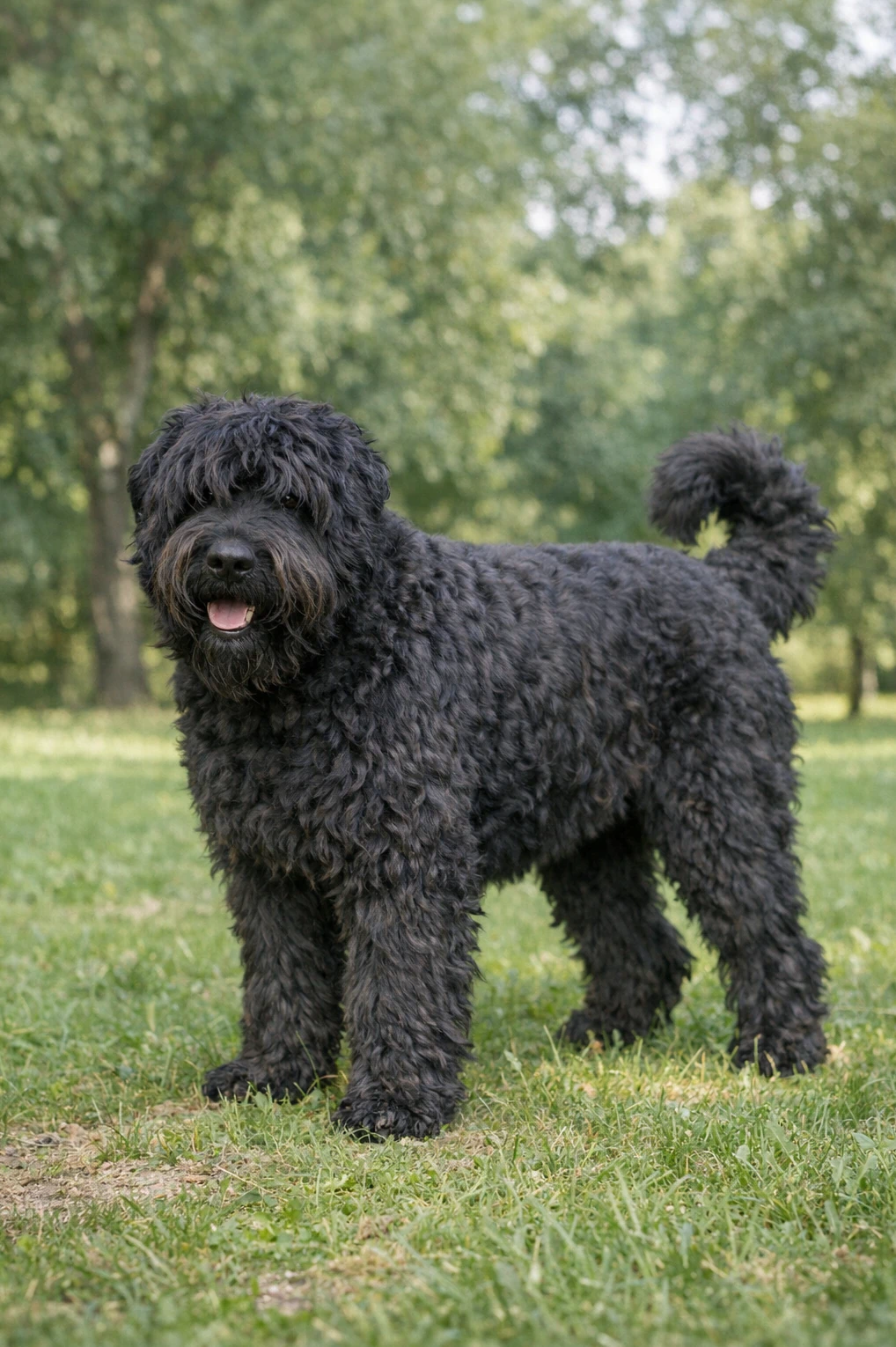
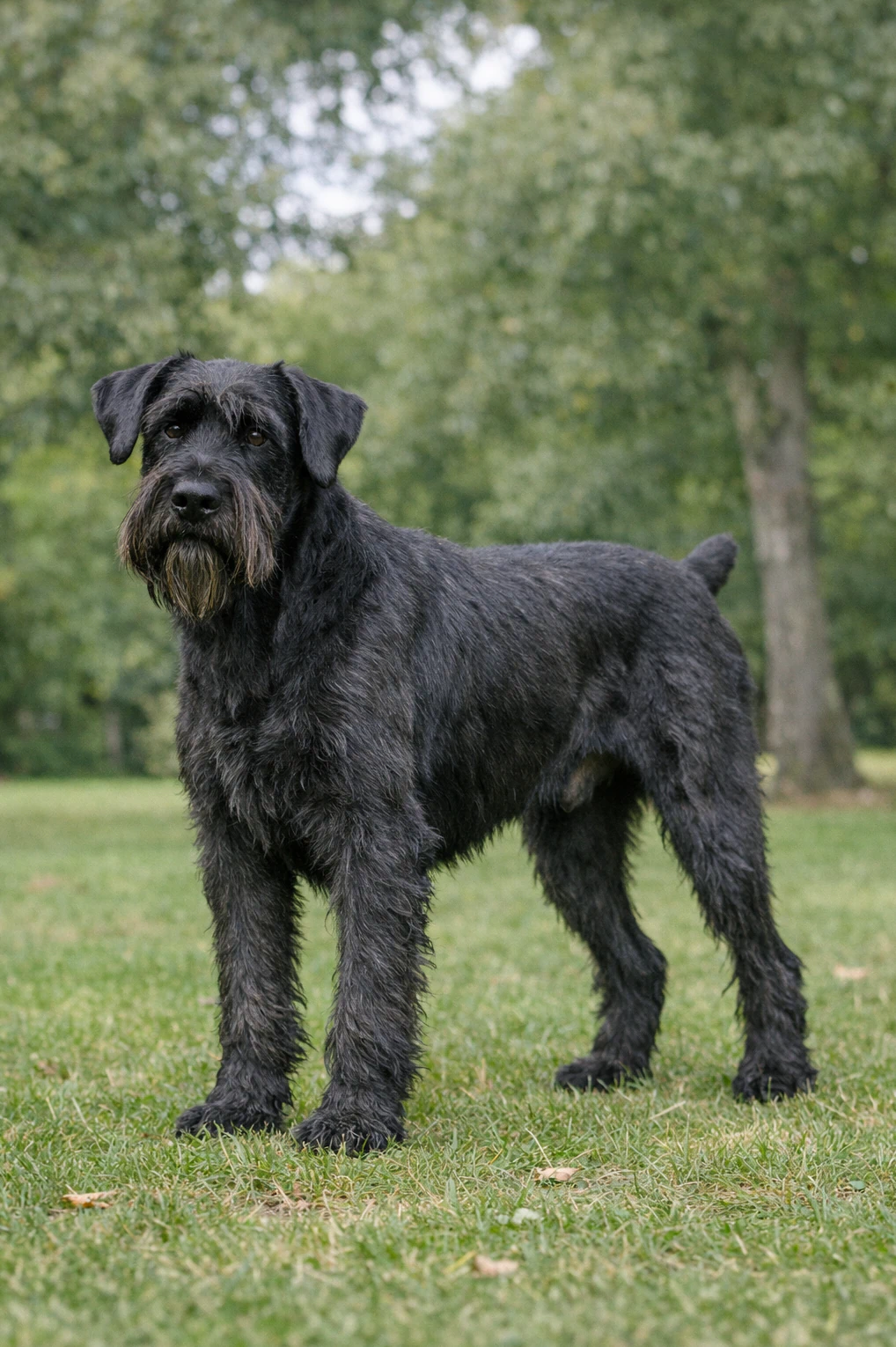
Giant Schnauzers stand about 25.5 to 27.5 inches tall and weigh roughly 75 to 95 pounds. They are vigilant, devoted, and quick to learn. Nutritional Verdict: needs high-quality, protein-rich meals to support muscle and energy.
Understanding the Giant Schnauzer Metabolism and Energy Needs
This large guardian type was developed for heavy, purposeful tasks, combining physical power with sharp minds. Their vigilant, devoted nature and quick learning style means diets must support both muscle and mental focus.
A higher proportion of high-quality animal protein helps preserve lean mass, especially in strong shoulders and neck used for pulling and protection, while moderate healthy fats supply steady calories during long activity and support skin and coat. Complex carbohydrates should be limited and used for short bursts of glucose and digestive ease, not as primary fuel, to avoid excess weight. Controlled calorie density prevents strain on growing joints.
Joint-building supplements like glucosamine and chondroitin, plus omega-3 fatty acids, reduce inflammation and protect cartilage and skin. Added antioxidants and B vitamins support brain sharpness and recovery after exercise.
Managing Giant Schnauzer Genetic Health Risks Through Nutrition
Hip Dysplasia
Helpful nutrients
Eye Disease
Helpful nutrients
Autoimmune Thyroiditis
Helpful nutrients
Obesity
Helpful nutrients
Giant Schnauzer Feeding & Calorie Calculator
Estimated Daily Calories
Tip: Start with this amount and adjust after 2–3 weeks based on your dog's body condition and weight trend.
This estimate provides a starting point for feeding. Individual calorie needs may vary depending on metabolism, body condition, and health status. Always monitor your dog's weight and consult your veterinarian when adjusting diet.
Foods and Ingredients to Avoid for Giant Schnauzer Dogs
Giant Schnauzers are big, powerful dogs that can put on weight quickly if treats and table scraps add up, and extra pounds place added stress on hips and joints which matters given the breed's risk for hip dysplasia.
High-fat human foods can also trigger digestive upset or pancreatitis in some dogs, so limit fatty treats and use them sparingly for training.
Work with your veterinarian to set a safe daily treat allowance and choose low calorie, high value options when you need to reward good behavior.
Large breed puppies like Giant Schnauzers need carefully balanced calcium, phosphorus, and calories to support steady, healthy growth, because too much calcium or overly rich diets can contribute to abnormal bone development and joint problems.
Avoid adult supplements or free feeding calorie dense puppy rations that promote very rapid growth, and choose a formula specifically labeled for large or giant breed puppies.
Talk with your breeder or veterinarian about the right growth plan to help protect developing hips and elbows.
Diets that list peas, lentils, chickpeas, or other legume ingredients near the top have been linked in some cases to heart muscle issues, so it is wise to be cautious with grain-free, legume-heavy recipes for large breeds.
Giant Schnauzers need balanced nutrition for heart and muscle health, and reliance on a single unusual ingredient profile can create nutrient imbalances in susceptible dogs.
If you prefer grain-free options, discuss the choice with your veterinarian and consider bloodwork or cardiac screening if recommended.
Certain human foods are acutely toxic to dogs and should be kept far out of reach, especially in a large, curious breed that may access counters or bags, so avoid xylitol containing sugar-free gum and treats, all forms of chocolate, and grapes and raisins.
Xylitol can cause dangerous drops in blood sugar and liver failure, chocolate affects the heart and nervous system, and grapes and raisins can lead to kidney failure.
Store these items securely and teach family members and visitors not to offer human snacks.
Cooked bones can splinter and cause choking, mouth injuries, or intestinal obstruction, and raw diets carry bacterial risks plus the potential for unbalanced nutrient ratios that are especially important for large breeds.
While some owners prefer raw feeding, Giant Schnauzers need a plan that meets their caloric and joint health needs without exposing them or the household to pathogens, so consult a veterinary nutritionist before starting raw or bone-heavy feeding.
Safer chew alternatives and properly formulated diets reduce hazards while protecting dental and digestive health.
Giant Schnauzers can be sensitive to ingredients that trigger skin or digestive reactions, so avoiding artificial preservatives like BHA, BHT, and synthetic flavors is a reasonable precaution to keep coats healthy and tummies calm.
Long term exposure to questionable additives may worsen itchiness or food sensitivities in dogs with a predisposition to autoimmune or allergic conditions, so choose foods with recognizable, high quality ingredients and natural preservation when possible.
If your dog shows itching, ear infections, or loose stools, work with your vet to identify potential dietary triggers.
How Nutritional Needs Change Throughout the Giant Schnauzer Life Stages
Giant Schnauzers have changing nutritional needs as they move from puppyhood to adulthood and into their senior years. Growth rate, activity level, and breed-specific health tendencies shape what they need at each stage. Because they are a large, muscular working breed, careful attention to controlled growth, joint support, and balanced calories helps them grow strong and stay fit through life.
| Life Stage | Age Range | Primary Objective | Key Nutrient Focus |
|---|---|---|---|
| Puppy | 0–18 months | controlled skeletal development, immune support, brain development | DHA, balanced calcium/phosphorus, high-quality protein |
| Adult | 1.5–5 years | lean muscle maintenance and sustained energy | high-quality protein, omega-3 fatty acids, fiber |
| Senior | 5+ years | joint mobility, metabolic health, and cognitive support | glucosamine, chondroitin, antioxidants, lower calories |
Giant Schnauzer puppies grow steadily over a longer period than smaller breeds, so their skeletal system needs steady, not rushed, support. Controlled calories and the right calcium to phosphorus ratio help reduce the risk of hip dysplasia and other developmental orthopedic issues, avoid overfeeding and rapid weight gain.
Feed several small meals daily during the early months, moving to two meals by around six months, and choose a large-breed puppy formula with high-quality protein, moderate fat, DHA for brain development, and glucosamine precursors for joint support. Monitor growth and work with your breeder or veterinarian, especially because the breed can be prone to hip issues and eye disease, so regular checkups are helpful.
As adults, Giant Schnauzers need nutrition that sustains their muscle mass and supports their alert, working temperament. A diet with high-quality animal protein and moderate fat keeps energy steady for training and activity, while controlled calories prevent excess weight that can strain hips and joints.
Choose an adult formula designed for large or giant breeds, with balanced minerals and omega-3 fats for coat and joint health, and consider supplements like glucosamine if recommended by your vet. Adjust portion sizes based on activity level, age, and neuter status, and weigh your dog regularly to keep them at a lean, muscular condition with plenty of stamina for daily work and play.
In senior years, Giant Schnauzers often show slower metabolism, reduced activity, and stiffer joints, so calorie needs may fall while protein needs remain important to preserve lean mass. Digestive sensitivity can increase, so easily digestible proteins and higher fiber for gut health help with regularity and nutrient absorption.
Focus on joint support with omega-3s, glucosamine, and chondroitin, and include antioxidants like vitamin E and beta-carotene to support immune and eye health. If your dog has a history of autoimmune thyroiditis, monitor thyroid function with your veterinarian and adjust calories to prevent weight gain while keeping meals smaller and nutrient-dense to support mobility and vitality.
Kibble vs Fresh vs Raw for Giant Schnauzer
Different feeding models suit different lifestyles, activity levels, and health needs. For a Giant Schnauzer, size, energy, and joint health help determine the best option.
Pros
- Convenient and portion-controlled for busy owners of large, active dogs.
- Formulas for large breeds support joint health and controlled growth.
- Crunchy kibbles can help reduce tartar on teeth.
- Balanced nutrients in every serving make feeding straightforward.
Cons
- Some formulas include fillers or low-quality ingredients.
- Lower moisture content may not suit dogs who drink little water.
- Calorie-dense kibbles can lead to weight gain without portion control.
- May lack targeted joint supplements unless you select specialized formulas.
Pros
- Highly palatable, often loved by picky Giant Schnauzers.
- High moisture supports healthy hydration and digestion.
- You control ingredient quality and can add joint-support nutrients.
- Easier to adjust calories for active versus sedentary days.
Cons
- Requires careful recipe planning to meet large-breed nutritional ratios.
- More time consuming and usually pricier than kibble.
- Improper calcium or phosphorus balance can harm growing bones.
- Needs refrigeration and careful storage between meals.
Pros
- May improve coat condition for some dogs.
- High-protein whole foods can support muscular, active breeds.
- Unprocessed foods preserve some natural nutrients.
Cons
- Higher risk of bacterial contamination without strict hygiene.
- Unbalanced homemade plans can cause calcium or nutrient deficiencies.
- Whole bones can splinter and pose a fracture or choking risk.
- Veterinary guidance is essential to balance large-breed growth and joints.
| Diet Type | Pros for Giant Schnauzer | Potential Downsides |
|---|---|---|
| High-Quality Kibble |
|
|
| Fresh Cooked Food |
|
|
| Raw Diet (BARF) |
|
|
Our Recommendation
Many Giant Schnauzer owners find high-quality, large-breed kibble with joint support a practical baseline.
Fresh cooked or carefully balanced raw plans can also work well, provided you get veterinary guidance and monitor joints and weight closely.
See Also
Breeds with similar group, size, and coat characteristics