Best Dog Food for Great Pyrenees in 2026Based on Nutritional Science
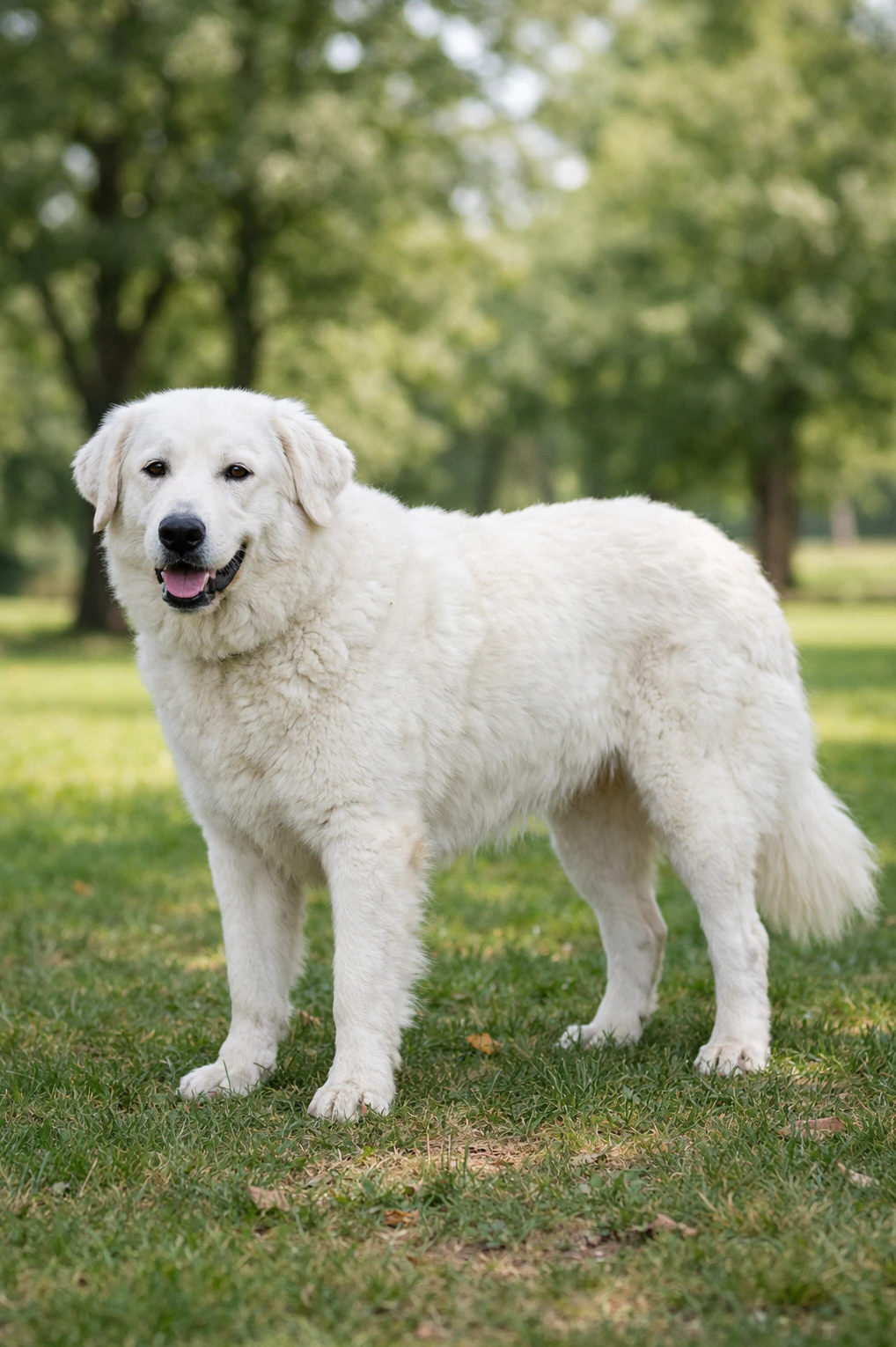
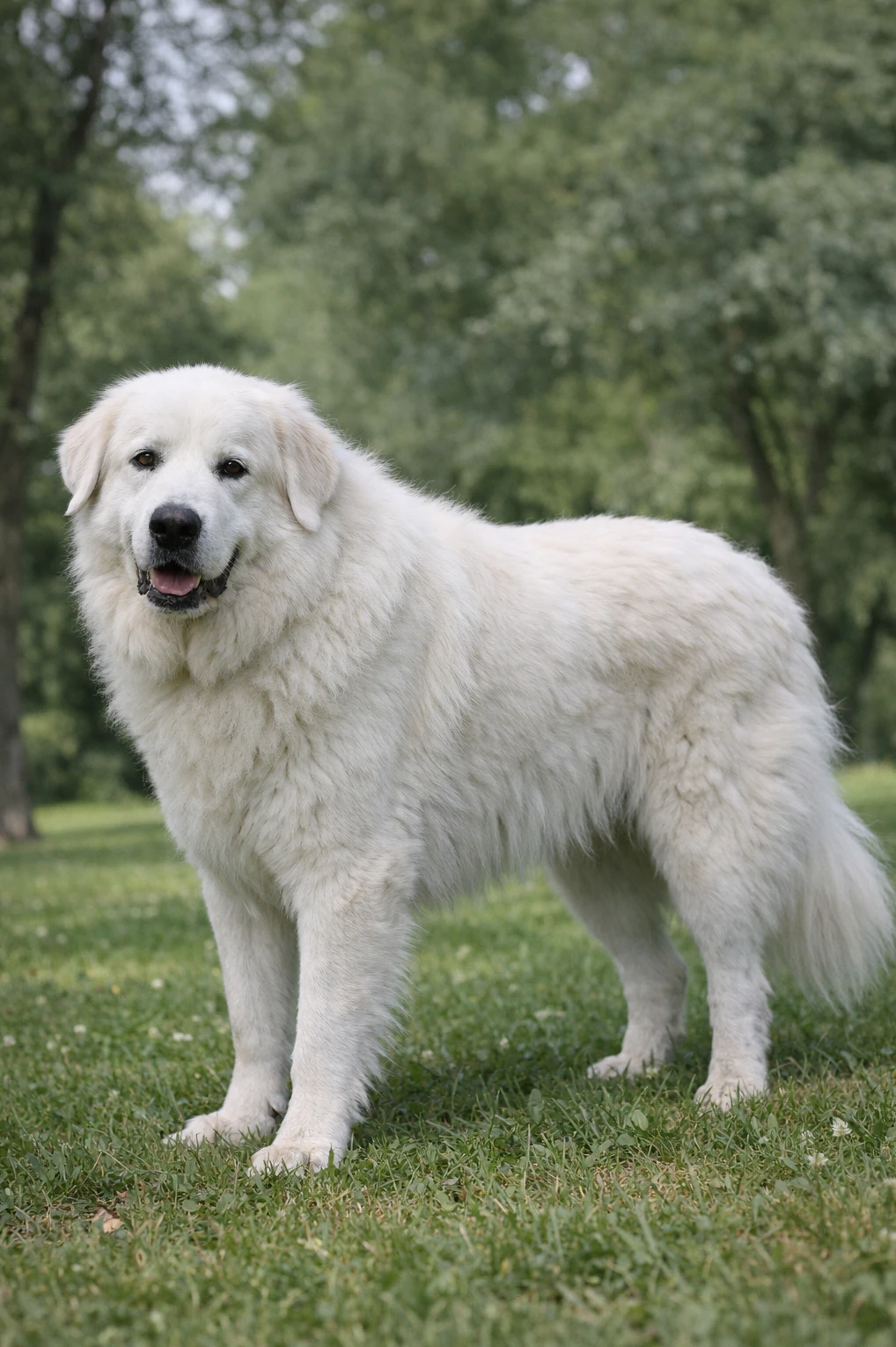
Majestic, large-boned dogs standing about 27 to 32 inches and over 100 pounds, clever, tolerant and composed. Nutritional verdict: offer a balanced large-breed diet with joint support and calorie control for healthy weight.
Understanding the Great Pyrenees Metabolism and Energy Needs
As a mountain guardian bred to watch flocks and withstand cold nights, this dog needs nutrition that supports large-frame strength and steady endurance. Its thoughtful, even-tempered nature means long stretches of low activity with occasional bursts of effort, so food should preserve lean mass and deliver sustained fuel.
Prioritize high-quality animal protein to maintain heavy musculature and support robust joints, while healthy fats supply slow-burning energy and help keep a dense, weather-resistant coat. Keep simple carbohydrates modest to avoid excess weight, and include soluble fiber to support digestion and satiety.
Targeted supplements pay off, with glucosamine and chondroitin for joint support, omega-3s (EPA/DHA) to reduce inflammation and nourish skin, and probiotics for gut balance. Careful portioning and nutrient-dense feeding help this gentle guardian stay fit, comfortable and ready for its watch.
Managing Great Pyrenees Genetic Health Risks Through Nutrition
Hip Dysplasia
Helpful nutrients
Elbow Dysplasia
Helpful nutrients
Luxating Patellas
Helpful nutrients
Eye Disorders
Helpful nutrients
Neurological Disorders
Helpful nutrients
Immune-Mediated Disorders
Helpful nutrients
Cancer
Helpful nutrients
Bloat (Gastric Dilatation-Volvulus, GDV)
Helpful nutrients
Great Pyrenees Feeding & Calorie Calculator
Estimated Daily Calories
Tip: Start with this amount and adjust after 2–3 weeks based on your dog's body condition and weight trend.
This estimate provides a starting point for feeding. Individual calorie needs may vary depending on metabolism, body condition, and health status. Always monitor your dog's weight and consult your veterinarian when adjusting diet.
Foods and Ingredients to Avoid for Great Pyrenees Dogs
Rich, fatty foods and table scraps can be a quick route to unwanted weight gain and upset stomachs in a Great Pyrenees, a breed that tends to eat modest amounts but can pack on pounds.
Extra weight places added pressure on hips and elbows, making joint problems like dysplasia more likely and reducing mobility as they age.
Fatty meals can also trigger pancreatitis in some dogs, which is painful and requires veterinary care.
Stick to lean proteins and measured portions to keep body condition steady and joints supported.
Great Pyrenees are at higher risk for bloat, a serious condition where the stomach distends and can twist, so avoid feeding one very large meal a day.
Foods that soak up water and expand, or anything that encourages a dog to gulp air while eating, can increase the chance of bloating.
Offering two or more smaller meals, using slow-feeder bowls if they eat quickly, and avoiding heavy exercise right after eating help reduce that risk and keep meals calmer and safer.
Growing Pyrenees puppies need careful calorie and mineral balance because rapid growth can contribute to joint and bone issues like hip dysplasia.
Diets that are too high in protein, calories, or calcium can promote overly fast growth, stressing developing hips and elbows.
Use a formula specifically for large or giant breed puppies, follow feeding guidelines closely, and talk with your breeder or veterinarian about the right pace of growth for a healthy adult frame.
Diets with large amounts of peas, lentils, or other legumes can be harder to digest for some dogs and may produce excess gas or fermentation.
For a breed prone to bloat, food components that increase intestinal gas or change digestion patterns are worth scrutinizing.
If your Pyrenees seems gassy, has soft stools, or you notice food-related discomfort, consider switching to a formula with alternative carbohydrate sources and discuss options with your veterinarian.
Ingredients like artificial colors, BHA, BHT, and ethoxyquin, plus cheap fillers such as excessive corn or wheat, can aggravate skin sensitivities and do little for nutrition.
Great Pyrenees can show skin or coat issues when their diet contains unnecessary additives, so cleaner ingredient lists tend to support healthier coats and digestion.
Choose foods preserved naturally and formulated for large breeds, focusing on recognizable ingredients that provide real nutritional value rather than empty calories.
Certain human foods are outright dangerous for dogs, and large breeds are not immune.
Garlic, onions, and related vegetables can damage red blood cells, chocolate harms the heart and nervous system, and xylitol, often found in sugar-free gums and baked goods, can cause life-threatening drops in blood sugar and liver damage.
Keep human treats out of reach, check ingredient labels carefully, and if your dog eats something suspicious, contact your veterinarian or an emergency clinic right away.
How Nutritional Needs Change Throughout the Great Pyrenees Life Stages
Great Pyrenees have different nutritional needs during puppyhood, adulthood, and senior years, and feeding should change as they grow. Their growth rate, activity level, and breed-specific health tendencies like hip and elbow dysplasia, eye disorders, and bloat all influence calories, protein, and joint support at each life stage. Learning these phases helps you pick the right diet for your Pyr's size and lifestyle.
| Life Stage | Age Range | Primary Objective | Key Nutrient Focus |
|---|---|---|---|
| Puppy | 0–18 months | controlled skeletal development, immune support, brain development | DHA, balanced calcium/phosphorus, high-quality protein |
| Adult | 1.5–5 years | lean muscle maintenance and sustained energy | high-quality protein, omega-3 fatty acids, fiber |
| Senior | 5+ years | joint mobility, metabolic health, and cognitive support | glucosamine, chondroitin, antioxidants, lower calories |
Great Pyrenees puppies are giant-breed puppies that grow steadily over a long period, often 12 to 24 months, and their skeletons need time to mature. Keep calories controlled to avoid too-rapid growth, which raises the risk of hip and elbow dysplasia and other joint problems.
Feed 3 to 4 smaller meals daily until around six months, then transition toward two meals as growth slows, and avoid vigorous play right after eating to reduce bloat risk. Focus on high-quality animal protein for lean muscle, a balanced calcium to phosphorus ratio for bone health, DHA for brain and vision, and moderate fat for energy and coat condition, and discuss joint-supporting options with your veterinarian.
As an adult, your Great Pyrenees combines calm temperament with impressive size, and nutrition should keep muscle strong while preventing excess weight. Aim for a diet with high-quality animal protein, moderate fat for steady energy, and digestible carbohydrates that match their activity level.
Feeding twice daily helps lower bloat risk and keeps weight steady, and adjust portions based on exercise, seasonal work, or guarding duties. Include omega-3 fatty acids for joint and skin health, discuss targeted joint support and routine screening with your veterinarian given the breed's predisposition to hip and elbow issues, and watch calorie density and treats since extra pounds strain joints.
As senior Great Pyrenees age, metabolism often slows and activity decreases, but preserving lean mass remains essential to mobility and overall health. Reduce overall calories if they become less active, while keeping protein high quality and adequate to limit muscle loss, and consider smaller, more frequent meals to help digestion and reduce bloat risk.
Support joints with omega-3 fatty acids and evidence-based supplements such as glucosamine and chondroitin after discussing with your vet, and prioritize antioxidants to support aging cells and immune health. Monitor weight closely, manage dental problems that affect eating, and maintain regular screenings for hip and elbow changes, eye issues, and cancers that can occur in the breed.
Kibble vs Fresh vs Raw for Great Pyrenees
Different feeding models suit different lifestyles, schedules, and health needs for your Great Pyrenees.
Choosing between kibble, fresh cooked food, or a raw plan depends on your goals and how much time you can commit.
Pros
- Convenient and easy to portion for busy owners.
- Many formulas include joint support for large breeds.
- Predictable calorie counts help prevent overfeeding calm Pyrs.
- Long shelf life reduces daily meal prep time.
Cons
- Lower moisture content may not suit thirstier dogs.
- Some brands contain fillers or lower-quality ingredients.
- Calorie-dense kibble can contribute to weight gain if portions are large.
- Puppies need large-breed formulas to protect growing joints.
Pros
- High moisture content supports hydration and digestion.
- Great for picky eaters, often more palatable.
- You control ingredient quality and can add joint supplements.
- Easier to adjust calories for weight management.
Cons
- Requires careful balancing of calcium and phosphorus for large-breed growth.
- More time consuming and typically more expensive than kibble.
- Needs refrigeration and consistent meal prep routines.
- Improper recipes can create nutritional gaps without expert guidance.
Pros
- High protein and often very palatable for most dogs.
- Some owners report shinier coats and more energy.
- Minimal processing preserves natural food textures and flavors.
Cons
- Bacterial contamination risk during handling and storage.
- Hard to balance nutrients for large-breed growth and joints.
- Raw bones can pose fracture or obstruction risks if mismanaged.
- Not ideal without veterinary guidance, especially with breed health issues.
| Diet Type | Pros for Great Pyrenees | Potential Downsides |
|---|---|---|
| High-Quality Kibble |
|
|
| Fresh Cooked Food |
|
|
| Raw Diet (BARF) |
|
|
Our Recommendation
For most Great Pyrenees, a high-quality large-breed kibble with joint support and controlled portions is a reliable base.
Fresh cooked food suits owners who can plan balanced meals, while raw diets should be attempted only with veterinary oversight due to contamination and balancing concerns.
See Also
Breeds with similar group, size, and coat characteristics