Best Dog Food for Black Russian Terrier in 2026Based on Nutritional Science
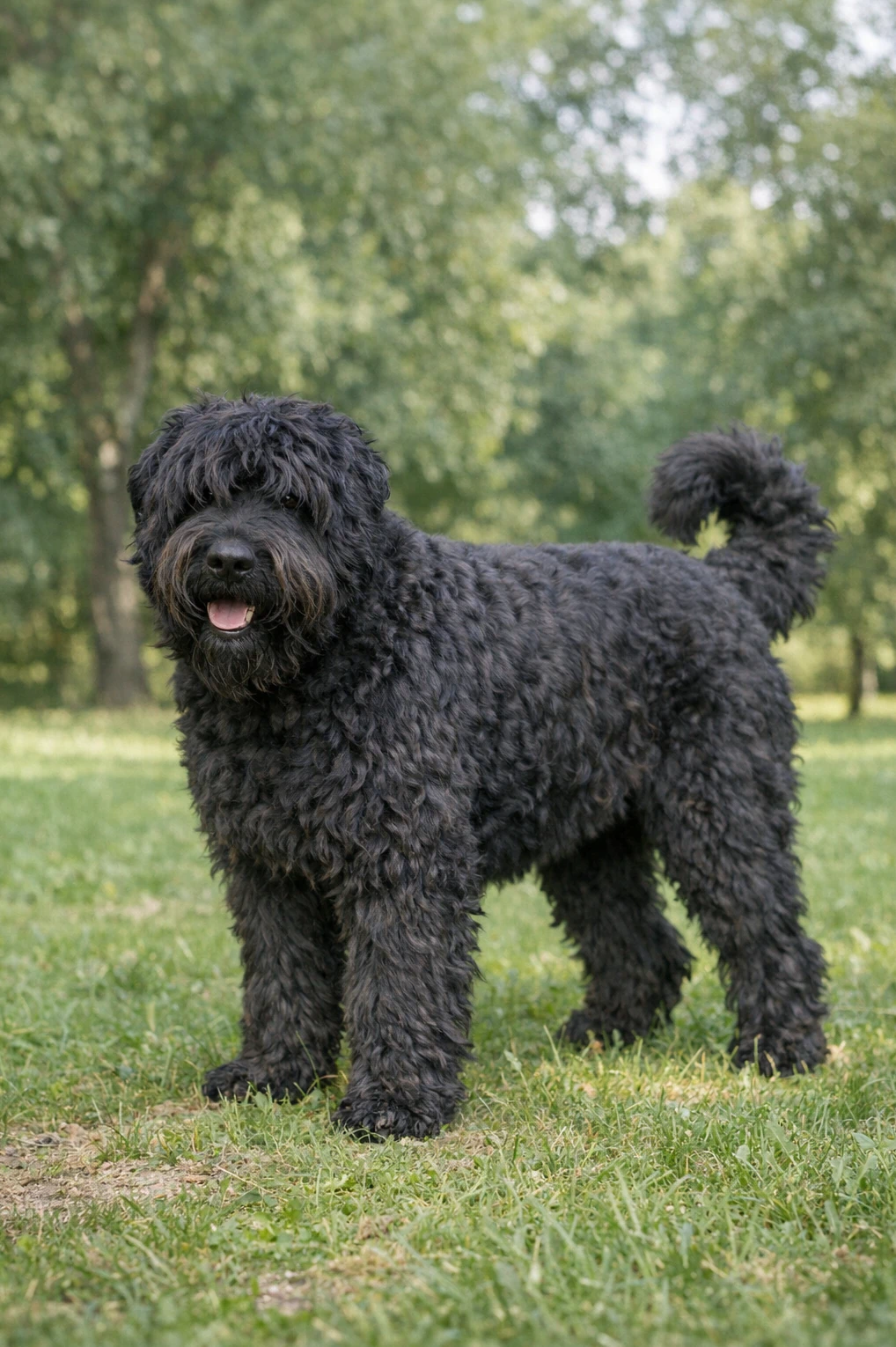
Large guardian, standing about 27-30 inches tall and weighing roughly 80-130 pounds, this breed is sharp, steady, and robust. Nutritional verdict: needs high-quality protein, balanced fats, and daily joint-support nutrients.
Understanding the Black Russian Terrier Metabolism and Energy Needs
As a sturdy working dog bred for demanding tasks, your companion needs food that supports strength, stamina, and steady focus. Lean, highly digestible animal protein keeps lean mass and supports brain chemistry, helping with quick learning and reliable behavior after activity. Think of protein as the repair and focus fuel after a day of heavy work.
Sustained fats give long-lasting energy and nourish a dense outer coat, while omega-3 fatty acids help control inflammation and keep joints moving smoothly. For a dog built for strength, joint-supporting nutrients like glucosamine and chondroitin are sensible additions to protect cartilage over time.
Moderate, slow-release carbohydrates and fiber maintain steady blood sugar to promote an even temperament, and antioxidants plus zinc support immune health and skin condition. Tailoring macronutrients this way matches heritage with modern life, keeping your strong, steady friend healthy and comfortable.
Managing Black Russian Terrier Genetic Health Risks Through Nutrition
Allergies
Helpful nutrients
Urinary Tract Stones
Helpful nutrients
Hip and Elbow Dysplasia
Helpful nutrients
Progressive Retinal Atrophy (vision loss)
Helpful nutrients
Ear Infections
Helpful nutrients
Dental Disease
Helpful nutrients
Obesity
Helpful nutrients
Black Russian Terrier Feeding & Calorie Calculator
Estimated Daily Calories
Tip: Start with this amount and adjust after 2–3 weeks based on your dog's body condition and weight trend.
This estimate provides a starting point for feeding. Individual calorie needs may vary depending on metabolism, body condition, and health status. Always monitor your dog's weight and consult your veterinarian when adjusting diet.
Foods and Ingredients to Avoid for Black Russian Terrier Dogs
Black Russian Terriers can be prone to weight gain, and high-fat foods and greasy table scraps can push them toward obesity and added joint strain.
Excess dietary fat also raises the risk of pancreatitis, which can be serious in a large breed, so stick to measured portions of lean protein and healthy fats chosen for large, active dogs.
Because this breed can easily carry extra pounds, frequent treats or oversized portions quickly add up to unhealthy weight gain that stresses hips and elbows.
Keep treat calories counted as part of the daily allowance, choose low-calorie training rewards, and work with your veterinarian to set a target body condition and feeding plan that supports steady, healthy weight.
Large-breed puppies like Black Russian Terriers need carefully balanced calcium, phosphorus, and calories to avoid overly rapid growth that can worsen hip and elbow dysplasia.
Avoid homemade or unbalanced puppy formulas that are too rich in minerals or calories, and follow a vet-recommended large-breed growth diet to support steady bone development and long-term joint health.
This breed may be sensitive to food additives, and artificial preservatives, colors, and low-quality fillers can trigger skin allergies or digestive upset.
Ingredients such as BHA, BHT, and artificial dyes are best avoided in favor of naturally preserved, whole-food ingredients, especially if your dog shows itchy skin, ear problems, or recurrent ear infections.
Diets that rely heavily on peas, lentils, chickpeas, or potatoes have been linked with heart problems in some dogs, and large breeds should be especially cautious with unproven boutique grain-free formulas.
Before switching to a legume-rich or novelty diet, discuss the choice with your veterinarian and consider cardiac-safe protein and carbohydrate sources that support large-breed health.
Certain human foods are outright unsafe and can cause serious harm, including grapes and raisins, chocolate, xylitol, onions, garlic, and macadamia nuts, which affect digestion, kidneys, or neurological function.
Keep these completely out of reach, and be mindful that tempting table scraps may contain unsafe ingredients, so always check with your vet if your dog consumes something questionable.
How Nutritional Needs Change Throughout the Black Russian Terrier Life Stages
Black Russian Terriers, like all dogs, have shifting nutritional needs as they move from puppyhood to adulthood and their senior years. Growth rate, activity level and breed health tendencies shape what they require at each stage. Giant, powerful breeds need careful feeding to support steady skeletal development, maintain muscle and energy during prime years, and adjust calories and supplements in later life to protect joints and digestion.
| Life Stage | Age Range | Primary Objective | Key Nutrient Focus |
|---|---|---|---|
| Puppy | 0–18 months | controlled skeletal development, immune support, brain development | DHA, balanced calcium/phosphorus, high-quality protein |
| Adult | 1.5–5 years | lean muscle maintenance and sustained energy | high-quality protein, omega-3 fatty acids, fiber |
| Senior | 5+ years | joint mobility, metabolic health, and cognitive support | glucosamine, chondroitin, antioxidants, lower calories |
Black Russian Terrier puppies grow rapidly but with a large breed frame this growth should be steady rather than rushed. Controlled calories and a precise calcium to phosphorus balance help proper skeletal development and reduce risk of hip and elbow dysplasia. High quality protein supports muscle and brain development, while DHA and antioxidants aid learning and immune health.
Feed smaller, more frequent meals, typically three to four times daily until about six months, then transition to two meals as growth slows. Monitor body condition to avoid rapid weight gain, since excess calories and fast growth strain developing joints. Discuss breed-specific formula options with your veterinarian especially if there is a family history of joint or urinary problems.
As adults Black Russian Terriers are powerful and moderately active, requiring nutrition that maintains lean muscle and steady energy without excess calories. A diet with high quality animal protein at moderate to slightly elevated levels helps preserve muscle mass, while controlled healthy fats provide energy and support skin and the double curly coat. Balanced carbohydrates and fiber support digestion and steady glucose levels for calm, steady behavior.
Portion size should reflect activity, age and neuter status, with working or highly active dogs needing more calories and less active pets needing portion control. Regular weight checks and body condition scoring help fine tune feeding. Include dental care and consider breed health risks like allergies and urinary stones when choosing ingredients.
As seniors, Black Russian Terriers often experience a slower metabolism, reduced activity and changes in digestion, which all affect calorie and nutrient needs. Maintaining high quality, easily digestible protein preserves muscle mass while reducing total calories prevents weight gain. Omega-3 fatty acids, glucosamine and chondroitin support joint comfort for a large, powerful breed prone to hip and elbow concerns.
Antioxidants and specific nutrients can help eye health given the risk of progressive retinal atrophy, while soluble fiber supports gentle digestion. Adjust meal size rather than frequency if appetite diminishes, and check urine pH and hydration because urinary issues can occur. Work closely with your veterinarian to tailor supplements and calorie plans as mobility and health needs evolve.
Kibble vs Fresh vs Raw for Black Russian Terrier
Different feeding models suit different lifestyles, budgets, and health needs.
For a Black Russian Terrier, factors like large size, thick double coat, and joint screening shape the best dietary choice.
Pros
- Convenient and easy to portion for busy households.
- Often fortified with joint-support nutrients like glucosamine and chondroitin.
- Dry texture can help reduce tartar buildup on teeth.
- Shelf-stable and typically cost-effective for large dogs.
Cons
- Can be calorie-dense, raising obesity risk without careful portion control.
- Some formulas contain fillers that can trigger sensitivities.
- Lower moisture content may not hydrate dogs prone to urinary issues.
- Quality varies, so ingredient reading is important for coat and joint health.
Pros
- High moisture supports hydration and urinary tract health.
- Easier to customize for allergies and food sensitivities.
- Often very palatable, good for picky or elderly dogs.
- You control protein sources to support a strong muscular build.
Cons
- Requires careful balancing to meet joint and vitamin needs.
- Meal prep and refrigeration add time and cost for large dogs.
- Mistakes in recipes can lead to long-term nutrient gaps.
- Shorter shelf life than kibble, so planning is necessary.
Pros
- High protein and minimally processed, appealing to many owners.
- Can promote a healthy, shiny coat with appropriate fats.
- Some dogs show increased energy and muscle condition.
- Offers control over ingredients, avoiding certain additives.
Cons
- Higher bacterial contamination risk, needs strict hygiene.
- Whole bones can be hazardous for large dogs without proper sourcing.
- Balancing calcium and phosphorus is critical and tricky at home.
- Veterinary guidance is recommended to avoid nutritional imbalances.
- More expensive and time consuming than processed diets.
| Diet Type | Pros for Black Russian Terrier | Potential Downsides |
|---|---|---|
| High-Quality Kibble |
|
|
| Fresh Cooked Food |
|
|
| Raw Diet (BARF) |
|
|
Our Recommendation
For most Black Russian Terrier households, a high-quality kibble formulated for large breeds, with joint and skin support, is a practical baseline.
Fresh cooked meals are an excellent option for sensitivities or picky eaters, while raw diets demand strict hygiene and professional guidance before proceeding.
See Also
Breeds with similar group, size, and coat characteristics