Best Dog Food for Leonberger in 2026Based on Nutritional Science
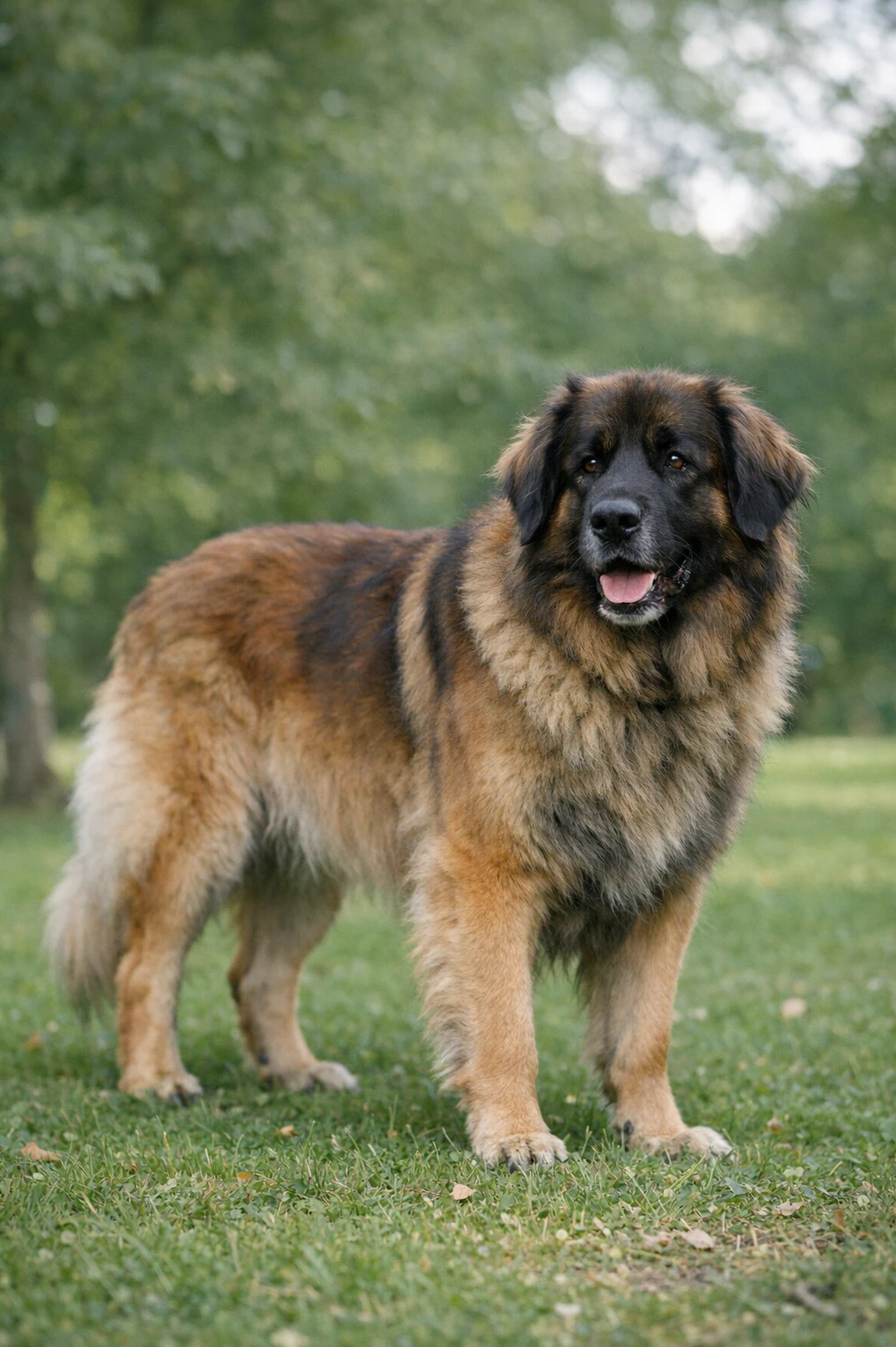
Leonberger males are big, standing 28 to 31.5 inches tall and weighing 110 to 170 pounds. Affectionate, lively and mellow by nature. Nutritional verdict: rich, balanced meals with portion control support health and coat.
Understanding the Leonberger Metabolism and Energy Needs
Leonberger lineage comes from dogs bred to haul, guard, and work near water, so modern individuals inherit robust frames and steady temperaments. That background means diets should support large-muscle maintenance without excess calories, favoring high-quality animal proteins like chicken, beef, or fish to preserve lean mass and support slow, controlled growth in young dogs.
Healthy fats are important for endurance and a lush coat, so include sources rich in omega-3s such as salmon oil to reduce inflammation and help joint comfort. Complex carbohydrates and fiber provide steady energy and help prevent weight gain from bursts of play, while joint supplements like glucosamine and chondroitin protect hips and elbows over time. Overall choose nutrient-dense food that balances calories, supports connective tissues, and keeps an easygoing, affectionate companion moving comfortably.
Managing Leonberger Genetic Health Risks Through Nutrition
Bloat (Gastric Torsion)
Helpful nutrients
Obesity / Overweight
Helpful nutrients
Parasite-related illness
Helpful nutrients
Leonberger Feeding & Calorie Calculator
Estimated Daily Calories
Tip: Start with this amount and adjust after 2–3 weeks based on your dog's body condition and weight trend.
This estimate provides a starting point for feeding. Individual calorie needs may vary depending on metabolism, body condition, and health status. Always monitor your dog's weight and consult your veterinarian when adjusting diet.
Foods and Ingredients to Avoid for Leonberger Dogs
Leonbergers can gain weight easily and are at higher risk for joint strain and other weight-related problems, so avoid feeding fatty table scraps, greasy meats, or high-fat treats.
Excessive dietary fat can also trigger pancreatitis in sensitive dogs, which is painful and can require emergency care.
Choose lean protein sources and measure treats carefully, keeping overall daily calories appropriate for your dog’s activity level and body condition to protect joints and long-term health.
Because large, deep-chested breeds like Leonbergers are more prone to gastric dilatation and volvulus, avoid feeding very large single meals or foods that encourage gulping and air swallowing.
Foods that cause rapid eating, including highly palatable wet meals or loose kibble in big bowls, can increase the chance of gas accumulation.
Split daily food into two or more meals, feed calmly, and avoid vigorous exercise right before or after eating to reduce bloat risk and keep digestion steady.
Many commercial grain-free diets rely heavily on legumes, peas, or lentils, which can be hard to digest in large amounts and may increase intestinal gas and discomfort.
For a giant breed that is already at risk for bloat and sensitive digestion, high levels of fermentable fiber can lead to uncomfortable bloating and increased meal-related gas.
Work with your veterinarian to choose balanced formulas and avoid diets where legumes are the dominant ingredient, especially if your dog has a history of digestive issues.
Leonberger puppies need controlled growth to protect developing bones and joints, so avoid diets or supplements with excessive calcium or unrestricted high-calorie feeding.
Overfeeding, or giving extra bone meal or calcium chews, can lead to too-rapid bone growth and a higher risk of hip and elbow problems later in life.
Feed a large-breed puppy formula recommended by your veterinarian and monitor weight closely to support steady, healthy development without overloading nutrients.
Cooked bones can splinter easily and cause mouth or throat injuries, intestinal blockages, or perforation, which are serious emergencies for a dog of any size.
Even though Leonbergers are powerful chewers, cooked bones and brittle fragments pose a real risk of broken teeth and internal damage.
If you offer chews, choose veterinarian-approved, appropriately sized options made for large breeds and always supervise chewing sessions to reduce choking and injury hazards.
Certain human foods are toxic to dogs and can be life-threatening, so avoid xylitol sweeteners, chocolate, grapes and raisins, onions, garlic, and macadamia nuts entirely.
A large dog still can suffer severe reactions to these ingredients, including hypoglycemia, liver failure, kidney damage, or neurologic signs.
Keep tempting foods out of reach, check ingredients on treats and baked goods, and contact your veterinarian immediately if you suspect ingestion of any toxic item.
How Nutritional Needs Change Throughout the Leonberger Life Stages
Leonbergers have changing nutritional needs as they move from puppyhood to adulthood and into their senior years. Growth rate, activity level, and breed-specific health tendencies all shape what and how much they need to eat. Because Leos are a giant, gentle, and playful breed, owners should tailor calories, feeding frequency, and key nutrients to support steady growth, joint health, and lifelong vitality.
| Life Stage | Age Range | Primary Objective | Key Nutrient Focus |
|---|---|---|---|
| Puppy | 0–18 months | controlled skeletal development, immune support, brain development | DHA, balanced calcium/phosphorus, high-quality protein |
| Adult | 1.5–5 years | lean muscle maintenance and sustained energy | high-quality protein, omega-3 fatty acids, fiber |
| Senior | 5+ years | joint mobility, metabolic health, and cognitive support | glucosamine, chondroitin, antioxidants, lower calories |
Leonberger puppies grow over a longer period than smaller breeds, with rapid weight gain risking joint and bone problems. Their skeletal development needs steady, controlled calories and a carefully balanced calcium to phosphorus ratio, along with high quality protein to support lean muscle. Because they can be predisposed to hip dysplasia and other orthopedic issues, avoiding excessive calories and rapid growth is important.
Feed puppies three to four smaller meals a day to steady energy and reduce bloat risk, and keep vigorous exercise away from mealtimes. Consider slow feeders and measured portions rather than free feeding, and schedule regular weight checks with your vet to adjust intake as they grow. Remember that gentle, age-appropriate play suits the breed's playful nature while protecting developing joints.
As adults, Leonbergers need nutrition that maintains strong muscle mass without promoting excess body fat, because extra weight strains their large frame. A diet with high quality protein, balanced healthy fat, and controlled calories helps sustain energy for their gentle, playful nature. Including omega-3 fats supports skin and the long double coat, and some dogs benefit from joint-supporting nutrients like glucosamine and chondroitin when recommended by a vet.
Feeding two measured meals a day can help steady energy and lower bloat risk compared with one large meal, and portion control is key to avoid obesity. Match intake to activity level, adjusting for work, play, or rest, and keep up routine vet checks to monitor weight and muscle condition. Gentle low impact exercise helps preserve muscle while protecting joints, and regular grooming keeps the coat healthy.
As Leonbergers age, metabolism often slows and mobility may decline, so calorie needs typically decrease while protein needs remain important to preserve lean muscle. Senior dogs can develop dental wear and digestive sensitivities, so easily digestible, high quality protein and moderate fiber can help. Antioxidants like vitamin E and omega-3 fatty acids support cellular health and can ease inflammation, particularly around aging joints.
Joint support becomes a priority for seniors in this giant breed, and foods or supplements containing glucosamine, chondroitin, and omega-3s can be helpful under veterinary guidance. Monitor body condition and adjust calories to prevent unwanted weight gain that stresses hips and elbows, or to address unintentional weight loss. Gentle daily movement, low impact exercise, and regular vet checks will guide the right balance of calories, nutrient density, and supplements.
Kibble vs Fresh vs Raw for Leonberger
Different feeding models suit different lifestyles and dog needs. For a Leonberger, size, activity level, and bloat risk are important when choosing a diet.
Pros
- Convenient and easy to portion for busy owners.
- Many large-breed formulas support joints and controlled calories.
- Dry texture can help reduce tartar buildup with regular brushing.
- Predictable nutrition simplifies weight management for heavy, gentle Leonbergers.
Cons
- Low moisture can worsen dehydration if your Leo is not drinking enough.
- Eating fast from big bowls may increase bloat risk without slow feeders.
- Some formulas contain fillers or artificial additives, read labels carefully.
- Less palatable for picky eaters or older dogs with reduced appetite.
Pros
- High moisture supports hydration, helpful for large dogs prone to bloat.
- Customizable to include joint supplements and targeted nutrients.
- Often highly palatable, great for picky or aging Leonbergers.
- Can use lean proteins to manage healthy weight and energy.
Cons
- Time-consuming to prepare and more costly than kibble long term.
- Requires careful planning to ensure complete nutrition and portions.
- Large single meals can raise bloat risk, feed smaller more frequent portions.
- Needs refrigeration and safe handling to avoid spoilage.
Pros
- High-quality protein may improve coat and muscle tone in active Leos.
- Low carbohydrate profile can suit dogs that do better on less starch.
- Some owners report increased energy and smaller, firmer stools.
- Feeding raw can be portioned to manage weight and activity needs.
Cons
- Higher risk of bacterial contamination, demanding strict hygiene and handling.
- Raw bones can be hazardous, even for large breeds, causing choking or fractures.
- Harder to guarantee balanced vitamins and minerals without expert guidance.
- May complicate household food hygiene with drooling and raw juices.
- Veterinarians may advise caution if immune or senior issues are present.
| Diet Type | Pros for Leonberger | Potential Downsides |
|---|---|---|
| High-Quality Kibble |
|
|
| Fresh Cooked Food |
|
|
| Raw Diet (BARF) |
|
|
Our Recommendation
For most Leonbergers, a high-quality large-breed kibble or a well-balanced fresh cooked diet tends to work best, especially with joint support and careful portion control.
Raw feeding can be an option for experienced owners and under veterinary guidance, but it requires strict hygiene and careful balancing to avoid bloat and nutritional gaps.
See Also
Breeds with similar group, size, and coat characteristics