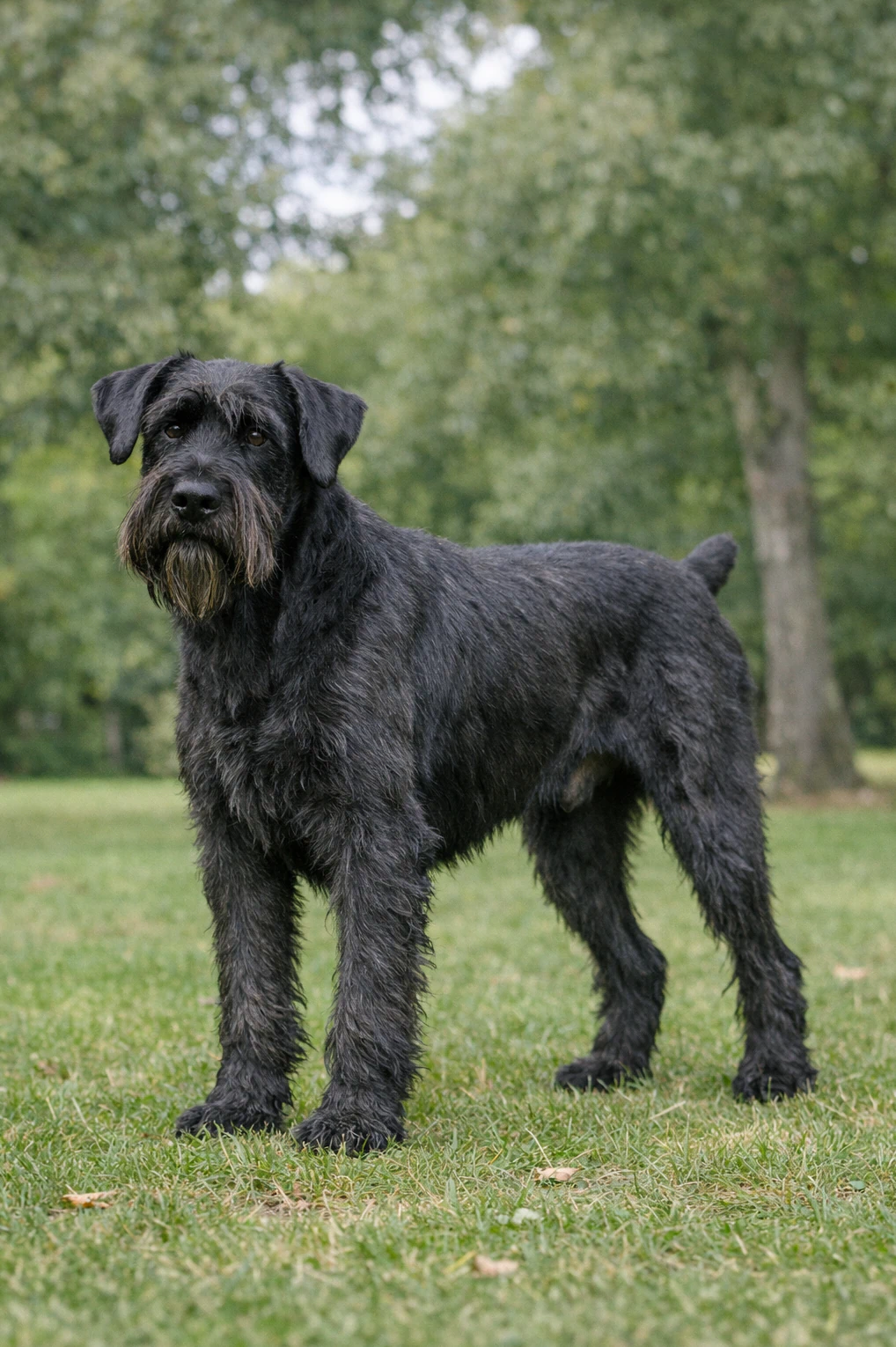
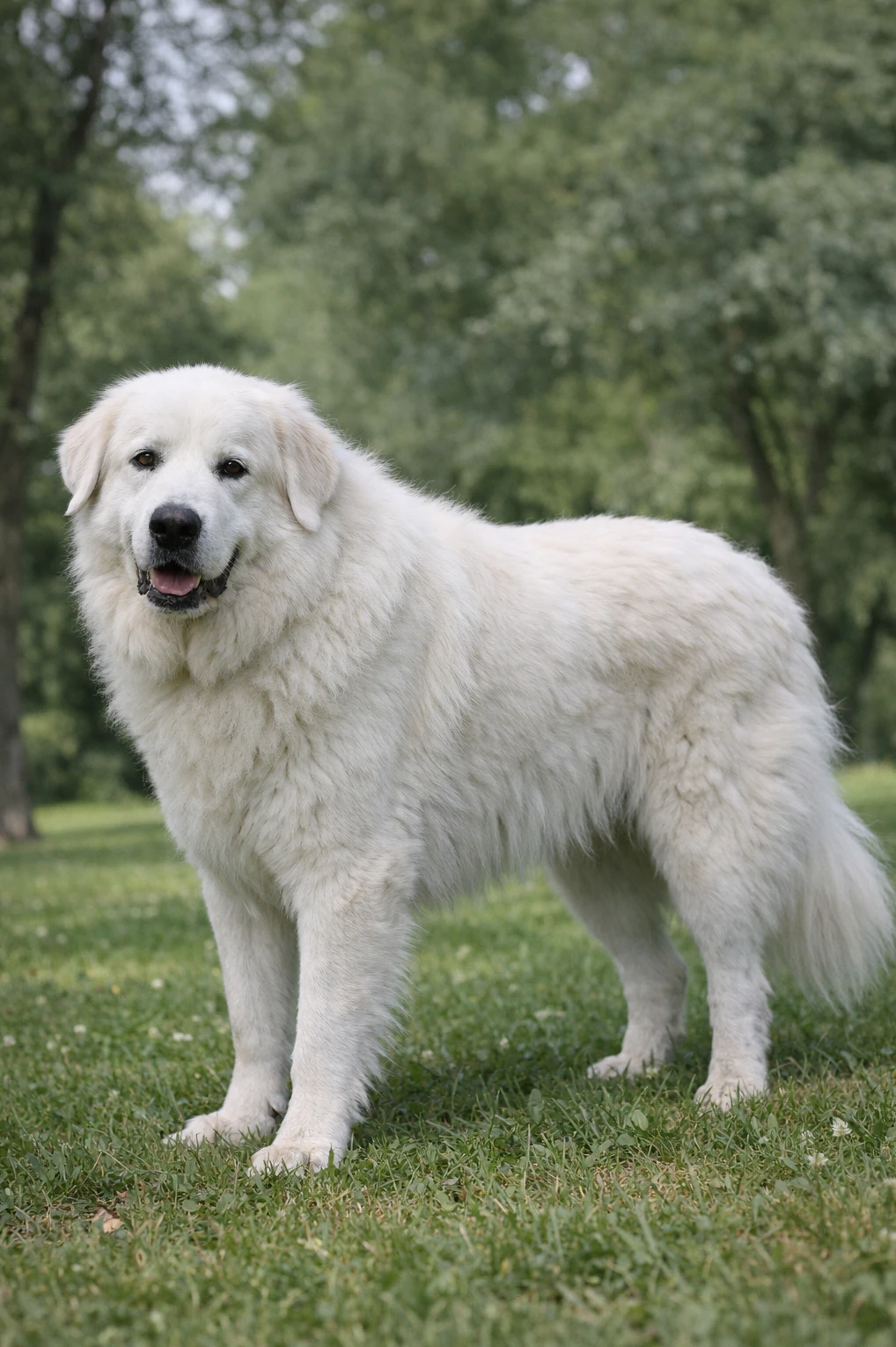
Best Dog Food for Bernese Mountain Dog in 2026Based on Nutritional Science
Big, tall companions, males stand about 25 to 27.5 inches and weigh 80 to 115 pounds, with an amiable, placid, sturdy nature.
Nutritional Verdict: Balanced, joint-supporting diets and measured calories keep them healthy and fit.
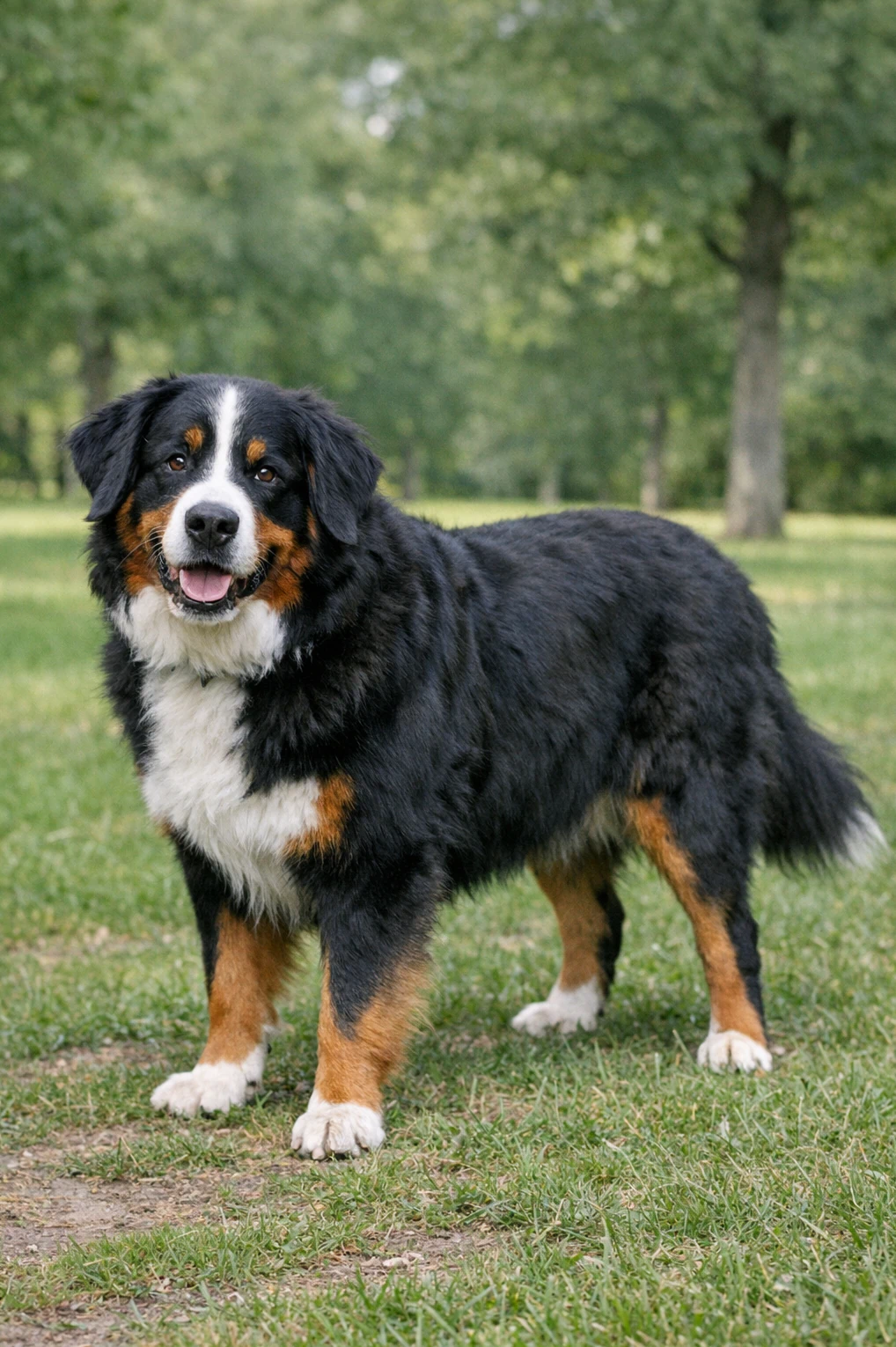
Understanding the Bernese Mountain Dog Metabolism and Energy Needs
Bernese Mountain Dogs are gentle, steady, and sturdy working dogs bred to haul and help on farms, so their bodies are built for strength more than nonstop sprinting. That history means their diet should support heavy muscle maintenance and slow, sustained energy instead of quick bursts of fuel. A higher proportion of quality animal protein helps preserve lean mass, while moderate fat supplies dense calories and supports a glossy coat and joint cushioning.
Carbohydrates should be controlled and come from digestible sources, like sweet potato or rolled oats, to avoid extra weight on their joints. Concrete choices include lean red meat or poultry for amino acids, oily fish for omega-3s, and measured whole grains for steady glucose. Joint-supporting supplements, especially glucosamine, chondroitin, and EPA/DHA, along with careful calcium and phosphorus balance during growth, are important to reduce hip and elbow stress as they mature.
Managing Bernese Mountain Dog Genetic Health Risks Through Nutrition
Hip and Elbow Dysplasia
Helpful nutrients
Blood Disorders
Helpful nutrients
Some Cancers
Helpful nutrients
Progressive Retinal Atrophy (vision health)
Helpful nutrients
Bloat (Gastric Dilatation-Volvulus)
Helpful nutrients
Ear Infections
Helpful nutrients
Dental Disease
Helpful nutrients
Obesity
Helpful nutrients
Bernese Mountain Dog Feeding & Calorie Calculator
Estimated Daily Calories
Tip: Start with this amount and adjust after 2–3 weeks based on your dog's body condition and weight trend.
This estimate provides a starting point for feeding. Individual calorie needs may vary depending on metabolism, body condition, and health status. Always monitor your dog's weight and consult your veterinarian when adjusting diet.
Foods and Ingredients to Avoid for Bernese Mountain Dog Dogs
Bernese Mountain Dogs can gain weight easily, and excess dietary fat increases the risk of obesity and pancreatitis.
Too much body weight adds stress to their hips, elbows, and spine, which is important to avoid given the breed's predisposition to joint issues.
Keep treats and table scraps low in fat, and choose lean protein and moderate-fat commercial diets formulated for large breeds. If you suspect pancreatitis, contact your veterinarian promptly.
Xylitol, found in sugar-free gum, some peanut butters, and many human products, is highly toxic to dogs and can cause rapid hypoglycemia and liver failure.
Even a small amount can be dangerous for a large dog, so read labels carefully before sharing any human food.
Avoid any products with artificial sweeteners and keep them well out of reach. If accidental ingestion occurs, seek veterinary care immediately.
Large, single meals and gulping food increase the risk of gastric dilatation and volvulus, commonly called bloat, which large deep-chested breeds like Berners are prone to.
Bloat is life-threatening and often happens after heavy meals or vigorous activity following eating.
Feed smaller, more frequent meals and consider slow-feeding bowls to reduce gulping.
Discuss portion sizing and feeding schedules with your veterinarian to match your dog’s weight and activity level.
Large breed puppies need controlled calcium and calorie intake to support steady, healthy growth and reduce the risk of hip and elbow dysplasia.
Diets that are too rich in calcium or calories can cause rapid bone growth and joint problems later in life.
Use veterinarian-recommended large-breed puppy formulas and avoid free-feeding high-calorie foods or indiscriminate supplementation unless directed by your vet. Monitor body condition and growth regularly.
Some grain-free diets that rely heavily on peas, lentils, or other legumes have been linked to heart issues in certain dogs.
While research is ongoing, Bernese Mountain Dogs benefit from balanced diets with named meat proteins and whole grains unless your dog has a specific sensitivity.
If considering a grain-free option, consult your veterinarian and choose formulas proven to meet large-breed nutritional needs.
Regular heart checks and monitoring for changes in energy or breathing are sensible precautions.
Cooked bones can splinter and cause mouth injuries, choking, or dangerous intestinal blockages, which are particularly risky for a large dog prone to serious complications.
Even seemingly sturdy bones can break into sharp pieces that harm the digestive tract.
Avoid giving cooked or brittle bones as treats, and opt for safe chew alternatives recommended for large breeds.
Supervise any chew time and discard chews that become small enough to swallow whole.
How Nutritional Needs Change Throughout the Bernese Mountain Dog Life Stages
Bernese Mountain Dogs have changing nutritional needs as they move from puppyhood to adulthood and into their senior years. Their diet should match growth rate, activity level, and breed health tendencies like hip and elbow concerns and bloat. Because Berners are a giant, slow-maturing breed, nutrient balance and controlled growth are especially important to support bones, joints, and long-term health.
| Life Stage | Age Range | Primary Objective | Key Nutrient Focus |
|---|---|---|---|
| Puppy | 0–18 months | controlled skeletal development, immune support, brain development | DHA, balanced calcium/phosphorus, high-quality protein |
| Adult | 1.5–5 years | lean muscle maintenance and sustained energy | high-quality protein, omega-3 fatty acids, fiber |
| Senior | 5+ years | joint mobility, metabolic health, and cognitive support | glucosamine, chondroitin, antioxidants, lower calories |
Bernese puppies grow for a long time compared with smaller breeds, with skeletal structures that need steady, not rushed, development. For giant puppies this means moderate calories and a growth formula designed to slow the rate of bone growth, which helps reduce the risk of hip and elbow issues commonly screened for by responsible breeders. Feed for steady weight gain rather than quick size.
Offer smaller, frequent meals three to four times a day during early growth, then gradually move to two meals to lower bloat risk and keep digestion steady. Focus on high quality protein to build strong muscles, controlled calcium and phosphorus to protect bone health, DHA for brain and eye development, and omega-3 fats plus joint-support nutrients if advised by your vet. Monitor weight and growth closely, since activity level is moderate but strength is high.
As adult Bernese Mountain Dogs reach maturity they need a diet that preserves muscle mass while providing steady energy for daily walks and chores. Choose a balanced adult formula with high quality protein, moderate fat, and readily digestible carbohydrates, along with omega-3 fatty acids to support coat shine and joint health. Calorie control is important to avoid excess weight, which adds stress to hips and elbows in this giant breed.
Most Berners do well on two meals per day to help steady digestion and reduce bloat risk, and portion sizes should be based on body condition and activity level rather than breed averages. Regular exercise and mental stimulation keep muscle tone and prevent boredom eating, and your vet can advise adjustments for neuter status, seasonal changes, or if there are specific health screening concerns.
When Berners enter their senior years their metabolism often slows and mobility may decline, so calorie needs typically decrease while protein needs remain important to preserve lean mass. Choose highly digestible proteins and a formula that supports dental health if chewing becomes harder, and consider softer or moistened food for dogs with worn teeth. Keep an eye on weight and body condition, since both underweight and overweight dogs face different risks for this giant breed.
Joint support ingredients such as glucosamine, chondroitin, and omega-3 EPA/DHA can ease stiffness, and antioxidants like vitamins E and C help support long-term cellular health and may be protective in breeds prone to cancer. Seniors may also benefit from increased fiber and probiotic support for digestion, and splitting the daily ration into smaller meals can lower bloat risk and improve comfort.
Kibble vs Fresh vs Raw for Bernese Mountain Dog
Different feeding models suit different lifestyles and health needs. For a Bernese Mountain Dog, size, joint health, and tendency to gain weight matter when choosing a diet.
Pros
- Large-breed formulas support controlled growth and joint health.
- Convenient and easy to portion for busy families.
- Consistent nutrient levels simplify weight and calorie management.
- Some formulas include glucosamine and chondroitin for joint support.
Cons
- Lower moisture content may not suit dogs who drink little.
- Quality varies, so ingredient scrutiny is important.
- Portion control is essential to prevent obesity in calm, large breeds.
- Some dogs find dry kibble less appealing than fresh food.
Pros
- Highly palatable, great for picky Berners.
- High moisture supports hydration and gentler digestion.
- Full control over ingredients helps manage allergies and sensitivities.
- Easier to tailor calories for weight and joint health.
Cons
- More time consuming and often more expensive than kibble.
- Requires careful recipes to ensure large-breed nutrient balance.
- Needs refrigeration and planning for busy households.
- Shorter shelf life increases waste risk if not used quickly.
Pros
- High protein can support strong muscles in this large, working breed.
- Less processing appeals to owners seeking whole-food approaches.
- Some owners report shinier coat and improved energy levels.
- Can be tailored to avoid common allergens.
Cons
- Requires strict hygiene to prevent bacterial contamination.
- Uncooked bones may pose choking or dental risks.
- Hard to balance calcium and phosphorus for large-breed growth.
- Not ideal without veterinary or nutritionist guidance.
| Diet Type | Pros for Bernese Mountain Dog | Potential Downsides |
|---|---|---|
| High-Quality Kibble |
|
|
| Fresh Cooked Food |
|
|
| Raw Diet (BARF) |
|
|
Our Recommendation
For Bernese Mountain Dogs, large-breed kibble or carefully planned fresh cooked diets often offer the best balance of joint support, weight control, and convenience.
Raw feeding can work for experienced owners with veterinary oversight, but it requires strict hygiene and precise nutrient balancing.
See Also
Breeds with similar group, size, and coat characteristics