Best Dog Food for Schapendoes in 2026Based on Nutritional Science
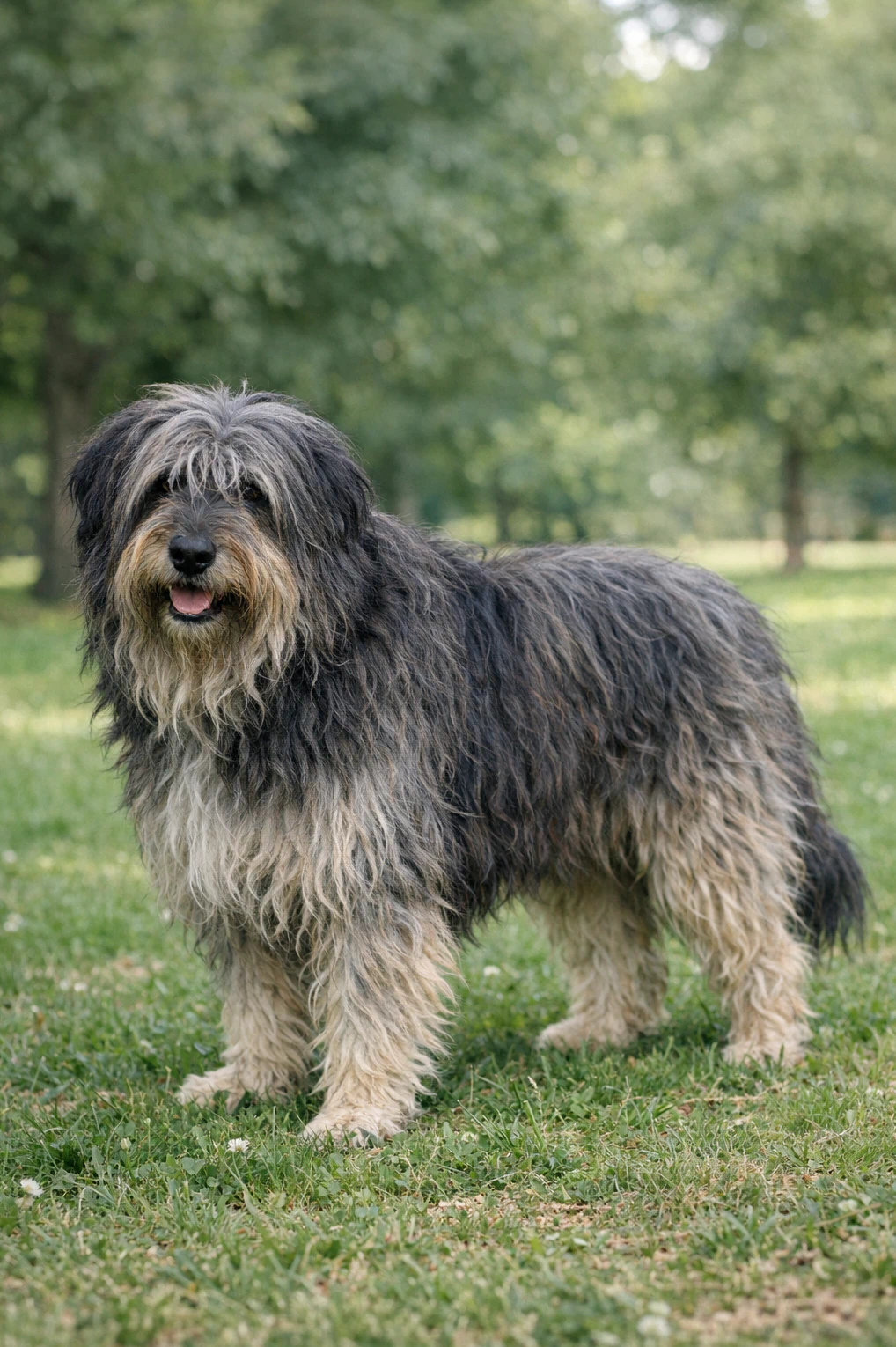
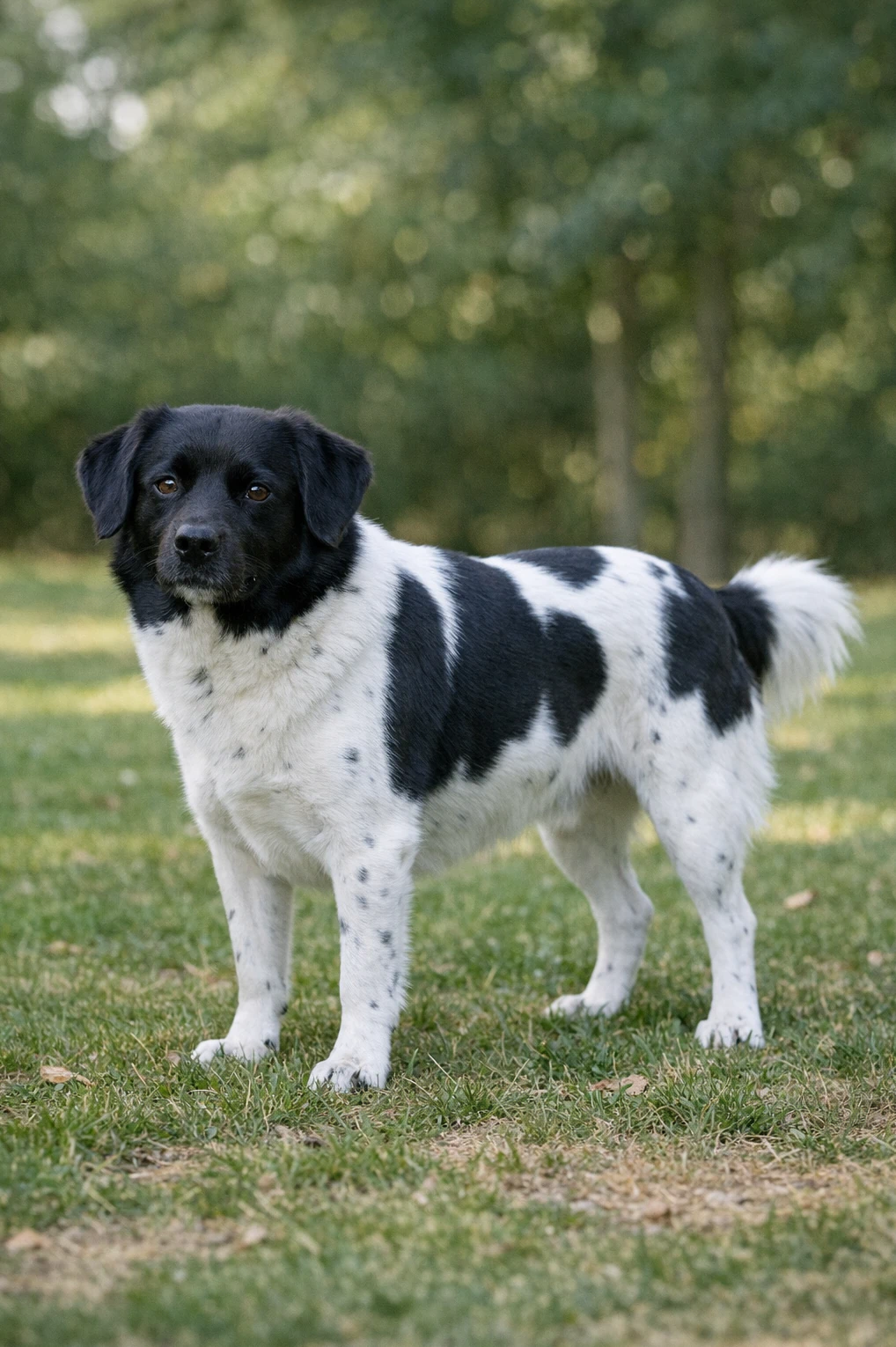
Schapendoes is a medium dog, 16 to 20 inches and 26 to 55 pounds, outgoing, vigilant, and playful.
Nutritional verdict: a balanced, protein-forward diet with moderate calories keeps energy up and coat healthy.
Understanding the Schapendoes Metabolism and Energy Needs
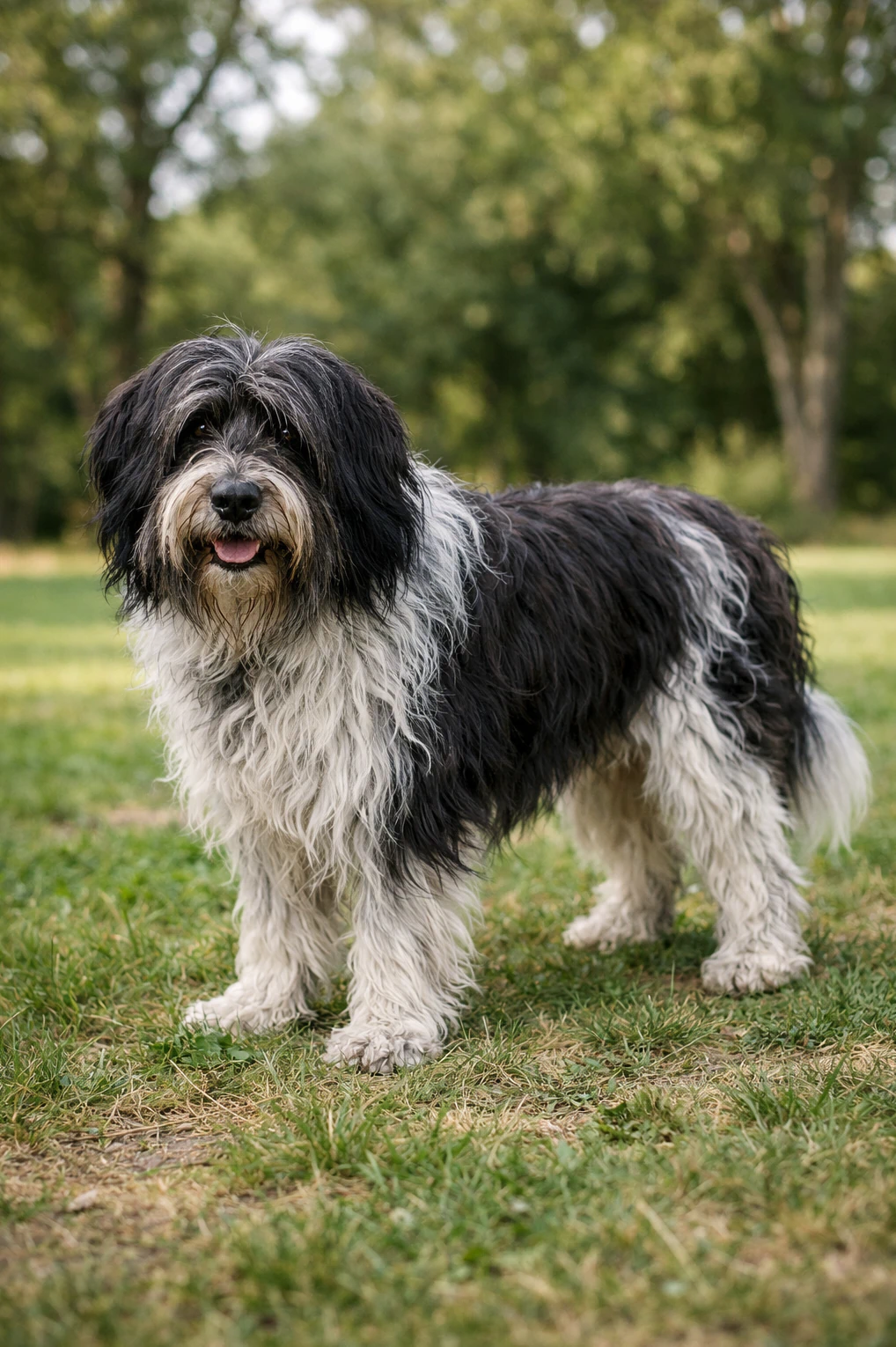
This Schapendoes comes from Dutch herding roots, shaped to cover ground and keep animals in order, so modern companions still need fuel for endurance and clear thinking. Their sociable temperament and constant curiosity mean mealtimes should support both physical activity and mental engagement.
Higher levels of quality protein help maintain lean muscle and speed recovery after bursts of play, with whole meat sources such as chicken or lamb offering essential amino acids. Rich, digestible fats provide steady energy for long outings and help preserve a dense, healthy coat, and omega-3 supplements support skin and joint comfort.
Moderate, well-chosen carbohydrates from whole grains or vegetables supply stable energy without sudden spikes, while fiber aids digestion. Adding joint-support nutrients and probiotics can keep these energetic dogs mobile and mentally steady through active days at home and in the field.
Managing Schapendoes Genetic Health Risks Through Nutrition
Schapendoes Feeding & Calorie Calculator
Estimated Daily Calories
Tip: Start with this amount and adjust after 2–3 weeks based on your dog's body condition and weight trend.
This estimate provides a starting point for feeding. Individual calorie needs may vary depending on metabolism, body condition, and health status. Always monitor your dog's weight and consult your veterinarian when adjusting diet.
Foods and Ingredients to Avoid for Schapendoes Dogs
Though the Schapendoes is a lively, medium-sized herding dog, diets high in fat can quickly lead to unwanted weight gain and put extra stress on hips, knees, and the spine.
Very fatty meals or table scraps also raise the risk of pancreatitis, a painful and potentially serious condition that often requires emergency care.
Stick to lean proteins, measured portions, and low-fat treats to keep energy levels stable and body weight in a healthy range.
Grain-free foods that rely heavily on legumes like peas, lentils, and chickpeas have been associated with cases of cardiac issues in some dogs, so they deserve careful consideration.
For a medium-breed Schapendoes with moderate activity, a sudden switch to a legume-rich formula can upset nutrient balance and potentially affect heart health over time.
Talk with your veterinarian before choosing a grain-free or boutique diet, and favor formulas backed by nutritional research and clear ingredient sources.
Artificial preservatives, colors, and flavor enhancers like BHA and BHT can trigger skin sensitivities, itchy ears, or digestive upset in dogs prone to allergies.
Schapendoes often have beautiful coats that benefit from stable, gentle nutrition, so avoiding these additives helps reduce flare-ups and keeps their skin and fur healthy.
Choose foods preserved with mixed tocopherols or other natural methods and read labels for clear ingredient lists.
Onions, garlic, chives, and other allium-family foods contain compounds that damage red blood cells, which can lead to hemolytic anemia even in moderate amounts when fed over time.
Because these ingredients are common in sauces, seasonings, and table scraps, a Schapendoes can be exposed easily so it is safest to avoid any food containing them.
If you suspect exposure, contact your veterinarian promptly as signs may not appear right away.
Xylitol and some artificial sweeteners, often found in sugar-free gums, candies, certain peanut butters, and baked goods, can cause a rapid drop in blood sugar and serious liver damage in dogs.
Even small amounts can be dangerous for a medium-sized Schapendoes, so always check labels and keep human treats well out of reach.
When in doubt, choose unsweetened, dog-safe alternatives and store pantry items securely.
Cooked bones are brittle and can splinter, posing a choking hazard or causing mouth, throat, and intestinal injuries, while fatty table scraps increase the likelihood of pancreatitis and rapid weight gain.
Given the Schapendoes's medium size, extra weight from frequent scraps stresses joints and can reduce stamina during walks and play.
Offer veterinarian-approved chew toys or appropriate raw bones when recommended, and feed small, measured treats instead of leftovers.
How Nutritional Needs Change Throughout the Schapendoes Life Stages
Dogs need different nutrition at puppyhood, adulthood, and their senior years because growth, energy and body maintenance change over time. For a Schapendoes, these needs are shaped by a steady but sometimes rapid growth rate, lively activity level, and breed characteristics like a long double coat. Breed size, activity and any common health tendencies influence calorie needs, protein levels and key nutrients throughout life.
| Life Stage | Age Range | Primary Objective | Key Nutrient Focus |
|---|---|---|---|
| Puppy | 0–15 months | controlled skeletal development, immune support, brain development | DHA, balanced calcium/phosphorus, high-quality protein |
| Adult | 1.5–6 years | lean muscle maintenance and sustained energy | high-quality protein, omega-3 fatty acids, fiber |
| Senior | 6+ years | joint mobility, metabolic health, and cognitive support | glucosamine, chondroitin, antioxidants, lower calories |
Schapendoes puppies grow steadily into a medium-large, lively dog, though some individuals hit growth spurts that place extra stress on developing bones and joints. During this stage they need controlled, high-quality calories to support steady growth while avoiding excessive weight gain, plus balanced calcium and phosphorus for healthy skeletal development. Omega fatty acids and high-quality protein support coat and muscle formation, while DHA helps brain and vision development.
Feed Schapendoes puppies multiple small meals a day, typically three to four feedings when young, then gradually reducing to two as they mature. Because of their active nature and watchful temperament, diets should provide appropriate energy and joint-support ingredients, and owners should monitor growth to reduce risk of orthopedic strain.
Adult Schapendoes are lively, agile dogs that benefit from a balanced diet to maintain lean muscle and steady energy for daily activity. A diet focused on high-quality protein supports muscle maintenance, while moderate healthy fats supply sustained energy for their playful temperament. Complex carbohydrates and fiber help steady digestion, and omega fatty acids keep the long double coat glossy and reduce skin irritation.
Portion control should reflect each dog's activity level, with more active dogs needing higher calories and less active or household pets needing maintenance portions to prevent weight gain that can stress joints. Regular feeding times, occasional activity-adjusted treats, and routine body condition checks help keep a Schapendoes fit and ready for work or play.
As Schapendoes age they may show slower metabolism, reduced activity and changes in digestion and dental health that affect how they use calories. Senior diets often need fewer calories to prevent weight gain, paired with easily digestible, high-quality protein to preserve muscle mass. Increased fiber can support digestive regularity, while natural antioxidants and vitamins help protect aging cells and support immune function.
Joint support becomes more important for a breed that grows into a medium-large, active dog, so consider diets or supplements with joint-support nutrients and omega-3 fats to ease inflammation and support mobility. Monitor weight and coat condition, adjust portion sizes if activity decreases, and work with your veterinarian to tailor nutrient levels and address dental or digestive concerns.
Kibble vs Fresh vs Raw for Schapendoes
Different feeding models suit different lifestyles and energy needs, especially for a lively, watchful Schapendoes.
Consider activity level, grooming needs, and your time for meal prep when choosing a diet.
Pros
- Convenient and easy to portion for busy owners of lively Schapendoes.
- Balanced formulas support sustained energy for active play sessions.
- Crunchy texture can help reduce tartar between grooming visits.
- Available in calorie levels suitable for their medium build.
Cons
- Lower moisture content may require extra water or wet additions.
- Some brands include fillers that add unnecessary calories.
- Less fresh ingredients may not optimally support long coat condition.
- May be less appealing to picky Schapendoes after intense activity.
Pros
- High moisture supports hydration and gentler digestion for active dogs.
- Fresh ingredients can improve coat sheen and skin health.
- Easy to tailor calories as their activity level changes.
- Often more palatable for picky or recovering Schapendoes.
Cons
- Requires careful planning to ensure complete nutrient balance.
- Meal prep and refrigeration add ongoing time and cost.
- Shorter shelf life increases spoilage risk if mishandled.
- Often needs mineral or vitamin supplements for high activity.
Pros
- High protein and minimal processing can support energy and muscle tone.
- Some owners report shinier coats and cleaner teeth.
- Full control over ingredient quality and sourcing.
- Can suit active Schapendoes when recipes are properly balanced.
Cons
- Requires strict hygiene to prevent bacterial contamination risks.
- Whole or small bones can pose choking and dental hazards.
- Harder to ensure complete nutrition without expert guidance.
- Often more expensive and time-consuming than kibble or cooked meals.
| Diet Type | Pros for Schapendoes | Potential Downsides |
|---|---|---|
| High-Quality Kibble |
|
|
| Fresh Cooked Food |
|
|
| Raw Diet (BARF) |
|
|
Our Recommendation
For many Schapendoes, high-quality kibble offers a convenient, balanced baseline, while fresh cooked food shines for coat and picky appetites.
Raw diets can work well for dedicated owners who manage hygiene and nutritional balance carefully.
See Also
Breeds with similar group, size, and coat characteristics