Best Dog Food for Kishu Ken in 2026Based on Nutritional Science
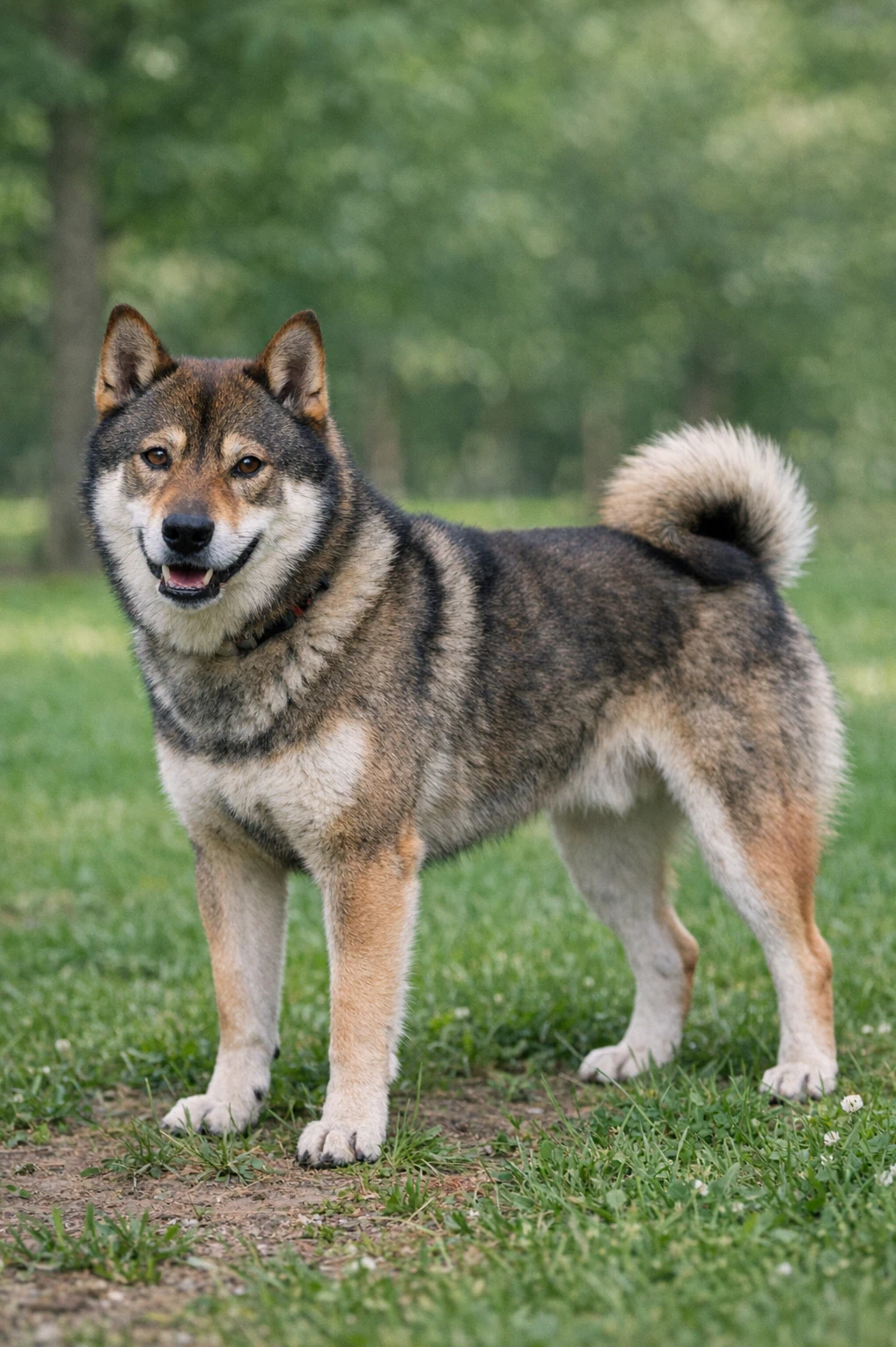
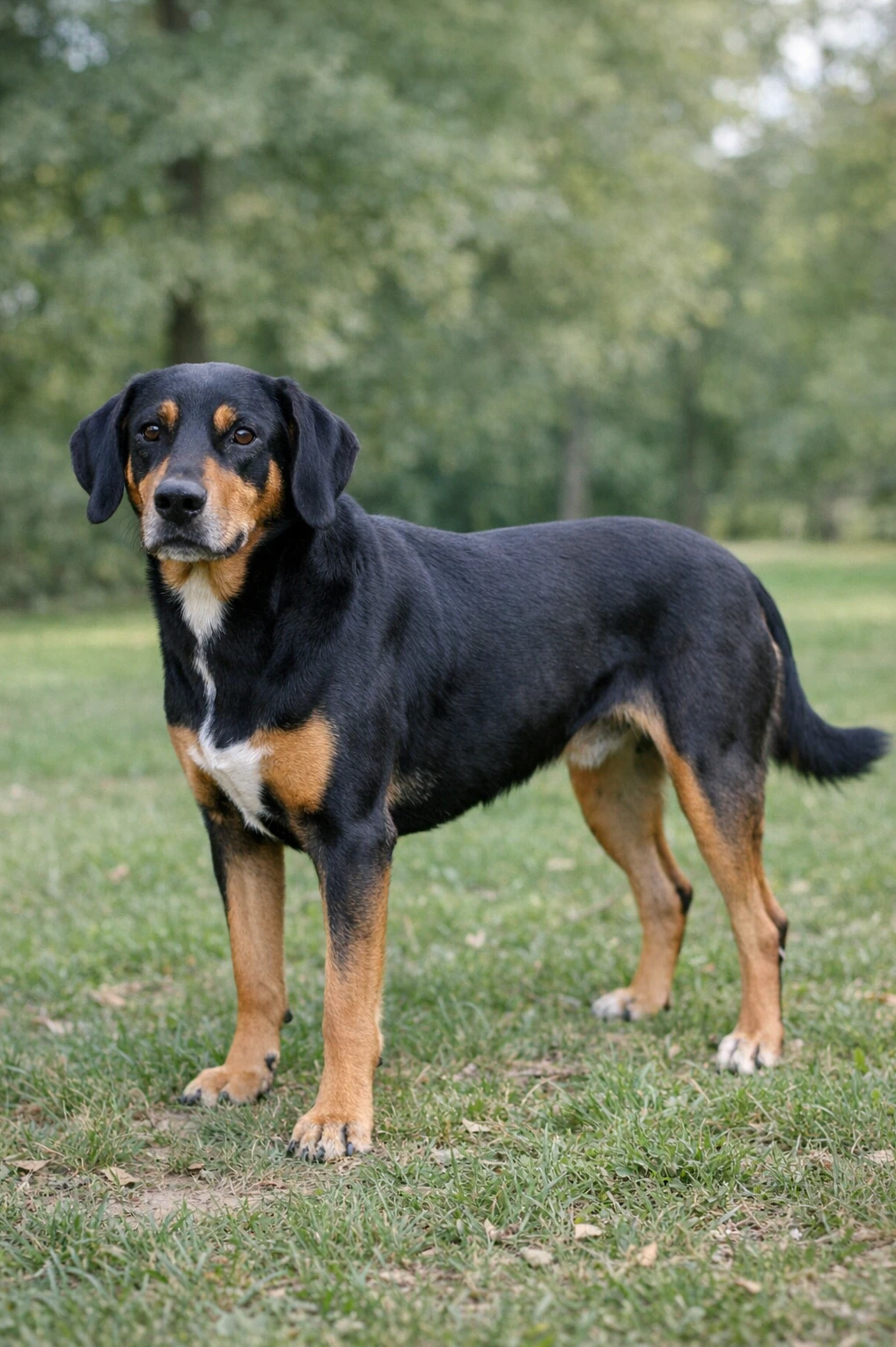
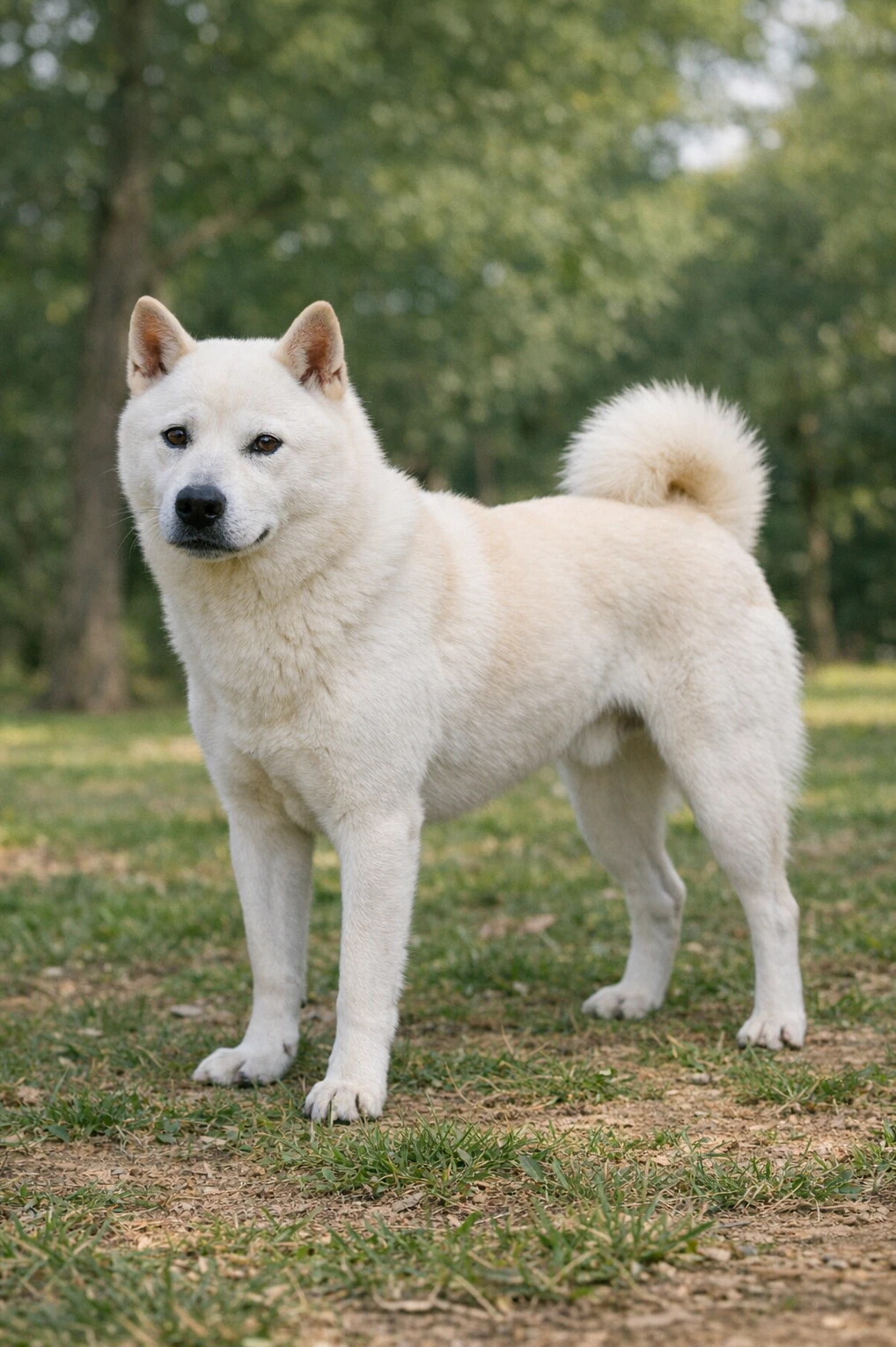
Kishu Ken is a medium, sturdy dog standing 19 to 22 inches and weighing 30 to 60 pounds, watchful, amiable and self-assured. Nutritional verdict: balanced, protein-forward meals support steady energy and lean muscle.
Understanding the Kishu Ken Metabolism and Energy Needs
Kishu Ken are traditional Japanese hunting companions, bred to work in rugged terrain and to track game with quiet persistence. Their heritage means they excel at short bursts and steady outings, so nutrition should help preserve lean muscle, support joints, and supply reliable energy.
Prioritize high quality protein from whole meats to rebuild muscle after running and exploring, and include moderate levels of healthy fats like fish oil to give concentrated fuel and support skin and brain health. Add low glycemic complex carbohydrates such as sweet potato or brown rice to refill energy stores without sudden spikes, plus fiber from vegetables for steady digestion.
Consider joint support supplements like glucosamine and chondroitin, and omega-3s to manage inflammation and keep the coat glossy. Keep portions matched to activity, aiming for a trim, athletic condition that suits their energetic, self-assured nature.
Managing Kishu Ken Genetic Health Risks Through Nutrition
Environmental & Food Allergies
Helpful nutrients
Autoimmune Thyroiditis
Helpful nutrients
Addison's Disease (Adrenal Insufficiency)
Helpful nutrients
Systemic Lupus Erythematosus
Helpful nutrients
Cutaneous and Discoid Lupus
Helpful nutrients
Kishu Ken Feeding & Calorie Calculator
Estimated Daily Calories
Tip: Start with this amount and adjust after 2–3 weeks based on your dog's body condition and weight trend.
This estimate provides a starting point for feeding. Individual calorie needs may vary depending on metabolism, body condition, and health status. Always monitor your dog's weight and consult your veterinarian when adjusting diet.
Foods and Ingredients to Avoid for Kishu Ken Dogs
Kishu Ken can be sensitive to diets high in starch, and some individuals show allergy-like skin reactions or digestive upset when fed starchy formulas.
Excessive starch can also contribute to unwanted weight gain in a 30 to 60 pound dog, which adds stress to joints and energy levels.
Choosing lower-carbohydrate options or limited-starch recipes helps keep their skin calmer and weight steadier, while supporting an active, healthy lifestyle.
Many Kishu Ken seem prone to reacting to common proteins like beef and chicken, which can show up as itchy skin, ear problems, or chronic digestive issues.
If your dog has recurring skin or gut trouble, consider rotating to novel proteins for a trial and work with your vet on an elimination plan.
Using alternative proteins occasionally reduces the chance of developing long-term sensitivities and helps you identify a source if symptoms persist.
Because this breed can develop environmental and food allergies, artificial colors, flavors, and preservatives may provoke skin flare-ups or tummy upset in sensitive Kishu Ken.
Ingredients such as BHA, BHT, and synthetic dyes offer no nutritional benefit and are best avoided when possible.
Opting for diets preserved naturally and kept simple in ingredient lists makes it easier to spot problem items and keeps their coat and digestion in better shape.
Kishu Ken have a known risk for autoimmune thyroiditis, so diets very high in soy or frequent large servings of raw cruciferous vegetables could interfere with thyroid function in susceptible dogs.
While occasional soy or cooked veggies are usually fine, reliance on soy-based protein or heavy, raw goitrogenic foods is not ideal for dogs predisposed to thyroid issues.
If thyroid disease is a concern, choose balanced diets and discuss ingredient choices with your veterinarian.
Rich, fatty foods and frequent table scraps can trigger digestive upsets, rapid weight gain, and in some cases pancreatitis, which is uncomfortable and dangerous for any dog.
For a medium-sized breed like the Kishu Ken, maintaining lean body condition supports joint health and overall vitality.
Keep treats low in fat, avoid fried or greasy human foods, and reserve richer items only for vet-directed situations.
Some grain-free recipes that rely heavily on peas, lentils, or potatoes in place of grain have been associated with heart concerns in certain dogs when used long term, and they may be low in specific amino acids.
While not every dog will be affected, Kishu Ken owners should be cautious about exclusive long-term feeding of pulse-dense formulas.
Choose complete, balanced diets from reputable manufacturers and have routine veterinary checkups to monitor heart and overall health.
How Nutritional Needs Change Throughout the Kishu Ken Life Stages
A Kishu Ken’s nutritional needs change as it moves from puppyhood to adulthood and into its senior years. Growth rate, activity level, and breed-specific health tendencies such as autoimmune allergies or thyroid concerns influence calorie needs, protein levels, feeding frequency, and supplements, so diet should be adjusted thoughtfully to support steady development, lifelong muscle tone, and healthy aging.
| Life Stage | Age Range | Primary Objective | Key Nutrient Focus |
|---|---|---|---|
| Puppy | 0–15 months | controlled skeletal development, immune support, brain development | DHA, balanced calcium/phosphorus, high-quality protein |
| Adult | 1.5–6 years | lean muscle maintenance and sustained energy | high-quality protein, omega-3 fatty acids, fiber |
| Senior | 6+ years | joint mobility, metabolic health, and cognitive support | glucosamine, chondroitin, antioxidants, lower calories |
Kishu Ken puppies are large-breed dogs that grow through their first year, and they need controlled nutrition to support healthy skeletal development without encouraging overly rapid growth. Focus on high quality proteins and a balanced calcium to phosphorus ratio to help bones mature properly.
Feed Kishu puppies three to four small meals a day at younger ages, moving to two meals by about 12 months, to avoid hungry spikes and to support steady growth. Because they are active and confident, calorie needs can be moderate to high, but portion control matters to prevent excessive weight gain.
Given the breed’s tendency toward autoimmune issues and allergies, consider limited ingredient formulas or novel proteins if sensitivities appear, and discuss supplements such as omega-3 fatty acids for coat and immune support with your vet. Probiotics and careful introduction of new foods can help the developing digestive and immune systems.
An adult Kishu Ken needs a diet that preserves lean muscle and fuels an active, confident temperament, while avoiding excess calories that lead to weight gain. Prioritize high quality animal protein to support muscle maintenance, and moderate healthy fats for energy and skin health.
Balanced carbohydrates from whole grains or vegetables provide sustained energy for regular activity, and portion control is key since this breed ranges from moderate to high activity depending on lifestyle. Feed adults twice daily to stabilize metabolism and monitor body condition score, adjusting intake for working dogs or more sedentary pets.
Because Kishu can be prone to autoimmune conditions and allergies, choose hypoallergenic or limited-ingredient recipes if sensitivities arise, and check thyroid function and overall wellness with your vet to tailor nutrient needs. Supplements like omega-3s can support coat and inflammation management when recommended.
As Kishu Ken enter their senior years, metabolism and calorie needs often slow while digestion can become more sensitive, and mobility may decrease even if degenerative joint disease is uncommon in the breed. Watch weight carefully, as carrying extra pounds strains joints and overall health.
Senior diets should offer slightly fewer calories with high quality, easily digestible protein to preserve muscle, plus moderate fat and increased fiber for steady digestion. Consider feeding smaller, more frequent meals to suit a slower metabolism and reduce digestive upsets.
Provide joint support through omega-3 fatty acids and vet-approved glucosamine or chondroitin, and include antioxidants like vitamins E and C to help immune health, especially given the breed’s autoimmune tendencies. Regular veterinary checks for thyroid and adrenal function will help fine tune calorie and nutrient adjustments as your Kishu ages.
Kibble vs Fresh vs Raw for Kishu Ken
Different feeding models suit different lifestyles, activity levels, and health needs.
For Kishu Ken, their confident, active nature and possible autoimmune tendencies make ingredient choice important.
Pros
- Convenient and easy to portion for busy owners.
- Provides consistent, balanced nutrition per serving.
- Easy to manage calories for this medium, active breed.
- Dry texture can help reduce tartar on teeth.
Cons
- Some formulas contain common allergens like chicken or beef.
- Lower moisture may not suit dogs that drink less.
- Ingredient quality varies, so labels need attention.
- Some kibbles include fillers that add little nutrition.
Pros
- Highly palatable, great for picky Kishu.
- High moisture content supports digestion and hydration.
- You control ingredients to avoid known allergens.
- Fresh fats and proteins can support coat health.
Cons
- More time and cost involved than kibble.
- Requires careful formulation to ensure complete nutrition.
- Needs refrigeration and reliable meal prep routines.
- Less convenient for travel or busy schedules.
Pros
- High protein profile can match active Kishu energy needs.
- Some owners report improved coat and vitality.
- Minimally processed ingredients may appeal to some owners.
- Can be tailored to remove specific allergens.
Cons
- Strict hygiene is required to avoid bacterial contamination.
- Nutritional balancing is challenging without veterinary guidance.
- May be risky for dogs with autoimmune conditions or allergies.
- Whole bones can pose choking or dental hazards.
| Diet Type | Pros for Kishu Ken | Potential Downsides |
|---|---|---|
| High-Quality Kibble |
|
|
| Fresh Cooked Food |
|
|
| Raw Diet (BARF) |
|
|
Our Recommendation
Many Kishu thrive on high-quality kibble for convenience and balanced nutrition.
If allergies or autoimmune issues are present, fresh cooked or veterinary-formulated diets offer tighter ingredient control, while raw diets require careful veterinary oversight.
See Also
Breeds with similar group, size, and coat characteristics