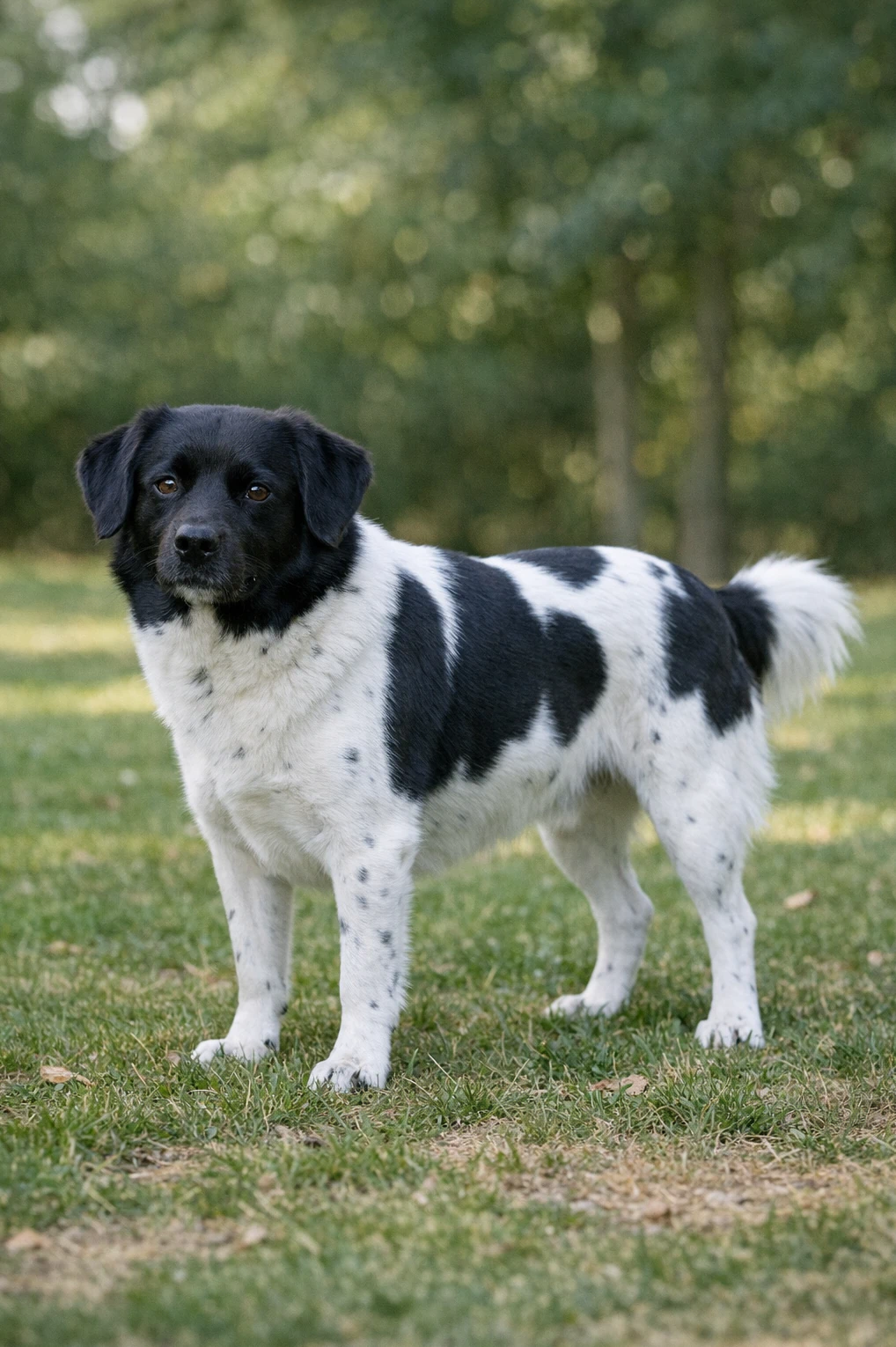
Best Dog Food for Portuguese Pointer in 2026Based on Nutritional Science
Portuguese Pointer stands 20.5-22 inches and weighs 35-59 pounds, a lively, devoted, clever companion. Nutritional Verdict. Needs a high-quality, protein-rich diet to fuel stamina, support lean muscle, and joint health.

Understanding the Portuguese Pointer Metabolism and Energy Needs
The Portuguese Pointer thrives on a diet that matches its field-bred history, full of stamina and quick bursts of activity, along with a warm, people-focused nature and lively curiosity. Meals should support lean muscle, steady energy, and a sharp mind so playtime and training stay enjoyable for both dog and family.
Aim for higher-quality animal protein to preserve muscle and aid recovery after active outings, while healthy fats supply long-lasting fuel and support cognitive health. Moderate, easily digestible carbohydrates provide steady energy and gut-friendly fiber without excess sugars. Consider omega-3s for joint and brain support, joint supplements for active joints, and B vitamins to help convert food into usable energy.
Balance calories to match daily activity and life stage, favoring nutrient-dense meals over fillers, and adjust portions as work or play levels change to keep your dog fit and content.
Managing Portuguese Pointer Genetic Health Risks Through Nutrition
Seizures
Helpful nutrients
Hip Dysplasia
Helpful nutrients
Early-onset Cancers
Helpful nutrients
Autoimmune Diseases
Helpful nutrients
Obesity / Overweight
Helpful nutrients
Portuguese Pointer Feeding & Calorie Calculator
Estimated Daily Calories
Tip: Start with this amount and adjust after 2–3 weeks based on your dog's body condition and weight trend.
This estimate provides a starting point for feeding. Individual calorie needs may vary depending on metabolism, body condition, and health status. Always monitor your dog's weight and consult your veterinarian when adjusting diet.
Foods and Ingredients to Avoid for Portuguese Pointer Dogs
Portuguese Pointers can be prone to weight gain when given extra calories, and high-fat meals raise the risk of pancreatitis and add stress to hips and joints.
Keeping daily calories sensible helps preserve their athletic build and long-term mobility.
Avoid fatty table scraps like bacon, fried foods, rich gravies, and excessive cheese, and limit treats to measured portions.
If your dog shows vomiting, abdominal pain, or lethargy after rich foods, contact your veterinarian quickly.
Grapes, raisins and currants can cause sudden, severe kidney failure in dogs, and no safe amount is known.
Even a small handful may be dangerous, so these items should never be offered.
Also avoid fruit pits such as those from cherries and peaches, which can cause intestinal blockage and contain small amounts of toxic compounds.
If you want to share fruit, offer plain apple slices without seeds and check with your vet first.
Xylitol, found in sugar-free gum, some peanut butters, baked goods, and dental products, can trigger a rapid insulin release leading to life-threatening low blood sugar and potential liver damage.
Signs may appear quickly, so prompt veterinary attention is essential.
Carefully read labels on human foods and household products, and keep anything with xylitol well out of reach.
When in doubt, choose treats and products specifically made for dogs.
Some grain-free diets that rely heavily on peas, lentils, chickpeas, and potatoes have been linked in a subset of dogs to heart muscle changes, possibly related to taurine status.
While research is ongoing, it is a consideration for active breeds like Portuguese Pointers.
Prefer formulas with a balanced ingredient profile and adequate taurine, or discuss alternatives with your veterinarian.
Regular checkups and heart monitoring help ensure your dog’s diet supports their cardiac health.
Raw meat and bones carry risks of bacterial contamination such as Salmonella or E. coli, and bones can splinter causing tooth fractures, choking, or internal punctures.
These risks may be higher if there is a family history of autoimmune or immune-related issues.
If you are considering raw feeding, work closely with your veterinarian to address safety, handling, and testing.
Safer chew alternatives and properly prepared foods can reduce some of the hazards.
Too much calcium or inappropriate supplementation during puppy growth can contribute to orthopedic problems in medium to large breeds.
Portuguese Pointer puppies need controlled calcium and phosphorus for proper bone development.
Use a balanced commercial puppy diet formulated for their expected adult size, and consult your vet before adding vitamins or minerals.
Avoid giving multiple human supplements unless directed by a professional.
How Nutritional Needs Change Throughout the Portuguese Pointer Life Stages
Dogs need different nutrition at puppyhood, adulthood, and their senior years, because growth, activity and health tendencies change over time. Breed traits like growth rate, energy level and common health predispositions shape what to feed and when. Understanding these shifts helps you choose the right calorie level, nutrient balance and feeding schedule for your Portuguese Pointer as they move through life.
| Life Stage | Age Range | Primary Objective | Key Nutrient Focus |
|---|---|---|---|
| Puppy | 0–15 months | controlled skeletal development, immune support, brain development | DHA, balanced calcium/phosphorus, high-quality protein |
| Adult | 1.5–6 years | lean muscle maintenance and sustained energy | high-quality protein, omega-3 fatty acids, fiber |
| Senior | 6+ years | joint mobility, metabolic health, and cognitive support | glucosamine, chondroitin, antioxidants, lower calories |
Portuguese Pointer puppies are large-breed pups with steady, muscular growth, and they develop over a longer period than small breeds. Because their bones and joints are still forming, controlled, steady weight gain is important to reduce the risk of hip dysplasia and other orthopedic issues. Choose a large-breed puppy formula that balances calcium and phosphorus, and avoid excessive calories from fat or supplements.
Feed puppies more frequently, typically three to four small meals a day until about four to six months, then transition to two meals. High-quality protein supports lean muscle, while DHA supports brain and vision development. Keep an eye on seizure history in the family, and discuss any supplements with your vet to avoid overdoing minerals that affect bone growth.
As adults Portuguese Pointers settle into a strong, active body that needs consistent nutrition to maintain muscle and energy. Aim for a balanced diet with high-quality protein to support lean mass and moderate fat for fuel, while keeping carbohydrates in check. Because this breed is energetic, active dogs may need more calories and slightly higher fat than couch pets, so match portions to activity level.
Regular exercise helps use calories and keep weight off hips and joints, reducing orthopedic stress. Omega-3 fatty acids support coat health and lower inflammation, which is helpful for a breed that loves to run. Monitor body condition score and adjust portions or activity rather than feeding more treats, and check with your veterinarian for specific protein and calorie targets.
As Portuguese Pointers age they often experience slower metabolism, changes in digestion and a higher chance of joint stiffness, so nutrition should adapt to keep them comfortable and healthy. Reduce calories if activity drops to prevent weight gain, but maintain or even increase high-quality protein to preserve muscle mass. Digestible proteins and added fiber can support digestion as teeth and appetite change.
Joint-support nutrients such as glucosamine, chondroitin and omega-3 fatty acids can help mobility and reduce inflammation, especially for large-breed dogs with hip concerns. Antioxidants like vitamin E and selenium support immune health and may help long-term wellness, important given some cancer or autoimmune risks in relatives. Review calorie needs and body condition with your vet and consider senior formulas that balance these needs.
Kibble vs Fresh vs Raw for Portuguese Pointer
Different feeding models suit different lifestyles and activity levels, so there is no single best choice for every dog.
For an energetic Portuguese Pointer, protein quality, calorie balance, and joint support are key considerations.
Pros
- Convenient and easy to portion for active schedules.
- Formulated to provide complete nutrients for daily energy needs.
- Dry texture can help reduce tartar on your Pointer's teeth.
- Available in high-protein formulas suited to active dogs.
Cons
- Lower moisture may not suit dogs that drink little water.
- Some formulas include fillers that add calories without nutrition.
- May need higher-calorie or protein formulas for very active dogs.
- Less variety in fresh ingredients might not entice picky eaters.
Pros
- Highly palatable, great for picky or affectionate eaters.
- High moisture supports digestion and hydration on active days.
- Allows full control over ingredient quality and protein sources.
- Easily adjusted to support joint health and ideal weight.
Cons
- More time consuming and requires regular meal prep.
- Cost adds up compared with standard kibble.
- Needs careful planning or supplements to be nutritionally complete.
- Requires refrigeration and safe storage between outings.
Pros
- High protein and minimally processed ingredients suit active dogs.
- Some owners report improved coat condition and steady energy.
- Can allow precise control over ingredient sourcing and quality.
Cons
- Requires strict hygiene to avoid bacterial risks to family and dog.
- Bone fragments can be dangerous without careful preparation.
- Balancing vitamins and minerals needs veterinary guidance to avoid gaps.
- Not ideal for households with very young or immune-compromised members.
| Diet Type | Pros for Portuguese Pointer | Potential Downsides |
|---|---|---|
| High-Quality Kibble |
|
|
| Fresh Cooked Food |
|
|
| Raw Diet (BARF) |
|
|
Our Recommendation
For most Portuguese Pointers, a high-quality kibble or thoughtfully prepared fresh diet provides the right mix of energy and convenience.
Raw feeding can work for experienced owners but needs veterinary oversight and strict safety practices.
See Also
Breeds with similar group, size, and coat characteristics