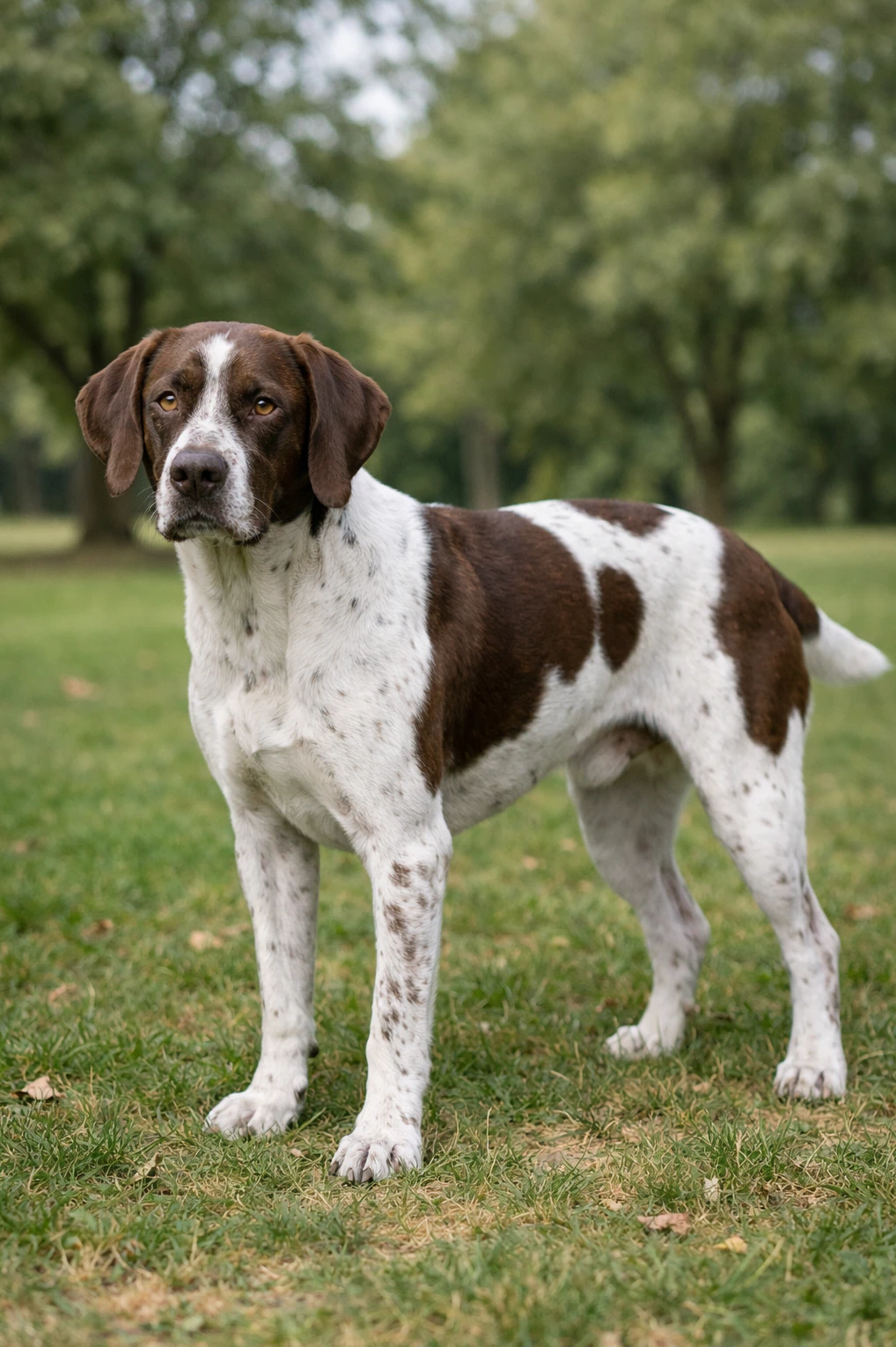
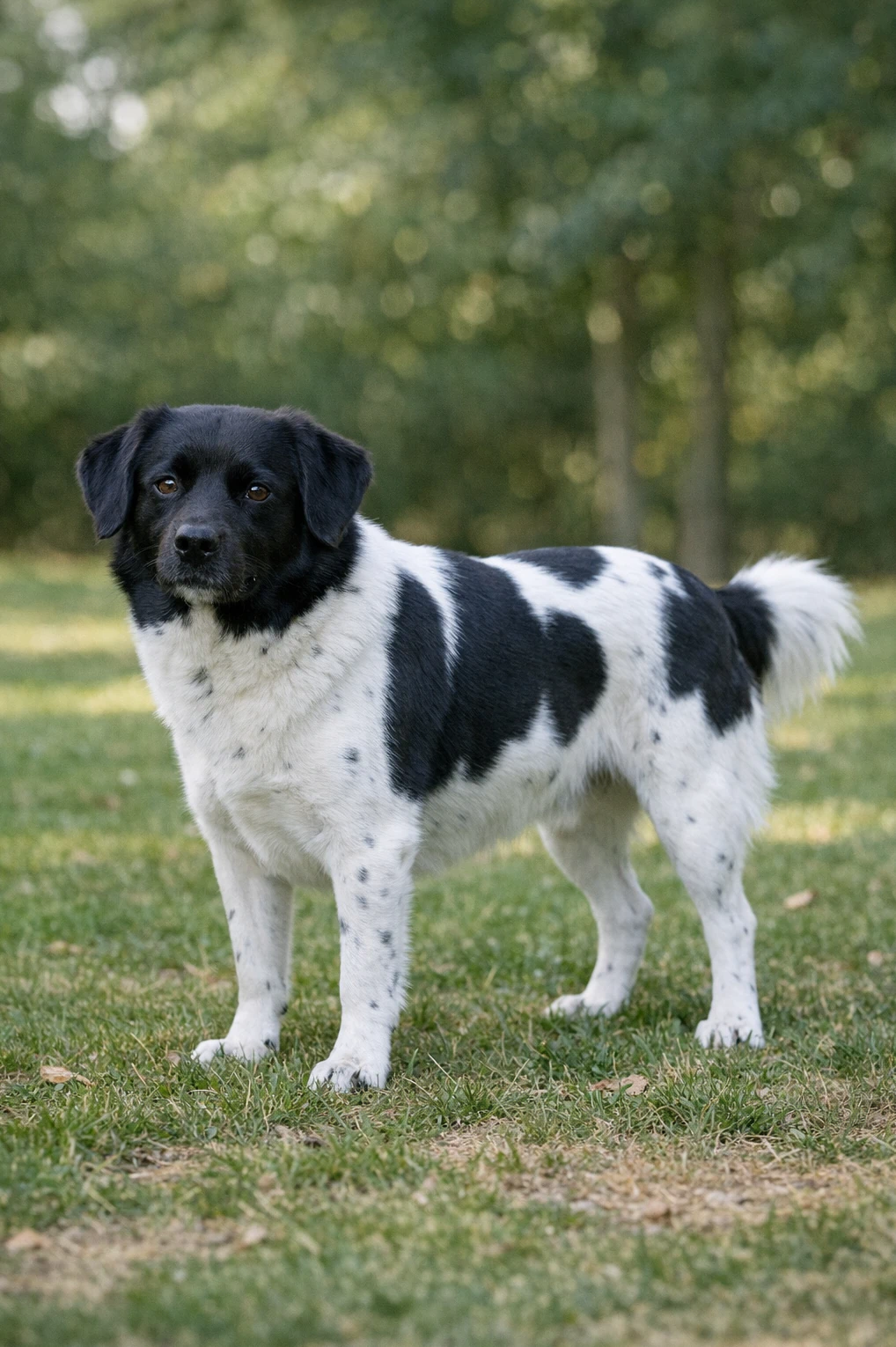
Best Dog Food for Bavarian Mountain Scent Hound in 2026Based on Nutritional Science
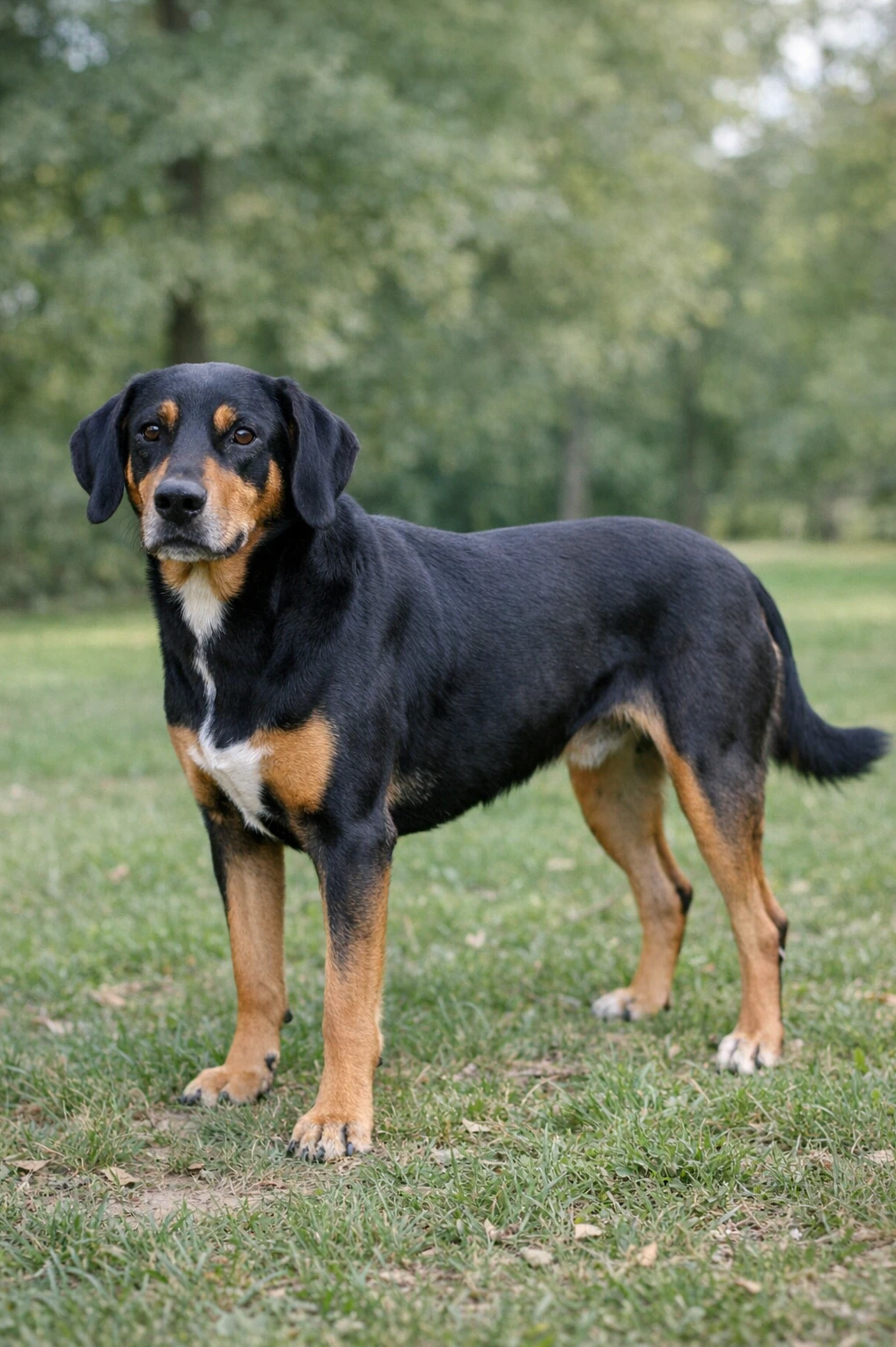
Medium-sized Bavarian Mountain Scent Hound stands about 17 to 20.5 inches and weighs 37 to 66 pounds. Devoted yet wary of strangers, adaptable worker. Nutritional Verdict: high-quality protein, joint support, moderate calories.
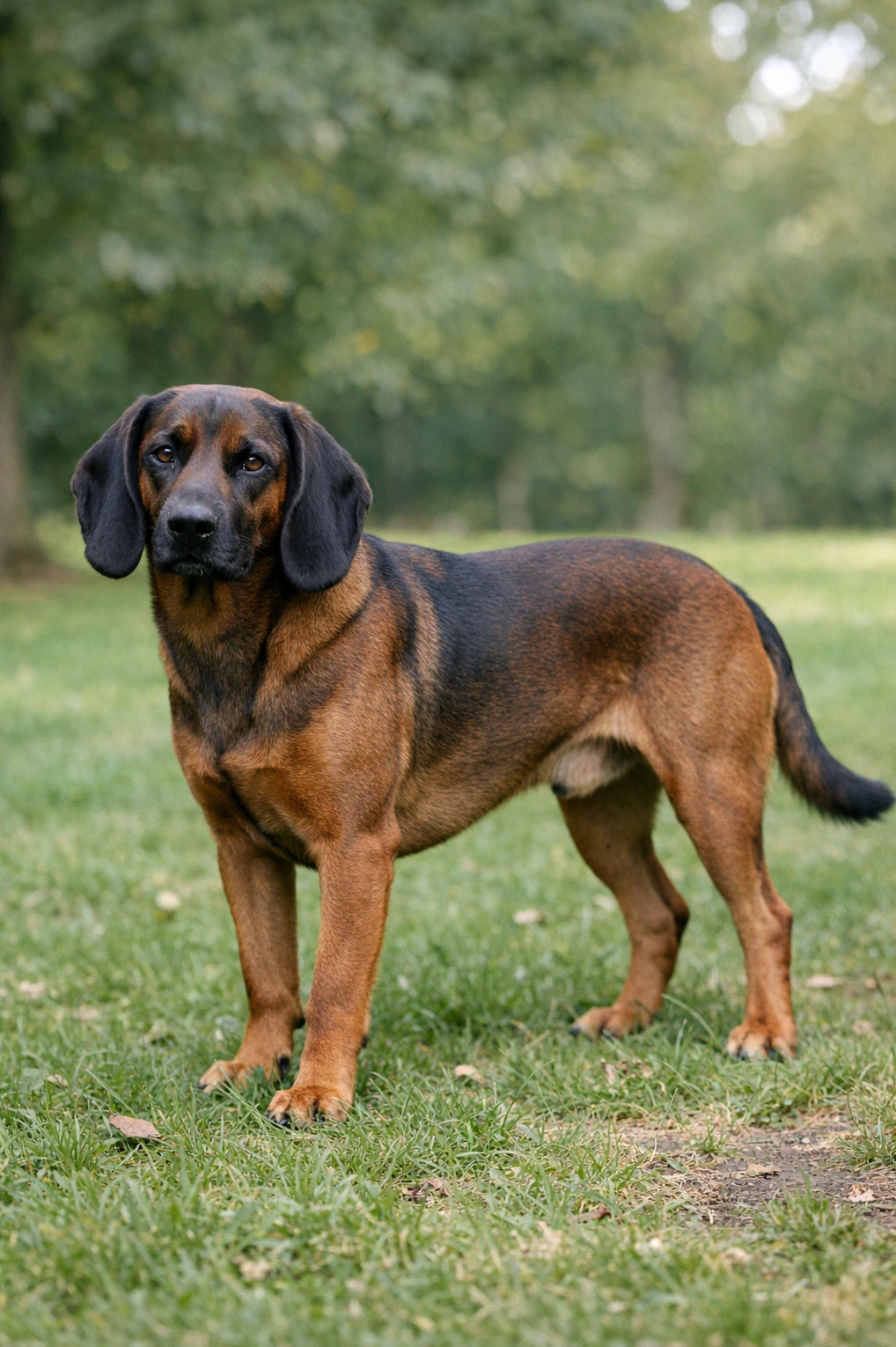
Understanding the Bavarian Mountain Scent Hound Metabolism and Energy Needs
Developed for rugged scent work in Alpine country, these dogs need fuel that keeps them strong and steady on long tracking days. That means a protein-forward diet from quality sources like poultry, beef, or fish to preserve lean muscle, support scenting effort, and aid recovery after sustained activity.
Energy comes from healthy fats and controlled carbohydrates, with fats providing compact fuel for cold, uphill work and mental focus. Complex grains or tubers offer steady glucose without sudden spikes, helping keep weight in check for a dog that works in variable terrain and is naturally cautious around new people.
Joint and brain support matter for a dog bred for endurance, so omega-3 fatty acids, glucosamine, and antioxidant-rich foods are useful. Adjust calories to activity level and prioritize consistent feeding to support both body and calm temperament.
Managing Bavarian Mountain Scent Hound Genetic Health Risks Through Nutrition
Bavarian Mountain Scent Hound Feeding & Calorie Calculator
Estimated Daily Calories
Tip: Start with this amount and adjust after 2–3 weeks based on your dog's body condition and weight trend.
This estimate provides a starting point for feeding. Individual calorie needs may vary depending on metabolism, body condition, and health status. Always monitor your dog's weight and consult your veterinarian when adjusting diet.
Foods and Ingredients to Avoid for Bavarian Mountain Scent Hound Dogs
Bavarian Mountain Scent Hounds are muscular, active dogs that do best with steady energy from lean proteins rather than frequent fatty treats.
Too much dietary fat can quickly add excess calories, leading to weight gain that stresses joints and reduces stamina on long walks or scent work.
Reserve rich, fatty foods for occasional special treats and focus on balanced meals with controlled fat levels, especially if your dog tends to be less active or is aging.
People food often contains excess salt, sugar, and ingredients like chocolate or artificial sweeteners which can harm dogs even in small amounts.
A medium-sized scent hound can be particularly susceptible to quick weight gain from repeated scraps, and some human snacks contain toxic ingredients such as xylitol.
Keep human snacks out of reach and offer healthy dog-safe treats instead, sized appropriately for a 37 to 66 pound companion.
Diets that replace traditional animal proteins with large amounts of peas, lentils, or chickpeas have been associated with heart health concerns in some dogs when used as a primary ingredient.
For a sporting breed that relies on steady cardiovascular fitness, it is wise to avoid dog foods where legumes or pulses are the dominant protein source.
Choose formulas that list named animal proteins first and speak with your veterinarian before switching to a grain-free option.
Ingredients like BHA, BHT, ethoxyquin, and artificial dyes can trigger sensitivities or upset stomachs in some dogs, and they add nothing nutritionally.
A scent hound with a busy nose and active lifestyle benefits from clean, simple ingredients that support digestion and skin health rather than additives that could cause reactions.
Look for naturally preserved foods and whole-food ingredient lists to reduce the chance of skin flare-ups or tummy troubles.
Onions, garlic, leeks and related vegetables contain compounds that can damage a dog’s red blood cells, potentially causing anemia over time.
Even moderate amounts given repeatedly can be harmful for a medium-sized dog, so it is best to avoid these ingredients in both whole foods and processed meals.
Be careful with restaurant or prepackaged foods that may include onion or garlic powder, and check ingredient lists before sharing any human food.
Cooked bones can splinter and cause choking, mouth injuries, or intestinal blockages, which is a risk for any active dog that likes to chew.
Very hard treats and hooves can also fracture teeth, and an injured mouth or digestive tract can quickly sideline a busy scent hound.
Offer safe chew alternatives designed for medium-sized dogs and supervise chew sessions to protect teeth and digestive health.
How Nutritional Needs Change Throughout the Bavarian Mountain Scent Hound Life Stages
Your Bavarian Mountain Scent Hound will need different nutrition through puppyhood, adulthood, and senior years because each stage supports distinct growth, maintenance, and aging needs. Their ideal diet depends on the breed’s growth rate, activity level, and any common health tendencies, such as joint stress in larger, active scent hounds. Adjusting calories, protein, and key nutrients helps keep them healthy at every life stage.
| Life Stage | Age Range | Primary Objective | Key Nutrient Focus |
|---|---|---|---|
| Puppy | 0–15 months | controlled skeletal development, immune support, brain development | DHA, balanced calcium/phosphorus, high-quality protein |
| Adult | 1.5–6 years | lean muscle maintenance and sustained energy | high-quality protein, omega-3 fatty acids, fiber |
| Senior | 6+ years | joint mobility, metabolic health, and cognitive support | glucosamine, chondroitin, antioxidants, lower calories |
Bavarian Mountain Scent Hound puppies are large-breed pups that grow steadily over a longer period, so controlled growth is important to protect developing bones and joints. Avoid rapid weight gain by managing calorie intake and offering multiple small meals through the day to support steady energy and reduce stomach strain.
Choose a high-quality puppy formula labeled for large breeds, with balanced animal protein for muscle development and adjusted calcium and phosphorus for proper skeletal mineralization. Include moderate fat for energy, DHA for brain and sensory development, and essential fatty acids for coat health. Given their scent-driven activity, monitor body condition and adjust portions as they grow, and talk with your veterinarian about breed-specific feeding schedules.
As adults, Bavarian Mountain Scent Hounds need nutrition that supports steady energy and lean muscle. Aim for a diet with quality animal protein to maintain muscle, and moderate fat to fuel scent work, tracking, and regular exercise. Calorie needs should match activity level, so working or very active dogs require more calories than pets that are mostly sedentary.
Include digestible carbohydrates for sustained energy and omega-3s to support skin and coat in their short, smooth fur. Feed regularly, usually two meals a day, and limit high-calorie treats to protect joints and avoid excess weight. Regular weight checks and portion adjustments help them stay fit and ready for outings.
As Bavarian Mountain Scent Hounds enter their senior years, metabolism and activity often decline while wear on joints becomes more noticeable. They may need fewer calories to avoid weight gain, but higher-quality protein to preserve muscle mass and mobility. Focus on joint-support nutrients like glucosamine, chondroitin, and omega-3 fatty acids, and include antioxidants such as vitamin E to support cellular health.
Easier-to-digest formulas, moderate fiber to support digestion, and softer textures can help with dental changes and appetite shifts. Keep a close eye on body condition and adjust portions rather than feeding the same volume, and consult your veterinarian about supplements or prescription diets if arthritis, weight changes, or other age-related issues arise.
Kibble vs Fresh vs Raw for Bavarian Mountain Scent Hound
Different feeding models suit different lifestyles and activity levels. For a Bavarian Mountain Scent Hound, consider energy needs for scent work, joint support, and palate preferences.
Pros
- Convenient and easy to portion for busy owners.
- Formulated to meet daily energy needs for active scent work.
- Usually fortified with joint and skin-support nutrients.
- Shelf-stable and simple to measure for weight control.
Cons
- Lower moisture content may not suit dogs who drink little.
- Some formulas contain fillers that add unnecessary calories.
- Less palatable for picky scent hounds during heavy activity.
- May require careful portioning to prevent weight gain.
Pros
- Highly palatable, good for picky or recovering dogs.
- High moisture helps hydration during long scenting sessions.
- You control ingredient quality and protein sources.
- Easy to add joint supplements and veggies for fiber.
Cons
- Requires time and planning to ensure complete nutrition.
- More expensive and needs refrigeration for storage.
- Improper recipes can lack calcium or essential vitamins.
- Meal prep may be challenging for busy owners.
Pros
- High protein profiles support lean muscle and endurance.
- Some owners report shinier coats and lively energy.
- Unprocessed ingredients appeal to dogs with strong scent drives.
- Can be tailored for higher calorie needs during active periods.
Cons
- Requires strict hygiene to avoid bacterial risks.
- Whole bones can pose choking or tooth fracture hazards.
- Balancing calcium and vitamins is tricky without guidance.
- Higher cost and freezer space needed for storage.
| Diet Type | Pros for Bavarian Mountain Scent Hound | Potential Downsides |
|---|---|---|
| High-Quality Kibble |
|
|
| Fresh Cooked Food |
|
|
| Raw Diet (BARF) |
|
|
Our Recommendation
For many Bavarian Mountain Scent Hounds, high-quality kibble is a reliable, convenient choice that meets daily energy and nutrient needs.
Fresh cooked or carefully planned raw diets can work well for more active dogs or picky eaters, but they require time, storage, and veterinary guidance.
See Also
Breeds with similar group, size, and coat characteristics