Best Dog Food for Working Kelpie in 2026Based on Nutritional Science
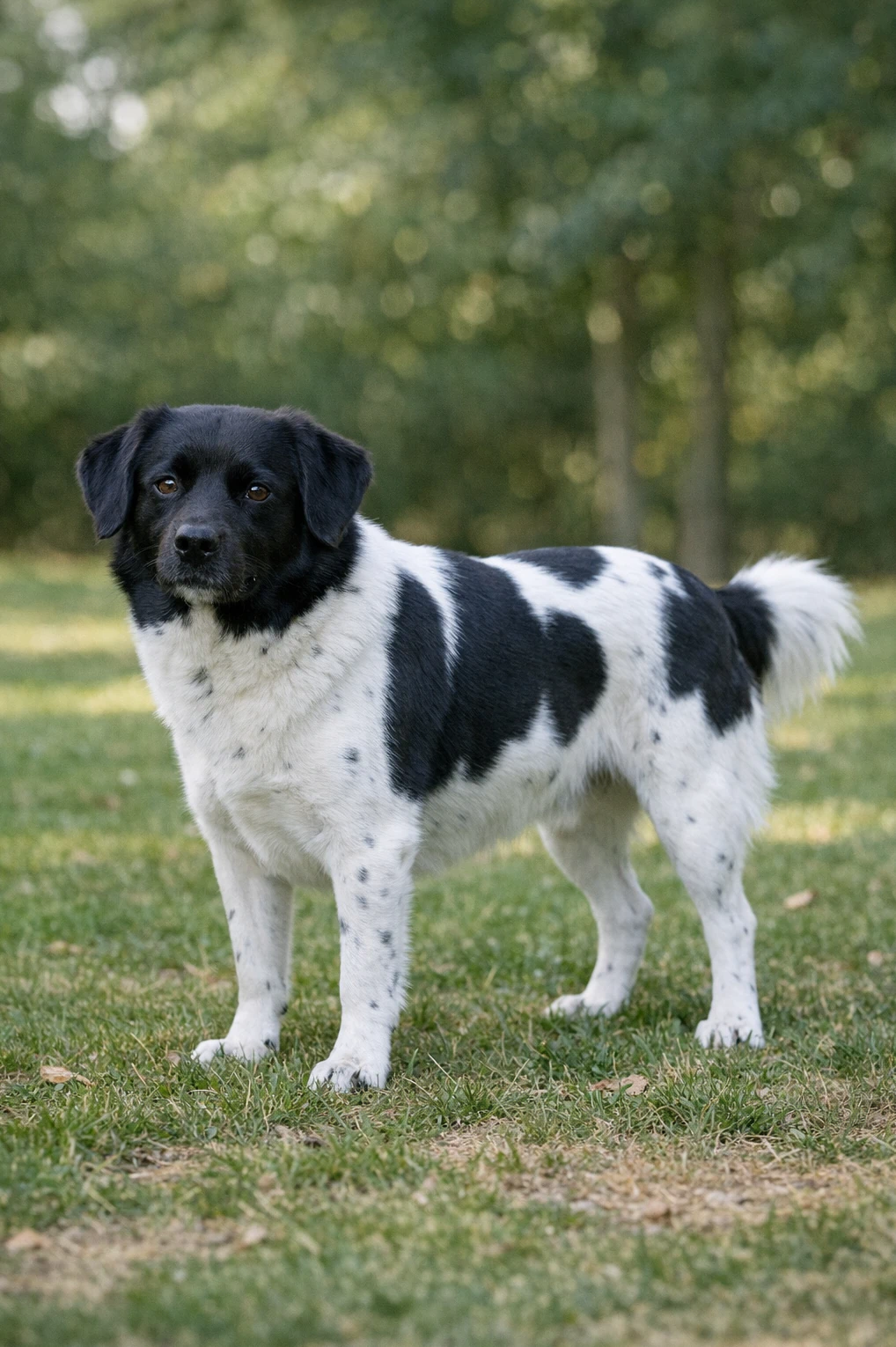
Working Kelpie: a medium-sized, watchful, clever, and driven herder standing about 19 to 25 inches and weighing 28 to 60 pounds. Nutritional verdict: needs high-quality, energy-dense nutrition to support stamina.

Understanding the Working Kelpie Metabolism and Energy Needs
As descendants of hardworking herding stock, these dogs are built for long days of movement and sharp decision making. Their quick minds and high drive mean they burn calories steadily and need steady fuel for both body and brain.
Higher quality animal protein supports lean muscles and fast recovery, aim for diets that prioritize meat as the first ingredient. Moderate to rich healthy fats provide long-lasting energy and help reduce inflammation, especially when enriched with omega-3 oils. Complex carbohydrates, like sweet potato or oats, offer slow-release glucose for consistent endurance and focus during training.
Consider joint support such as glucosamine and chondroitin if they spend hours on rough terrain, plus electrolytes after heavy work and antioxidants and B vitamins to support cognition and metabolism. A balanced plan keeps them fit, focused and comfortable.
Managing Working Kelpie Genetic Health Risks Through Nutrition
Overweight / Obesity
Helpful nutrients
Life stage nutritional needs
Helpful nutrients
Hydration and electrolyte balance
Helpful nutrients
Inherited or genetic condition support
Helpful nutrients
Working Kelpie Feeding & Calorie Calculator
Estimated Daily Calories
Tip: Start with this amount and adjust after 2–3 weeks based on your dog's body condition and weight trend.
This estimate provides a starting point for feeding. Individual calorie needs may vary depending on metabolism, body condition, and health status. Always monitor your dog's weight and consult your veterinarian when adjusting diet.
Foods and Ingredients to Avoid for Working Kelpie Dogs
Working Kelpies are active dogs, but some are prone to gaining extra weight, so feeding high-fat foods can quickly lead to obesity and added stress on joints.
High-fat meals and fried human foods also increase the risk of pancreatitis, a painful condition that can require urgent veterinary care.
Stick to lean protein sources and balanced commercial diets suited to their life stage, and consult your vet before offering richer or fatty treats.
Monitoring fat intake helps keep your Kelpie fit and ready for work and play.
Treats are valuable for training and bonding, but high-calorie snacks and table scraps can add up fast for a 28 to 60 pound dog.
Because some Working Kelpies tend to gain weight, too many fatty or sugary handouts will contribute to obesity and related joint or metabolic issues.
Choose low-calorie training treats, account for treat calories in the daily ration, and reserve human foods for small, vet-approved portions.
This balance helps maintain a healthy weight without sacrificing reward-based training.
Grapes, raisins and currants are toxic to dogs and can cause sudden, severe kidney failure even in small amounts.
An otherwise healthy Working Kelpie can become very ill after ingesting these fruits, so they should never be offered or left where dogs can reach them.
Keep fruit bowls and baked goods well out of reach during family meals and training sessions, and teach family members and guests not to feed grapes or raisin-containing treats.
If ingestion is suspected, contact your veterinarian or an emergency clinic immediately.
Xylitol, found in many sugar-free gums, some peanut butters and certain packaged foods, can trigger a rapid, life-threatening drop in blood sugar and possible liver damage in dogs.
Working Kelpies are curious and quick, so a single taste can cause serious problems.
Always read labels on human foods and choose xylitol-free products when sharing a treat, and store sweets securely away from curious noses.
If your dog consumes xylitol, seek emergency veterinary care without delay.
Onions, garlic and related alliums can damage a dog’s red blood cells and lead to hemolytic anemia, especially with repeated exposure or concentrated forms like powders.
Even small amounts in cooked dishes, sauces or leftovers can accumulate over time and harm a sensitive dog.
Avoid feeding any foods seasoned with onion or garlic and be cautious with table scraps and prepared meals.
If you notice weakness, pale gums or unusual lethargy after possible ingestion, contact your veterinarian for advice.
Diets very high in peas, lentils, chickpeas and other legumes have been associated in some studies with heart concerns in certain dogs, particularly when taurine levels are low.
While not every Working Kelpie will be affected, their medium size and active lifestyle make preserving heart health especially important.
If you feed a home-prepared or grain-free diet rich in legumes, work closely with your veterinarian to ensure balanced amino acids and monitor cardiac function as recommended.
Choosing a well-formulated commercial diet or supplementing under veterinary guidance helps reduce potential risk.
How Nutritional Needs Change Throughout the Working Kelpie Life Stages
Working Kelpies have changing nutritional needs as they move from puppyhood to adulthood and into their senior years. Growth rate, activity level, and common health tendencies all shape what and how much they need to eat. A puppy training to herd needs different calories and minerals than a retired Kelpie, so feeding plans should adapt to life stage and lifestyle.
| Life Stage | Age Range | Primary Objective | Key Nutrient Focus |
|---|---|---|---|
| Puppy | 0–15 months | controlled skeletal development, immune support, brain development | DHA, balanced calcium/phosphorus, high-quality protein |
| Adult | 1.5–6 years | lean muscle maintenance and sustained energy | high-quality protein, omega-3 fatty acids, fiber |
| Senior | 6+ years | joint mobility, metabolic health, and cognitive support | glucosamine, chondroitin, antioxidants, lower calories |
Working Kelpie puppies grow quickly, especially in the first 8 to 12 months, and they need steady, controlled nutrition to support healthy skeletal development. Because they fall into the larger size range, avoid excess calories and rapid weight gain which can stress growing joints, and choose a large-breed puppy formula with a carefully balanced calcium to phosphorus ratio and quality protein.
Feed growing Kelpies multiple small meals each day, typically three to four times until about six months, then transition to twice daily. Important nutrients include high quality animal protein for muscle, omega-3s and DHA for brain and eye development, and antioxidants for immune support. Adjust portions upward if your pup is doing heavy herding practice, and consult your breeder or vet about genetic health screening and tailored feeding.
An adult Working Kelpie needs food that maintains lean muscle and fuels high energy days while preventing excess weight when they are not working. Aim for a diet with moderate to high quality protein to support muscle repair, and balanced fats for sustained energy and healthy skin and coat. Complex carbohydrates and digestible fiber help steady blood sugar during long work shifts in the field.
Adjust calorie intake based on daily activity, offering more calories and sometimes added snacks when your Kelpie is actively herding or competing, and fewer calories for a pet Kelpie with a calmer routine. Keep meal timing consistent with two meals per day to manage energy and reduce begging, and monitor body condition so you can tweak portions or activity as needed.
As Kelpies age, metabolism often slows and activity levels drop, so calorie needs usually decrease to prevent weight gain that can worsen joint stress. Older dogs may also lose some digestive efficiency, so a highly digestible diet with slightly higher quality protein helps preserve lean mass. Look for formulas with joint-supporting nutrients like glucosamine and chondroitin, and include omega-3 fatty acids to reduce inflammation associated with long days of herding.
Antioxidants such as vitamin E and beta-carotene support healthy aging and immune function, while moderate fiber can help digestion and stool quality. Monitor mobility and appetite closely, and work with your veterinarian to adjust calories, add supplements, or switch to senior-specific diets if stiffness or weight changes appear.
Kibble vs Fresh vs Raw for Working Kelpie
Working Kelpies are energetic, intelligent dogs whose feeding needs reflect heavy daily activity and lean muscle maintenance.
Different feeding models suit various routines, training schedules, and how much time owners can spend on meal prep.
Pros
- Convenient and easy to portion for busy handlers.
- Performance formulas support sustained energy for long work days.
- Dense nutrition helps maintain lean muscle and healthy weight.
- Shelf-stable and easy to feed in the field.
Cons
- Some brands include fillers that add unnecessary calories.
- Lower moisture content may require extra water during heavy work.
- May be less palatable for picky individual dogs.
- Overfeeding calorie-dense kibble can lead to weight gain.
Pros
- High moisture supports hydration during active work.
- Recently cooked protein aids muscle repair after long sessions.
- Easier to tailor ingredients for sensitivities or allergies.
- Often more palatable, great for picky or recovering dogs.
Cons
- Needs careful balancing or supplementation for complete nutrition.
- More time consuming and often more costly.
- Requires refrigeration and planning for field work.
- Inconsistent recipes can lead to nutrient gaps over time.
Pros
- High-protein focus matches the breed's working energy needs.
- Some owners report shinier coat and higher vitality.
- Unprocessed ingredients may appeal to natural feeding preferences.
- Can be portioned to support lean muscle maintenance.
Cons
- Higher bacterial risk requires strict hygiene and handling.
- Bone hazards demand careful selection and supervision.
- Difficult to balance vitamins and minerals without guidance.
- May be impractical for handlers working long days.
| Diet Type | Pros for Working Kelpie | Potential Downsides |
|---|---|---|
| High-Quality Kibble |
|
|
| Fresh Cooked Food |
|
|
| Raw Diet (BARF) |
|
|
Our Recommendation
For most Working Kelpies, a high-quality performance kibble or a carefully planned fresh-cooked diet provides the best balance of energy and convenience.
A raw approach can work for experienced owners, but it calls for veterinary guidance and strict handling practices.
See Also
Breeds with similar group, size, and coat characteristics