Best Dog Food for Stabyhoun in 2026Based on Nutritional Science
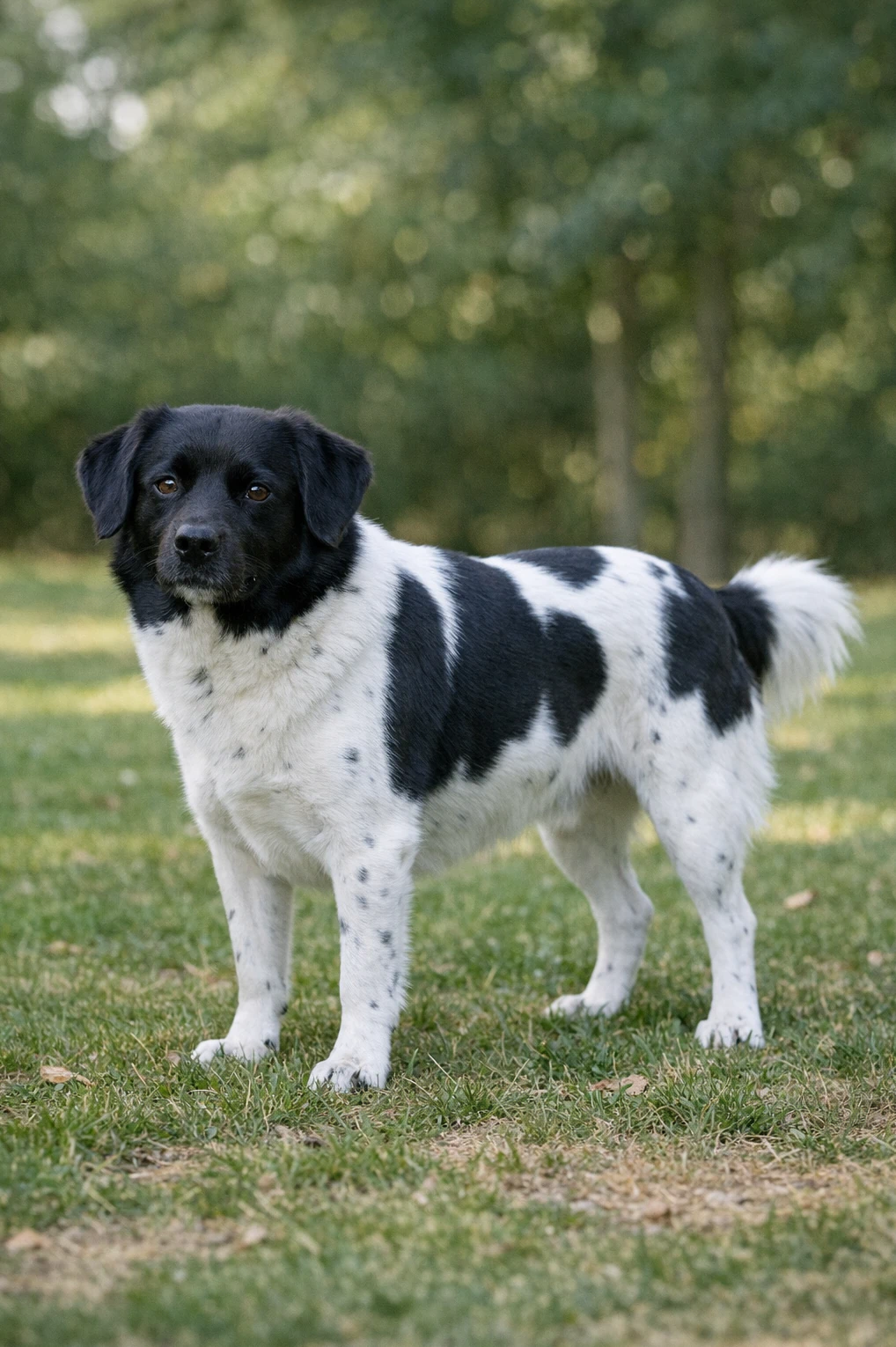
The Stabyhoun stands about 19 to 21 inches and weighs 40 to 60 pounds. Clever, affectionate and attentive, it thrives on balanced, high-quality protein and moderate fat. Nutritional verdict: steady meals for steady energy.
Understanding the Stabyhoun Metabolism and Energy Needs
As a versatile Dutch companion created to work on farms and retrieve waterfowl, this dog blends steady activity with close family bonds. Their bright, affectionate, and attentive temperament calls for reliable mental and physical fuel.
Lean, high-quality protein around 25 to 28 percent of calories helps maintain lean mass and speeds recovery after swims and long outings. Moderate healthy fats, roughly 15 to 20 percent, supply concentrated energy for stamina and support skin and a shiny coat. Complex carbohydrates and fiber offer slow-release glucose for sustained focus and gentle digestion when exercise is lighter.
Omega-3s, especially EPA and DHA, aid brain function and coat condition, while glucosamine supports joints that handle repetitive movement. Antioxidants and probiotics strengthen immunity and gut health, and adjusting calories to activity keeps them fit and spirited.
Managing Stabyhoun Genetic Health Risks Through Nutrition
Epilepsy
Helpful nutrients
Hip Dysplasia
Helpful nutrients
Elbow Dysplasia
Helpful nutrients
Patent Ductus Arteriosus (PDA)
Helpful nutrients
Cerebral Dysfunction / Cognitive Decline
Helpful nutrients
Obesity
Helpful nutrients
Stabyhoun Feeding & Calorie Calculator
Estimated Daily Calories
Tip: Start with this amount and adjust after 2–3 weeks based on your dog's body condition and weight trend.
This estimate provides a starting point for feeding. Individual calorie needs may vary depending on metabolism, body condition, and health status. Always monitor your dog's weight and consult your veterinarian when adjusting diet.
Foods and Ingredients to Avoid for Stabyhoun Dogs
Stabyhouns can be prone to weight gain, and extra body fat increases stress on the hips and elbows where dysplasia can be a concern.
High-fat foods and greasy table scraps can also trigger pancreatitis, a painful condition that demands veterinary care.
Keep fats controlled by choosing lean protein sources, trimming fatty meat, and limiting oily treats.
Controlled portion sizes help protect joints and keep your dog at a healthy weight for its 40 to 60 pound frame.
Treats are wonderful for training and bonding, but too many can quickly add calories and lead to obesity, a common issue in the breed.
Extra weight compounds the risk of hip and elbow problems and can make exercise difficult for a dog of this medium size.
Use small, low-calorie treats and count them as part of your dog’s daily calories.
Reserve table scraps for rare occasions and focus on balanced meals formulated for the dog’s life stage.
Because some Stabyhouns may be screened or treated for epilepsy, it is wise to avoid foods and additives known to affect the nervous system.
Caffeine, chocolate, some energy drinks, and certain herbal supplements can provoke seizures or interfere with anticonvulsant drugs.
Always check with your veterinarian before offering new human foods or supplements, and avoid xylitol containing products entirely, since they are toxic and can cause serious reactions.
Growing Stabyhoun puppies need controlled nutrients to develop strong, well-aligned bones, because hip and elbow health is important in the breed.
Too much calcium or improper calcium to phosphorus ratios in home-prepared diets can contribute to joint problems as they grow.
Feed a vet-approved puppy formula designed for medium breed growth rates, and consult your veterinarian before adding supplements. Proper balanced nutrition helps reduce risks tied to skeletal development.
Processed human foods like deli meats, chips, and many ready-made meals are high in salt, which is unnecessary and potentially harmful for dogs.
Excessive sodium can cause thirst and fluid imbalance, and for dogs with heart concerns such as patent ductus arteriosus it can worsen cardiac workload.
Stick to low-sodium dog foods and avoid salty snacks. If your dog has any known heart condition, work with your veterinarian to tailor a heart-friendly diet.
Some grain-free diets that rely heavily on peas, lentils, and other legumes have been linked to heart muscle issues in certain dogs.
While the link is not fully understood and may not affect every dog, a balanced diet with traditional grains or a veterinary-formulated alternative is often safer for a breed that can be predisposed to cardiac and weight concerns.
Discuss diet choices with your veterinarian, especially if you are considering a home-cooked or grain-free plan, to ensure your Stabyhoun gets complete nutrition without unnecessary risk.
How Nutritional Needs Change Throughout the Stabyhoun Life Stages
Dogs need different nutrition at each life stage, because puppies, adults, and seniors have distinct energy and developmental needs. For a breed like the Stabyhoun, these needs are shaped by growth rate, activity level, and breed health tendencies. Tailoring food and portions helps support healthy bones, muscles, and long-term wellbeing.
| Life Stage | Age Range | Primary Objective | Key Nutrient Focus |
|---|---|---|---|
| Puppy | 0–15 months | controlled skeletal development, immune support, brain development | DHA, balanced calcium/phosphorus, high-quality protein |
| Adult | 1.5–6 years | lean muscle maintenance and sustained energy | high-quality protein, omega-3 fatty acids, fiber |
| Senior | 6+ years | joint mobility, metabolic health, and cognitive support | glucosamine, chondroitin, antioxidants, lower calories |
Stabyhoun puppies grow steadily into a substantial adult frame, so controlled, steady growth matters more than rapid weight gain. Because large-breed puppies are at higher risk for hip and elbow dysplasia, feed formulas designed for large breeds that balance calories and support skeletal development. Regular vet checks and responsible breeder screening for orthopedic issues help guide feeding choices.
Aim for nutrient-dense, high quality protein to build muscle, moderate healthy fats for energy, and careful calcium to phosphorus ratios to protect bone formation. Include DHA for brain development and antioxidants to support immune health, while spacing meals three to four times daily in early months and easing to two meals by about six months. Keep activity appropriate, avoiding repetitive high-impact exercise during rapid growth.
Adult Stabyhouns are intelligent and responsive, often enjoying moderate to high activity. Feed a balanced diet that supports lean muscle through quality animal-based protein and controlled healthy fats to meet their energy needs without excess calories. Adjust portions to activity level to keep body condition ideal.
Because they can be active workers and family dogs, consider performance or maintenance formulas depending on daily exercise, and watch weight if activity decreases. Monitor for breed health tendencies like hip or elbow concerns by avoiding rapid weight gain and providing regular exercise that includes strength-building but low-impact work. Regular checkups help fine-tune protein and calorie targets as they mature.
As Stabyhouns enter their senior years, metabolism and activity typically slow, and digestion can become less efficient. Focus on high-quality, easily digestible protein to preserve muscle while modestly reducing calories if weight tends to creep up. Increased fiber supports gut health and smaller, softer kibble can help dogs with dental wear.
Joint support becomes important given the breed's risk for hip and elbow dysplasia, use diets or supplements with glucosamine, chondroitin and omega-3 fatty acids for inflammation and mobility. Antioxidants such as vitamin E and selenium help cell health and immune function in aging dogs, while regular vet checks and tailored portioning will keep your Stabyhoun comfortable and active for as long as possible.
Kibble vs Fresh vs Raw for Stabyhoun
Different feeding models suit different lifestyles, activity levels, and health needs.
For your Stabyhoun, consider its moderate energy, medium size, and screening for hip, elbow, and neurological issues when choosing food.
Pros
- Convenient and easy to portion for busy owners.
- Formulas with joint-support nutrients help medium breeds prone to hip issues.
- Dry texture supports dental health by reducing tartar buildup.
- Calorie-controlled options help maintain healthy weight on less active days.
Cons
- Lower moisture content may not suit dogs needing extra hydration.
- Some brands contain fillers or artificial additives to watch for.
- Overfeeding calorie-dense formulas can lead to unwanted weight gain.
- Kibble may be less appealing to picky Stabyhouns after activity.
Pros
- Highly palatable for picky or sensitive Stabyhouns.
- High moisture supports hydration and healthy digestion.
- Control over ingredients helps avoid additives and allergens.
- Can be tailored with supplements for joint and neurological support.
Cons
- Requires careful planning to ensure complete, balanced nutrition.
- More time and cost than kibble for regular feeding.
- Needs refrigeration and safe storage between meals.
- Home recipes risk imbalance without veterinary guidance.
Pros
- Mimics ancestral diet with whole, minimally processed ingredients.
- Some owners report improved coat condition and steady energy.
- High protein profiles suit active, medium-sized breeds.
- Can be portioned to support lean muscle in active dogs.
Cons
- Risk of bacterial contamination demands strict hygiene and handling.
- Unbalanced homemade plans can miss nutrients, risking long-term problems.
- Raw bones can present choking or dental fracture risks even for medium breeds.
- Not ideal for households with young children or immunocompromised people.
| Diet Type | Pros for Stabyhoun | Potential Downsides |
|---|---|---|
| High-Quality Kibble |
|
|
| Fresh Cooked Food |
|
|
| Raw Diet (BARF) |
|
|
Our Recommendation
For many Stabyhouns, high-quality kibble provides a reliable, balanced, and convenient foundation, especially when it includes joint-support nutrients.
Fresh cooked food suits picky or sensitive dogs whose owners can plan nutritionally, while raw diets may work only with veterinary guidance and strict hygiene.
See Also
Breeds with similar group, size, and coat characteristics