Best Dog Food for Transylvanian Hound in 2026Based on Nutritional Science
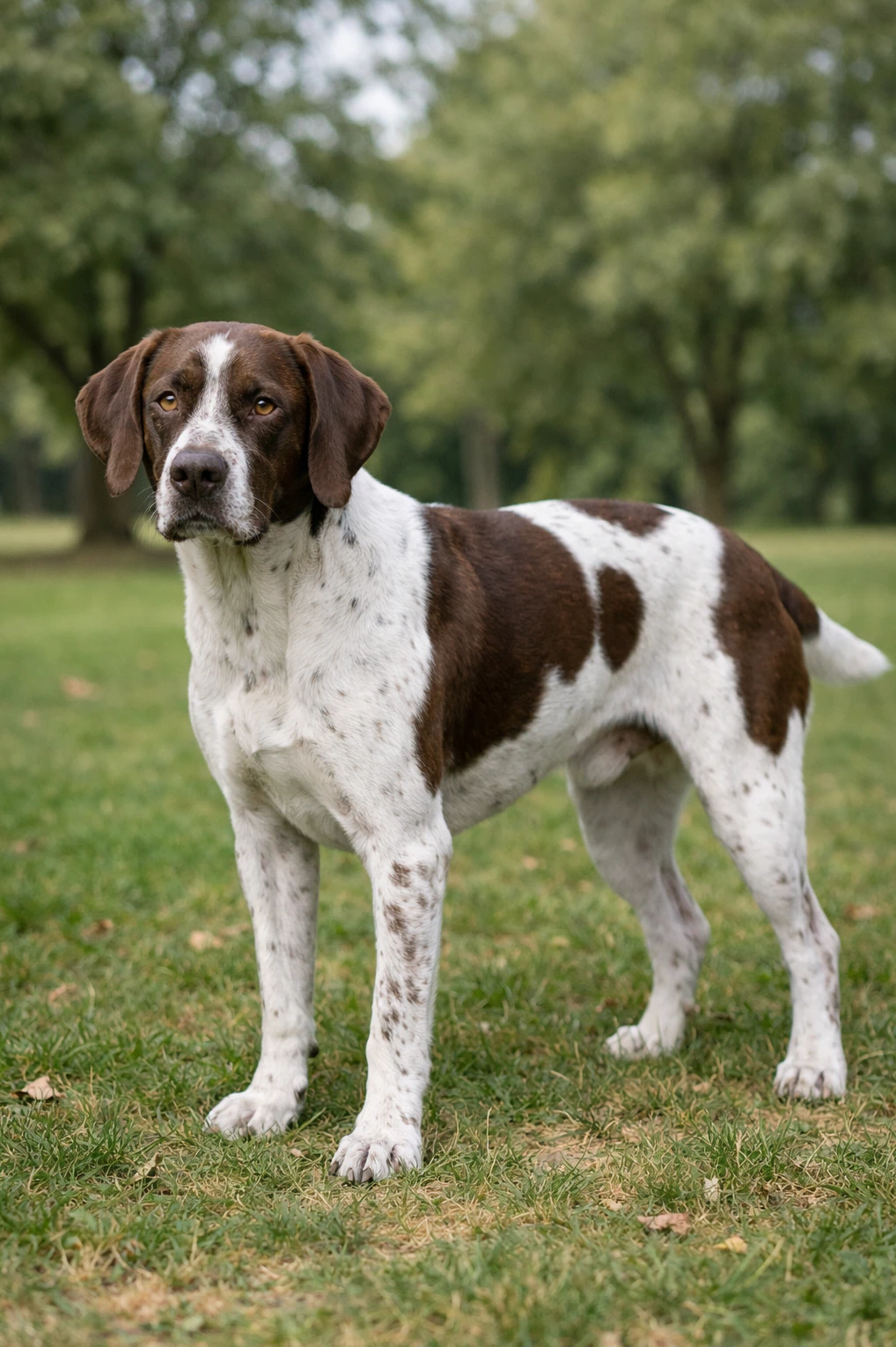
Transylvanian Hound stands 22 to 26 inches tall and starts around 55 pounds, a friendly, bold scent hound with a tenacious drive. Nutritional Verdict: needs hearty, protein-rich meals for steady energy.
Understanding the Transylvanian Hound Metabolism and Energy Needs
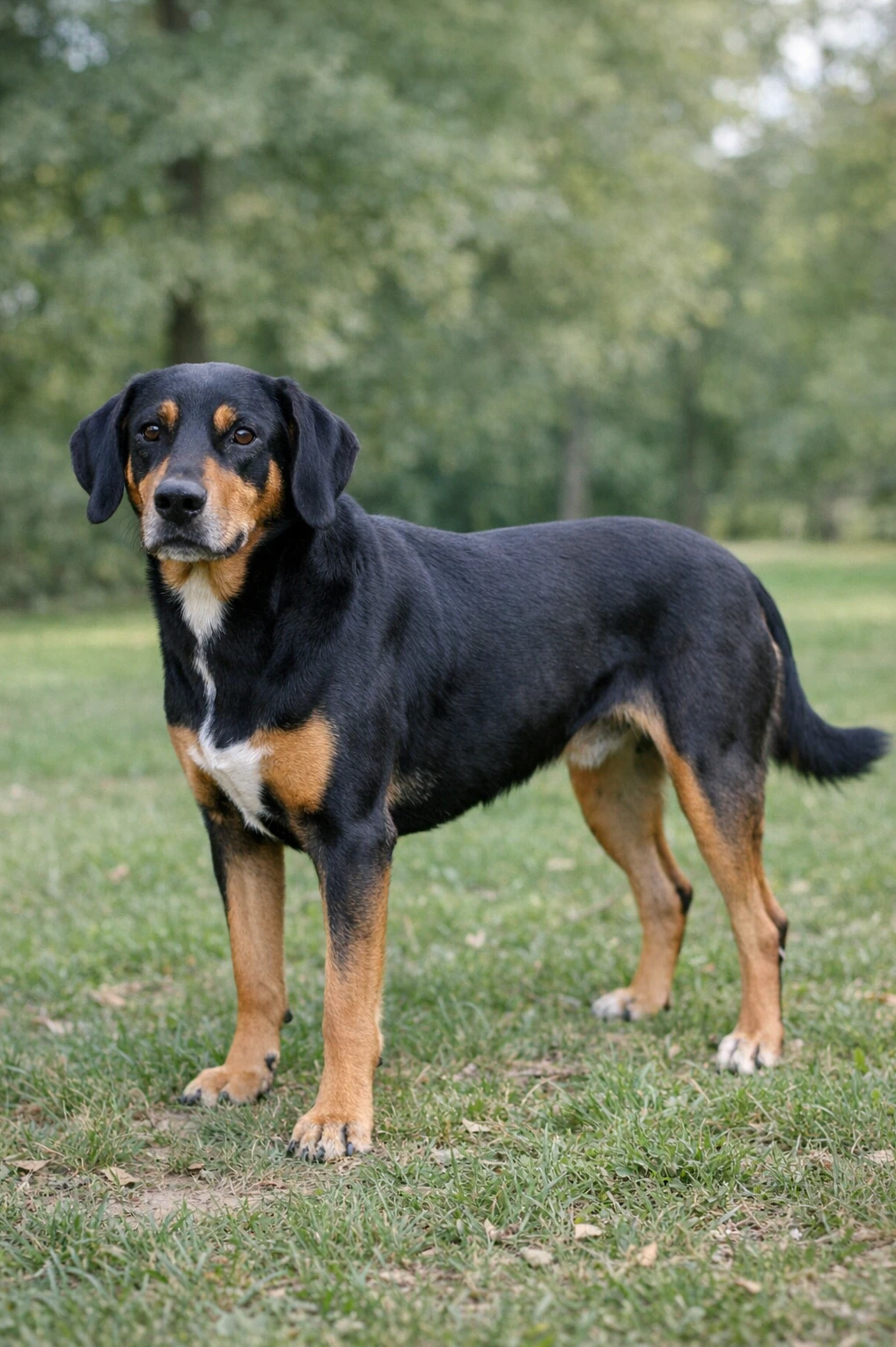
Bred to trail game across rocky, forested landscapes, these dogs blend a calm disposition with brave instincts and a resolute focus. Their heritage of sustained tracking and occasional bursts of effort shapes what their bodies need today, especially to keep muscles strong and minds sharp.
A diet a bit higher in quality protein helps maintain lean muscle and repairs tissue after long outings, while steady sources of healthy fats supply slow-burning energy and aid temperature regulation in cool weather. Limited, complex carbohydrates like sweet potato or brown rice offer reliable fuel without unnecessary weight gain, and omega-3 fats support coat health and reduce inflammation.
Practical additions include joint support such as glucosamine and chondroitin for rough terrain, antioxidants for immune resilience, and probiotics to steady digestion during activity changes. Adjust intakes upward during active seasons and add extra fat in cold months to match their working history and natural needs.
Managing Transylvanian Hound Genetic Health Risks Through Nutrition
Transylvanian Hound Feeding & Calorie Calculator
Estimated Daily Calories
Tip: Start with this amount and adjust after 2–3 weeks based on your dog's body condition and weight trend.
This estimate provides a starting point for feeding. Individual calorie needs may vary depending on metabolism, body condition, and health status. Always monitor your dog's weight and consult your veterinarian when adjusting diet.
Foods and Ingredients to Avoid for Transylvanian Hound Dogs
Given the Transylvanian Hound’s size and minimum weight, high-fat foods and rich table scraps can quickly lead to weight gain and pancreatitis, both of which are tougher on larger dogs.
Extra body weight increases stress on hips and spine, and a fatty meal can trigger an upset stomach or a serious pancreatic episode.
Keep treats lean and avoid greasy leftovers from human meals, especially if your hound already looks a bit heavy or has a sensitive tummy.
Even small amounts of grapes or raisins can cause dangerous kidney damage in dogs, and there is no safe threshold known.
Larger hounds may be more likely to scavenge fruit in the yard or get offered a snack at family gatherings, making these fruits an everyday household hazard.
Keep all grape and raisin containing foods well out of reach, and if your dog eats any, contact your veterinarian right away for guidance.
Onions, garlic, leeks, and chives contain compounds that can damage red blood cells and lead to anemia, especially with repeated exposure or larger portions.
While a tiny taste might not cause immediate signs, a big dog that eats table scraps or mixed dishes could still accumulate a harmful dose over time.
Avoid feeding these ingredients cooked or raw, and be cautious with pre-made foods where they may be hidden.
Xylitol is a common sweetener in sugar-free gum, candy, some peanut butters, and baked goods, and it is extremely toxic to dogs even in small amounts.
It can cause a rapid insulin release, severe low blood sugar, and potentially life-threatening liver damage, so exposure is a true emergency.
Because Transylvanian Hounds can be curious and food motivated, keep xylitol containing items locked away and always read ingredient lists on human foods.
Peas, lentils, chickpeas, and other legumes are popular in grain-free diets, but heavy reliance on these ingredients has been associated with heart concerns in some dogs when they dominate the formula.
For a larger, active hound, diets overly concentrated in legumes may also be harder to digest and can contribute to gas or uncomfortable bloating after meals.
Aim for balanced protein sources and consult your vet before switching to a diet where legumes are the main protein.
When preparing homemade meals or selecting a diet for a large-breed dog, take care with calcium and mineral ratios because imbalances can affect bone and joint health over time.
Growing large-breed puppies are particularly sensitive to excess calcium, but adults can also suffer if minerals are wildly out of balance, which may worsen arthritis or abnormal joint wear.
Work with a veterinary nutritionist or choose complete commercial diets formulated for large breeds to ensure safe calcium and phosphorus levels.
How Nutritional Needs Change Throughout the Transylvanian Hound Life Stages
Dogs need different nutrition at puppyhood, adulthood, and their senior years, because growth, activity and health tendencies change as they age. Large breeds like the Transylvanian Hound have specific needs based on their faster early growth, high activity level, and potential breed predispositions. Feeding for each life stage supports bone development, muscle maintenance and healthy aging, while helping prevent weight- and joint-related problems.
| Life Stage | Age Range | Primary Objective | Key Nutrient Focus |
|---|---|---|---|
| Puppy | 0–15 months | controlled skeletal development, immune support, brain development | DHA, balanced calcium/phosphorus, high-quality protein |
| Adult | 1.5–6 years | lean muscle maintenance and sustained energy | high-quality protein, omega-3 fatty acids, fiber |
| Senior | 6+ years | joint mobility, metabolic health, and cognitive support | glucosamine, chondroitin, antioxidants, lower calories |
Transylvanian Hound puppies grow quickly during the first year, and as a large breed their skeletal and joint development needs careful attention. Controlled, steady growth helps reduce stress on developing bones and joints, so avoid overfeeding calories or giving excessive calcium supplements that disrupt balance.
Feed a large-breed puppy formula with moderate calories and high quality protein to support lean muscle, and ensure calcium to phosphorus ratios are appropriate for steady bone mineralization. Offer three meals a day until about six months, then transition to two meals, monitoring body condition closely. Include sources of DHA for brain and eye development, and discuss growth pace and any breed-specific health checks with your veterinarian, since the breed's hunting activity means sustained energy needs as they mature.
As adults, Transylvanian Hounds need nutrition that maintains lean muscle and steady energy for their active, determined temperament. Quality protein supports muscle repair, while moderate fat supplies concentrated energy without excess bulk.
Choose an adult large-breed diet with balanced protein and fat levels tailored to whether your Hound is a daily hunter or a relaxed companion, and adjust calories according to activity to prevent weight gain. Include omega-3 and omega-6 fatty acids for skin and coat health, and provide digestible carbohydrates for sustained endurance. Regular weight checks and portion adjustments help keep body condition ideal, and periodic veterinary screening ensures nutrient choices match any emerging health concerns.
As Transylvanian Hounds enter their senior years their metabolism and activity usually slow, which can lead to weight gain if calories are not adjusted. Aging also affects joint health and digestion, so focus on foods that support mobility and are easy to digest while preserving muscle with adequate protein.
Look for diets with joint-supporting ingredients such as glucosamine, chondroitin and omega-3 fatty acids, along with antioxidants like vitamins E and C to support cellular health. Reduce calories moderately if your dog is less active, increase fiber for gut regularity, and choose highly digestible protein sources to maintain lean mass. Regular veterinary checks will guide adjustments for condition, mobility and any developing health issues.
Kibble vs Fresh vs Raw for Transylvanian Hound
Different feeding models suit different lifestyles and owner schedules.
Transylvanian Hounds are active, determined scent hounds, so protein, joint support, and steady calories matter.
Pros
- Convenient and easy to portion for busy owners.
- Large breed formulas often include joint support and glucosamine.
- Consistent calories help maintain lean muscle and steady energy.
- Crunchy texture can support dental health during chewing.
Cons
- Lower moisture content may not suit dogs that drink little water.
- Some brands contain fillers or lower quality ingredients.
- Less palatable for picky or scent-driven hounds.
- Overfeeding calorie-dense formulas can lead to unwanted weight gain.
Pros
- Highly palatable and often enjoyed by picky eaters.
- High moisture supports hydration and gentle digestion.
- Allows control over quality and type of protein.
- Easier to adjust calories for active hunting days.
Cons
- Requires careful planning to ensure complete, balanced nutrition.
- More time consuming and often more expensive than kibble.
- Needs refrigeration and safe food handling for leftovers.
- Variable calorie density can complicate weight management.
Pros
- High protein supports lean muscle for an active hound.
- Some owners report shinier coats and higher energy levels.
- Raw bones can satisfy natural chewing instincts.
- Minimal processing preserves many natural nutrients.
Cons
- Higher risk of bacterial contamination if not handled properly.
- Raw bones present choking or tooth damage hazards.
- Balancing vitamins and minerals is complex without guidance.
- Can be costly and time intensive to prepare safely.
| Diet Type | Pros for Transylvanian Hound | Potential Downsides |
|---|---|---|
| High-Quality Kibble |
|
|
| Fresh Cooked Food |
|
|
| Raw Diet (BARF) |
|
|
Our Recommendation
Many Transylvanian Hound owners find high-quality kibble formulated for large, active breeds offers the best balance of nutrition and convenience.
If you prefer fresh cooked or raw diets, work with a veterinary nutritionist to ensure joint support, balanced calories, and safe handling.
See Also
Breeds with similar group, size, and coat characteristics