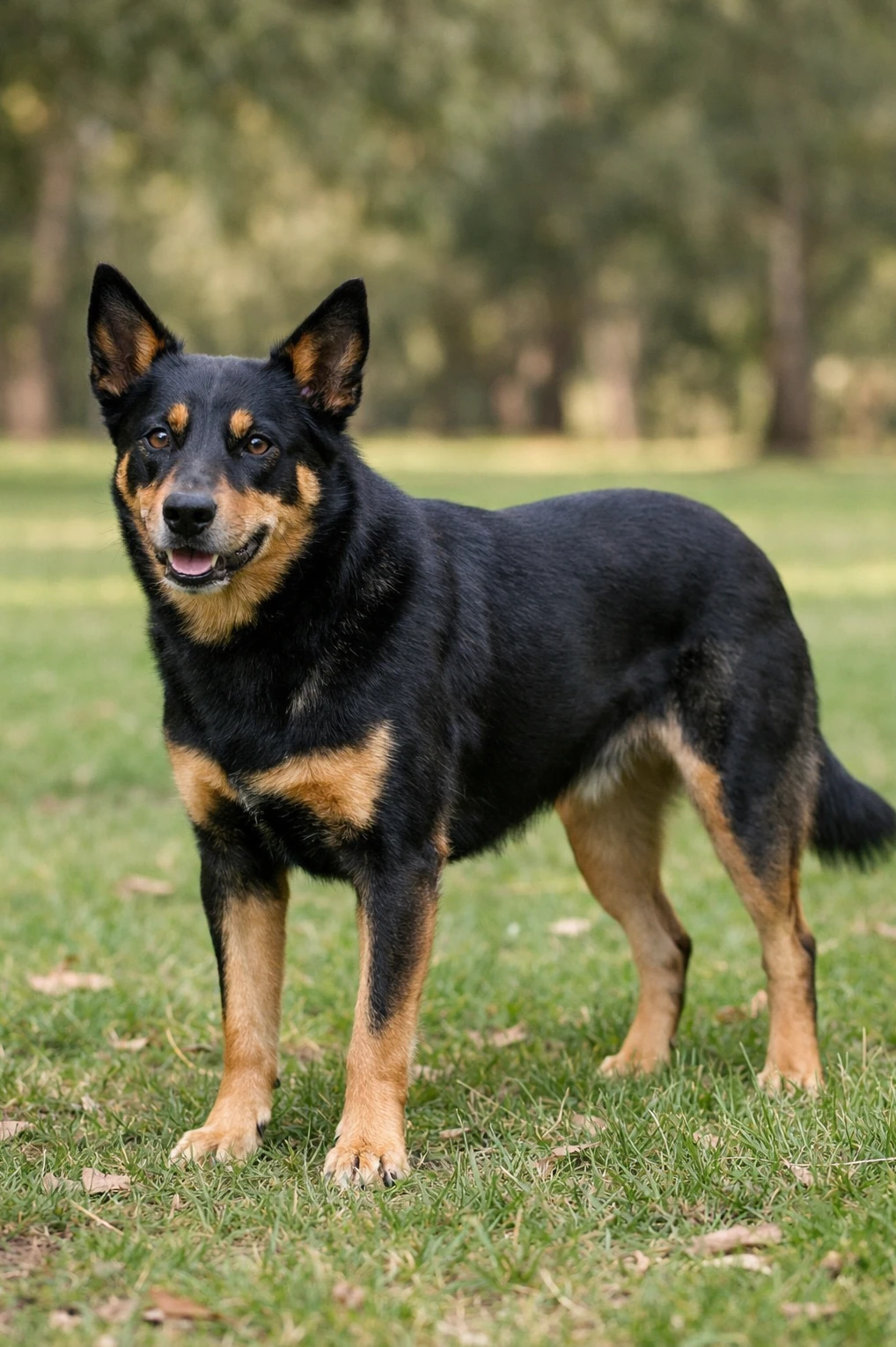
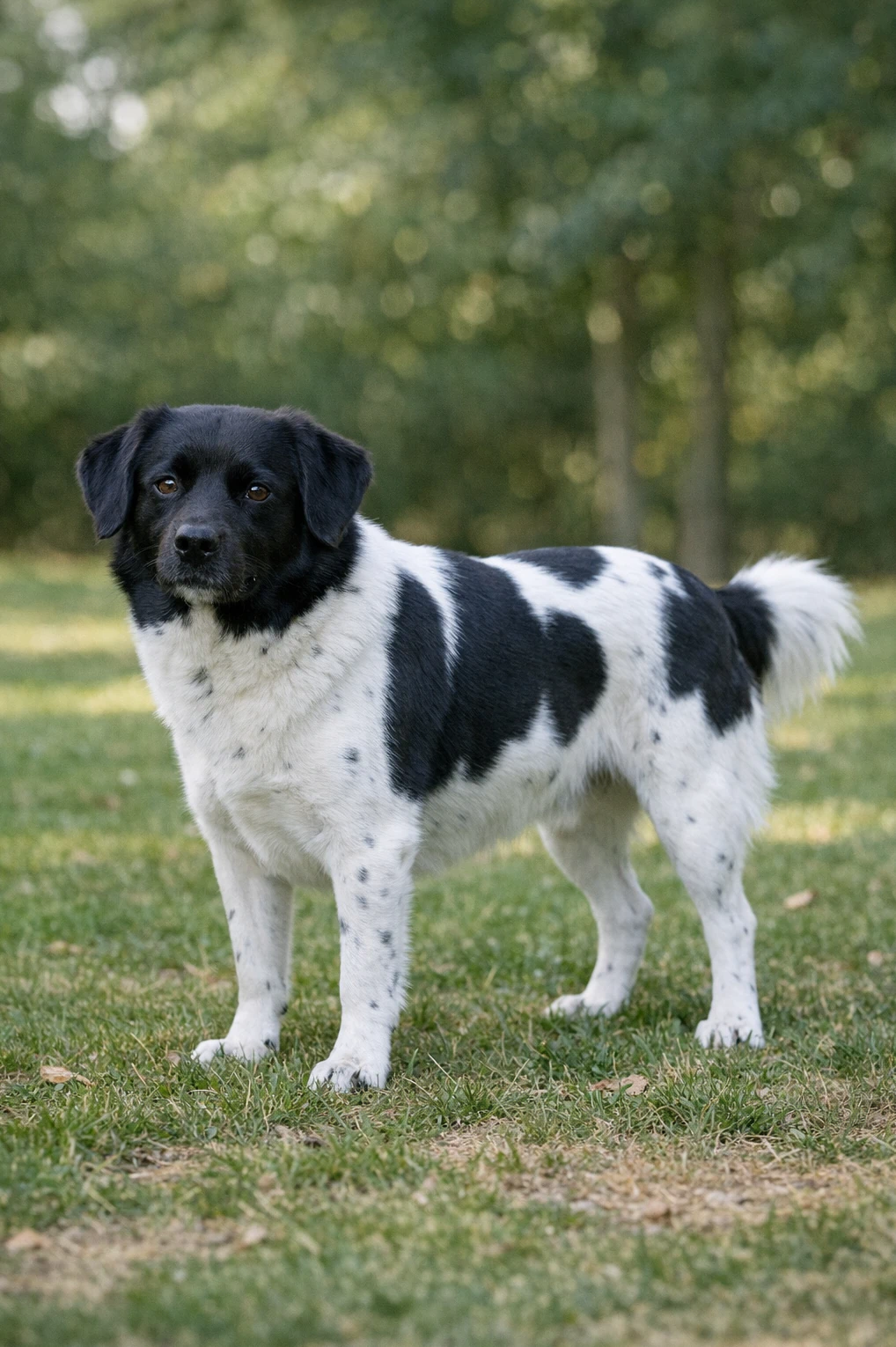
Best Dog Food for Braque Francais Pyrenean in 2026Based on Nutritional Science
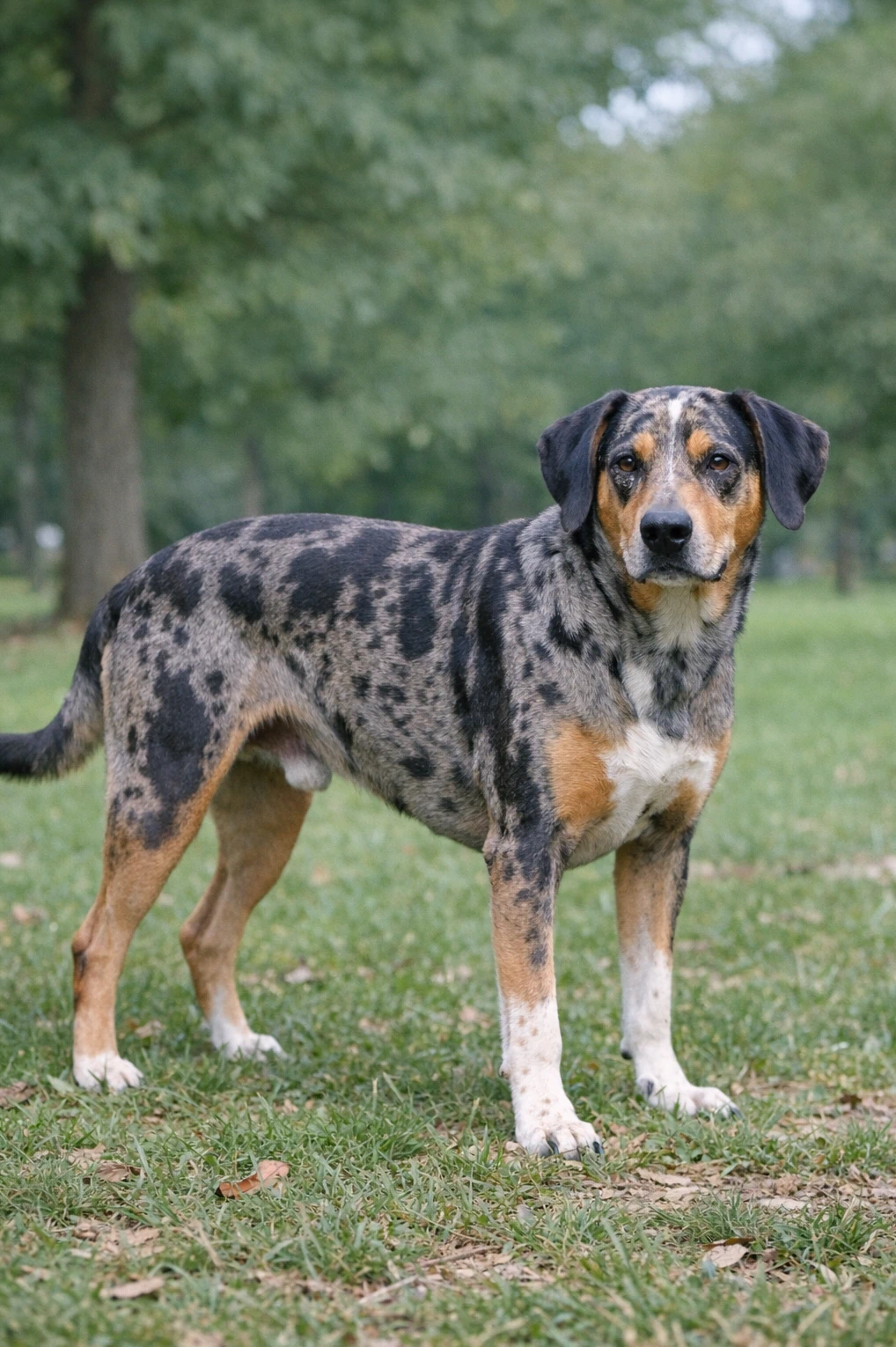
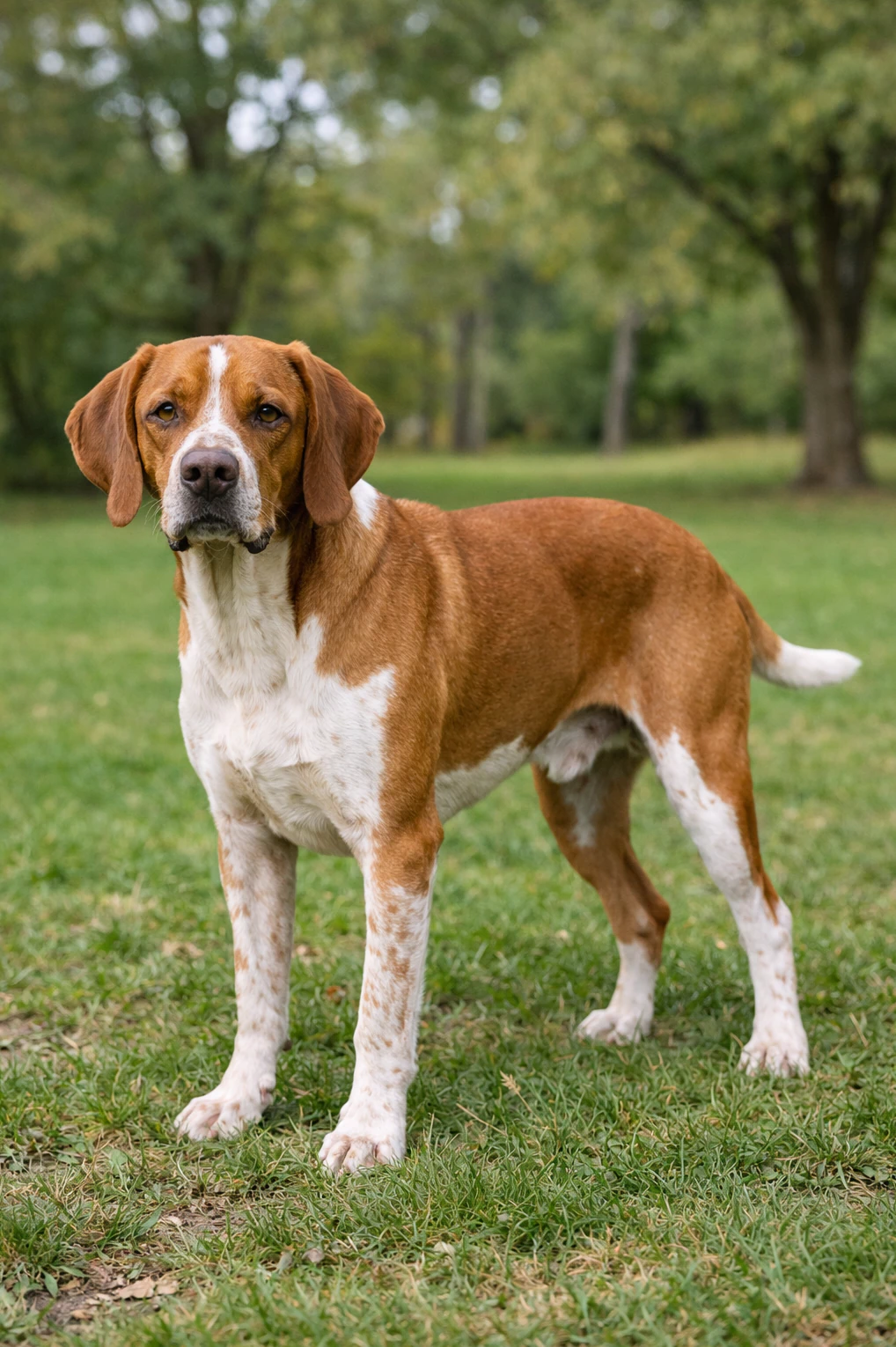
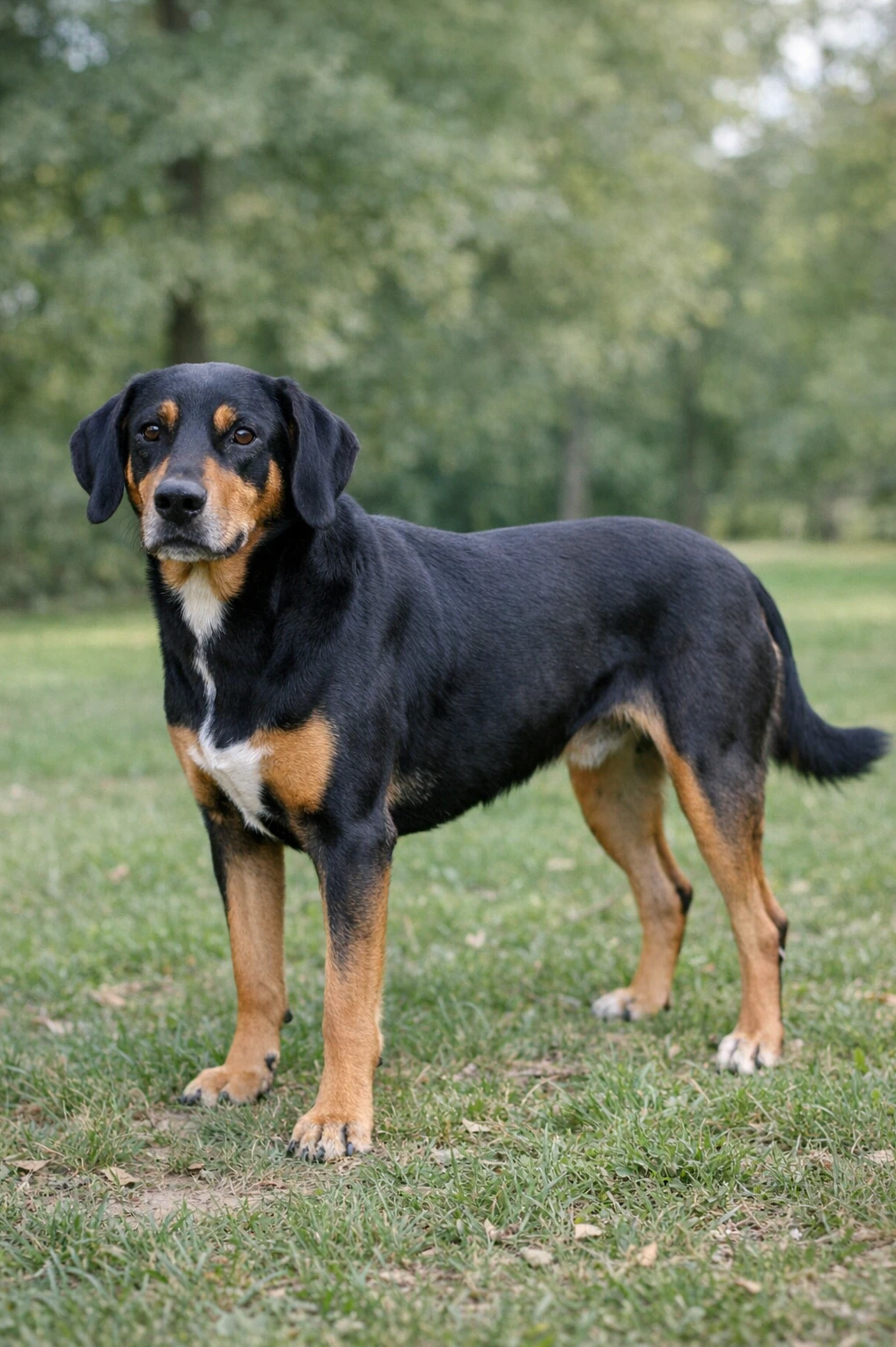
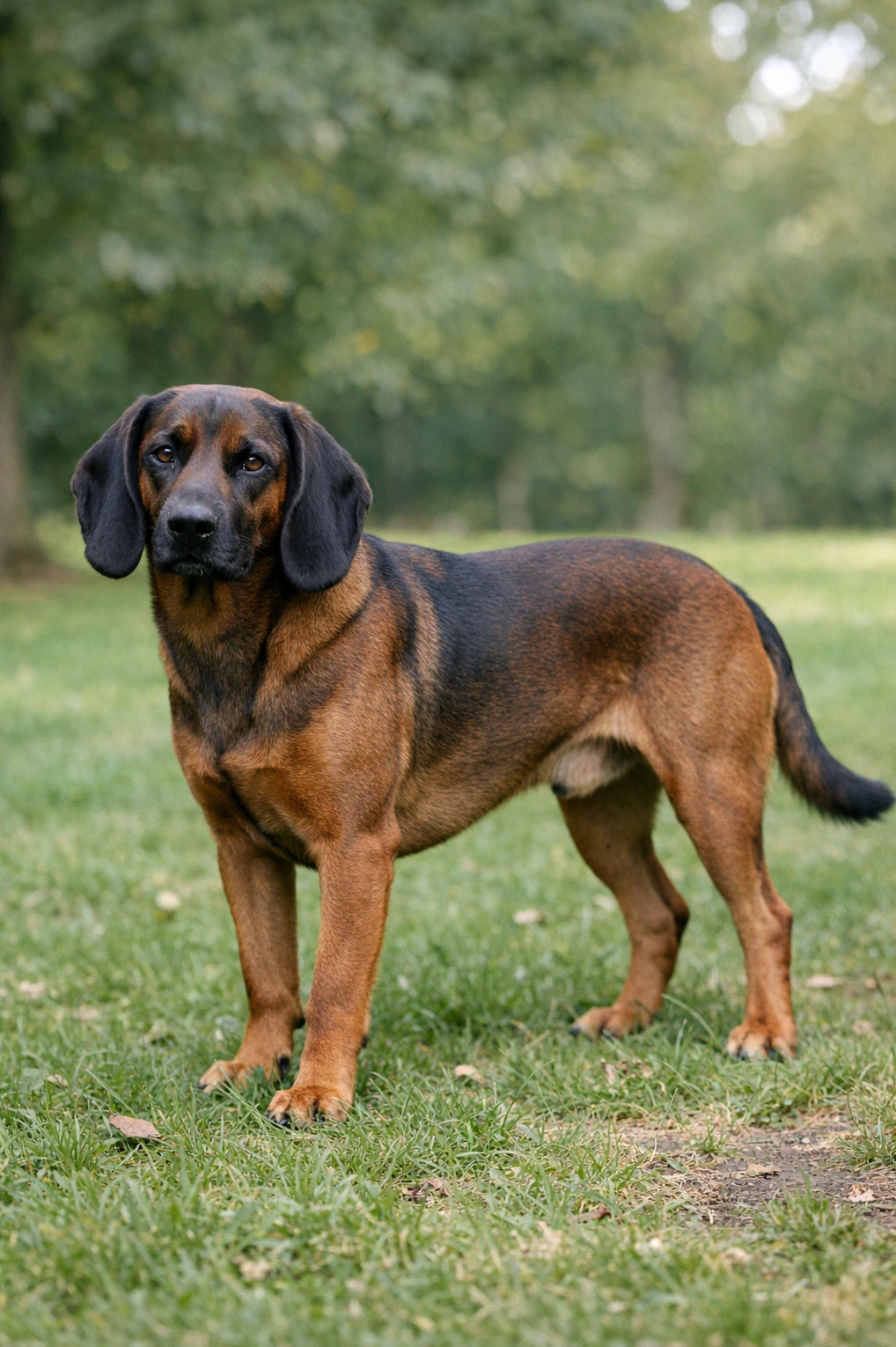
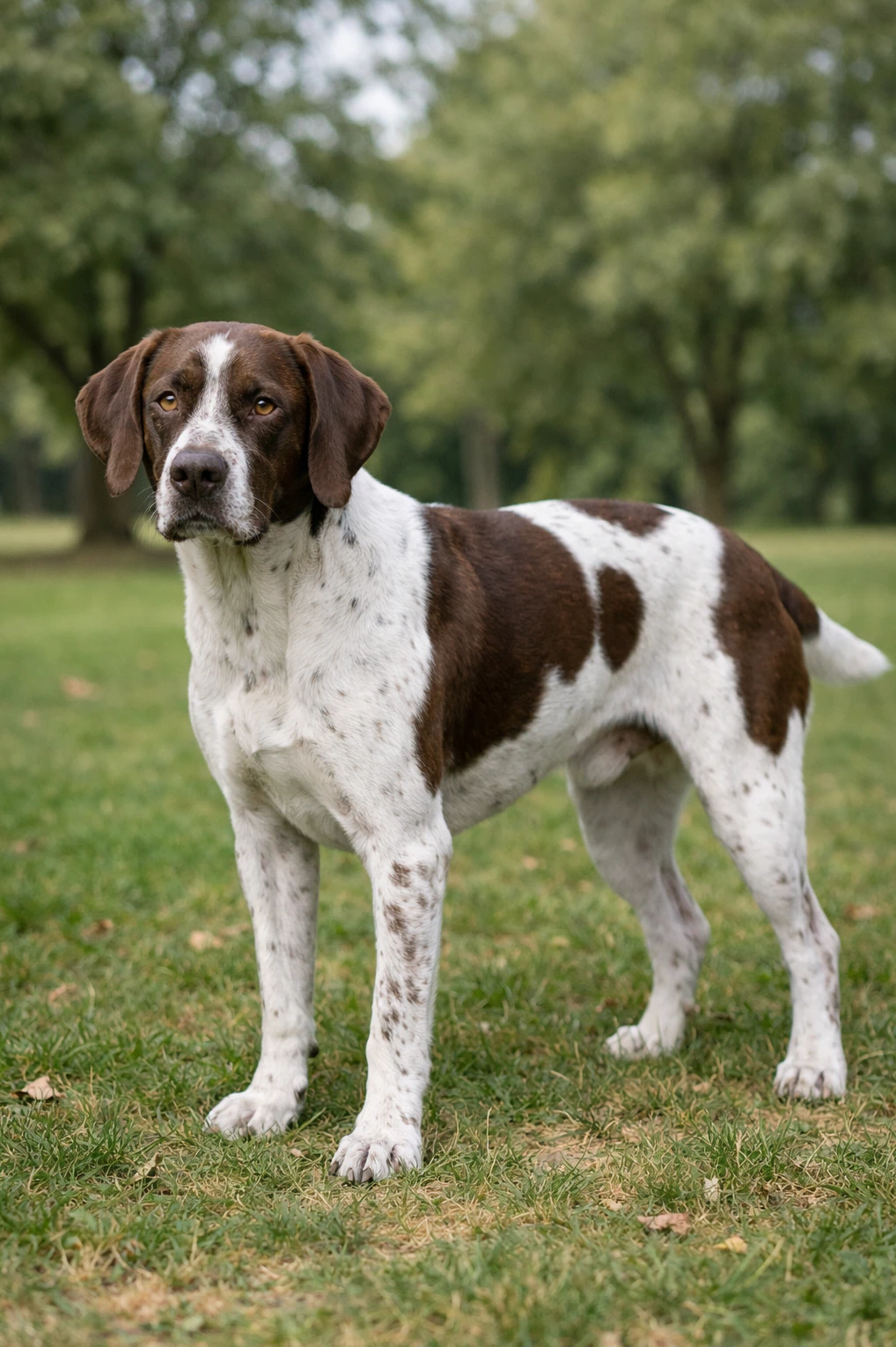
Medium-built French pointer, about 18.5 to 23 inches tall and 40 to 55 pounds. Affectionate, clever and eager to please. Nutritional Verdict: needs balanced, protein-rich meals and regular feeding for steady energy.
Understanding the Braque Francais Pyrenean Metabolism and Energy Needs
This French pointing type was developed for steady days in the field, often working alongside handlers to find and indicate game. They are outgoing, quick-witted and eager to cooperate, so both brain and body need regular fuel.
Higher quality protein is essential to preserve lean muscle and support bursts of speed, so prioritize meat-based proteins. Healthy fats supply enduring energy for long outings and support skin and coat, while modest complex carbohydrates and fiber keep digestion and blood sugar steady. Include omega-3 from fish oil for inflammation control and a joint supplement like glucosamine to protect cartilage during active play.
Consistent meal timing and portion control help maintain a trim physique, which reduces stress on joints and keeps them alert and ready to work. Small amounts of B vitamins and antioxidants support cognitive function and recovery after busy days.
Managing Braque Francais Pyrenean Genetic Health Risks Through Nutrition
Braque Francais Pyrenean Feeding & Calorie Calculator
Estimated Daily Calories
Tip: Start with this amount and adjust after 2–3 weeks based on your dog's body condition and weight trend.
This estimate provides a starting point for feeding. Individual calorie needs may vary depending on metabolism, body condition, and health status. Always monitor your dog's weight and consult your veterinarian when adjusting diet.
Foods and Ingredients to Avoid for Braque Francais Pyrenean Dogs
Braque Francais Pyrenean are medium sized, active dogs that do best with a lean, steady body condition, so high-fat foods and table scraps can quickly push them into excess weight.
Too much dietary fat also raises the risk of pancreatitis, which is painful and can require emergency care.
Stick to lean protein sources and measured treats to support endurance and healthy joints.
Keep an eye on calorie density, since extra weight stresses hips and shoulders over time.
Chocolate and caffeine contain stimulants that dogs cannot tolerate, and even small amounts can cause vomiting, rapid heart rate, tremors, and worse.
Xylitol, a common sugar substitute in gum, candy and some peanut butters, can trigger a dangerous drop in blood sugar and liver damage in dogs.
Because the Braque Francais Pyrenean relies on steady energy for working and play, avoid all access to these items and treat any suspected ingestion as an emergency that needs prompt veterinary attention.
Grapes, raisins and currants are among the few fruits that can cause sudden kidney failure in dogs, and there is no reliable safe dose.
Sensitivity varies among individual dogs, so keeping these fruits out of reach is the safest choice for your Braque Francais Pyrenean.
Even trail snacks or baked goods with raisins can be dangerous, so double check ingredients and be cautious when sharing food on walks or at gatherings.
Onions, garlic and other alliums contain compounds that can damage a dog’s red blood cells, leading to anemia over time.
This is true for fresh, cooked and powdered forms, so seasoned foods and leftovers are common hidden risks for curious eaters.
Because these dogs depend on strong stamina, preserving healthy oxygen delivery is important. Avoid feeding anything with onion or garlic, and keep human leftovers out of reach.
Cooked bones tend to splinter, which can puncture the mouth, throat, or intestines and cause dangerous blockages or infections.
Small, hard chews and very brittle toys also risk breaking teeth or being swallowed whole, which can lead to choking or obstructive emergencies.
Choose appropriately sized, durable chews recommended for medium breeds and supervise chewing sessions to protect dental health and prevent gastrointestinal issues in your Braque Francais Pyrenean.
Some grain-free diets that rely heavily on peas, lentils and other legumes as main ingredients have been linked to cases of dilated cardiomyopathy in dogs, particularly when those ingredients dominate the formula.
Heart health is key for an active hunting breed like the Braque Francais Pyrenean, so avoid diets where legumes are the primary protein source without veterinary guidance.
If you are considering a grain-free option, discuss it with your veterinarian and choose formulas backed by balanced nutrition and transparent ingredient sourcing.
How Nutritional Needs Change Throughout the Braque Francais Pyrenean Life Stages
Dogs need different nutrition at puppyhood, adulthood, and in their senior years, and the Braque Francais Pyrenean is no exception. Their needs change as growth slows, activity levels shift, and health tendencies emerge. Breed size, growth rate, and how active they are influence calories, protein, and joint support to keep them healthy at every stage.
| Life Stage | Age Range | Primary Objective | Key Nutrient Focus |
|---|---|---|---|
| Puppy | 0–15 months | controlled skeletal development, immune support, brain development | DHA, balanced calcium/phosphorus, high-quality protein |
| Adult | 1.5–6 years | lean muscle maintenance and sustained energy | high-quality protein, omega-3 fatty acids, fiber |
| Senior | 6+ years | joint mobility, metabolic health, and cognitive support | glucosamine, chondroitin, antioxidants, lower calories |
Braque Francais Pyrenean puppies grow steadily over a longer large-breed timeline, so controlled, steady nutrition supports healthy skeletal development and balanced weight gain. Feed high quality animal protein to build muscle, and ensure calcium and phosphorus are provided in a controlled ratio to protect developing bones. Include DHA for brain development and moderate fat for steady energy, avoiding excess calories that can speed growth too fast.
Small, frequent meals help regulate digestion and energy, typically three to four feedings daily until about six months, then gradually reduce to two or three. Because this breed is active and retains a lean, muscular build, focus on nutrient-dense food, joint-supporting ingredients like glucosamine and omega-3s, and monitoring growth to prevent strain on developing joints.
As adults, Braque Francais Pyreneans need nutrition that maintains lean muscle and steady energy for hunting, play, and family walks. Offer a diet with high quality protein to support muscles, balanced fats for sustained energy, and appropriate calories to match their active but not overly sedentary lifestyle. Two meals a day helps steady metabolism and prevents overeating.
Adjust fat and calorie levels based on activity, because a working or highly active dog will need more energy than a pet who mostly enjoys neighborhood strolls. Keep snacks and extras lean to avoid unwanted weight, and include omega-3 fatty acids and glucosamine to support joint health as they work hard and move frequently.
As Braque Francais Pyreneans enter their senior years, metabolism often slows and digestion can become less efficient, while joints may show wear from an active life. Senior dogs benefit from slightly fewer calories to prevent weight gain, while keeping high quality, easily digestible protein to preserve muscle mass. Increase dietary fiber a little to support regular digestion, and consider wet food or moistened kibble if dental changes make chewing harder.
Joint-supporting nutrients like glucosamine, chondroitin, and omega-3 fatty acids become more important to maintain mobility and comfort. Antioxidants such as vitamins E and C, and ingredients rich in polyphenols, support immune health and healthy aging. Work closely with your vet to adjust portions and select a senior formula that matches activity level and body condition.
Kibble vs Fresh vs Raw for Braque Francais Pyrenean
Different feeding models suit different lifestyles, routines, and dog needs. For the Braque Francais Pyrenean, medium size, steady activity, and a friendly, eager-to-please nature shape the best choices.
Pros
- Convenient and easy to portion for busy owners.
- Consistent, balanced nutrition supports steady energy for medium activity levels.
- Shelf stable and portable for training sessions or field outings.
- Dental-friendly texture can help reduce tartar buildup.
Cons
- Lower moisture content may require adding water for hydration.
- Some formulas include fillers that add unnecessary calories.
- Less variety can lead to boredom for picky eaters.
- Portion control is essential to prevent weight gain.
Pros
- Highly palatable, often loved by picky eaters.
- High moisture content supports hydration and healthy digestion.
- You control ingredients to match activity and sensitivities.
- Lean, cooked proteins help maintain the breed's muscle tone.
Cons
- Requires time and planning to ensure nutritional balance.
- Can be more expensive and needs refrigeration.
- Mistakes in recipes can cause nutrient gaps without guidance.
- Less convenient for travel or long training days.
Pros
- High protein, minimally processed food appeals to active dogs.
- Some owners report shinier coats and higher energy.
- Variety in textures can satisfy this curious, food-motivated breed.
- Can be portioned to support lean body condition.
Cons
- Higher risk of bacterial contamination without strict hygiene.
- Whole and raw bones can pose choking or dental hazards.
- Balancing vitamins and minerals is challenging without expertise.
- Often more expensive and less convenient for many owners.
| Diet Type | Pros for Braque Francais Pyrenean | Potential Downsides |
|---|---|---|
| High-Quality Kibble |
|
|
| Fresh Cooked Food |
|
|
| Raw Diet (BARF) |
|
|
Our Recommendation
For many Braque Francais Pyrenean owners, a high-quality kibble provides reliable, balanced nutrition with convenient feeding.
Fresh cooked food is a great alternative for owners who enjoy meal prep and extra palatability, while raw diets can work when managed carefully with veterinary guidance and strict hygiene.
See Also
Breeds with similar group, size, and coat characteristics