Best Dog Food for American Leopard Hound in 2026Based on Nutritional Science
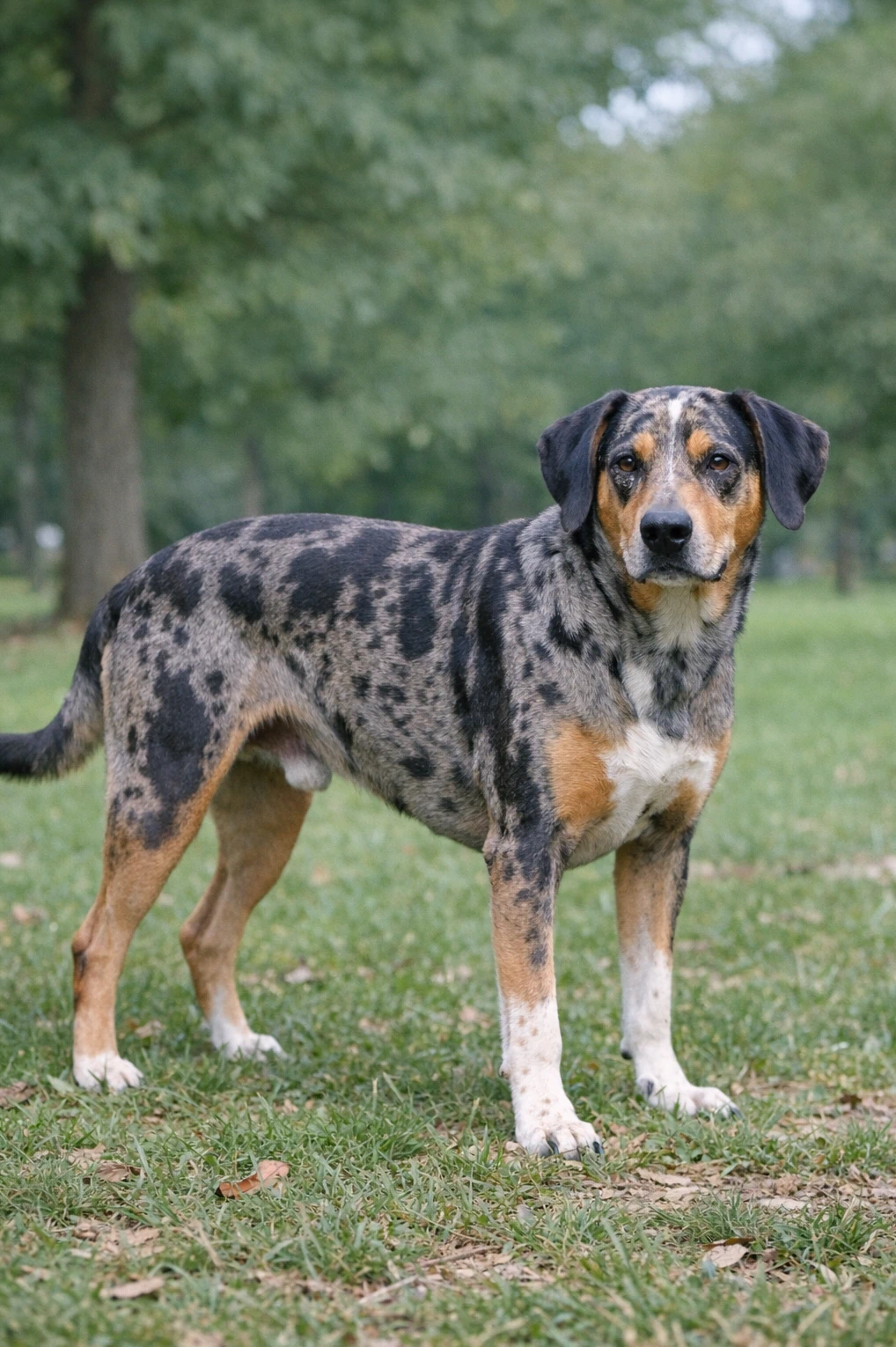
Medium-sized American Leopard Hound, about 22–27 inches tall (males) and 45–75 pounds (males), is quick-witted, people-loving and highly driven. Nutritional verdict: needs balanced, protein-rich meals and steady daily calories for sustained energy.
Understanding the American Leopard Hound Metabolism and Energy Needs
This spotted hunting hound descends from American working lines that chased game across rough country. Being quick-learning, people-oriented, and high-drive means its fuel needs to support both mental sharpness and steady physical effort.
Higher animal-based protein preserves lean muscle and supports fast recovery after long outings. Aim for roughly 25 to 30 percent of daily calories from protein to sustain endurance and produce neurotransmitter building blocks such as tyrosine.
Moderately elevated fats offer concentrated energy for prolonged activity and help keep the coat glossy. Omega-3s from fish oil also support skin health and cognitive function, while complex carbohydrates and fiber supply steady blood sugar and aid gut regularity.
Because these dogs remain active and social, joint-supporting nutrients like glucosamine and chondroitin, plus antioxidant vitamins, help protect mobility and speed recovery. Probiotics and a balanced vitamin-mineral mix promote digestion and immune resilience so they stay ready for training and family time.
Managing American Leopard Hound Genetic Health Risks Through Nutrition
Double merle-related vision and hearing impairment
Helpful nutrients
Overweight and obesity
Helpful nutrients
Nutritional imbalances from homemade or inappropriate diets
Helpful nutrients
American Leopard Hound Feeding & Calorie Calculator
Estimated Daily Calories
Tip: Start with this amount and adjust after 2–3 weeks based on your dog's body condition and weight trend.
This estimate provides a starting point for feeding. Individual calorie needs may vary depending on metabolism, body condition, and health status. Always monitor your dog's weight and consult your veterinarian when adjusting diet.
Foods and Ingredients to Avoid for American Leopard Hound Dogs
American Leopard Hounds can be prone to gaining weight, so high-fat foods and fatty table scraps are best avoided.
Excess fat increases calorie density quickly and can contribute to obesity, which puts extra strain on their joints and overall mobility.
Keeping dietary fat moderate helps dogs in the 45 to 75 pound range maintain a healthy weight and lower the risk of pancreatitis.
Choose lean protein sources and follow portion guidance from your veterinarian to keep your hound active and trim.
Treats are great for training and bonding, but too many treats can push an American Leopard Hound into unwanted weight gain.
Because this breed may become overweight, it is important to count treat calories as part of the daily total and use small, low-calorie rewards when possible.
Swapping high-calorie human snacks for healthy training bites or using part of the daily kibble as rewards helps preserve routine and body condition.
Consult your vet for treat limits tailored to your dog's age, activity level, and current weight.
Onions, garlic, chives, and related alliums contain compounds that can damage a dog’s red blood cells and lead to hemolytic anemia.
This can occur with raw, cooked, powdered, or concentrated forms, so even small amounts in sauces or seasonings are risky for your hound.
Given the breed’s size and active nature, a reduced oxygen-carrying capacity from anemia can quickly impact energy and stamina.
Avoid any foods seasoned with these ingredients and check ingredient lists on prepared foods and treats.
Xylitol, commonly found in sugar-free gum, some peanut butters, baked goods, and many 'low sugar' products, causes a rapid release of insulin in dogs leading to dangerous hypoglycemia.
In higher doses it can also cause liver damage, so even small accidental ingestions are serious.
Always check labels and keep sugar-free items well out of reach, and ask your veterinarian about safe treat alternatives.
Teaching family members and guests about xylitol is an easy way to prevent an emergency situation.
Grapes, raisins, and currants are toxic to dogs and can cause sudden kidney failure, sometimes after only a small amount.
The reaction is unpredictable, so serving baked goods that contain raisins or leaving a bowl of grapes within reach can be very dangerous for your pet.
Because American Leopard Hounds are energetic and curious, supervise food access closely and be cautious with holiday and snack foods.
If ingestion occurs, contact your veterinarian or an emergency clinic immediately.
Some boutique or grain-free diets rely heavily on peas, lentils, chickpeas, and other pulses as primary carbohydrate and protein sources.
There has been concern about associations between certain high-legume diets and cases of dilated cardiomyopathy in dogs, especially in medium to large breeds.
It is wise to avoid relying exclusively on diets where legumes dominate the ingredient list, and to consult your veterinarian before switching foods.
Regular checkups and, if advised, cardiac screening can help catch any developing issues early.
As a medium to large breed, American Leopard Hound puppies need controlled growth to develop healthy joints and bones.
Diets with excessive calcium or too many calories can promote overly rapid growth, raising the risk of orthopedic problems like hip or elbow dysplasia later in life.
Use a diet formulated for large-breed puppies or follow your veterinarian’s guidance on supplementation and portioning.
Avoid free supplementation of calcium unless your vet explicitly recommends it, and monitor growth by weight and body condition rather than only by serving size.
How Nutritional Needs Change Throughout the American Leopard Hound Life Stages
American Leopard Hounds need different nutrition at puppyhood, adulthood, and senior years because their bodies change as they grow. Growth rate, activity level, and breed health tendencies influence calorie, protein, and mineral needs. Large, energetic breeds like the American Leopard Hound require careful feeding during rapid growth to support bones and joints, while adult and senior plans focus on maintaining muscle, energy balance, and joint health.
| Life Stage | Age Range | Primary Objective | Key Nutrient Focus |
|---|---|---|---|
| Puppy | 0–15 months | controlled skeletal development, immune support, brain development | DHA, balanced calcium/phosphorus, high-quality protein |
| Adult | 1.5–6 years | lean muscle maintenance and sustained energy | high-quality protein, omega-3 fatty acids, fiber |
| Senior | 6+ years | joint mobility, metabolic health, and cognitive support | glucosamine, chondroitin, antioxidants, lower calories |
American Leopard Hound puppies grow quickly during their first year, and as a large, energetic breed they need steady, controlled growth to protect developing bones. Skeletal health benefits from diets made for large-breed puppies with balanced calcium and phosphorus and appropriate calorie levels.
Feed three to four small meals when young, shifting to two meals by six months, to manage energy and reduce joint stress. Adjust portions to body condition rather than free feeding.
Offer high quality animal protein for muscle and brain development, moderate healthy fats for energy, and DHA for early cognitive and visual support. Avoid extra calcium supplements or high-calorie treats that speed growth, and work with your breeder or vet on genetic screening, noting that merle-to-merle matings can produce double merles with a higher risk of blindness or deafness.
Adult American Leopard Hounds are active, intelligent dogs that need nutrition to match their steady energy and muscular build. Aim for a diet with high quality animal protein to maintain lean muscle, and moderate fat for sustained energy, choosing fats rich in omega-3s to support skin and coat.
Portion sizes should reflect daily activity, with more active dogs needing higher calories and less active dogs needing fewer. Include complex carbohydrates or fiber for steady energy and digestive health, and consider feeding twice daily to support metabolism and behavior. Keep an eye on body condition and adjust meals, while routine exercise and mental enrichment help prevent weight gain and keep muscles strong.
As American Leopard Hounds age they often slow down and their metabolism typically decreases, which can mean fewer calories are needed to maintain a healthy weight. Aging can bring reduced digestion efficiency and joint wear, so diets should be more digestible and tuned to support mobility.
Prioritize high quality, easily digested protein to preserve muscle, and lower calorie density if activity drops. Add joint-support nutrients like glucosamine, chondroitin, and omega-3 fatty acids to help comfort and mobility, and include antioxidants such as vitamin E and beta-carotene to support immune health. Monitor weight and stool quality, adjust portions and texture if dental changes affect eating, and consult your veterinarian for tailored supplements or prescription senior diets.
Kibble vs Fresh vs Raw for American Leopard Hound
Different feeding models suit different lifestyles, activity levels, and training needs. For an energetic, intelligent American Leopard Hound, the right diet balances calories, convenience, and overall health.
Pros
- Convenient for busy owners and consistent portioning for active dogs.
- Performance formulas provide higher protein and calories for energetic days.
- Dry texture can help reduce tartar build-up.
- Fortified with vitamins and minerals to support overall health.
Cons
- Lower moisture content may not suit very active dogs needing extra hydration.
- Some brands use fillers or low-quality ingredients that add empty calories.
- Can contribute to weight gain if portions are not adjusted for exercise.
- Less variety may be boring for an intelligent, food-motivated hound.
Pros
- Highly palatable, great for picky or training-motivated dogs.
- High moisture supports hydration during long activity sessions.
- You control ingredient quality and can add joint-support nutrients.
- Easier to adapt portion size for maintaining ideal weight.
Cons
- Requires careful recipe planning to meet all nutrient needs.
- More time and cost involved compared with kibble.
- Improper storage increases spoilage risk.
- May lack balanced calcium phosphorus without supplementation.
Pros
- High animal protein can match the breed's energetic needs.
- Some owners report shinier coats and higher stamina.
- Less processing preserves certain natural nutrients.
- Feeding raw can be varied to keep intelligent dogs engaged.
Cons
- Higher risk of bacterial contamination without strict hygiene.
- Balancing minerals and vitamins is challenging without expert guidance.
- Whole bones can be hazardous if not size-appropriate.
- May be impractical for busy owners due to prep and storage needs.
| Diet Type | Pros for American Leopard Hound | Potential Downsides |
|---|---|---|
| High-Quality Kibble |
|
|
| Fresh Cooked Food |
|
|
| Raw Diet (BARF) |
|
|
Our Recommendation
Many American Leopard Hounds do well on a high-quality, performance kibble or thoughtfully prepared fresh food, which meet energy and training needs while staying practical.
Raw feeding can suit some families, but it requires careful balancing and strict hygiene, so consult your veterinarian before switching.
See Also
Breeds with similar group, size, and coat characteristics