Best Dog Food for Lapponian Herder in 2026Based on Nutritional Science
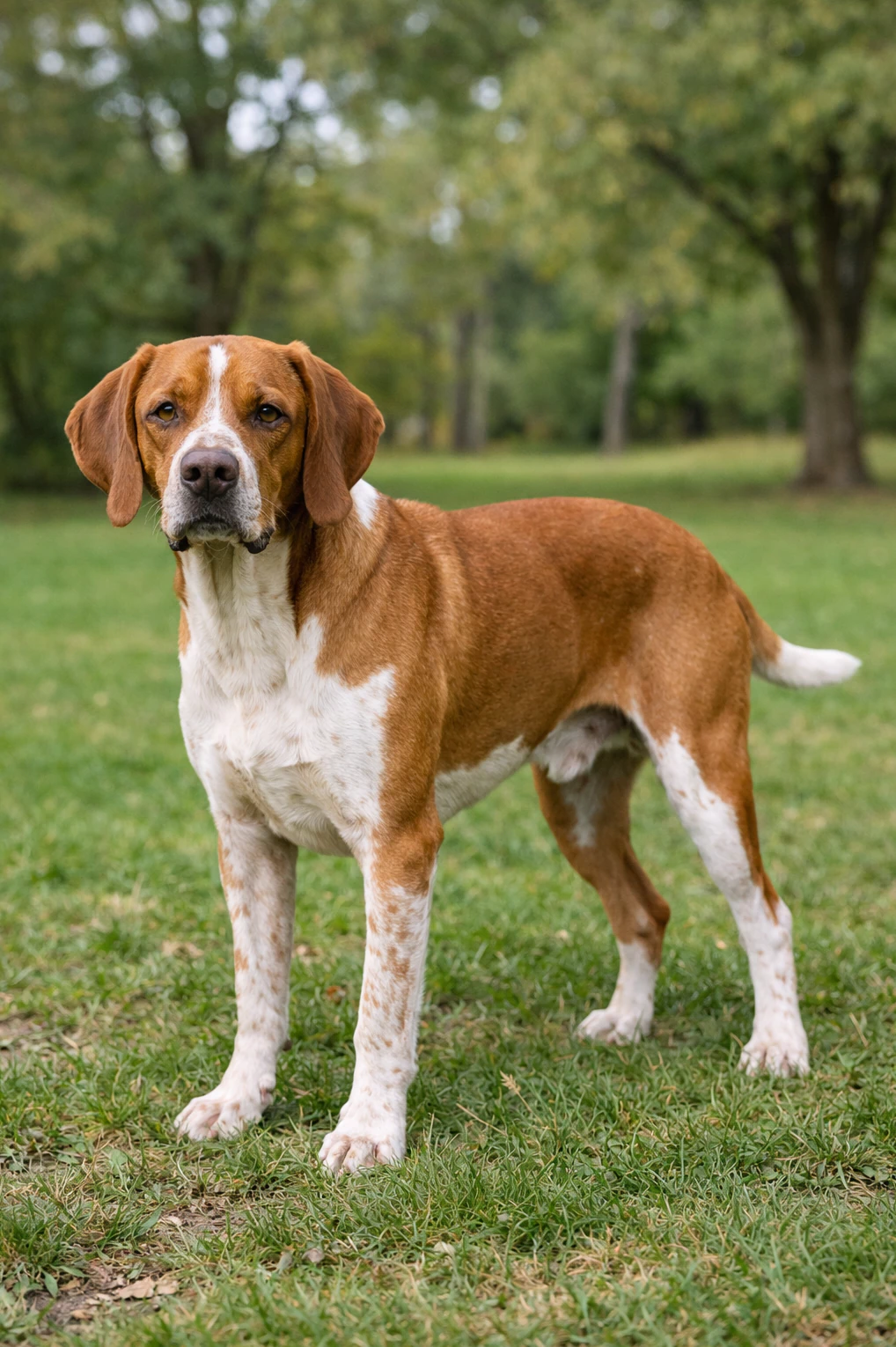
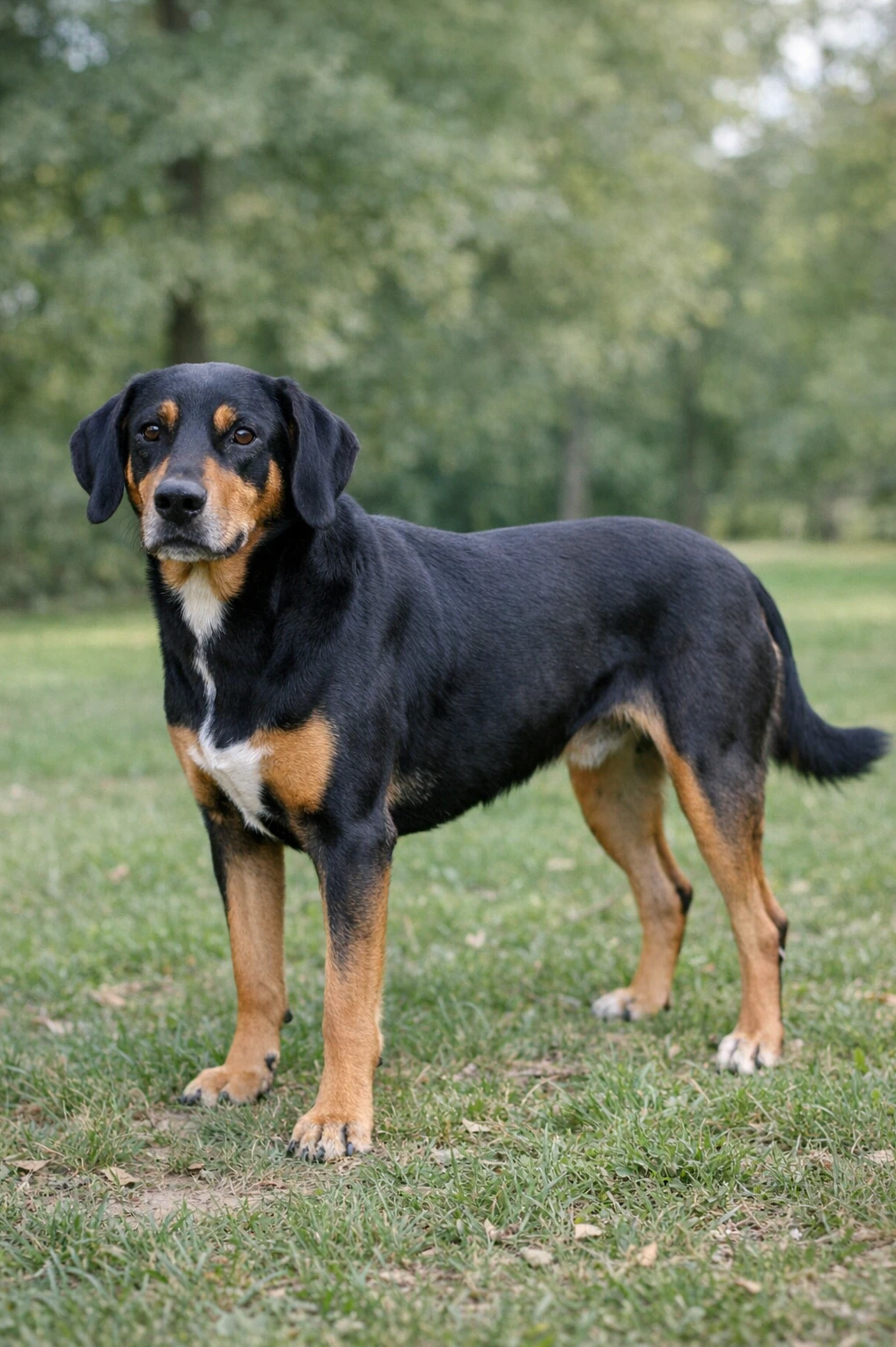
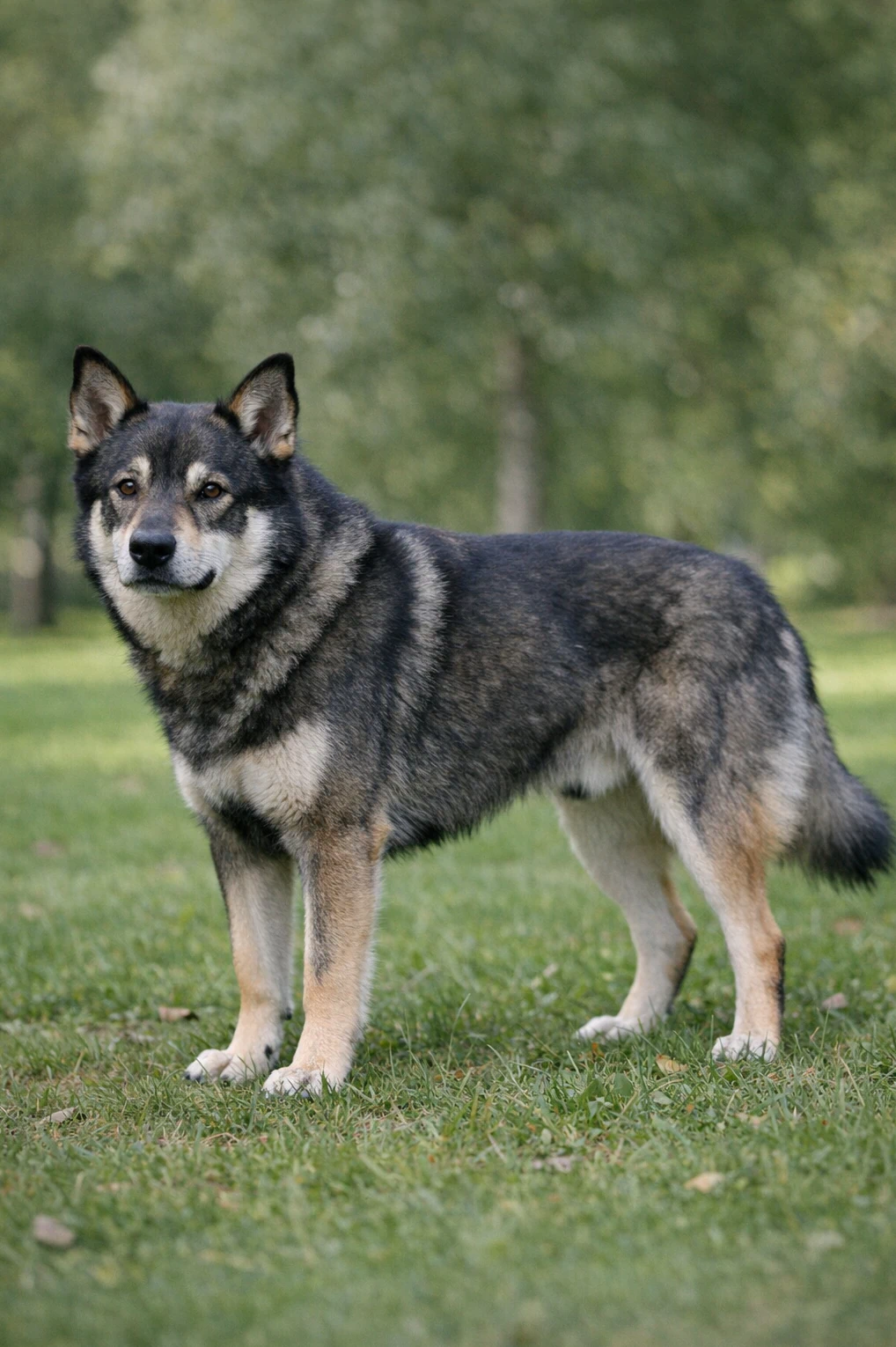
Compact herding companion about 18 to 20 inches tall and around 70 pounds. Clever, amiable, and lively.
Nutritional verdict: a protein-forward, balanced diet supports activity and maintains lean body condition.
Understanding the Lapponian Herder Metabolism and Energy Needs
Lapponian Herder roots lie in northern herding, where agility, sharp thinking, and close bonds with people were essential for guiding reindeer across rough ground. That background means a modern companion benefits from nutrition that supports fast recovery, steady endurance, and clear cognition. High-quality animal protein provides the amino acids needed for lean muscle repair and brain chemistry, while long-chain omega-3 fats supply dense fuel, soothe joints, and keep a thick coat healthy.
Complex carbohydrates such as sweet potato and oats give sustained energy without quick sugar crashes, and antioxidants like vitamin E help limit exercise-related inflammation. Joint-support nutrients, for example glucosamine and chondroitin, are sensible for an active life, and B vitamins assist mental focus. In practice choose a diet that favors protein, keeps fat moderate, and limits simple carbs to match this hardy working heritage.
Managing Lapponian Herder Genetic Health Risks Through Nutrition
Obesity / Overweight
Helpful nutrients
Life-stage nutrition (puppy, adult, senior)
Helpful nutrients
Dehydration and fluid balance
Helpful nutrients
General nutritional deficiencies / overall health
Helpful nutrients
Lapponian Herder Feeding & Calorie Calculator
Estimated Daily Calories
Tip: Start with this amount and adjust after 2–3 weeks based on your dog's body condition and weight trend.
This estimate provides a starting point for feeding. Individual calorie needs may vary depending on metabolism, body condition, and health status. Always monitor your dog's weight and consult your veterinarian when adjusting diet.
Foods and Ingredients to Avoid for Lapponian Herder Dogs
Because some Lapponian Herders can be prone to weight gain, high-fat foods and rich table scraps are best avoided.
Excess dietary fat can quickly add calories and place extra stress on joints, and it can increase the risk of pancreatitis in sensitive dogs, so stick with lean protein sources and measured portions to keep your 70 pound companion fit and energetic.
Training treats are helpful, but too many or calorie-dense options can tip a working but stocky breed into overweight.
Foods heavy in simple carbs or sugars contribute little nutrition while boosting calories, so choose low-calorie, high-protein treats and account for them in the daily intake to protect hips, knees, and overall vitality.
Lapponian Herders can thrive on home-prepared meals when guided by a veterinarian, however unbalanced recipes may lead to nutrient gaps or excesses, especially in calcium and phosphorus.
Improper ratios can affect bone and joint health, so always work with a vet or canine nutritionist to ensure the diet meets life stage and body weight needs and avoids long term deficiencies.
Xylitol and some artificial sweeteners are highly toxic to dogs and can cause rapid, dangerous drops in blood sugar and liver damage.
Even small amounts in baked goods, peanut butter, or chewing gum can be life threatening, so always check ingredient labels and keep human treats out of reach of curious noses.
Grapes and raisins can cause acute kidney damage in dogs and should never be fed, even in tiny amounts.
Some other fruits can upset digestion if given in excess, so offer safe fruit treats sparingly and prefer vet-approved options like small pieces of apple without seeds, while avoiding any fruit known to be toxic.
Recent research has linked some grain-free diets that rely heavily on peas, lentils, and other legumes to cases of heart muscle disease in dogs, so long term reliance on these ingredients as principal carbohydrate sources should be approached with caution.
For a breed with generally good health, choosing a balanced formula with appropriate protein and taurine levels helps reduce any potential risk.
How Nutritional Needs Change Throughout the Lapponian Herder Life Stages
Dogs need different nutrients at different life stages, with puppyhood focused on growth, adulthood on maintenance, and senior years on support and prevention. A Lapponian Herder's needs are shaped by its large size, energetic working nature, and steady, primitive health profile, plus growth rate and activity level. Breed-specific tendencies and guidance from a responsible breeder help tailor feeding plans.
| Life Stage | Age Range | Primary Objective | Key Nutrient Focus |
|---|---|---|---|
| Puppy | 0–15 months | controlled skeletal development, immune support, brain development | DHA, balanced calcium/phosphorus, high-quality protein |
| Adult | 1.5–6 years | lean muscle maintenance and sustained energy | high-quality protein, omega-3 fatty acids, fiber |
| Senior | 6+ years | joint mobility, metabolic health, and cognitive support | glucosamine, chondroitin, antioxidants, lower calories |
Lapponian Herder puppies grow steadily but over a longer period than small breeds, since large-breed skeletal development continues into their second year. This steady growth means calories should be enough to support muscles without encouraging too rapid weight gain that stresses developing joints.
Focus on a controlled calcium to phosphorus ratio, high quality protein for lean muscle, and DHA for brain and vision development. Moderate fat levels provide energy for this energetic, working-minded pup while omega-3s support a healthy double coat and skin.
Feed smaller, frequent meals, starting with three to four feedings daily and gradually moving to two by about 12 to 18 months, depending on growth. Work with a responsible breeder or veterinarian to tailor portions and monitor growth plates and body condition.
As adults, Lapponian Herders need nutrition that supports lean muscle, sustained energy, and mental sharpness. Aim for high quality protein to maintain muscle mass, balanced healthy fats for energy, and carbohydrates from whole-food sources for steady fuel without spikes.
Because many of these dogs are active or working, calorie needs can be higher than for a sedentary pet, so match portions to activity level and life demands. Keep an eye on body condition, adjust intake if your dog is less active, and choose formulas with omega fatty acids to support the double coat and skin.
Routine vet checks and guidance from a responsible breeder help fine-tune feeding, especially around spay or neuter, performance work, or seasonal activity changes. Quality ingredients and proper portioning keep a Lapponian Herder fit and happy.
As Lapponian Herders enter their senior years, metabolism and activity often slow, and digestion may become less efficient. Even with the breed's generally sturdy health, reduced activity can lead to weight gain which stresses joints and mobility.
Focus on highly digestible, quality protein to preserve lean mass while modestly reducing calories if activity drops. Add joint-supporting nutrients like glucosamine, chondroitin, and omega-3 fatty acids along with antioxidants such as vitamin E to support cellular health and reduce inflammation.
Consider foods with added fiber for steady digestion and smaller, more frequent meals to ease digestion and dental changes. Regular weight checks and vet consultations, along with advice from a responsible breeder when appropriate, will help tailor senior feeding to keep your Herder comfortable and active.
Kibble vs Fresh vs Raw for Lapponian Herder
Different feeding models suit different lifestyles and energy needs. For an intelligent, energetic Lapponian Herder, choose a plan that supports regular activity and overall health.
Pros
- Convenient and easy to portion for active Lapponian Herders.
- Balanced nutrition formulated for medium-large, working-type dogs.
- Higher protein formulas support muscle maintenance during frequent activity.
- Dry kibble helps reduce tartar buildup between dental care sessions.
Cons
- Some formulas are high in carbs, risking unwanted weight gain.
- Lower moisture content means you should encourage extra water intake.
- Ingredient quality varies, so selection requires label reading.
- May be less exciting for picky eaters seeking novel flavors.
Pros
- Highly palatable, appealing to picky or performance-minded dogs.
- High moisture content supports hydration for working sessions.
- Easy to adjust protein and fat to match activity level.
- Whole foods can support coat condition and overall vitality.
Cons
- Requires careful planning to ensure complete nutrient balance.
- More time consuming and often more expensive over the long term.
- Needs refrigeration and prep, making travel or day trips harder.
- Portion consistency can vary without kitchen scales or recipes.
Pros
- Mimics ancestral feeding with unprocessed, high-quality protein sources.
- Often higher in fat and protein suited for sustained energy needs.
- Some owners note improved coat sheen and endurance.
- No industrial processing preserves many natural nutrients.
Cons
- Demands strict hygiene to prevent bacterial contamination risks.
- Raw bones can present choking or dental hazards if unmanaged.
- Requires veterinary guidance to avoid vitamin and mineral gaps.
- May complicate multi-dog homes due to cross-contamination concerns.
| Diet Type | Pros for Lapponian Herder | Potential Downsides |
|---|---|---|
| High-Quality Kibble |
|
|
| Fresh Cooked Food |
|
|
| Raw Diet (BARF) |
|
|
Our Recommendation
Lapponian Herders often do best on diets that support sustained energy and lean muscle.
For many owners, a high-quality kibble formulated for active, medium-large dogs is a practical base, with fresh cooked meals or carefully managed raw feeding added when more calories or variety are needed.
See Also
Breeds with similar group, size, and coat characteristics