Best Dog Food for Shikoku Ken in 2026Based on Nutritional Science
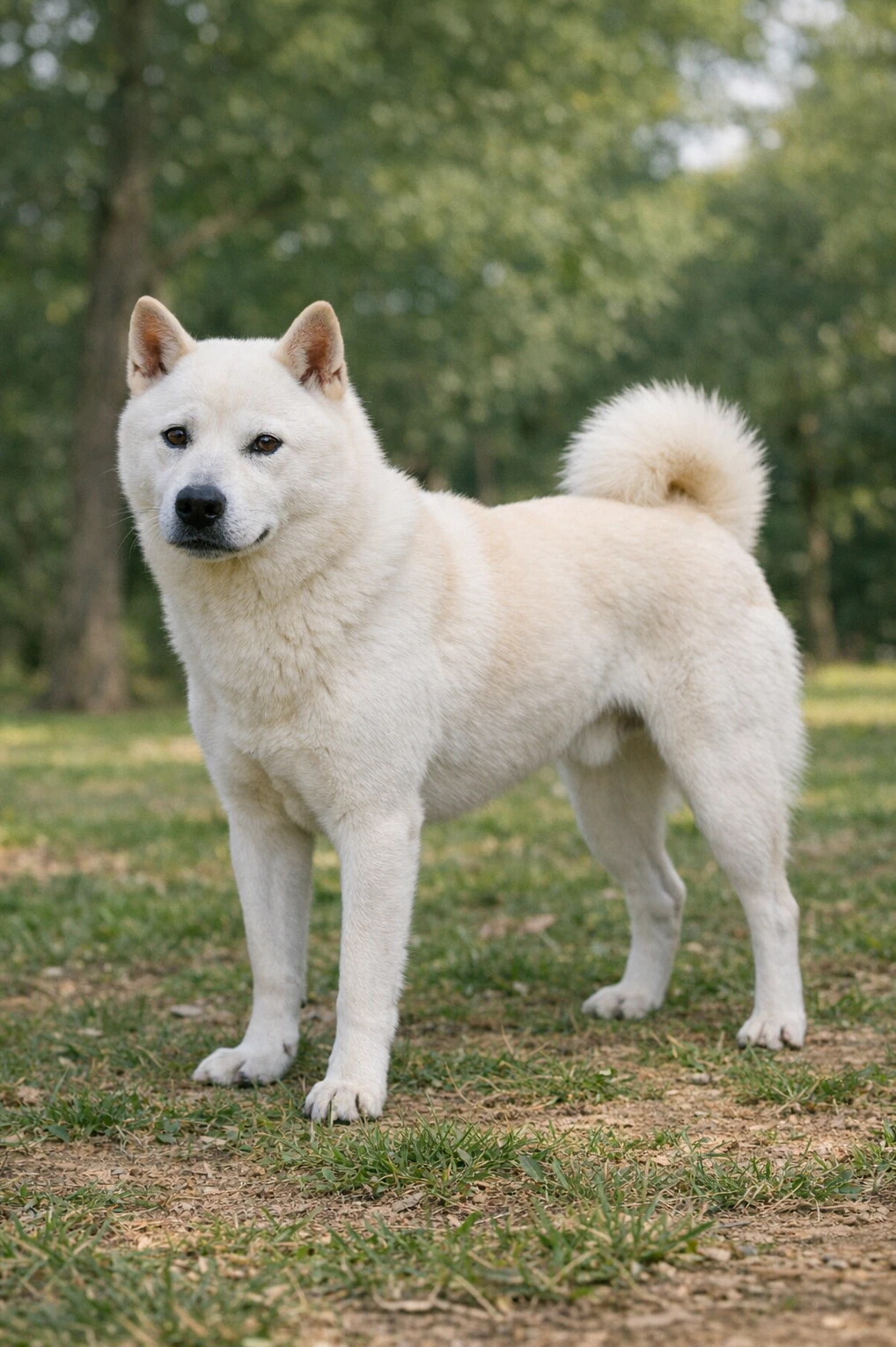
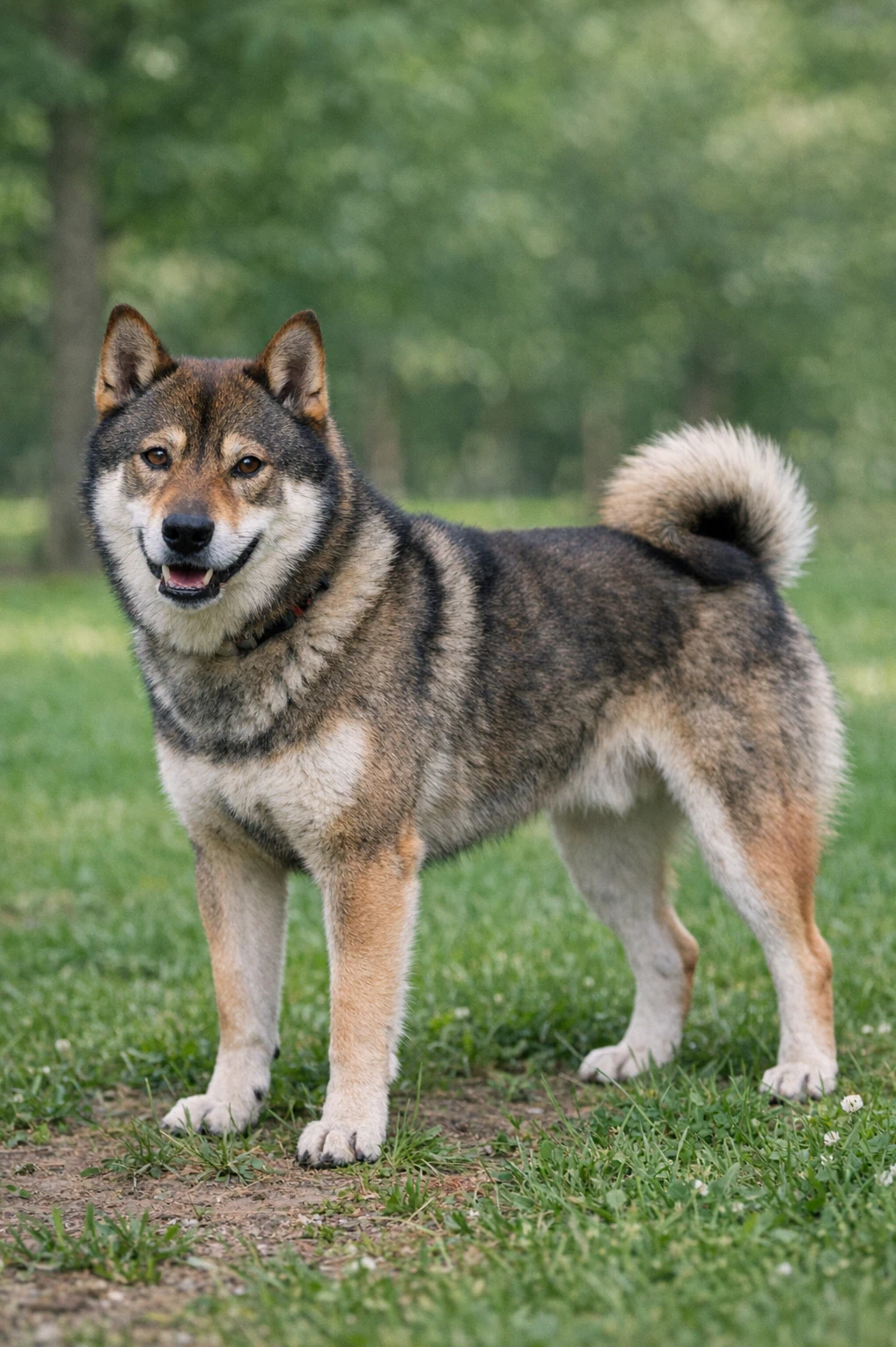
Shikoku Ken is a medium, agile dog, about 17 to 22 inches tall and 35 to 55 pounds, spirited and attentive.
Nutritional verdict: active metabolism needs quality protein, balanced fats, and regular portion control.
Understanding the Shikoku Ken Metabolism and Energy Needs
Coming from traditional Japanese mountain hunters, these dogs were shaped for endurance, nimbleness, and quick reactions. That history shows up in modern needs, with a requirement for proteins that maintain lean, powerful muscles and support speedy recovery after activity. Choose whole-meat sources like chicken, turkey, or fish to supply complete amino acids and keep energy stable.
Fats provide concentrated fuel for long walks and play, and omega-3s help soothe joints and keep skin glossy. Complex carbohydrates such as sweet potato and brown rice offer gradual energy release without unnecessary fillers, while moderate levels prevent excess weight. For busy, inquisitive dogs, small boosts of glucosamine, antioxidants, and B vitamins help joint resilience, mental sharpness, and efficient metabolism.
Managing Shikoku Ken Genetic Health Risks Through Nutrition
Obesity
Helpful nutrients
Nutritional imbalance from home-prepared diets
Helpful nutrients
Inherited or genetic conditions
Helpful nutrients
Shikoku Ken Feeding & Calorie Calculator
Estimated Daily Calories
Tip: Start with this amount and adjust after 2–3 weeks based on your dog's body condition and weight trend.
This estimate provides a starting point for feeding. Individual calorie needs may vary depending on metabolism, body condition, and health status. Always monitor your dog's weight and consult your veterinarian when adjusting diet.
Foods and Ingredients to Avoid for Shikoku Ken Dogs
Shikoku Kens can gain weight if their calorie intake is not monitored, and high-fat foods add calories very quickly.
Excessive dietary fat also raises the small risk of pancreatitis, which can be serious and sudden in medium-sized dogs.
Stick to lean protein sources and measured portions, and avoid fatty table scraps and deep-fried snacks.
If you suspect your dog has eaten something very fatty, call your veterinarian for advice.
Treats are helpful for training, but too many can push a Shikoku Ken into overweight, which strains joints and reduces stamina for their active nature.
Table scraps are often calorie-dense and nutritionally unbalanced, and they teach begging behaviors that are hard to unlearn.
Use low-calorie, portion-controlled treats and factor them into the daily calorie allowance, and always check with your vet when adjusting treat routines for weight management.
Certain human foods are outright dangerous for dogs, and a Shikoku Ken’s size means it takes less exposure to cause harm.
Chocolate and caffeine affect the heart and nervous system, xylitol causes rapid hypoglycemia and liver damage, and grapes, raisins, onions and garlic can cause kidney or red blood cell problems.
Keep these items out of reach, learn emergency contact steps for poisoning, and call your vet immediately if ingestion is suspected.
Some grain-free diets rely heavily on peas, lentils, or other legumes as protein and carbohydrate sources, which has been linked in certain cases to heart issues in dogs.
While most Shikoku Kens will do fine on a quality diet, avoiding formulas that use legumes as the main ingredient helps reduce that risk.
Choose balanced diets with named animal proteins and consult your veterinarian if you consider a grain-free option, especially for long-term feeding.
Artificial preservatives and colors can trigger skin sensitivities or digestive upset in dogs that are prone to mild allergies, and they add nothing nutritionally beneficial.
A clean ingredient list helps you avoid potential irritants and keeps your Shikoku Ken’s coat and skin healthier.
Look for foods preserved naturally, such as with mixed tocopherols, and monitor your dog for any signs of itching or tummy issues when trying a new formula.
Home-cooked and raw diets can be nutritious when carefully planned, but they carry a real risk of missing key nutrients or providing too much calcium, especially during puppy growth.
Improper balance can lead to developmental bone problems in medium-breed puppies and nutrient deficiencies in adults.
If you prefer home-prepared or raw feeding, work closely with your veterinarian or a veterinary nutritionist to create a complete, life-stage appropriate plan and to prevent accidental over- or under-supplementation.
Kibble vs Fresh vs Raw for Shikoku Ken
Different feeding models suit different lifestyles, schedules, and activity levels.
For the spirited Shikoku Ken, consider energy needs, coat health, and how much time you can spend on meal prep.
Pros
- Convenient for busy owners with active dogs.
- Formulas with higher protein support sustained energy.
- Fortified with nutrients for skin and double coat health.
- Dry texture can help reduce tartar buildup.
Cons
- Some formulas are calorie-dense, risking weight gain without portion control.
- Lower moisture may not support hydration during intense exercise.
- Quality varies between brands, so read ingredient lists carefully.
- May be less enticing to picky Shikoku eaters than fresh food.
Pros
- Highly palatable, great for picky or enthusiastic eaters.
- High moisture supports digestion and hydration after activity.
- Full control over ingredients helps manage sensitivities and allergies.
- Allows inclusion of lean proteins and vegetables for balanced energy.
Cons
- Requires careful planning to ensure complete, balanced nutrition.
- Meal prep and refrigeration add time and effort.
- Typically more expensive than kibble over the long term.
- Risk of nutrient gaps without veterinary or nutritional guidance.
Pros
- Mimics ancestral feeding with raw proteins and bones.
- Often highly palatable, appealing to enthusiastic eaters.
- Some owners report improved coat condition and energy.
Cons
- Higher risk of bacterial contamination without strict hygiene.
- Raw bones can be hazardous if not properly sized.
- Requires veterinary oversight to ensure safe, balanced nutrition.
- Not ideal for owners unable to commit to strict handling routines.
| Diet Type | Pros for Shikoku Ken | Potential Downsides |
|---|---|---|
| High-Quality Kibble |
|
|
| Fresh Cooked Food |
|
|
| Raw Diet (BARF) |
|
|
Our Recommendation
For many Shikoku Kens, a high-quality kibble offers a convenient, balanced foundation that fits active family life.
Fresh cooked meals work well for owners who want ingredient control and can manage prep time, while raw diets may be suitable only for experienced owners with veterinary support.
Above all, choose a consistent, balanced plan and monitor weight, coat, and energy with your veterinarian.
See Also
Breeds with similar group, size, and coat characteristics