Best Dog Food for Hokkaido in 2026Based on Nutritional Science
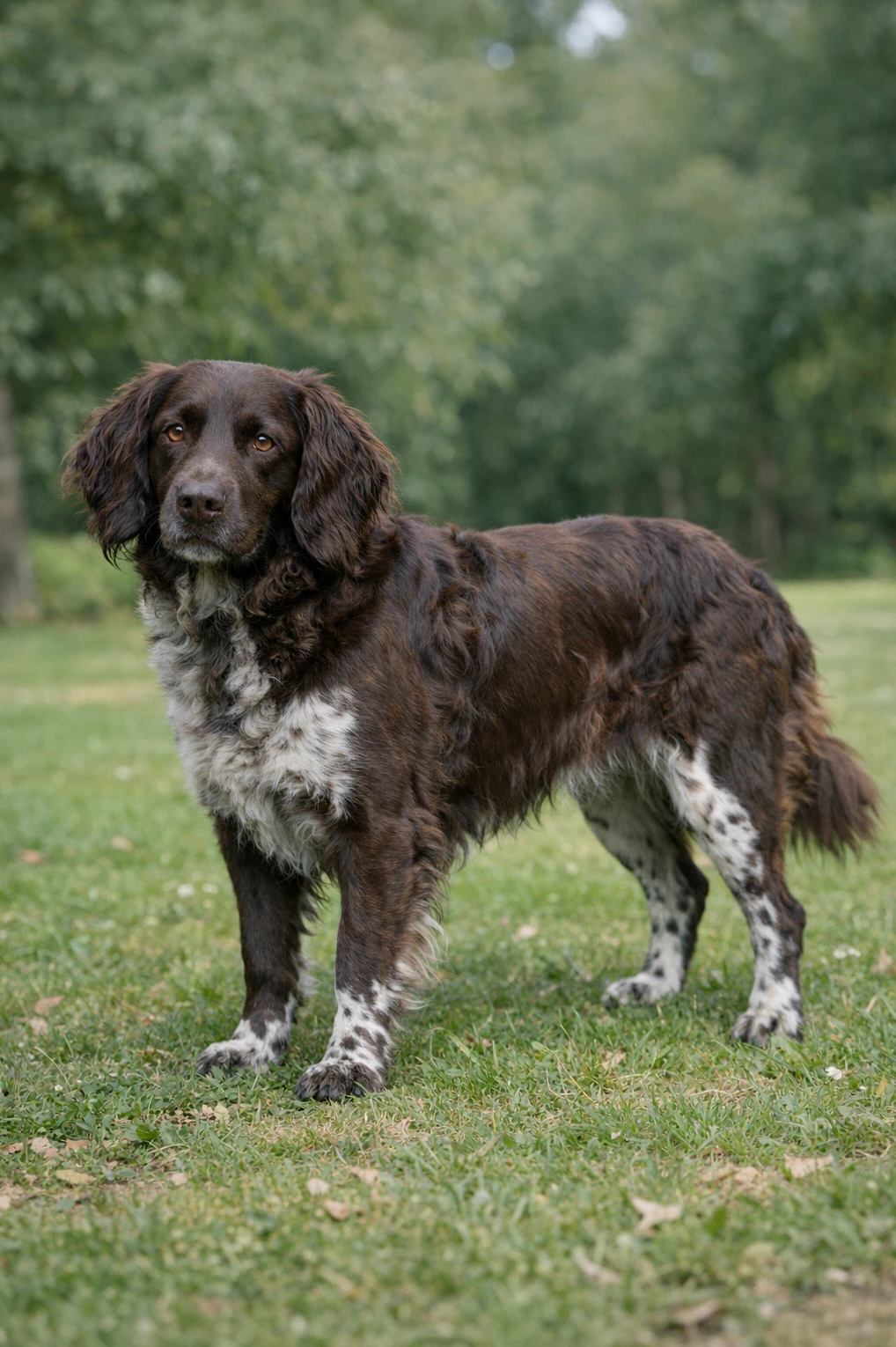
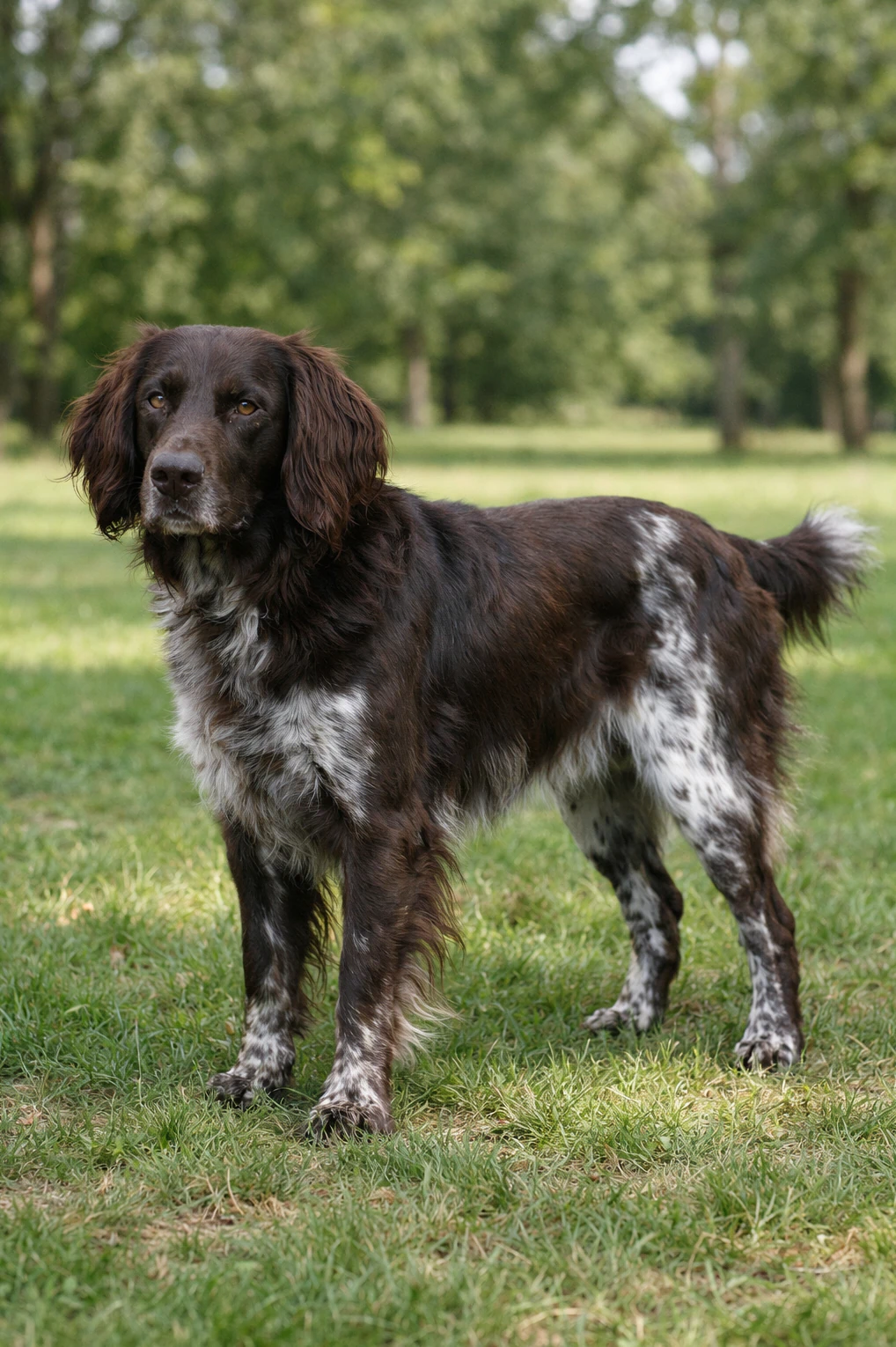
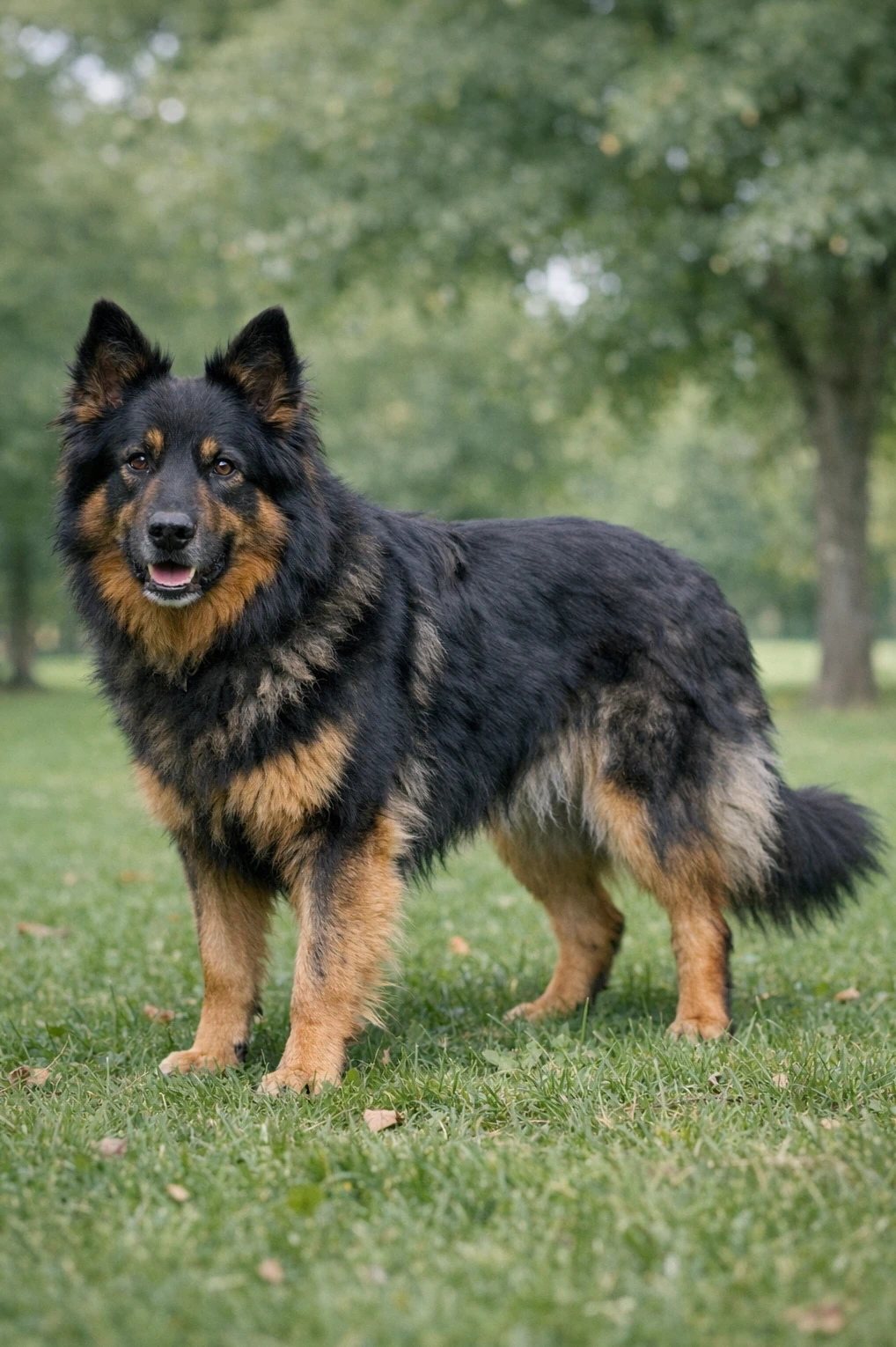
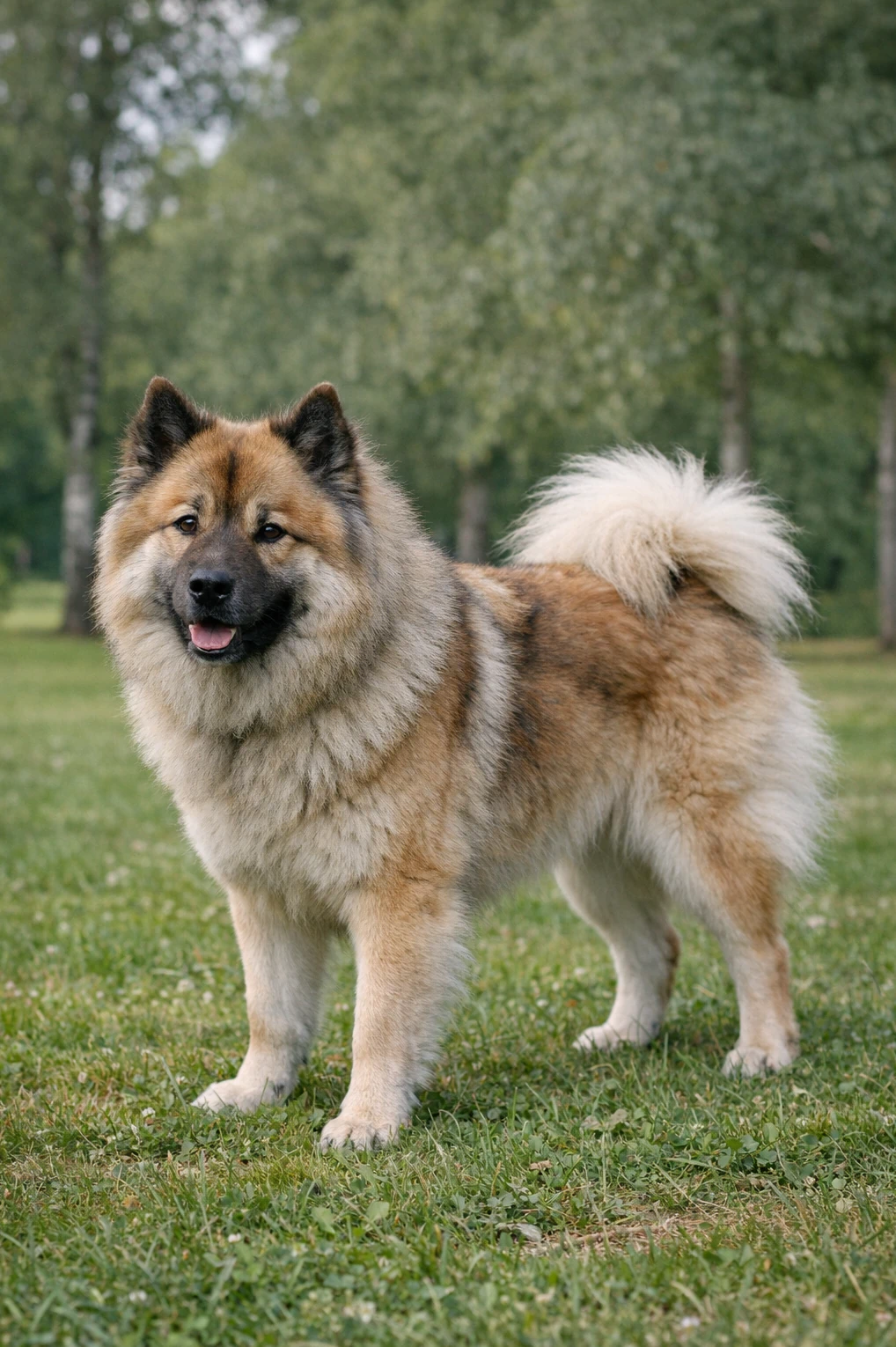
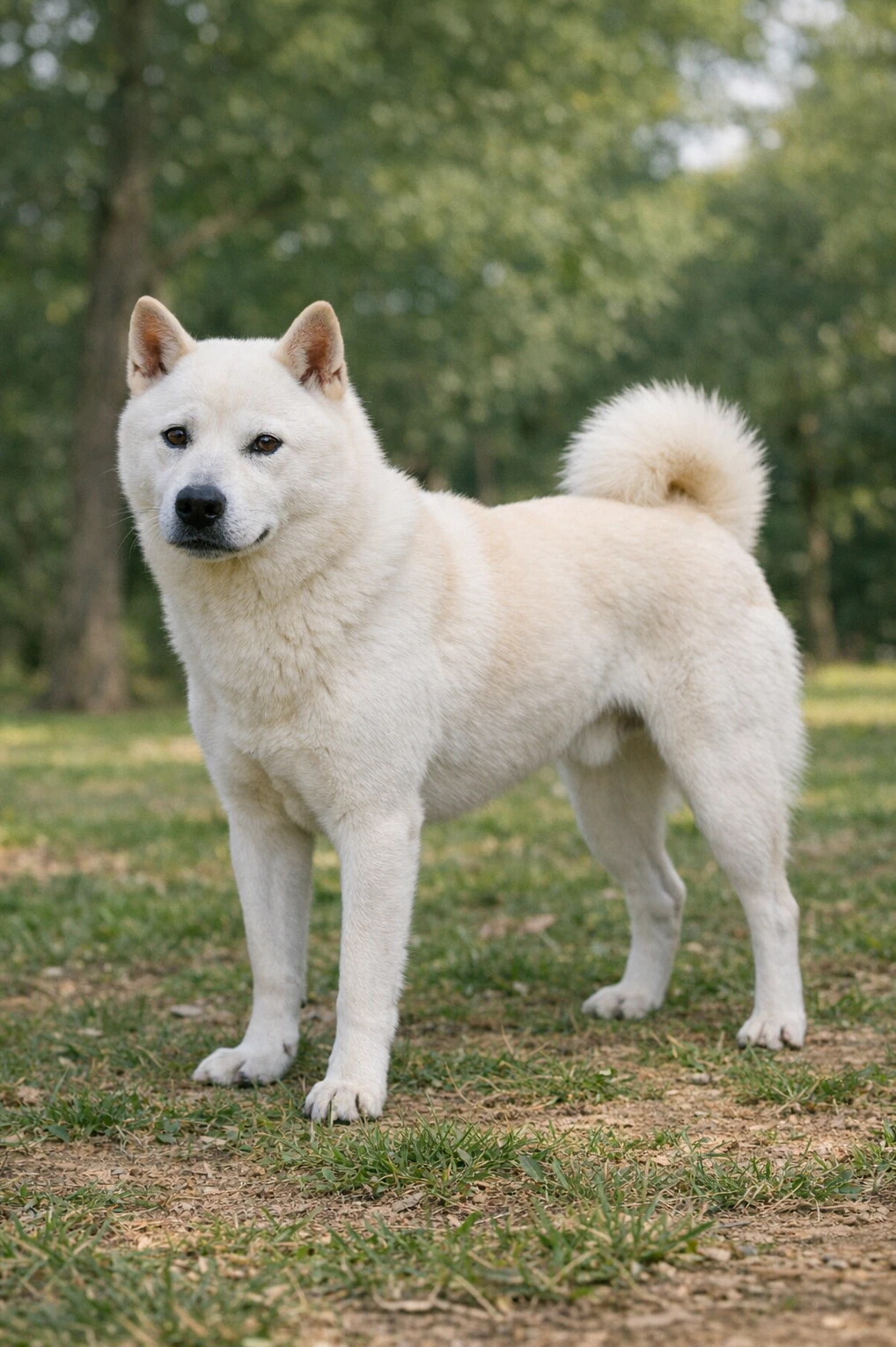
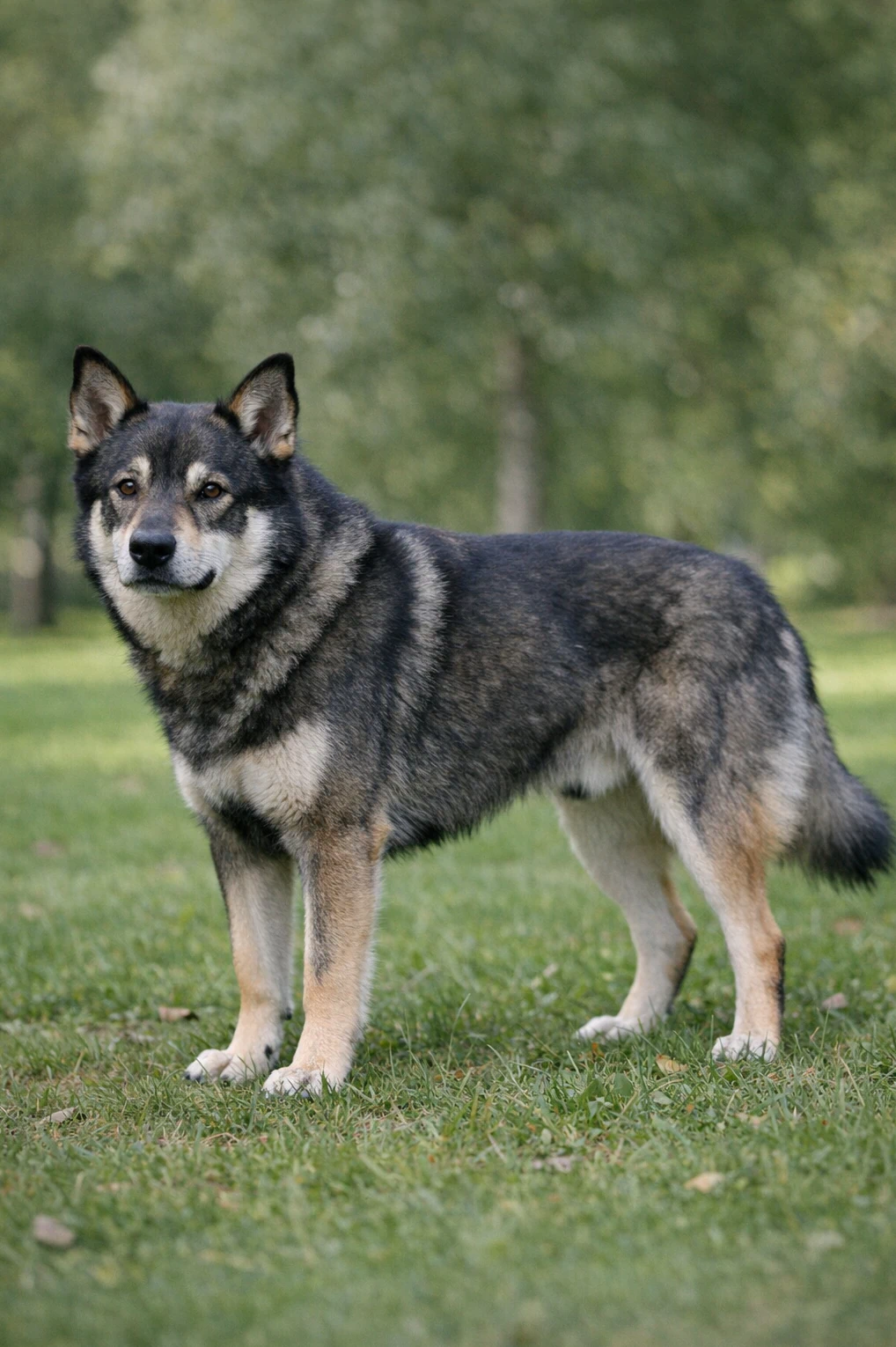
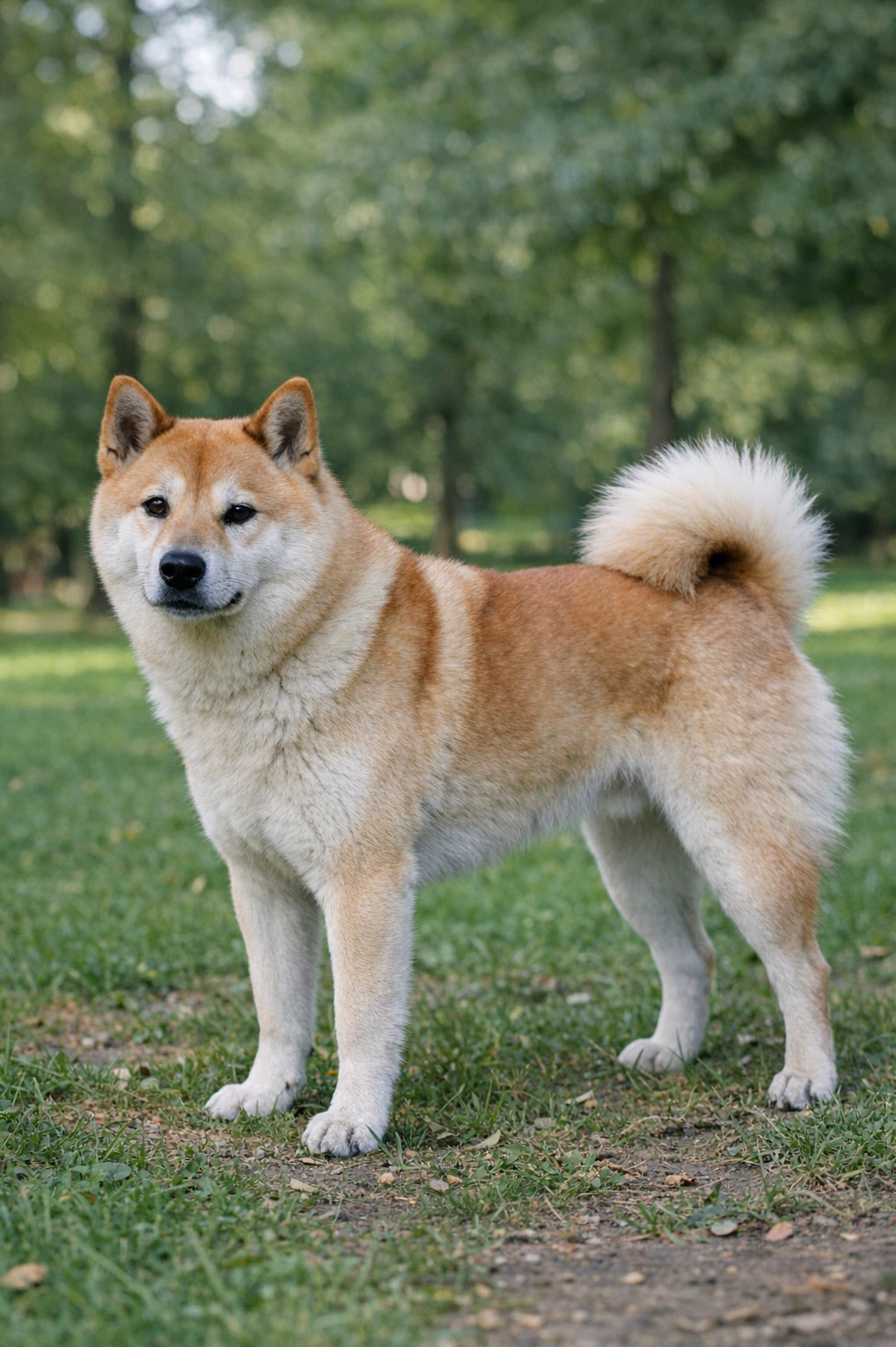
The Hokkaido is a medium, sturdy dog, 18 to 20 inches tall and 44 to 66 pounds, poised, vigilant, and steadfast. Nutritional Verdict: a protein-forward, balanced diet with moderate fats for energy and muscle.
Understanding the Hokkaido Metabolism and Energy Needs
Rooted in a northern hunting and companion tradition, this dog blends endurance, watchfulness, and strong loyalty to family. Those qualities drive daily fuel needs, since steady activity and attentiveness demand muscle strength and mental clarity.
A protein-focused diet from real animal sources supports lean muscle and recovery, so chicken, beef, or oily fish are ideal. Concentrated fats give sustained energy and preserve a thick coat, with omega-3s from salmon or fish oil helping reduce inflammation. Moderate complex carbs like sweet potato provide steady glucose without spikes.
Glucosamine and chondroitin support joints for an active, muscular dog, while antioxidants and B vitamins aid mental function and recovery. Probiotics plus zinc and vitamin E keep skin, digestion, and coat health resilient.
Managing Hokkaido Genetic Health Risks Through Nutrition
Collie Eye Anomaly
Helpful nutrients
Hip Dysplasia
Helpful nutrients
Luxating Patella
Helpful nutrients
Heart Murmurs
Helpful nutrients
Idiopathic Seizures
Helpful nutrients
Anxiety
Helpful nutrients
Psychogenic Polydipsia
Helpful nutrients
Pica
Helpful nutrients
Hokkaido Feeding & Calorie Calculator
Estimated Daily Calories
Tip: Start with this amount and adjust after 2–3 weeks based on your dog's body condition and weight trend.
This estimate provides a starting point for feeding. Individual calorie needs may vary depending on metabolism, body condition, and health status. Always monitor your dog's weight and consult your veterinarian when adjusting diet.
Foods and Ingredients to Avoid for Hokkaido Dogs
Given the Hokkaido's active build and tendency toward weight-related orthopedic issues, high-fat foods and fatty table scraps are best avoided.
Excess fat can lead to pancreatitis, rapid weight gain, and added stress on hips and knees.
Those problems raise the risk or severity of hip dysplasia and luxating patella.
Stick with lean proteins and measured portions, and consult your veterinarian for the fat levels that suit your dog's age and activity.
Hokkaido can be curious chewers and are known to develop pica, so cooked bones, rawhide, and small hard chews pose real hazards.
Cooked bones can splinter and puncture the digestive tract, while rawhide and broken toys can cause choking or intestinal blockages.
Because this breed may ingest nonfood items when anxious or bored, inspect toys frequently and discard damaged items.
Choose durable, appropriately sized chews recommended by your veterinarian to reduce the risk of obstruction.
Chocolate and caffeine contain stimulants that affect the heart and nervous system, and xylitol causes rapid low blood sugar and can trigger liver failure in dogs.
Even small amounts of these substances can produce vomiting, tremors, seizures, or worse.
Since Hokkaido have a predisposition to idiopathic seizures and heart murmurs, avoiding these toxins altogether is the safest approach.
Keep human sweets, chewing gum, and caffeinated products well out of reach.
High-sodium processed foods and table scraps can worsen or unmask cardiac issues in dogs prone to heart murmurs.
Salt and cured meats also encourage excessive thirst and fluid shifts which may stress the cardiovascular system.
These foods are often calorie-dense too, increasing the chance of weight gain that strains hips and knees.
Offer fresh, low-sodium options and ask your veterinarian about safe treats and portion sizes for your Hokkaido.
Some grain-free diets that rely heavily on peas, lentils, or other legumes have been associated with heart problems in certain dogs over time.
Because Hokkaido can be susceptible to cardiac issues, it is wise to be cautious with legume-dense formulas and long-term use of such diets.
Choose a balanced, well-researched commercial diet or a veterinarian-approved home plan, and monitor heart health with regular checkups and imaging when recommended.
Working with your vet helps ensure the diet supports both energy needs and cardiac safety.
Grapes and raisins can cause sudden kidney failure in dogs, and onions and garlic can damage red blood cells and the gastrointestinal tract.
Even small amounts may trigger serious reactions, and a Hokkaido with pica or anxiety could sample these foods while exploring counters or trash.
Keep these items completely out of reach and avoid feeding table scraps that might contain them.
If ingestion occurs, contact your veterinarian or an emergency clinic immediately for advice and prompt care.
How Nutritional Needs Change Throughout the Hokkaido Life Stages
Dogs have different nutritional needs during puppyhood, adulthood, and their senior years, and Hokkaido are no exception. Their ideal diet changes with growth rate, activity level, and breed-specific health tendencies such as hip dysplasia or collie eye anomaly. Adjusting calories, protein, and certain supplements at each stage helps support healthy bones, steady energy, and long-term wellbeing for this dignified, alert, and devoted northern breed.
| Life Stage | Age Range | Primary Objective | Key Nutrient Focus |
|---|---|---|---|
| Puppy | 0–15 months | controlled skeletal development, immune support, brain development | DHA, balanced calcium/phosphorus, high-quality protein |
| Adult | 1.5–6 years | lean muscle maintenance and sustained energy | high-quality protein, omega-3 fatty acids, fiber |
| Senior | 6+ years | joint mobility, metabolic health, and cognitive support | glucosamine, chondroitin, antioxidants, lower calories |
Hokkaido puppies grow into a large, sturdy frame so their growth pattern should be steady rather than too rapid to protect developing joints. Controlled calories and a balanced calcium to phosphorus ratio support skeletal development and reduce the risk of hip dysplasia and luxating patella. High quality animal protein and DHA help build muscle and brain, while moderate fat provides energy for their alert, active nature.
Feed small, regular meals three to four times a day as they grow, moving to twice daily by adulthood. Watch for pica and toy chewing, inspect toys often and remove anything with small pieces that could be swallowed.
Adult Hokkaido need a diet that supports lean muscle and steady energy for their alert, moderately high activity. Aim for quality animal-based protein and moderate fat to fuel daily walks and mental work without excess calories. Include omega-3 fatty acids to support coat health and help manage inflammation linked to hip or joint concerns.
Adjust portions for individual lifestyle, lowering calories for couchier dogs or increasing for working pets, and consider joint-supporting nutrients as a preventive measure. Keep an eye on heart health and any seizure history so your veterinarian can recommend tailored nutrient ratios or special diets if needed.
As Hokkaido age, metabolism and activity often slow, while joint wear can affect mobility and comfort. Senior diets should focus on highly digestible protein to preserve muscle, with slightly reduced calories if activity declines to prevent weight-related stress on hips and knees. Add soluble fiber and probiotics to support digestion and gentle transitions.
Include joint-supporting nutrients such as omega-3 fatty acids, glucosamine, and chondroitin, plus antioxidants like vitamin E and natural polyphenols to help manage inflammation and cellular health. Monitor drinking behavior because Hokkaido can display psychogenic polydipsia, and discuss heart or seizure histories with your vet before adding supplements or changing diets.
Kibble vs Fresh vs Raw for Hokkaido
Hokkaido are dignified, alert, and devoted companions with moderate to high activity and a few breed-specific health tendencies.
Different feeding models suit different routines, budgets, and medical needs, so choose the option that fits your life and your dog.
Pros
- Convenient and easy to portion for busy owners.
- Consistent, complete nutrition supports active Hokkaido lifestyle.
- Many formulas include joint-support nutrients for hip and patella issues.
- Dry kibble can help reduce tartar with regular chewing.
Cons
- Lower moisture content may not suit dogs prone to polydipsia.
- Some formulas contain fillers or additives that can trigger sensitivities.
- Overfeeding calorie-dense kibble can worsen weight and joint stress.
- Hard pieces may tempt pica-prone Hokkaido to chew and ingest unsafe fragments.
Pros
- Highly palatable, good for picky or anxious Hokkaido.
- High moisture supports digestion and may ease mild polydipsia concerns.
- You control ingredients, useful for avoiding specific allergens or triggers.
- Can be tailored with joint-friendly and heart-support nutrients.
Cons
- Requires careful balancing to avoid calcium and nutrient deficiencies.
- More time and refrigeration needed, increasing daily care.
- Cost can be higher than kibble over time.
- Improper cooking can reduce nutrient bioavailability for growing dogs.
Pros
- High protein, often appealing to active Hokkaido.
- Some owners report shinier coats and improved energy.
- Unprocessed ingredients can preserve certain vitamins and enzymes.
- Can be tailored to reduce processed food sensitivities.
Cons
- Bacterial contamination risk needs strict hygiene and safe handling.
- Small bones and fragments can be dangerous for pica-prone dogs.
- Hard to balance calcium and phosphorus without professional guidance.
- Can exacerbate seizure disorders in some sensitive dogs without vet input.
- Storage and prep demand time and freezer space.
| Diet Type | Pros for Hokkaido | Potential Downsides |
|---|---|---|
| High-Quality Kibble |
|
|
| Fresh Cooked Food |
|
|
| Raw Diet (BARF) |
|
|
Our Recommendation
For most Hokkaido, a high-quality kibble with joint-support ingredients makes a reliable baseline, especially for busy households.
Fresh cooked food can be a great alternative for sensitive or picky dogs when properly balanced, while raw diets require strict hygiene and veterinary guidance because of pica and seizure risks.
See Also
Breeds with similar group, size, and coat characteristics