Best Dog Food for German Longhaired Pointer in 2026Based on Nutritional Science
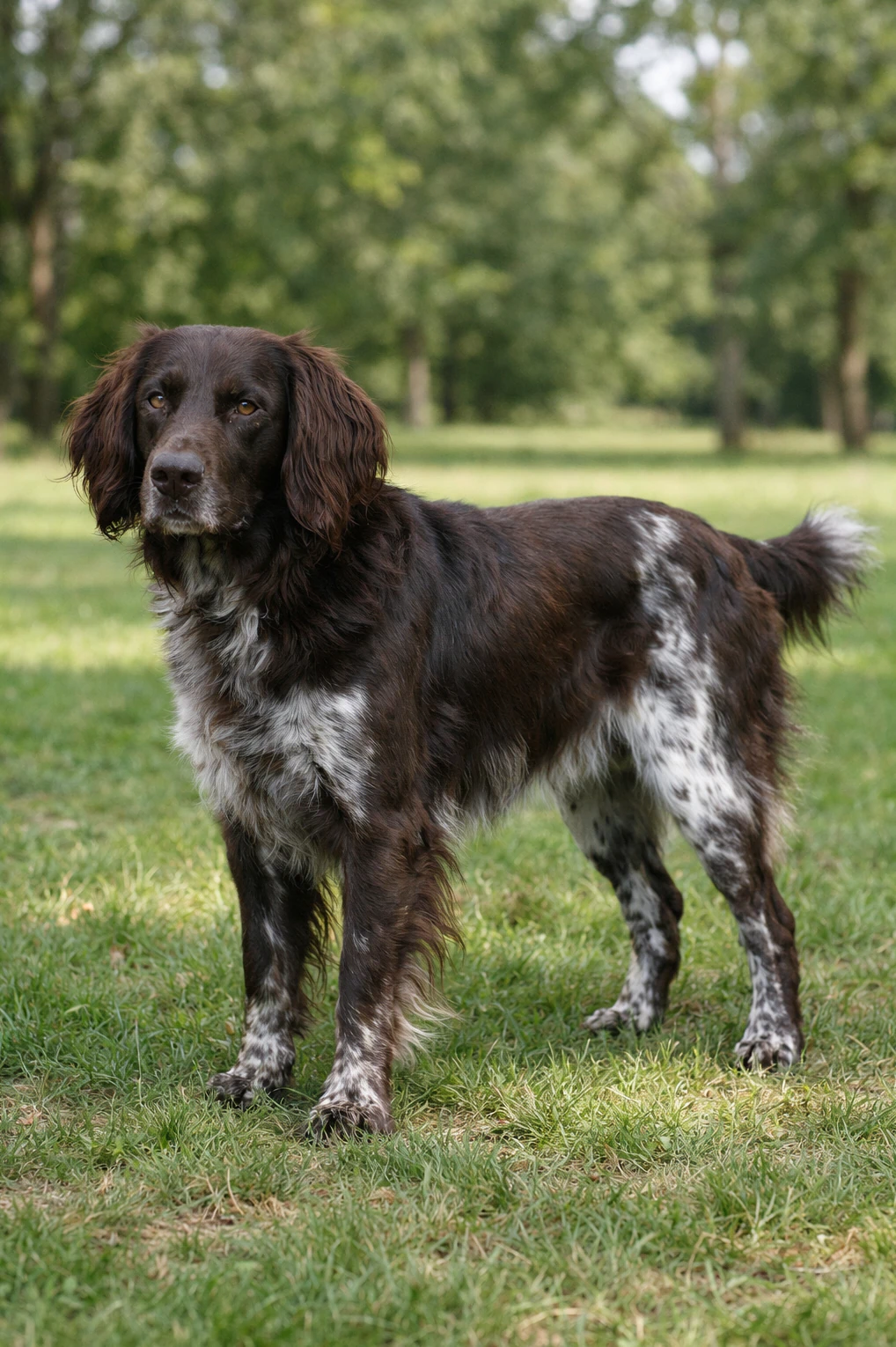
German Longhaired Pointer, 22-28 inches and 55-80 pounds, is adaptable, mellow, and family-friendly. Nutritional Verdict: feed a high-quality, protein-rich diet with balanced fats and carbs to support energy and lean muscle.
Understanding the German Longhaired Pointer Metabolism and Energy Needs
Bred as an all-purpose hunting companion with a steady temperament and a strong bond with people, this dog needs food that supports endurance, gentle energy, and everyday family life. Lean protein should be a foundation to preserve muscle used during long activity, and to help recovery after brisk outings. Practical examples include poultry or fish proteins for amino acids that rebuild muscle and support a healthy metabolism.
Healthy fats are important for sustained fuel and a glossy coat, so include sources rich in omega-3s, like salmon oil, which also support brain health. Moderate, slow-digesting carbohydrates such as sweet potato supply steady energy without spikes, and fiber helps sensitive digestion common in house pets.
Joint-support supplements like glucosamine and chondroitin help maintain mobility for an active lifestyle, while antioxidants and balanced calories protect long-term health and prevent unwanted weight gain during quieter days.
Managing German Longhaired Pointer Genetic Health Risks Through Nutrition
Weight Management (Obesity)
Helpful nutrients
Joint Health
Helpful nutrients
Skin and Coat Condition
Helpful nutrients
Muscle Strength and Endurance
Helpful nutrients
Hydration and Urinary Health
Helpful nutrients
German Longhaired Pointer Feeding & Calorie Calculator
Estimated Daily Calories
Tip: Start with this amount and adjust after 2–3 weeks based on your dog's body condition and weight trend.
This estimate provides a starting point for feeding. Individual calorie needs may vary depending on metabolism, body condition, and health status. Always monitor your dog's weight and consult your veterinarian when adjusting diet.
Foods and Ingredients to Avoid for German Longhaired Pointer Dogs
German Longhaired Pointers are active, medium-large dogs that need balanced energy, not excessive fat.
High-fat foods and fatty table scraps can quickly add extra calories, increasing the risk of weight gain and placing strain on joints and the spine.
Very rich meals can also trigger pancreatitis in some dogs, which is painful and potentially serious.
Choosing lean protein sources and controlled portions helps maintain their working condition and supports long term joint health.
These pointers are deep chested and very active, so large meals immediately before or after vigorous exercise can raise the risk of gastric upset and, in some dogs, bloat.
Bloat, or gastric dilatation, is an emergency that can affect medium-large, deep chested breeds.
Feed smaller, measured meals and allow time to rest after eating to reduce risk.
Work with your veterinarian to set meal timing that matches your dog's activity schedule and digestive sensitivity.
Diets that rely heavily on peas, lentils, chickpeas, or other legumes and certain potato formulas have been associated with concerns about heart health in some dogs when they dominate the recipe.
While research is ongoing, large and active breeds benefit from caution around single ingredient groups that displace balanced nutrition.
Avoid foods that list these ingredients as primary carbohydrate sources without veterinary guidance.
Your vet can recommend balanced options and, if needed, check cardiac health or taurine levels for reassurance.
Artificial preservatives, colors, and some flavor additives can trigger skin irritation, digestive upset, or sensitivities in dogs that are predisposed to allergies.
Keeping ingredient lists simple and avoiding harsh additives supports a healthy coat and calmer digestion.
If your German Longhaired Pointer shows itchy skin or tummy issues, consider foods preserved naturally or formulated for sensitive skin.
Collaborating with your breeder or vet helps identify triggers and find a soothing diet.
Growing GLP puppies need steady, controlled growth to protect developing joints and bones.
Excess calcium and too many calories can accelerate growth and raise the risk of orthopedic problems such as hip and elbow issues in medium to large breeds.
Use a large breed puppy formula and follow feeding guidance from your breeder or veterinarian to balance growth.
Regular weight checks and measured meals help ensure a strong, well proportioned adult dog ready for work or play.
Certain human foods are outright dangerous, especially for a curious, food motivated breed like the German Longhaired Pointer.
Chocolate, xylitol sweeteners, grapes and raisins, onions, garlic, macadamia nuts, alcohol and caffeine can cause vomiting, weakness, organ damage, or worse.
Keep these items well out of reach and remind family and guests not to share table scraps.
If your dog eats something concerning, call your veterinarian or an emergency clinic right away for prompt advice.
How Nutritional Needs Change Throughout the German Longhaired Pointer Life Stages
Dogs require different nutrition at puppyhood, adulthood, and senior years because their bodies change as they grow, work, and age. Breed growth rate, activity level, and common health tendencies shape exact needs, so a large, versatile dog like the German Longhaired Pointer will have different calorie and nutrient needs than a small breed. Tailoring diet by life stage helps keep them strong and healthy.
| Life Stage | Age Range | Primary Objective | Key Nutrient Focus |
|---|---|---|---|
| Puppy | 0–15 months | controlled skeletal development, immune support, brain development | DHA, balanced calcium/phosphorus, high-quality protein |
| Adult | 1.5–6 years | lean muscle maintenance and sustained energy | high-quality protein, omega-3 fatty acids, fiber |
| Senior | 6+ years | joint mobility, metabolic health, and cognitive support | glucosamine, chondroitin, antioxidants, lower calories |
German Longhaired Pointer puppies are large and grow quickly during the first year, but their skeletal system benefits from steady, controlled growth to avoid joint stress. Large-breed puppies need diets formulated for slower, even growth with balanced calcium and phosphorus, adequate vitamin D, and support for cartilage development.
Feed smaller, more frequent meals, typically three to four times a day until about six months, then transition to twice daily as they approach adulthood. Prioritize high quality protein for lean muscle, DHA for brain and vision, omega fatty acids for coat, and moderate calories to match their activity bursts while avoiding excess weight.
Because GLP puppies can have energetic play followed by calm periods, tailor portion sizes to their daily exercise and avoid excessive free feeding. Work with your breeder or vet to monitor growth rate and adjust the diet if you see rapid weight gain or uneven body condition.
Adult German Longhaired Pointers are typically lean and muscular, so diets that support muscle maintenance and steady energy work best. Aim for high quality protein and moderate fat to provide endurance without excess calories, while ensuring a complete vitamin and mineral profile for overall health.
For working or highly active GLPs you may need increased calories and slightly higher fat, while calm, family pets do better on maintenance formulas to prevent weight gain. Monitor body condition and adjust portions based on activity level, seasonal work, or changes in daily routine.
Include omega 3 and omega 6 fatty acids to support the double coat and skin, and maintain consistent meal times to help digestion and weight control. Measured treats and regular weigh ins keep muscle tone and energy levels steady throughout adulthood.
As German Longhaired Pointers enter their senior years their metabolism often slows, and activity levels drop leading to lower calorie needs and a higher risk of weight gain. Aging can also affect mobility and digestion, so smaller, more frequent meals and easily digestible formulas are often helpful.
Prioritize joint support with ingredients like glucosamine, chondroitin, and omega 3 fatty acids to help maintain cartilage and reduce inflammation. Antioxidants such as vitamin E and natural carotenoids support cellular health, while high quality, easily digested protein helps preserve muscle mass without unnecessary calories.
If your senior GLP becomes less active, reduce overall calories slightly and increase dietary fiber for gut health, while keeping an eye on body condition and hydration. Regular veterinary checkups will help tailor supplements, portion sizes, and any special feeding strategies for mobility, dental, or other age related needs.
Kibble vs Fresh vs Raw for German Longhaired Pointer
Different feeding models suit different lifestyles and activity levels.
For German Longhaired Pointers, the best choice depends on exercise needs, grooming, and how much time you have for meal prep.
Pros
- Convenient and easy to portion for busy owners.
- Consistent, balanced nutrition tailored for medium-large active dogs.
- Shelf-stable and practical for hunting trips or travel.
- Often formulated to support dental health through chewing.
Cons
- Lower moisture may not suit dogs that drink less.
- Some formulas contain fillers or lower-quality ingredients.
- Portion control is essential to prevent weight gain in calmer dogs.
- May lack optimal protein or fats for very active working days.
Pros
- Highly palatable, great for picky or sensitive eaters.
- High moisture content supports digestion and hydration.
- Allows precise control of proteins and fats for working days.
- Can improve coat condition when balanced with healthy fats.
Cons
- More expensive and time-consuming than kibble.
- Requires careful recipe planning to ensure complete nutrition.
- Needs refrigeration and proper storage for safety.
- Mistakes in balance can lead to nutrient gaps over time.
Pros
- High protein and natural nutrients may suit active work days.
- Many owners report improved coat and energy levels.
- Customizable to match your German Longhaired Pointer's activity needs.
- Minimally processed ingredients preserve some natural enzymes.
Cons
- Requires strict hygiene to avoid bacterial contamination.
- Raw bones can present choking or dental hazards if mishandled.
- Balancing vitamins and minerals needs veterinary guidance.
- Not ideal for households with immunocompromised people.
| Diet Type | Pros for German Longhaired Pointer | Potential Downsides |
|---|---|---|
| High-Quality Kibble |
|
|
| Fresh Cooked Food |
|
|
| Raw Diet (BARF) |
|
|
Our Recommendation
For many German Longhaired Pointer families, high-quality kibble balances convenience with robust nutrition.
Fresh cooked or carefully managed raw diets can be excellent for very active dogs or coat concerns, but they demand more time and veterinary oversight.
See Also
Breeds with similar group, size, and coat characteristics