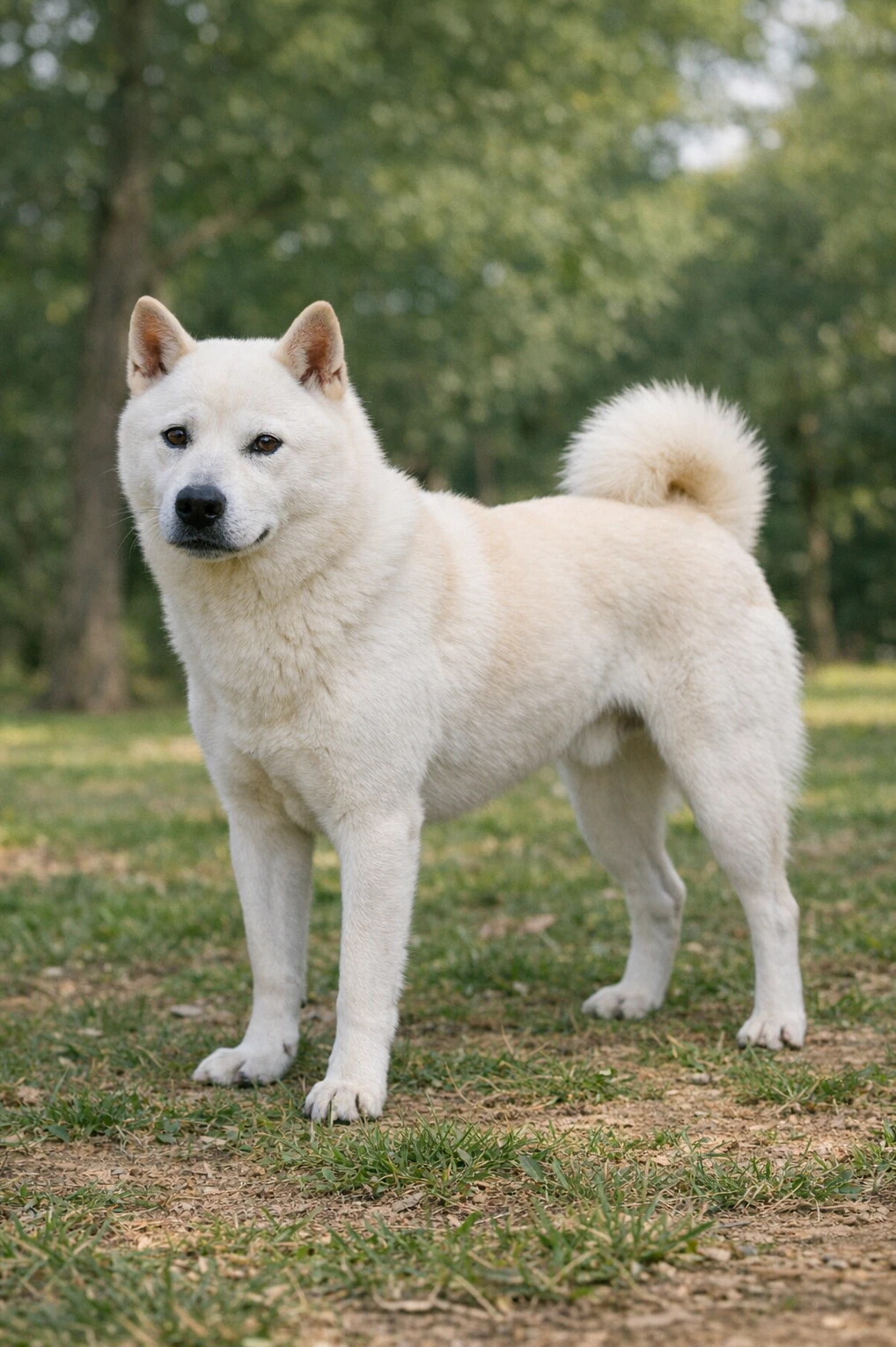
Best Dog Food for Eurasier in 2026Based on Nutritional Science
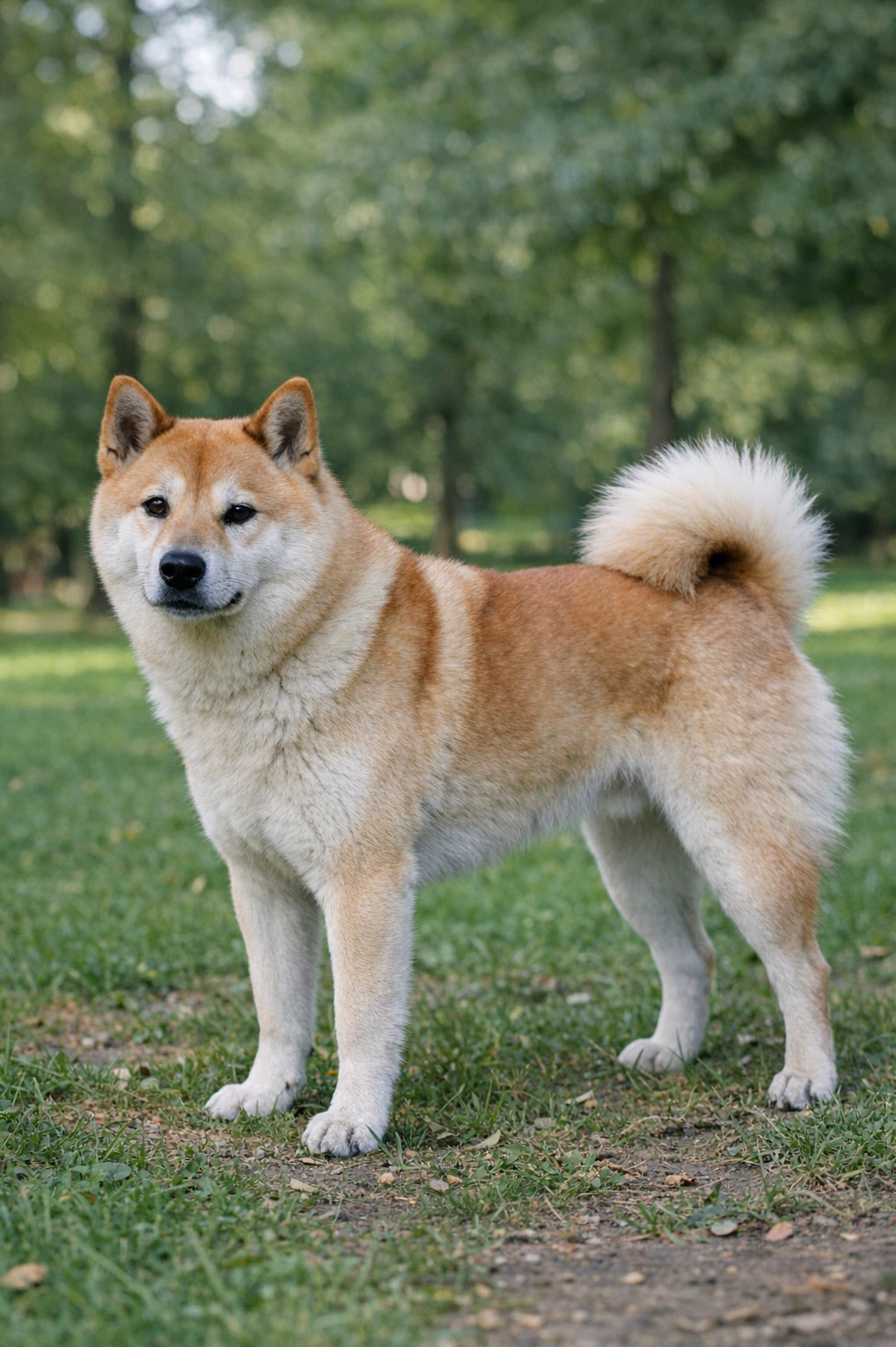
Eurasier: medium to large, about 19-24 inches tall and 40-70 pounds, self-assured, mellow, and very people-loving. Nutritional Verdict: needs balanced, protein-forward meals and controlled portions with moderate activity and regular grooming.
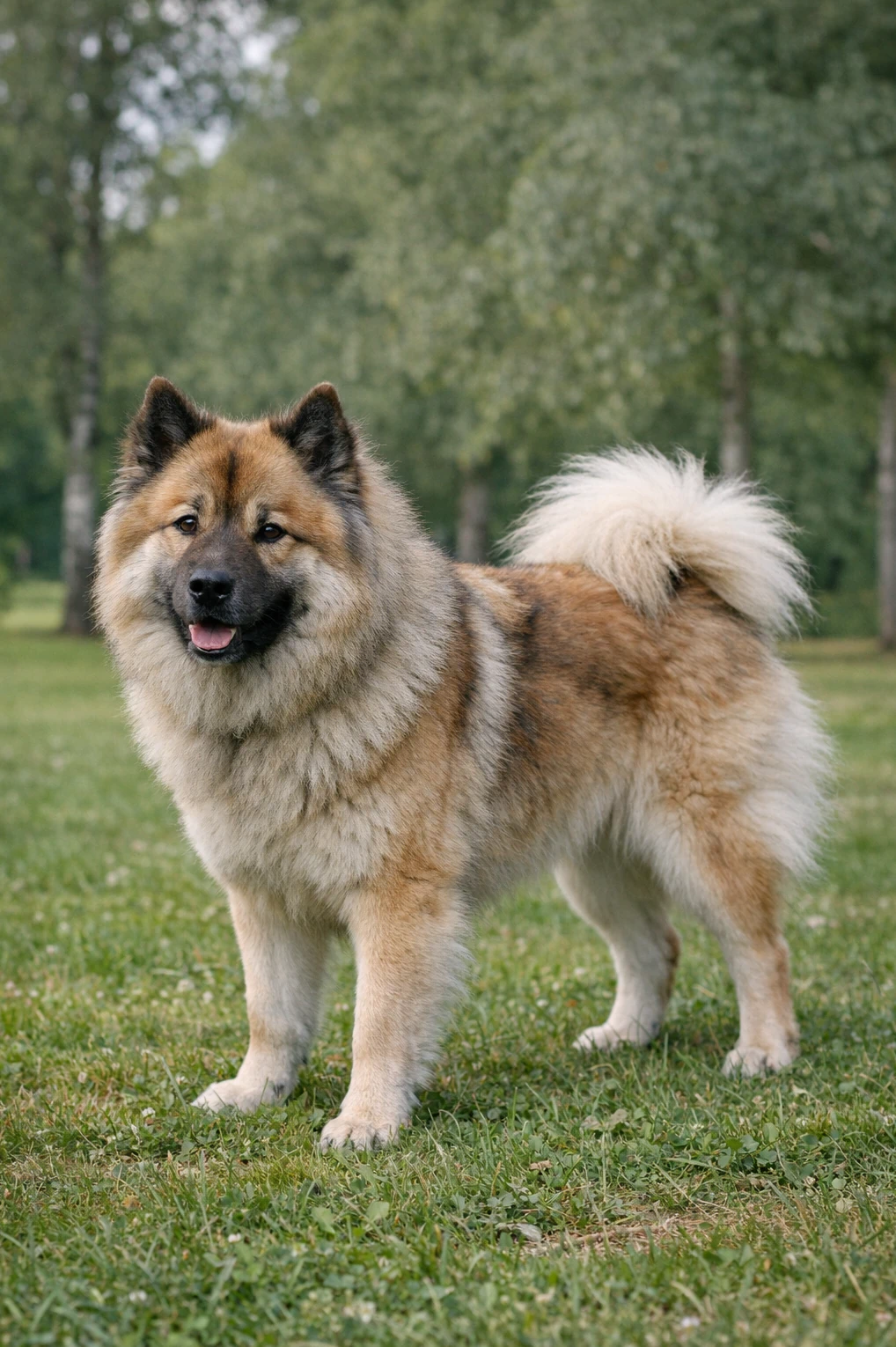
Understanding the Eurasier Metabolism and Energy Needs
As a foundation-line companion bred for steady company and adaptable living, this dog does best on a balanced, moderate-energy diet that supports regular activity and family life. Because they stay composed and relaxed at home, portions should preserve lean muscle without promoting extra weight.
High-quality animal protein supplies the amino acids needed for muscle upkeep, immune resilience, and brain chemistry that helps maintain an even temperament. Omega-3 rich fats from fish nourish skin and a dense coat while supporting joints and cognitive function. Complex carbohydrates and fiber provide slow-release energy and aid digestion, preventing spikes that can lead to restlessness or extra pounds.
Choose moderate portions, nutrient-dense proteins, and controlled healthy fats rather than calorie-heavy formulas, and consider glucosamine for joint support with age. Antioxidants like vitamin E support long-term vitality. A tailored feeding plan reflects their history as versatile household companions and keeps them comfortable, engaged, and healthy.
Managing Eurasier Genetic Health Risks Through Nutrition
Hip Dysplasia
Helpful nutrients
Patellar Luxation
Helpful nutrients
Distichiasis (eyelid irritation)
Helpful nutrients
Thyroid Conditions
Helpful nutrients
Exocrine Pancreatic Insufficiency (EPI)
Helpful nutrients
Gastric Torsion (Bloat)
Helpful nutrients
Eurasier Feeding & Calorie Calculator
Estimated Daily Calories
Tip: Start with this amount and adjust after 2–3 weeks based on your dog's body condition and weight trend.
This estimate provides a starting point for feeding. Individual calorie needs may vary depending on metabolism, body condition, and health status. Always monitor your dog's weight and consult your veterinarian when adjusting diet.
Foods and Ingredients to Avoid for Eurasier Dogs
Eurasiers can be prone to weight gain if overfed, and high-fat foods raise the risk of pancreatitis and added stress on hips and joints.
Dogs with or at risk for exocrine pancreatic insufficiency digest fats poorly, so rich meals can trigger digestive upset or serious inflammation.
Choose lean protein and controlled portions instead of fatty table scraps or calorie-dense treats, this helps maintain a healthy weight and protects joint and pancreatic health.
Gastric torsion, sometimes called bloat, is a concern for medium to large, deep-chested breeds and can be life threatening.
Feeding very large meals, allowing rapid gulping, or permitting vigorous exercise right after eating increases the chance of stomach twist or severe discomfort.
Offer two or three smaller meals per day, avoid fast-feeding bowls and heavy exercise immediately after mealtime, this lowers the risk of bloat and keeps your Eurasier comfortable.
While many dogs enjoy bones, raw weight-bearing or brittle bones can splinter and cause choking, mouth or intestinal injury, or blockages that need surgery.
Raw diets also carry bacterial risks that can be worse for dogs with sensitive digestion or immune stresses.
If you offer chews, pick vet-recommended options that won’t splinter and monitor closely, this reduces the risk of dental damage and internal harm.
Eurasiers can have thyroid issues in their health profile, so ingredients that interfere with thyroid function should be limited.
Soy and large amounts of goitrogenic vegetables like raw cabbage or kale can affect thyroid hormone availability in susceptible dogs.
Use soy sparingly and work with your veterinarian when choosing a diet if your dog has or is at risk for thyroid problems, this helps maintain stable hormone health.
Diets heavy in peas, lentils and other legumes have been linked to heart concerns in some dogs, and they can be high in fiber that reduces nutrient absorption.
For Eurasiers, who may have picky appetites and, in some cases, digestive conditions like EPI, highly legume-based formulas can be less appropriate and harder to tolerate.
Opt for balanced recipes with varied protein sources and discuss any grain-free or pulse-forward diets with your vet, especially if your dog has a heart or digestion history.
Eurasiers can be sensitive eaters and some are prone to skin or digestive sensitivities, so artificial additives may trigger itchiness, upset stomach or picky refusal.
Ingredients like artificial colors, flavors or certain preservatives can mask low-quality ingredients while increasing the chance of a reaction.
Choose diets with natural preservation and simple ingredient lists, this supports coat and skin health and makes it easier to spot any dietary triggers.
How Nutritional Needs Change Throughout the Eurasier Life Stages
Like people, dogs have changing nutritional needs as they move from puppyhood to adulthood to their senior years, and Eurasiers are no exception. Each life stage calls for different calories, nutrient balances, and feeding routines, influenced by a dog’s growth rate, activity level, and common breed health tendencies. For Eurasiers these factors include steady large-breed growth, a moderate activity level, and attention to joint and digestive health.
| Life Stage | Age Range | Primary Objective | Key Nutrient Focus |
|---|---|---|---|
| Puppy | 0–15 months | controlled skeletal development, immune support, brain development | DHA, balanced calcium/phosphorus, high-quality protein |
| Adult | 1.5–6 years | lean muscle maintenance and sustained energy | high-quality protein, omega-3 fatty acids, fiber |
| Senior | 6+ years | joint mobility, metabolic health, and cognitive support | glucosamine, chondroitin, antioxidants, lower calories |
Eurasier puppies are large-breed youngsters with a longer, steadier growth window than small breeds, so controlled calorie intake and slow, even growth help protect developing hips and knees. A diet formulated for large-breed puppies with balanced calcium and phosphorus supports healthy bone development and lowers the risk of hip dysplasia and patellar luxation.
Feed young Eurasiers three smaller meals a day to keep energy steady and to reduce the chance of gastric torsion, and avoid vigorous exercise right after eating. Provide high quality protein for muscle, moderate fat for energy and essential fatty acids for skin and coat, and consult your veterinarian about sensitive formulas or enzyme support if there is a family history of EPI.
Adult Eurasiers are typically calm and family-oriented, yet they benefit from regular daily walks and play to stay mentally and physically fit. Their diet should emphasize moderate to high quality protein to maintain lean muscle, combined with balanced healthy fats for steady energy and a lustrous double coat. Complex carbohydrates and fiber help digestion and provide lasting fuel without unnecessary calories.
Most adult Eurasiers do well on two meals a day, which also helps lower the risk of gastric torsion, and portion sizes should match their true activity level. If there are thyroid concerns, past joint issues, or weight changes consult your veterinarian about tailored calorie targets or therapeutic diets.
As Eurasiers age their metabolism often slows and activity levels decline, so calorie needs may drop while protein needs remain important to preserve muscle mass. Joint health becomes a priority, so diets that include omega-3 fatty acids and joint-support nutrients like glucosamine and chondroitin can ease mobility and comfort. Antioxidants and controlled phosphorus help support general cellular health as the body ages.
Seniors can also develop digestive or dental issues, so more digestible proteins, added fiber or probiotics, and softer kibble may be helpful, and portion sizes should be adjusted to maintain a healthy weight. Work closely with your veterinarian to tailor calories and supplements, especially if there is a history of EPI, thyroid disease, or gastric torsion.
Kibble vs Fresh vs Raw for Eurasier
Different feeding models fit different lifestyles and health needs. For Eurasiers, consider their calm, family-oriented nature and potential health concerns when choosing a diet.
Pros
- Convenient and easy to portion for busy family households.
- Formulated kibble can support joint health for medium-large breeds.
- Dry texture helps reduce tartar with regular chewing.
- Long shelf life and predictable calorie content for weight control.
Cons
- Lower moisture content may not suit dogs prone to dehydration.
- Some formulas include fillers or artificial additives.
- Portion mistakes can lead to weight gain in calm dogs.
- Large meals and rapid eating can increase gastric torsion risk in deep-chested dogs.
Pros
- Highly palatable and usually loved by picky Eurasiers.
- High moisture supports digestion and softer stools.
- Full control over ingredients helps manage allergies or thyroid issues.
- Easier to add supplements for joint or skin support.
Cons
- More time consuming and often more expensive than kibble.
- Requires careful recipes to ensure full nutritional balance.
- Needs refrigeration and safe storage to prevent spoilage.
- Inconsistent meals without guidance can affect weight or digestion.
Pros
- High protein and minimal processing appeal to some dogs.
- Owners report improved coat quality and energy in some cases.
- Allows close control of protein sources for sensitivities.
- Matches ancestral eating, which can suit robust, sturdy dogs.
Cons
- Strict hygiene is essential to prevent bacterial contamination.
- Balancing vitamins and minerals is difficult without expert guidance.
- Raw bones can pose choking or dental fracture risks.
- May not be safe for dogs with EPI or certain thyroid issues.
| Diet Type | Pros for Eurasier | Potential Downsides |
|---|---|---|
| High-Quality Kibble |
|
|
| Fresh Cooked Food |
|
|
| Raw Diet (BARF) |
|
|
Our Recommendation
Many Eurasier owners find high-quality kibble meets daily needs, offering balanced nutrition and convenience.
Fresh cooked food helps picky dogs or those with digestive sensitivities, while raw diets demand veterinary oversight and strict hygiene.
See Also
Breeds with similar group, size, and coat characteristics