Best Dog Food for Deutscher Wachtelhund in 2026Based on Nutritional Science
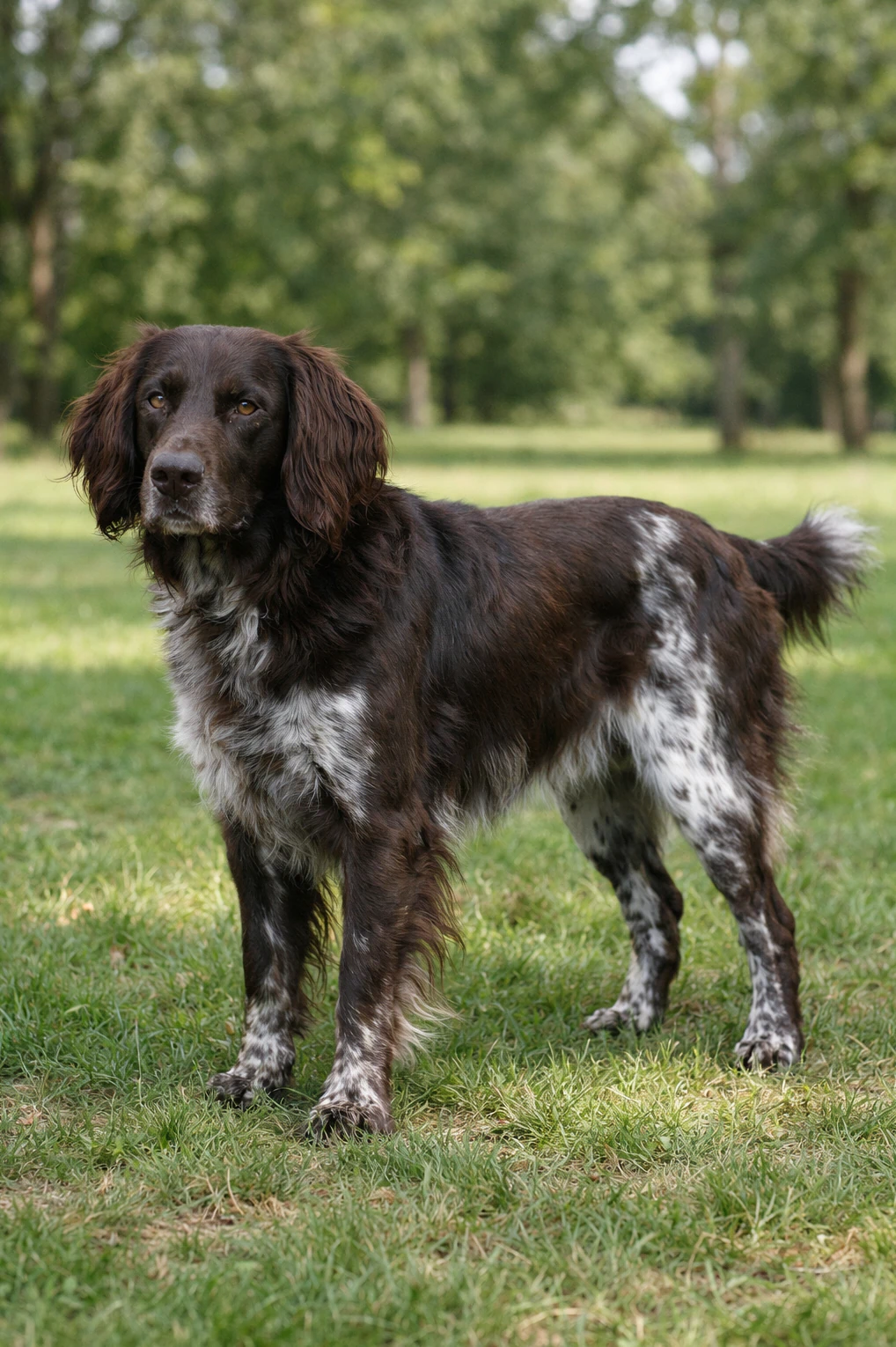
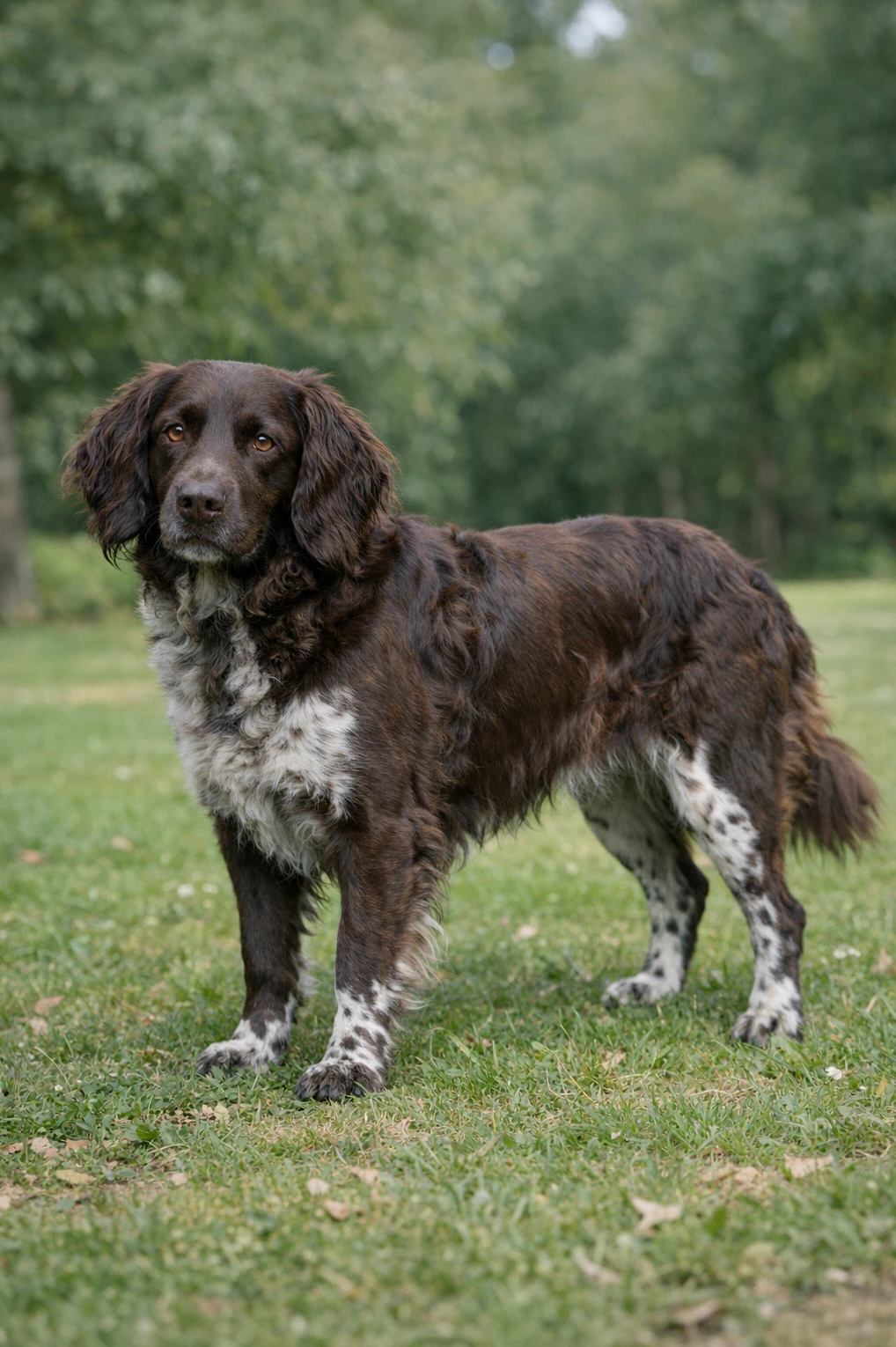
Amiable, adaptable and tenacious hunting companion, 18 to 21 inches tall and 40 to 55 pounds. Nutritional Verdict: needs balanced, protein-rich meals with moderate fat to support stamina and lean muscle for an active lifestyle.
Understanding the Deutscher Wachtelhund Metabolism and Energy Needs
With roots in European wetlands as a flushing and retrieving companion, this dog blends outgoing temperament with adaptable working instincts. Decades of fieldwork demanded stamina, quick bursts, and steady focus, so a modern feeding plan should support both endurance and short intense effort.
A protein-first approach helps maintain lean muscle after long outings, aim for about 25 to 30 percent of calories from high-quality animal proteins to repair tissue and sustain strength. Moderate healthy fats, around 15 to 20 percent, offer slow-burning energy for long swims or hikes and support brain function. Thoughtful carbohydrates from vegetables and whole grains refill glycogen and keep focus sharp without spikes.
Omega-3 fatty acids soothe skin and joints after heavy activity, glucosamine supports mobility, and antioxidants aid recovery and immune resilience. Match portions to weekly activity so a quiet week needs less fuel than a full day in the field.
Managing Deutscher Wachtelhund Genetic Health Risks Through Nutrition
Hip Dysplasia
Helpful nutrients
Ear Infections
Helpful nutrients
Allergies and Skin Sensitivities
Helpful nutrients
Obesity and Weight Management
Helpful nutrients
Eye Health (degenerative conditions)
Helpful nutrients
Deutscher Wachtelhund Feeding & Calorie Calculator
Estimated Daily Calories
Tip: Start with this amount and adjust after 2–3 weeks based on your dog's body condition and weight trend.
This estimate provides a starting point for feeding. Individual calorie needs may vary depending on metabolism, body condition, and health status. Always monitor your dog's weight and consult your veterinarian when adjusting diet.
Foods and Ingredients to Avoid for Deutscher Wachtelhund Dogs
As a medium, active hunting breed with a muscular build, Deutscher Wachtelhunds do best on balanced energy from lean proteins and controlled fats.
Diets very high in fat can lead to rapid weight gain if activity levels drop, adding unnecessary stress to joints and overall mobility.
High-fat meals or rich table scraps can also increase the risk of pancreatitis, which is sudden and serious.
Keep treats low in fat and consult your veterinarian before switching to a richer food.
Wachtelhunds are often food-motivated, so extra bites from the table or large, calorie-dense treats can quickly push them toward overweight.
Extra pounds reduce endurance and increase pressure on hips and shoulders, which matters for a medium-sized working dog.
Reserve human food for special occasions and use measured, low-calorie training rewards during sessions. Your vet can help calculate treat allowances that fit their daily calorie needs.
Cooked bones and certain very hard chews can splinter and cause mouth, throat, or intestinal injuries in dogs of this size.
Even if a bone seems sturdy, the risk of sharp fragments and internal damage is not worth the momentary enjoyment.
Choose vet-recommended chew toys and digestible alternatives designed for medium breeds, and always supervise chew time. Replace worn chews to prevent accidental swallowing of small pieces.
Raw or homemade diets can be tempting, but they are easy to make unbalanced for an active, medium-sized breed that needs specific nutrients and steady calories.
Missing or excessive vitamins, minerals, or calcium can affect long-term bone health and energy levels.
If you prefer homemade meals, work with a veterinary nutritionist to formulate complete, balanced recipes and include periodic testing to ensure your dog is meeting nutritional needs.
Many grain-free recipes substitute large amounts of peas, lentils, or other legumes, and diets dominated by these ingredients have raised concerns about heart health in some dogs.
For an energetic breed, a balanced mix of carbohydrate sources helps maintain steady energy without relying too heavily on one ingredient class.
Avoid foods where legumes are the primary ingredient, and choose formulas with varied sources of carbs and fiber.
Discuss any major diet change with your veterinarian, especially if swapping between formulas often.
Artificial preservatives, colors, and vague fillers can sometimes trigger digestive upset or skin reactions in sensitive dogs.
A cleaner ingredient list with named meats and natural preservation methods reduces the chance of food-related sensitivities and supports a healthier coat and digestion.
Look for diets that list high-quality proteins early in the ingredient list and avoid vague terms like meat by-products.
If your Wachtelhund shows itching, excess shedding, or tummy trouble, try an elimination trial under veterinary guidance.
How Nutritional Needs Change Throughout the Deutscher Wachtelhund Life Stages
Like people, Deutscher Wachtelhunds have changing nutritional needs as they move from puppyhood to adulthood and into their senior years. Growth rate, activity level, and breed tendencies all shape what they need at each stage.
Large, versatile and often active, this breed benefits from diets that support steady growth, muscle development, and later on joint and metabolic health.
| Life Stage | Age Range | Primary Objective | Key Nutrient Focus |
|---|---|---|---|
| Puppy | 0–15 months | controlled skeletal development, immune support, brain development | DHA, balanced calcium/phosphorus, high-quality protein |
| Adult | 1.5–6 years | lean muscle maintenance and sustained energy | high-quality protein, omega-3 fatty acids, fiber |
| Senior | 6+ years | joint mobility, metabolic health, and cognitive support | glucosamine, chondroitin, antioxidants, lower calories |
Deutscher Wachtelhund puppies grow at a steady but robust pace, developing bone and muscle quickly as they prepare for an active adult life. Because they fall into the large category, controlled caloric intake and a proper calcium to phosphorus balance are important to support healthy skeletal development and reduce risk of rapid growth problems.
Offer puppy formulas designed for large breeds, with high quality protein, DHA for brain and vision, and measured minerals. Feed small, frequent meals three to four times daily while very young, then gradually reduce frequency as they mature.
Monitor body condition closely, tailor portions to activity level, and remember that this versatile, determined breed needs nutrition that fuels play, training, and steady growth without excess weight.
Adult Deutscher Wachtelhunds are active, hardworking companions that need a diet focused on maintaining lean muscle and steady energy. Aim for high quality animal protein to support muscle repair, with moderate to healthy amounts of fat for concentrated energy during long walks or field work. Carbohydrates should be digestible and portioned to avoid unnecessary weight gain.
Adjust calorie intake and feeding schedule based on whether the dog is a field-working hunter or a more relaxed family pet, and keep an eye on body condition rather than fixed portion sizes. Regular exercise, combined with appropriate protein and balanced fats, helps this breed stay fit, alert, and ready for versatile tasks.
Senior Deutscher Wachtelhunds often experience slower metabolism, reduced activity, and changes in digestion that call for thoughtful diet adjustments. Calorie needs usually decrease, so reduce total calories while keeping protein high to preserve lean muscle and strength. Include joint-support nutrients such as glucosamine, chondroitin, and omega-3 fatty acids to help mobility in this medium to large, determined breed.
Add antioxidants like vitamin E and beta-carotene to support healthy aging and immune function, and increase soluble fiber if digestion slows. Monitor weight and mobility closely, and work with your veterinarian to fine tune fat levels, portion sizes, and any supplements for comfortable golden years.
Kibble vs Fresh vs Raw for Deutscher Wachtelhund
Different feeding models suit different lifestyles and energy needs.
For your Deutscher Wachtelhund, a friendly and versatile hunting companion, choose a diet that supports lean muscle, stamina, and a healthy double coat.
Pros
- Convenient and easy to portion for busy handlers.
- Consistent nutrition with high-protein options for sustained energy.
- Crunchy texture helps reduce tartar on medium jaws.
- Shelf stable for field days and travel.
Cons
- Some formulas contain fillers that may add unwanted calories.
- Lower moisture content may not support hydration after heavy exercise.
- May be less palatable to dogs used to fresh food.
- Quality varies, so ingredient reading is important.
Pros
- Highly palatable, good for picky or performance dogs.
- High moisture supports hydration after active days.
- Allows control over protein sources and joint-support ingredients.
- Easier to avoid common fillers and by-products.
Cons
- Requires careful balancing to avoid vitamin and mineral gaps.
- More time consuming and typically costlier than kibble.
- Needs refrigeration and planning for field work or trips.
Pros
- High bioavailable protein supports muscle recovery and stamina.
- Some owners report shinier coats in double-coated breeds.
- Less processing preserves natural nutrients and variety.
Cons
- Risk of bacterial contamination without strict hygiene practices.
- Whole bones require caution even for medium breeds, supervise feeding.
- Harder to ensure balanced vitamins and minerals long term.
- May be challenging when traveling to hunting grounds.
| Diet Type | Pros for Deutscher Wachtelhund | Potential Downsides |
|---|---|---|
| High-Quality Kibble |
|
|
| Fresh Cooked Food |
|
|
| Raw Diet (BARF) |
|
|
Our Recommendation
Many Deutscher Wachtelhunds do well on a high-quality, higher-protein kibble as a practical everyday base.
Fresh cooked meals suit active or performance dogs, while a raw approach can work if owners are experienced and careful about hygiene and balance.
See Also
Breeds with similar group, size, and coat characteristics