Best Dog Food for Portuguese Sheepdog in 2026Based on Nutritional Science
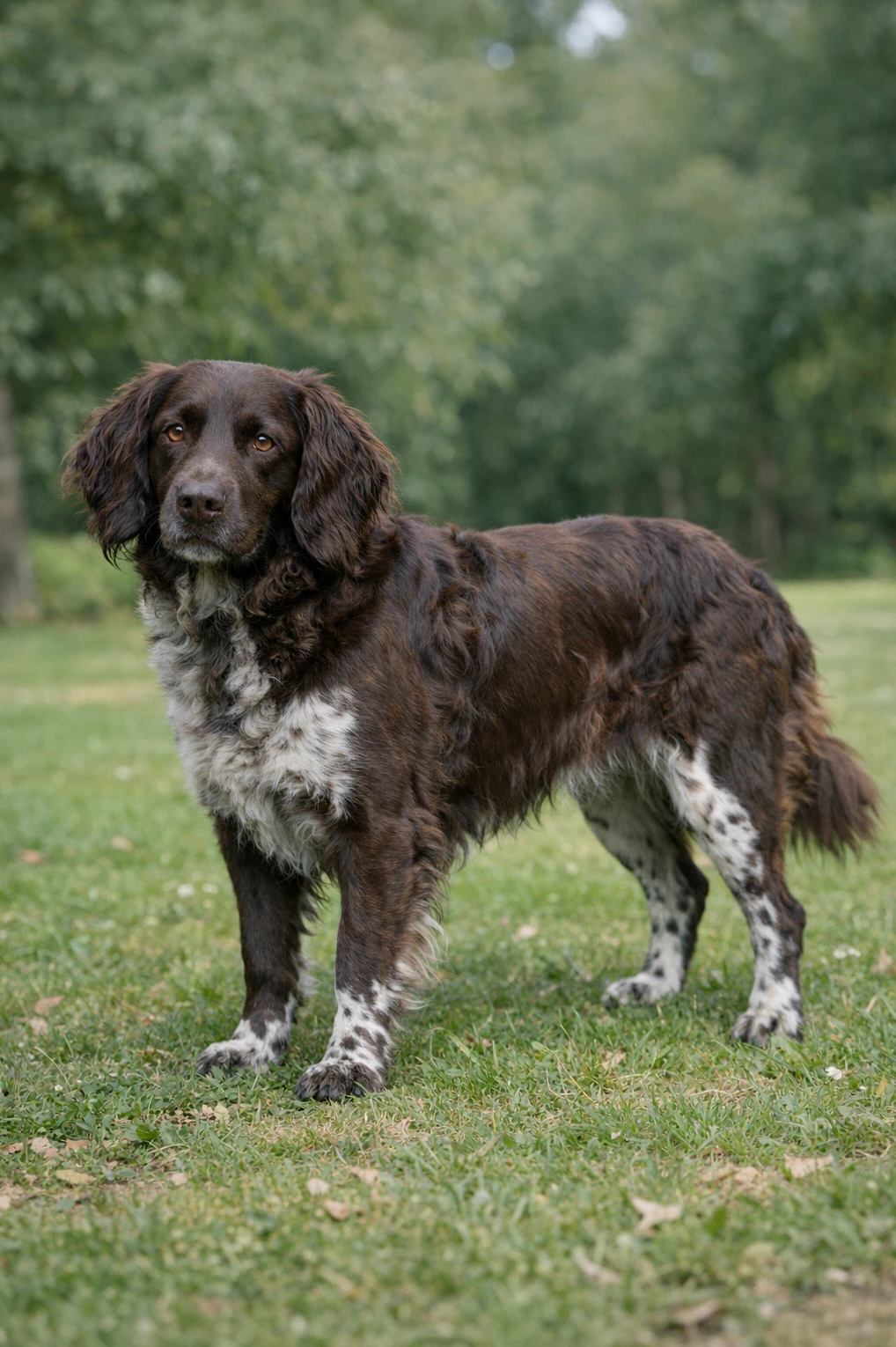
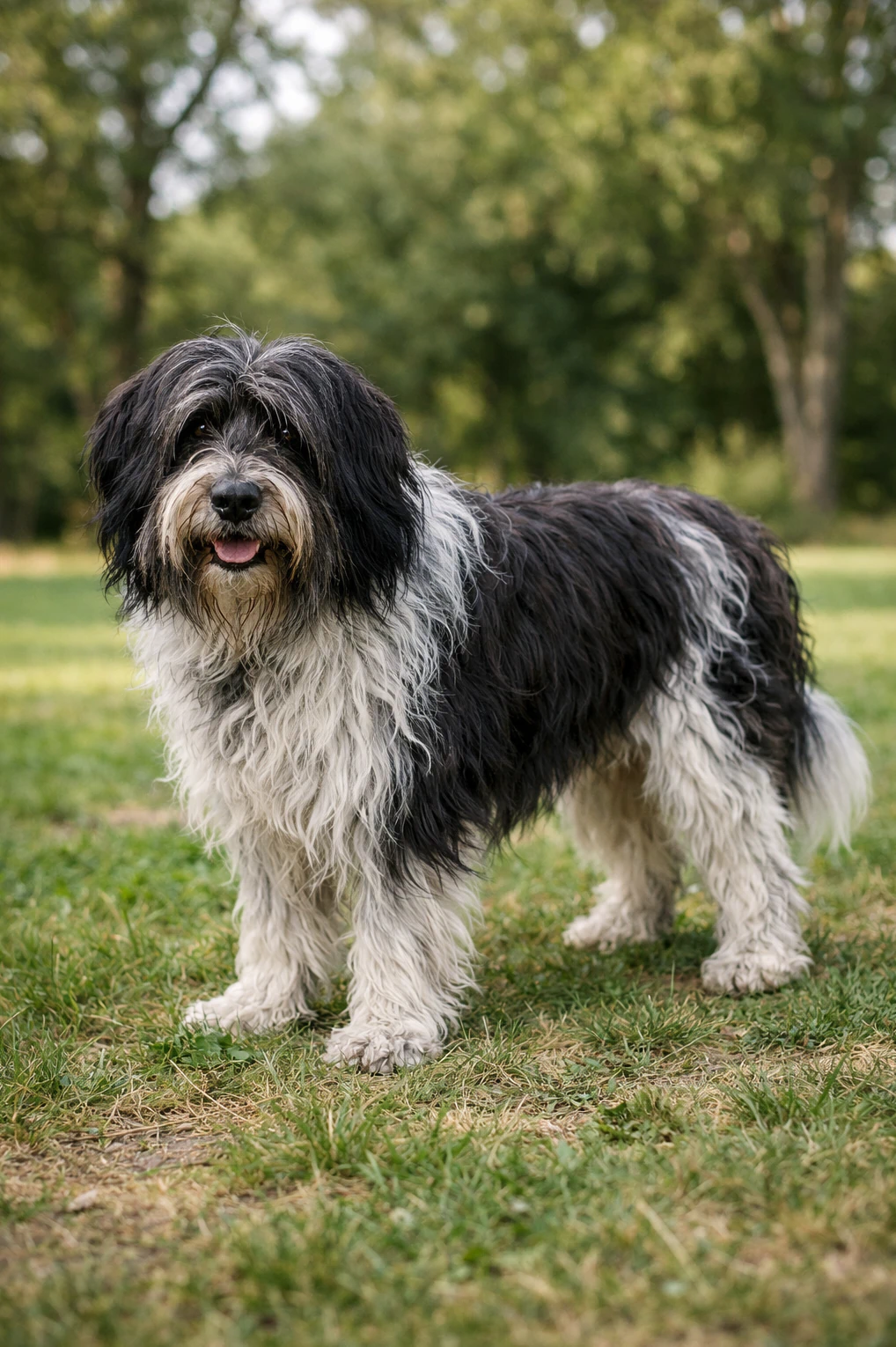
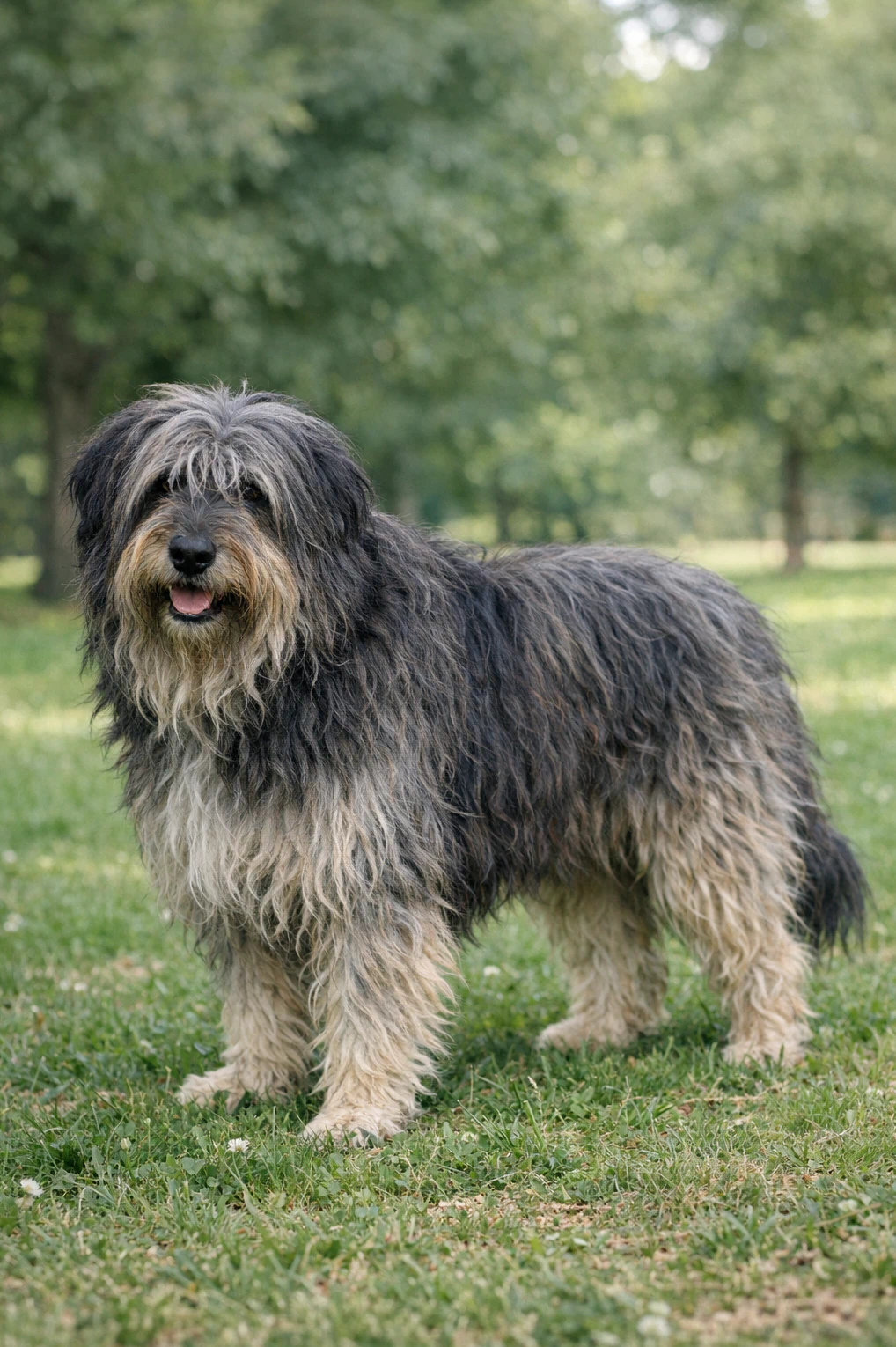
Medium sized Portuguese Sheepdog stands 16.5 to 21.5 inches and weighs about 37.5 to 59 pounds, a clever, loyal, spirited companion. Nutritional verdict: needs a balanced, protein-rich diet to fuel activity and support coat health.
Understanding the Portuguese Sheepdog Metabolism and Energy Needs
Bred to handle farm tasks, this Portuguese herding companion blends quick learning, strong attachment to family, and an energetic nature. That combination means food must support both a sharp mind and steady physical effort, so high-quality animal protein is important to keep lean muscle and repair tissue after active days. Rich, wholesome fats supply sustained energy and help maintain a healthy, weather-ready coat and skin.
Moderate, low-glycemic carbohydrates offer quick fuel for short bursts like sudden sprints or focused training, without encouraging extra pounds. Targeted supplements such as omega-3 oils for skin and inflammation support, and glucosamine for long-term joint care, can be beneficial for dogs that remain active through later years. Matching calorie density to daily activity and focusing on nutrient-rich meals helps these clever, closely bonded workers stay happy and fit.
Managing Portuguese Sheepdog Genetic Health Risks Through Nutrition
Hip Dysplasia
Helpful nutrients
Eye Problems (PRA, Cataracts)
Helpful nutrients
Skin Sensitivities & Allergies
Helpful nutrients
Ear Infections
Helpful nutrients
Obesity & Weight Management
Helpful nutrients
Dental Disease
Helpful nutrients
Portuguese Sheepdog Feeding & Calorie Calculator
Estimated Daily Calories
Tip: Start with this amount and adjust after 2–3 weeks based on your dog's body condition and weight trend.
This estimate provides a starting point for feeding. Individual calorie needs may vary depending on metabolism, body condition, and health status. Always monitor your dog's weight and consult your veterinarian when adjusting diet.
Foods and Ingredients to Avoid for Portuguese Sheepdog Dogs
Portuguese Sheepdogs are a medium, active breed that benefit from lean, balanced calories to maintain a healthy weight and support joint health.
High-fat table scraps, fatty meats, and fried foods can quickly lead to unnecessary weight gain in a 37.
5 to 59 pound dog, and may also trigger digestive upset or pancreatitis in sensitive individuals.
Stick to measured portions of lean protein and healthy fats to keep energy steady and hips and shoulders comfortable.
Cooked bones from poultry or other table scraps can splinter and cause mouth or intestinal injuries in a medium-sized dog, so these are best avoided for safety.
Even bones intended as chews can break into sharp fragments that pose choking or perforation risks for a Portuguese Sheepdog, whose chewing strength is moderate but determined.
Offer only vet-approved, size-appropriate chew toys or raw bones after consulting your veterinarian, and supervise any chew time closely.
Onions, garlic, leeks, and chives contain compounds that can damage red blood cells in dogs, which may lead to anemia over time if consumed in sufficient amounts.
Because Portuguese Sheepdogs are medium-sized, even relatively small quantities of concentrated allium ingredients in cooked foods or seasonings can add up quickly, especially with regular exposure.
Avoid foods seasoned with these ingredients and be cautious with table scraps, marinades, and flavored broths.
Grapes and raisins are unpredictable for dogs and can cause acute kidney injury, even in small amounts for some animals, so they should never be offered to a Portuguese Sheepdog.
Certain other fruits, like pits from peaches or cherries, can present choking hazards or cause intestinal blockage in a medium dog, while avocado can upset digestion for some pets.
Stick to dog-safe fruits in small, controlled portions and remove any pits or seeds first.
Xylitol, a common sugar substitute in sugar-free gum, baked goods, and some peanut butters, is highly toxic to dogs and can cause dangerous drops in blood sugar and liver damage.
A curious Portuguese Sheepdog who samples a small amount of xylitol-containing product could develop rapid, severe symptoms, so always check labels before offering treats and keep human sweets out of reach.
When in doubt, choose plain, unsweetened alternatives that are dog-safe.
Diets that rely heavily on peas, lentils, or other legumes in place of traditional grains have been associated with heart concerns in some dogs, so it is wise to be cautious with high-legume formulations.
A medium-boned Portuguese Sheepdog fed a grain-free diet very high in legumes may not receive the ideal balance of amino acids and nutrients unless the food is properly formulated.
Consult your veterinarian about diet history and choose complete foods that support heart health and overall vitality.
How Nutritional Needs Change Throughout the Portuguese Sheepdog Life Stages
Portuguese Sheepdogs have changing nutritional needs as they move from puppyhood to adulthood and into their senior years. Growth rate, breed size and activity level, along with any common health tendencies, all influence what and how much they should eat. Tailoring diet by life stage helps support healthy growth, sustained energy, and graceful aging.
| Life Stage | Age Range | Primary Objective | Key Nutrient Focus |
|---|---|---|---|
| Puppy | 0–15 months | controlled skeletal development, immune support, brain development | DHA, balanced calcium/phosphorus, high-quality protein |
| Adult | 1.5–6 years | lean muscle maintenance and sustained energy | high-quality protein, omega-3 fatty acids, fiber |
| Senior | 6+ years | joint mobility, metabolic health, and cognitive support | glucosamine, chondroitin, antioxidants, lower calories |
Portuguese Sheepdog puppies grow into a fairly large, athletic dog, so their growth pattern is steady and stretches over many months rather than a rapid sprint. Controlled, steady weight gain helps protect developing bones and joints as they move from a compact pup to a 37.5 to 59 pound adult.
Focus on skeletal development with a diet formulated for large-breed pups, providing balanced calcium and phosphorus, adequate high quality protein for muscle, and DHA to support brain and vision. Feed smaller, frequent meals three to four times daily while growth is rapid, then transition slowly to fewer meals. Because this breed is lively and intelligent, nutrient-dense food helps fuel play and learning, while formulas that limit excess calories reduce strain on growing joints.
As adults, Portuguese Sheepdogs settle into a sturdy, muscular frame at roughly 37.5 to 59 pounds, and their diet should keep them lean, strong, and ready for activity. Focus on high quality protein to preserve muscle, with moderate healthy fats to sustain energy for regular herding, play, and training sessions.
Include digestible carbohydrates and fiber to aid steady energy release, and omega-3 and omega-6 fats to support their wavy, long coat and skin. Feed two meals a day to help regulate appetite and digestion, adjusting portion sizes if activity varies. Because these dogs are intelligent and devoted, matching food intake to daily exercise and using food for enrichment helps maintain a healthy weight and happy mind.
As Portuguese Sheepdogs enter their senior years, their metabolism often slows and activity levels usually decline, which can lead to gradual muscle loss and reduced stamina. Long, lively days of herding or play may give way to more restful routines and occasional stiffness in joints.
A senior-focused diet keeps protein levels sufficient to preserve lean mass while reducing overall calories to avoid weight gain. Include easily digestible proteins, added fiber for comfortable digestion, and extra omega-3 fats to help inflammation and coat health. Joint-support nutrients such as glucosamine and chondroitin, along with antioxidants like vitamins E and C, can help support mobility and cellular health.
Because this breed has a long, wavy coat and a history of energetic activity, regular weight checks and small meal portions throughout the day help keep digestion steady and joints protected, and always discuss major changes with your veterinarian.
Kibble vs Fresh vs Raw for Portuguese Sheepdog
Every Portuguese Sheepdog is unique, and feeding should match their energy, coat needs, and daily routine.
Different feeding models suit busy owners, hands-on cooks, or those willing to follow stricter hygiene and balancing rules.
Pros
- Convenient and easy to portion for busy owners.
- Consistent nutrients support a lively dog's energy needs.
- Crunch helps reduce tartar and supports dental health.
- Formulas with omega fatty acids help maintain a wavy, healthy coat.
Cons
- Lower moisture content can be less hydrating.
- Some brands contain fillers that may not suit coat quality.
- Can be less engaging for an intelligent, lively dog during training rewards.
- Poor formulas can contribute to weight gain without portion control.
Pros
- Highly palatable, great for picky or recovering dogs.
- High moisture content supports hydration and digestion.
- You control ingredient quality for coat and allergy needs.
- Can be tailored for activity level and lean muscle maintenance.
Cons
- Requires careful planning to ensure complete nutrition.
- More time consuming and needs refrigeration.
- Often more expensive than kibble over time.
- Inconsistent recipes can cause nutrient imbalances without guidance.
Pros
- High quality protein supports energy and muscle in active dogs.
- Many owners report improved coat condition and skin health.
- Unprocessed ingredients preserve natural nutrients.
- Can be very palatable for food-motivated training sessions.
Cons
- Strict hygiene is needed to avoid bacterial contamination.
- Risky bones require careful selection and supervision.
- Balancing nutrients demands veterinary or nutritionist guidance.
- Can be messy, expensive, and inconvenient for daily prep.
| Diet Type | Pros for Portuguese Sheepdog | Potential Downsides |
|---|---|---|
| High-Quality Kibble |
|
|
| Fresh Cooked Food |
|
|
| Raw Diet (BARF) |
|
|
Our Recommendation
For most lively, intelligent Portuguese Sheepdogs, a high-quality kibble or a carefully balanced fresh-cooked diet tends to work best.
If you consider raw feeding, consult your veterinarian, and prioritize safe preparation and complete nutritional balance.
See Also
Breeds with similar group, size, and coat characteristics