Best Dog Food for Thai Ridgeback in 2026Based on Nutritional Science
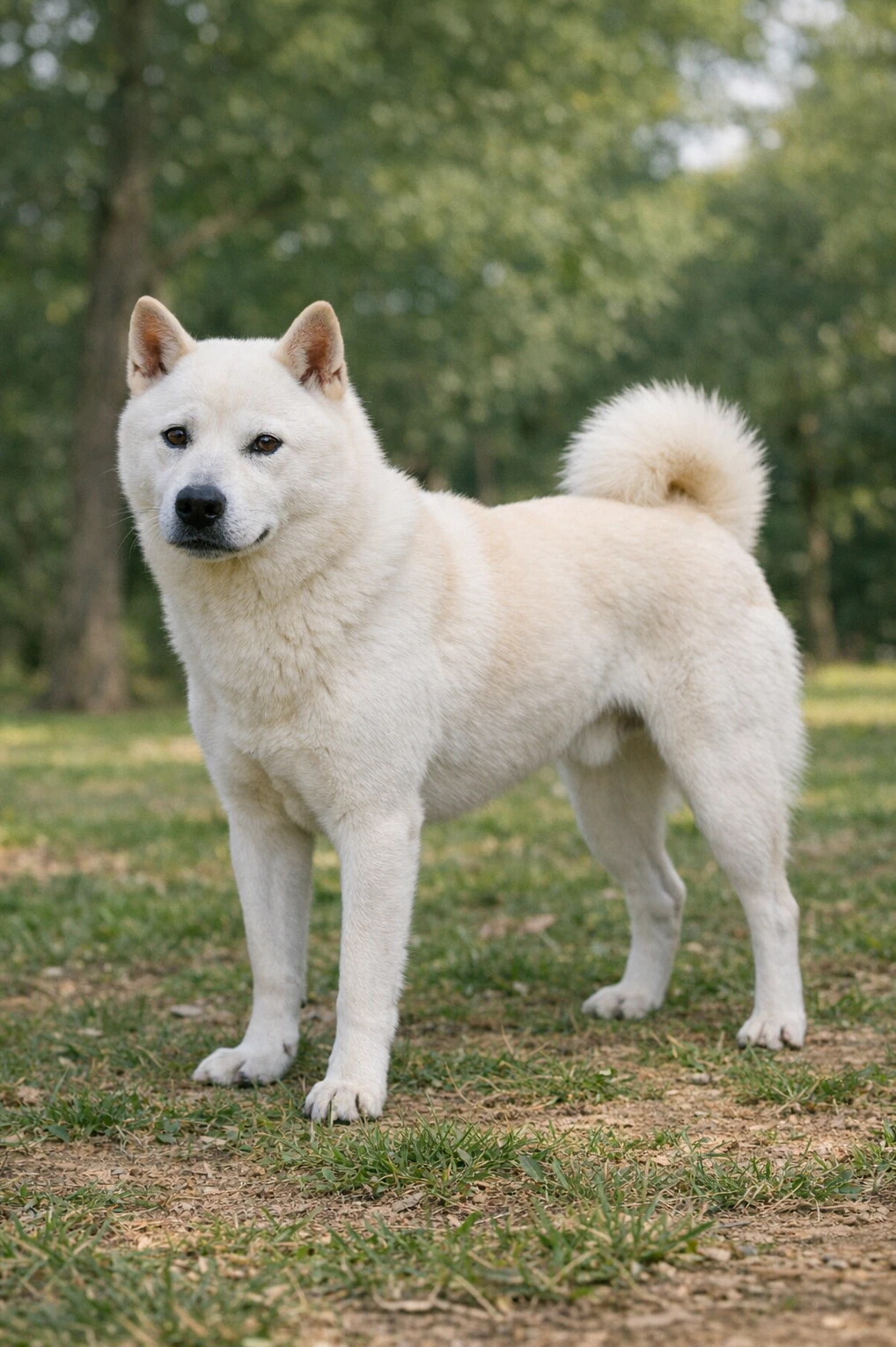
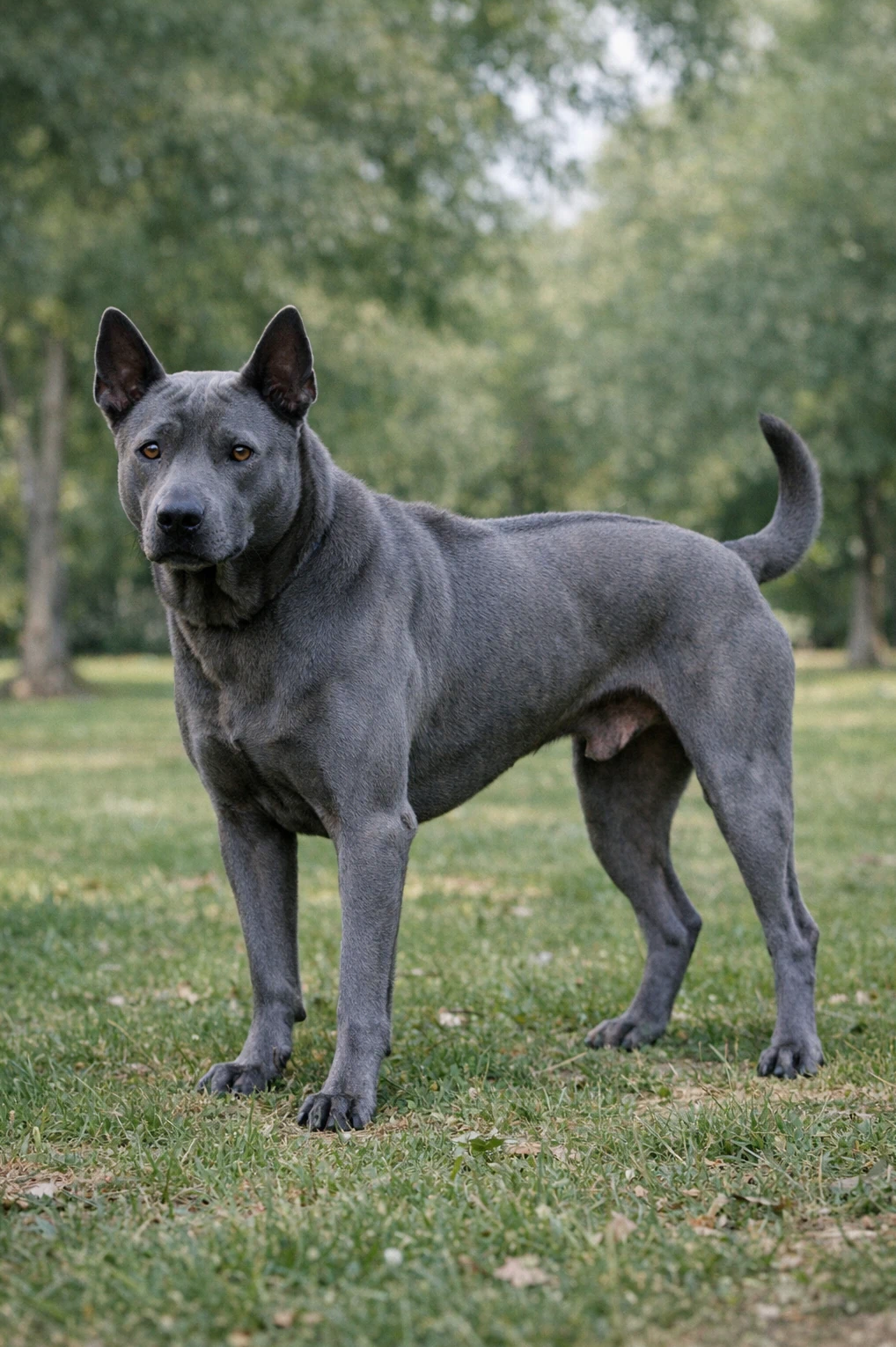
The Thai Ridgeback is medium-built, standing 20 to 24 inches and weighing 35 to 75 pounds. Devoted, vigilant and quick-witted. Nutritional Verdict: lean, high-quality protein plus balanced fats keep them fit and bright.
Understanding the Thai Ridgeback Metabolism and Energy Needs
This Southeast Asian hunting companion evolved for independent tracking and quick reactions, so its daily diet should support stamina, lean muscle and sharp thinking. Unlike bulkier pets, it stays sleek and does best on nutrient-rich meals that keep it lively and ready.
A protein-forward approach fuels endurance and recovery, with examples like chicken, turkey and oily fish providing complete amino acids. Healthy fats such as salmon oil and poultry fat deliver slow-burning energy and support skin, coat and cognitive function. Complex carbohydrates like sweet potato and brown rice offer steady glucose for short bursts of activity, while fiber and probiotics keep digestion steady.
Supplements such as omega-3s, joint support (glucosamine and chondroitin) and B vitamins for mental clarity can be helpful. Aim for higher protein, moderate fat and controlled carbs so calories preserve a lean frame and keen focus, with portions adjusted to daily activity.
Managing Thai Ridgeback Genetic Health Risks Through Nutrition
Hip Dysplasia
Helpful nutrients
Dermoid Sinus and Other Skin Problems
Helpful nutrients
Weight Management and Obesity
Helpful nutrients
Dental Disease
Helpful nutrients
Allergies and Itchy Skin
Helpful nutrients
Thai Ridgeback Feeding & Calorie Calculator
Estimated Daily Calories
Tip: Start with this amount and adjust after 2–3 weeks based on your dog's body condition and weight trend.
This estimate provides a starting point for feeding. Individual calorie needs may vary depending on metabolism, body condition, and health status. Always monitor your dog's weight and consult your veterinarian when adjusting diet.
Foods and Ingredients to Avoid for Thai Ridgeback Dogs
Given the Thai Ridgeback's lean, muscular build and active nature, too much dietary fat can lead to rapid weight gain and strain on joints.
High-fat table scraps and fatty treats can also increase the risk of pancreatitis, which is painful and may require urgent care.
Stick to lean proteins and controlled treats, and work with your vet to choose a diet that supports muscle tone without excessive calories, especially if your dog is less active or entering middle age.
Cooked bones can splinter and cause choking, mouth injuries, or intestinal blockages, which are emergencies even for sturdy dogs like the Thai Ridgeback.
Small hard chews can also break teeth or become lodged, leading to expensive dental or surgical care.
Offer safe, vet-recommended chews sized for a medium-to-large dog and supervise chewing sessions to reduce the risk of accidental injury.
Thai Ridgebacks can reach up to 75 pounds, so rapid growth fueled by high-calcium or calorie-dense diets can stress developing bones and joints.
Over-supplementing with calcium or free-feeding rich puppy formulas can contribute to orthopedic problems later in life.
Feed a balanced, breed-appropriate puppy diet at recommended portions and consult your veterinarian before adding supplements, especially during growth spurts.
Some grain-free diets replace grains with large amounts of peas, lentils, and chickpeas, and these formulations have been associated with heart problems in certain dogs.
While research is ongoing, it is wise to avoid diets that rely heavily on legumes as the main ingredient for a larger, active breed like the Thai Ridgeback.
Choose well-balanced diets with quality grains or vetted grain-free formulas, and discuss heart-healthy options with your veterinarian if you have concerns.
Artificial preservatives, colors, and flavorings can upset sensitive stomachs or contribute to skin and coat issues for some dogs.
Since the Thai Ridgeback is known for a short coat and close-fitting skin, keeping irritation to a minimum helps maintain a healthy appearance and comfort.
Opt for foods with natural preservatives and minimal additives, and observe how your dog responds to ingredient changes over time.
Onions, garlic, chocolate, grapes, raisins, and xylitol-containing products are toxic to dogs and should never be offered, even in small amounts.
These items can cause anemia, kidney failure, hypoglycemia, or sudden severe reactions that are dangerous for any size dog.
Keep human foods out of reach, teach family members and guests about hazards, and contact your veterinarian or an emergency clinic immediately if ingestion is suspected.
How Nutritional Needs Change Throughout the Thai Ridgeback Life Stages
Dogs need different nutrition as they move from puppyhood to adulthood and into their senior years. A Thai Ridgeback's needs are shaped by the breed's growth rate, energetic activity level, and any common health tendencies, so calories, protein, fatty acids, vitamins, and feeding routines should shift to support healthy growth, sustained muscle and energy, and graceful aging.
| Life Stage | Age Range | Primary Objective | Key Nutrient Focus |
|---|---|---|---|
| Puppy | 0–15 months | controlled skeletal development, immune support, brain development | DHA, balanced calcium/phosphorus, high-quality protein |
| Adult | 1.5–6 years | lean muscle maintenance and sustained energy | high-quality protein, omega-3 fatty acids, fiber |
| Senior | 6+ years | joint mobility, metabolic health, and cognitive support | glucosamine, chondroitin, antioxidants, lower calories |
Thai Ridgeback puppies grow into lean, athletic adults, so the first year focuses on steady, controlled growth to support skeletal development and muscle formation. Choose a high-quality large-breed puppy formula with balanced calcium and phosphorus, digestible protein, healthy fats and DHA for brain and eye development, and essential vitamins and minerals. Feed small, frequent meals, typically three to four times a day while very young, moving toward two to three meals as they approach adulthood.
Because this breed is active and intelligent, calorie needs may be higher than for a couch-bound dog, but avoid overfeeding which can speed growth and stress developing joints. Monitor weight and body condition regularly, limit high-impact exercise until growth plates close, and work with your veterinarian to tailor portions and a growth plan that supports steady, healthy development.
As an adult, a Thai Ridgeback benefits from a diet that preserves lean muscle and supplies steady energy for its alert, active lifestyle. Focus on high-quality animal protein and moderate healthy fats, along with digestible carbohydrates or fiber for sustained energy, and feed predictable portions typically split into two meals per day to help maintain weight and metabolism. Choose nutrient-dense food rather than excess calories to avoid unwanted weight gain.
Lifestyle matters; a Ridgeback that gets daily runs, training or work will need more calories than a less active companion, so adjust portions and treats accordingly. Regular body condition checks, consistent exercise, and inclusion of joint-friendly fatty acids and antioxidants help support long-term vitality and a glossy coat.
As Thai Ridgebacks enter their senior years, metabolism usually slows and activity often decreases, which can lead to weight gain or muscle loss if diet is not adjusted. Prioritize high-quality, easily digestible protein to preserve muscle, reduce overall calories if activity drops, and add joint-support nutrients like omega-3 fatty acids, glucosamine and chondroitin along with antioxidants such as vitamin E and polyphenols to help manage inflammation and support long-term cellular health.
Many older dogs also digest food less efficiently and may benefit from added fiber and smaller, more frequent meals or softer textures if dental issues appear. Regular veterinary checkups, weight and mobility monitoring, and a tailored senior formula will help keep a Ridgeback comfortable, active and well nourished as they age.
Kibble vs Fresh vs Raw for Thai Ridgeback
Different feeding models suit different lifestyles and day-to-day routines for a Thai Ridgeback.
Consider your dog’s activity level, training demands, and how much time you have for meal prep.
Pros
- Convenient and easy to portion for busy owners.
- Formulas for active breeds support lean muscle and energy.
- Dry kibble helps reduce tartar with regular chewing.
- Stable shelf life makes travel and outdoor routines simple.
Cons
- Can be calorie-dense, risking weight gain for less active dogs.
- Some brands include fillers that add little nutrition.
- Lower moisture content may not suit dogs that drink less.
- Less variety can be boring for picky eaters.
Pros
- Highly palatable for picky or food-motivated Ridgebacks.
- High moisture content supports hydration and digestion.
- Allows precise control over proteins and joint-supporting ingredients.
- Easier to adjust portions for active versus calmer days.
Cons
- Requires time for meal prep and consistent planning.
- More expensive than standard kibble over time.
- Must be balanced to avoid nutrient gaps without guidance.
- Needs refrigeration and careful storage on hot days.
Pros
- High protein profile suits athletic, muscular dogs.
- Many owners report improved coat condition and energy.
- Can be tailored to specific meat and organ ratios.
- Very palatable for dogs that prefer raw texture.
Cons
- Demands strict hygiene to reduce bacterial risks at home.
- Balanced recipes are harder to achieve without expert help.
- Raw bones can pose choking or dental risks for some dogs.
- Less convenient and often more expensive for busy owners.
| Diet Type | Pros for Thai Ridgeback | Potential Downsides |
|---|---|---|
| High-Quality Kibble |
|
|
| Fresh Cooked Food |
|
|
| Raw Diet (BARF) |
|
|
Our Recommendation
For many Thai Ridgebacks, high-quality kibble provides a balanced, convenient foundation that fits active family life.
If your Ridgeback is very active or picky, fresh cooked food or a carefully planned raw diet can work well, but seek veterinary guidance for safe balance and handling.
See Also
Breeds with similar group, size, and coat characteristics