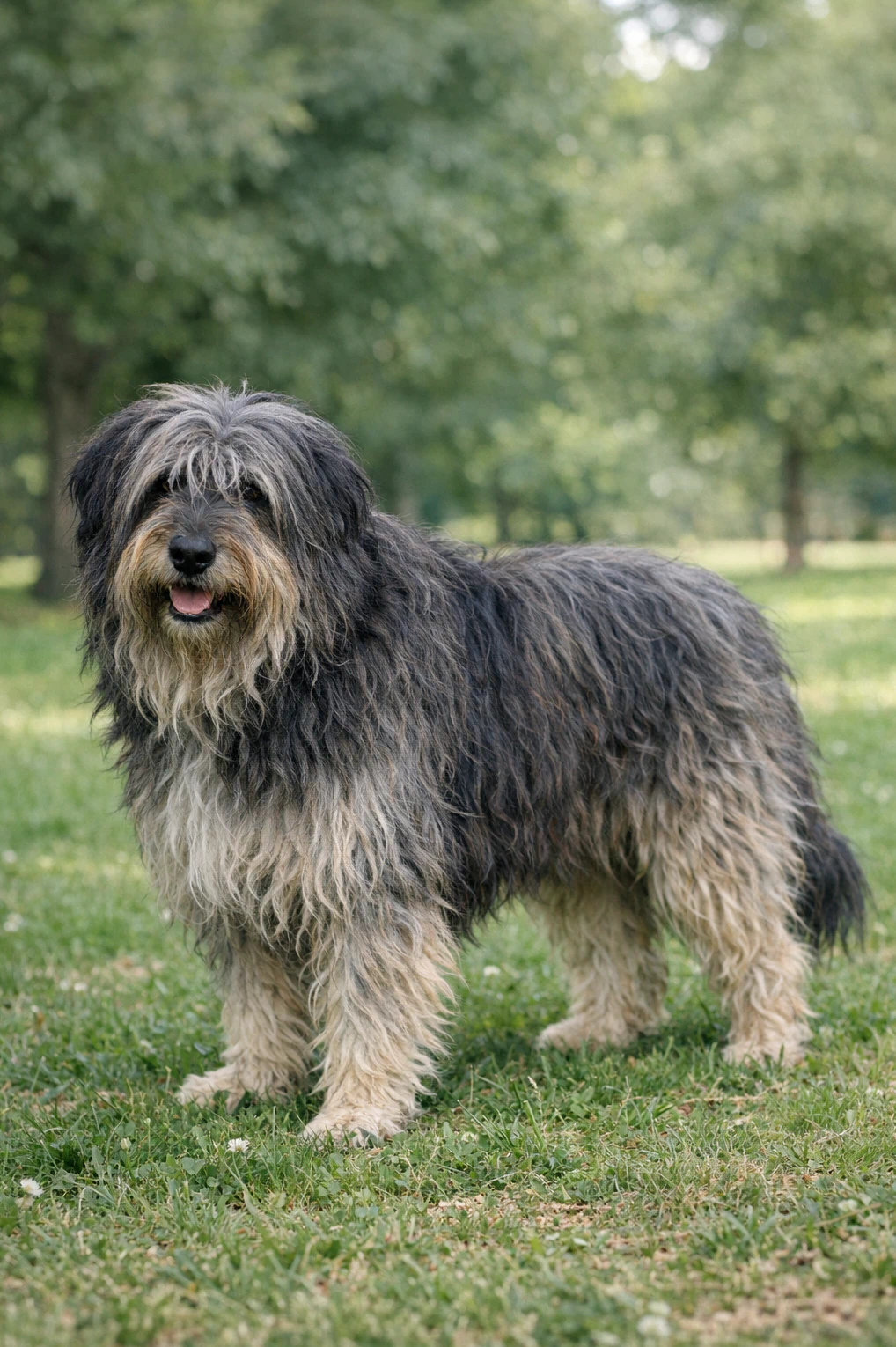
Best Dog Food for Blue Picardy Spaniel in 2026Based on Nutritional Science
Large athletic spaniel, males 22–24 inches, 50–55 pounds, sociable, calm, and cheerful, a great family companion.
Nutritional verdict: balanced, protein-rich diet with moderate calories to support steady energy and a healthy coat.

Understanding the Blue Picardy Spaniel Metabolism and Energy Needs
Rooted in versatile water and field work, these dogs are sociable, easygoing and spirited. Their temperament calls for a diet that supports steady activity without excess calories, and a forgiving digestive system, so meals should fuel calm daily life and bursts of play.
High quality protein keeps lean muscle and stamina for retrieving and long walks, so aim for substantial animal-based proteins like poultry, fish or lamb. Healthy fats provide slow-burning energy and a glossy, water-resistant coat, so include omega-3 rich fish oil and balanced omega-6 sources. Moderate, low-glycemic carbohydrates such as sweet potato or barley offer gentle endurance without weight gain.
Joint-supporting nutrients like glucosamine and chondroitin help preserve mobility, while antioxidant vitamins and probiotics support recovery and digestion. Tailor portions to activity level and age for the happiest, healthiest companion.
Managing Blue Picardy Spaniel Genetic Health Risks Through Nutrition
Hip Dysplasia
Helpful nutrients
Elbow Dysplasia
Helpful nutrients
Blue Picardy Spaniel Feeding & Calorie Calculator
Estimated Daily Calories
Tip: Start with this amount and adjust after 2–3 weeks based on your dog's body condition and weight trend.
This estimate provides a starting point for feeding. Individual calorie needs may vary depending on metabolism, body condition, and health status. Always monitor your dog's weight and consult your veterinarian when adjusting diet.
Foods and Ingredients to Avoid for Blue Picardy Spaniel Dogs
Blue Picardy Spaniels are active dogs but they are medium-large in size, so excess dietary fat can quickly add unwanted pounds and strain their joints.
High-fat table scraps, fatty cuts of meat, and rich human foods also raise the risk of pancreatitis, which can be serious.
Keep dietary fat moderate and choose lean protein sources to support muscle without adding joint-stressing weight.
This breed benefits from a steady feeding routine, so frequent table treats and calorie-dense snacks can disrupt portion control and lead to obesity.
Extra weight increases the chance that underlying elbow or hip dysplasia will become painful or limiting later in life.
Stick to measured meals and healthy rewards to keep their weight steady and joints protected as they grow and age.
Blue Picardy Spaniel puppies need steady, controlled growth to reduce pressure on developing bones and joints, so avoid adding extra calcium or homemade diets that are not balanced for large-breed puppies.
Over-supplementing calcium and calories can contribute to abnormal bone development and increase the risk of hip and elbow problems.
Use a quality puppy formula designed for medium to large breeds and follow feeding guidelines from your veterinarian.
Some grain-free diets replace grains with large amounts of peas, lentils, or other legumes, and these formulations have been associated with heart concerns in certain dogs.
For a medium-large, active spaniel that relies on sustained energy and good cardiac health, it is safer to choose balanced diets with varied carbohydrate sources and proven nutritional profiles.
Discuss diet choices with your vet to ensure heart-healthy nutrition.
Foods with artificial preservatives, colors, or strong flavorings can sometimes trigger digestive upset or skin sensitivity in sensitive dogs, which may affect coat quality and comfort.
Blue Picardy Spaniels often do best on simpler, cleaner ingredient lists that support their active lifestyle without unnecessary additives.
Opt for naturally preserved formulas and monitor for any itching, redness, or tummy troubles after diet changes.
Certain human foods are dangerous for all dogs and should never be offered to a Blue Picardy Spaniel, including chocolate, xylitol, grapes, raisins, onions, and garlic, as well as very salty or spicy foods.
Even though this breed is medium-large, toxic substances affect dogs of all sizes and can cause severe illness quickly.
Keep human treats out of reach and learn emergency contacts for suspected ingestion.
How Nutritional Needs Change Throughout the Blue Picardy Spaniel Life Stages
Blue Picardy Spaniels, like all dogs, have changing nutritional needs through puppyhood, adulthood, and senior years, and feeding should match those stages to support healthy growth, energy needs, and aging. These needs depend on the breed's growth rate, activity level, and common health tendencies such as screening for hip and elbow dysplasia, so adjusting calories, protein, and certain nutrients at each stage helps keep them fit and comfortable.
| Life Stage | Age Range | Primary Objective | Key Nutrient Focus |
|---|---|---|---|
| Puppy | 0–15 months | controlled skeletal development, immune support, brain development | DHA, balanced calcium/phosphorus, high-quality protein |
| Adult | 1.5–6 years | lean muscle maintenance and sustained energy | high-quality protein, omega-3 fatty acids, fiber |
| Senior | 6+ years | joint mobility, metabolic health, and cognitive support | glucosamine, chondroitin, antioxidants, lower calories |
During puppyhood Blue Picardy Spaniels follow a steady but sizable growth pattern, gaining bone and muscle as they approach their 50 to 55 pound adult size. Because they are a large-breed type, controlled growth is important to reduce stress on developing joints, and careful balance of calcium and phosphorus supports healthy skeletal development.
Feedings should be frequent and measured, with three meals a day while very young moving to two meals by about a year, to prevent overeating and to keep energy steady. Choose a large-breed puppy formula that offers appropriate calorie density and portion guidance for this breed's moderate to merry activity level.
Prioritize high quality protein for muscle, DHA for brain and eye development, and precise mineral ratios rather than excess supplements. Because Blue Picardy Spaniels can be screened for hip and elbow dysplasia, avoid very rapid growth and monitor weight to ease future joint health.
As adults, Blue Picardy Spaniels need steady, high quality protein to preserve lean muscle and enough healthy fats to fuel their merry but not hyper activity. Calorie intake should match daily exercise, since extra weight can strain hips and elbows, so regular body condition checks help you adjust portions.
A balanced adult diet leans on digestible protein sources, moderate healthy fats, and complex carbohydrates for sustained energy during walks and play. Include omega-3 fatty acids for skin and coat health and mild anti-inflammatory benefits, especially because joint screening is a wise routine for this breed.
Feed two measured meals a day to keep metabolism steady and avoid free feeding that can lead to weight gain. Discuss specific calorie targets with your veterinarian, and consider activity changes like swimming or brisk walks to support muscle tone without excess joint stress.
As Blue Picardy Spaniels enter their senior years their metabolism often slows and daily energy needs usually drop, so calories may need to be reduced to prevent weight gain. At the same time seniors need excellent protein quality to preserve muscle, because lean mass supports mobility and overall resilience.
Joint support becomes a priority for this large-breed type, so diets with omega-3 fatty acids and nutrients like glucosamine and chondroitin can help maintain comfort and function. Choose nutrient-dense formulas that are lower in calories per serving and easier to digest, and consider added fiber or digestive enzymes if stools become irregular.
Antioxidants such as vitamin E and supportive minerals help counter cellular aging and support the immune system as your dog gets older. Regular weight checks, dental care and vet-guided adjustments to portions or supplements will keep a Blue Picardy Spaniel moving happily into later life.
Kibble vs Fresh vs Raw for Blue Picardy Spaniel
Different feeding models suit different lifestyles and owner priorities, from convenience to full ingredient control.
Choosing the right approach helps support your Blue Picardy Spaniel's energy, weight, and joint health.
Pros
- Convenient and easy to portion for busy households.
- Consistent balanced nutrition supports steady weight and energy.
- Many formulas include joint-supporting nutrients like glucosamine.
- Shelf-stable and simple to take on outings or training days.
Cons
- Lower moisture content may not suit less-thirsty dogs.
- Some brands use fillers that add unnecessary calories.
- Ingredient quality varies, so label reading is important.
- Cheaper formulas may lack targeted nutrients for hip health.
Pros
- Highly palatable, great for picky or mellow eaters.
- High moisture content supports hydration and digestion.
- You can control calories to protect hips and joints.
- Easy to include fresh veggies and lean proteins for muscle tone.
Cons
- Requires meal prep time and planning for balance.
- Risk of missing essential nutrients without proper supplementation.
- Needs refrigeration and strict portion control to avoid weight gain.
- Generally more expensive than high-quality kibble over time.
Pros
- High-protein, less processed option that appeals to some dogs.
- Some owners report shinier coats and increased vitality.
- Allows precise control of protein and fat sources.
Cons
- Demands strict hygiene to prevent bacterial contamination.
- Unbalanced homemade raw diets can create nutrient gaps affecting joints.
- Raw bones pose choking or dental risks if not carefully managed.
- Veterinary guidance and testing are important for safety and balance.
| Diet Type | Pros for Blue Picardy Spaniel | Potential Downsides |
|---|---|---|
| High-Quality Kibble |
|
|
| Fresh Cooked Food |
|
|
| Raw Diet (BARF) |
|
|
Our Recommendation
For the Blue Picardy Spaniel, a high-quality kibble with joint support often fits busy families while managing weight.
Fresh cooked meals are excellent if you want ingredient control and careful calorie management. Raw diets can work but need veterinary oversight to protect hips and overall health.
See Also
Breeds with similar group, size, and coat characteristics