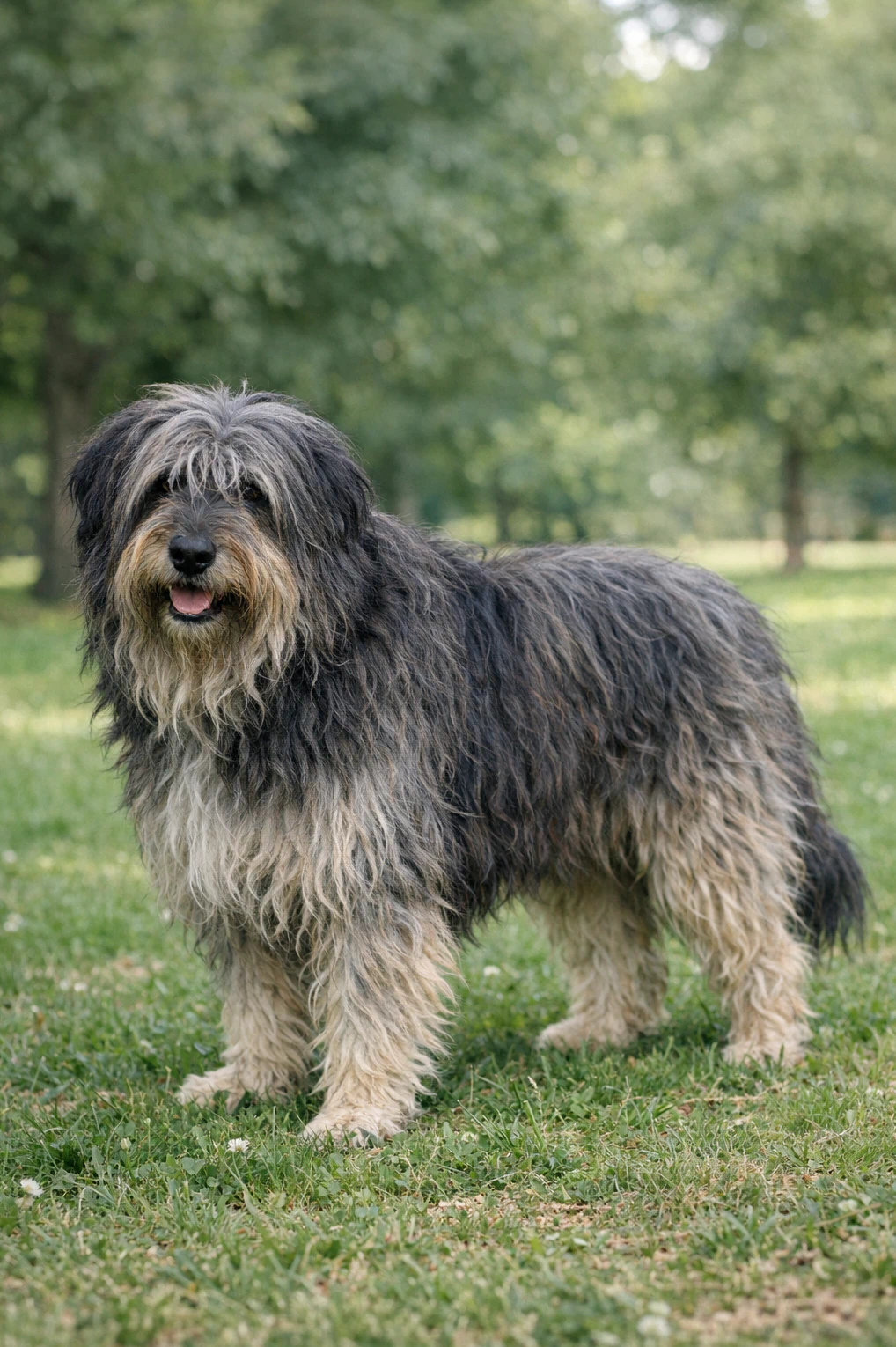
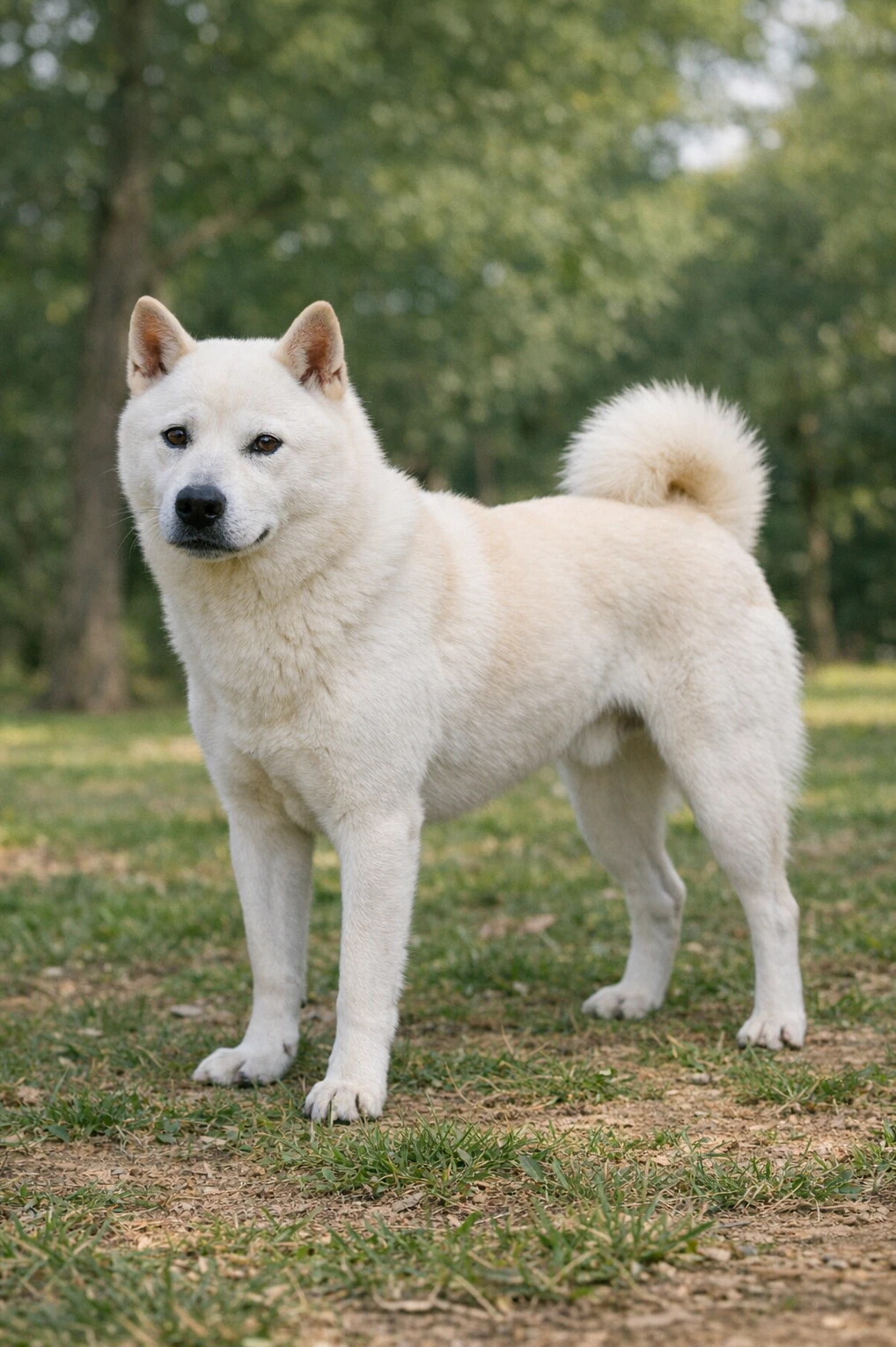
Best Dog Food for Bohemian Shepherd in 2026Based on Nutritional Science
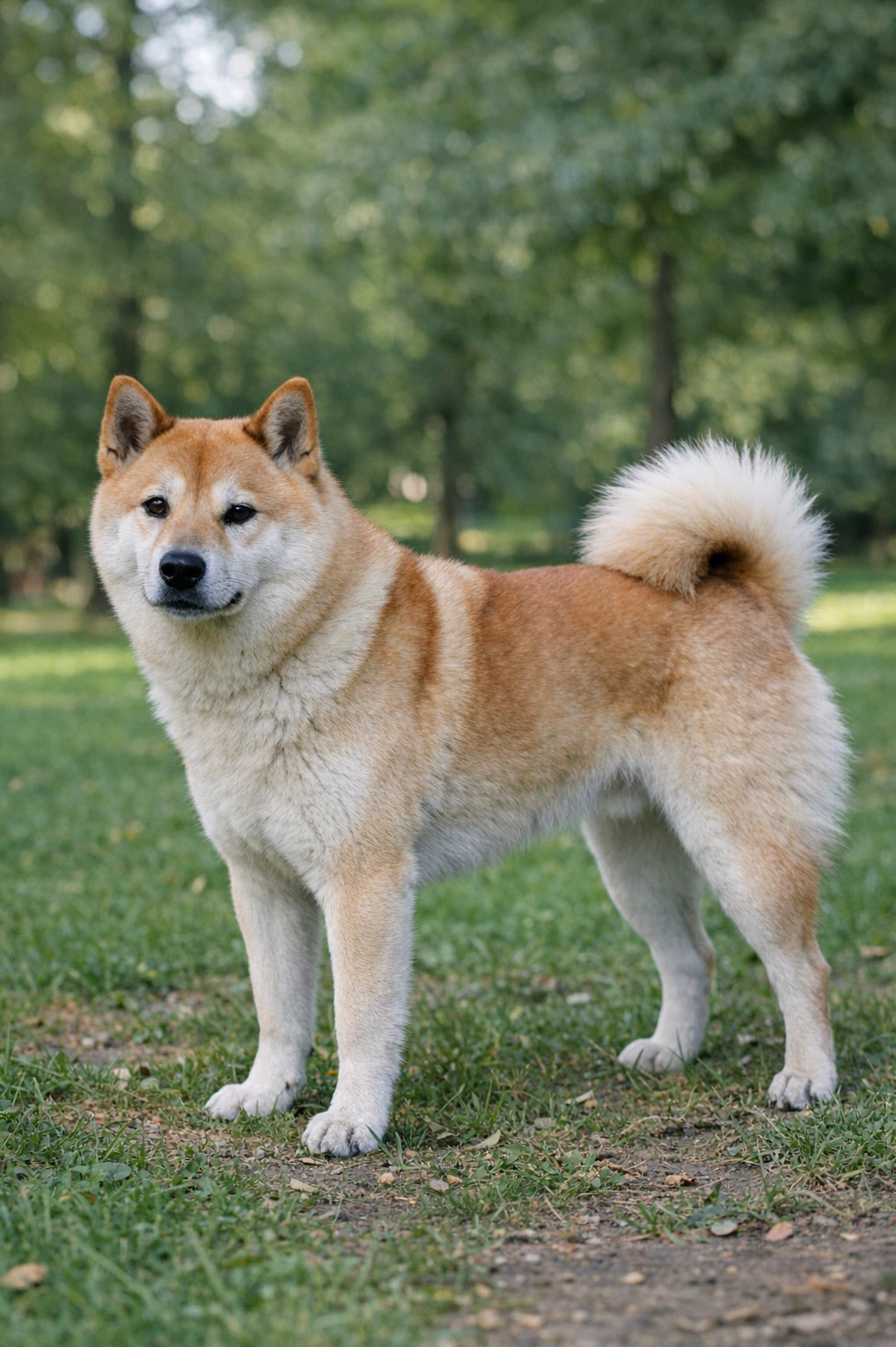
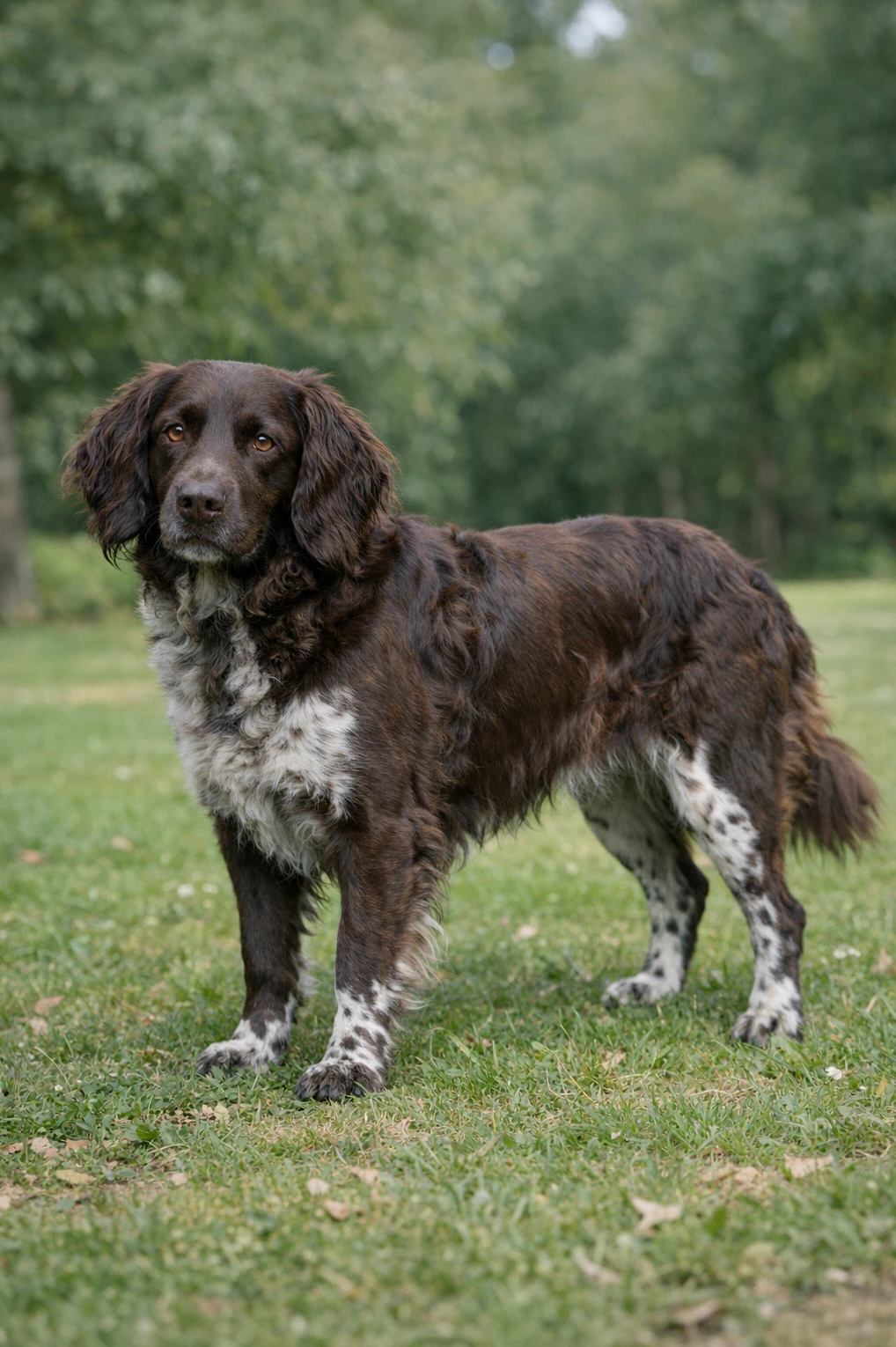
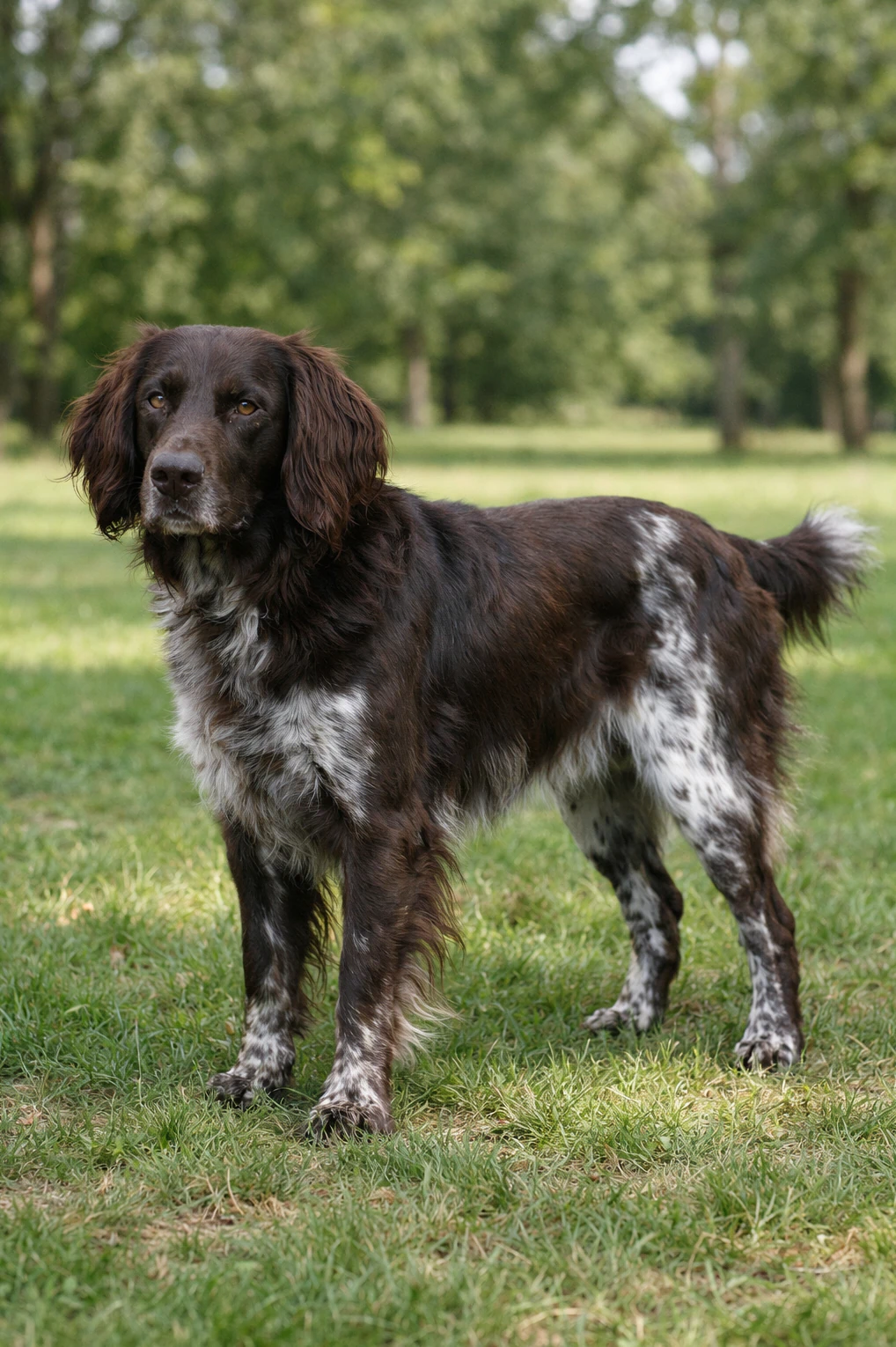
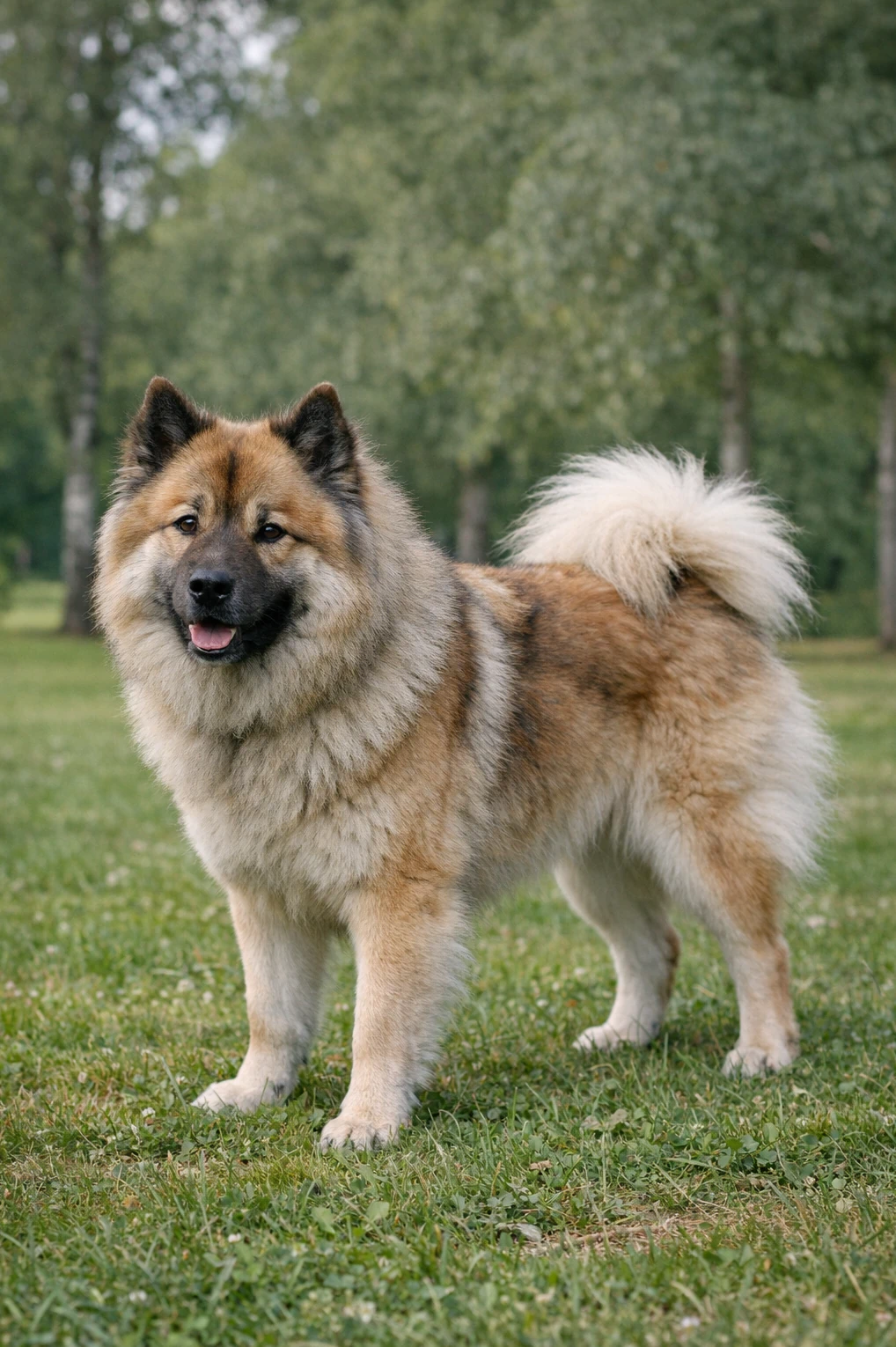
Bohemian Shepherd males average 20.5 to 21.7 inches and 41 to 60 pounds. Affectionate, loyal, vigilant and quick-witted, they do best on balanced, protein-rich diets with joint support. Nutritional Verdict: Wholesome.
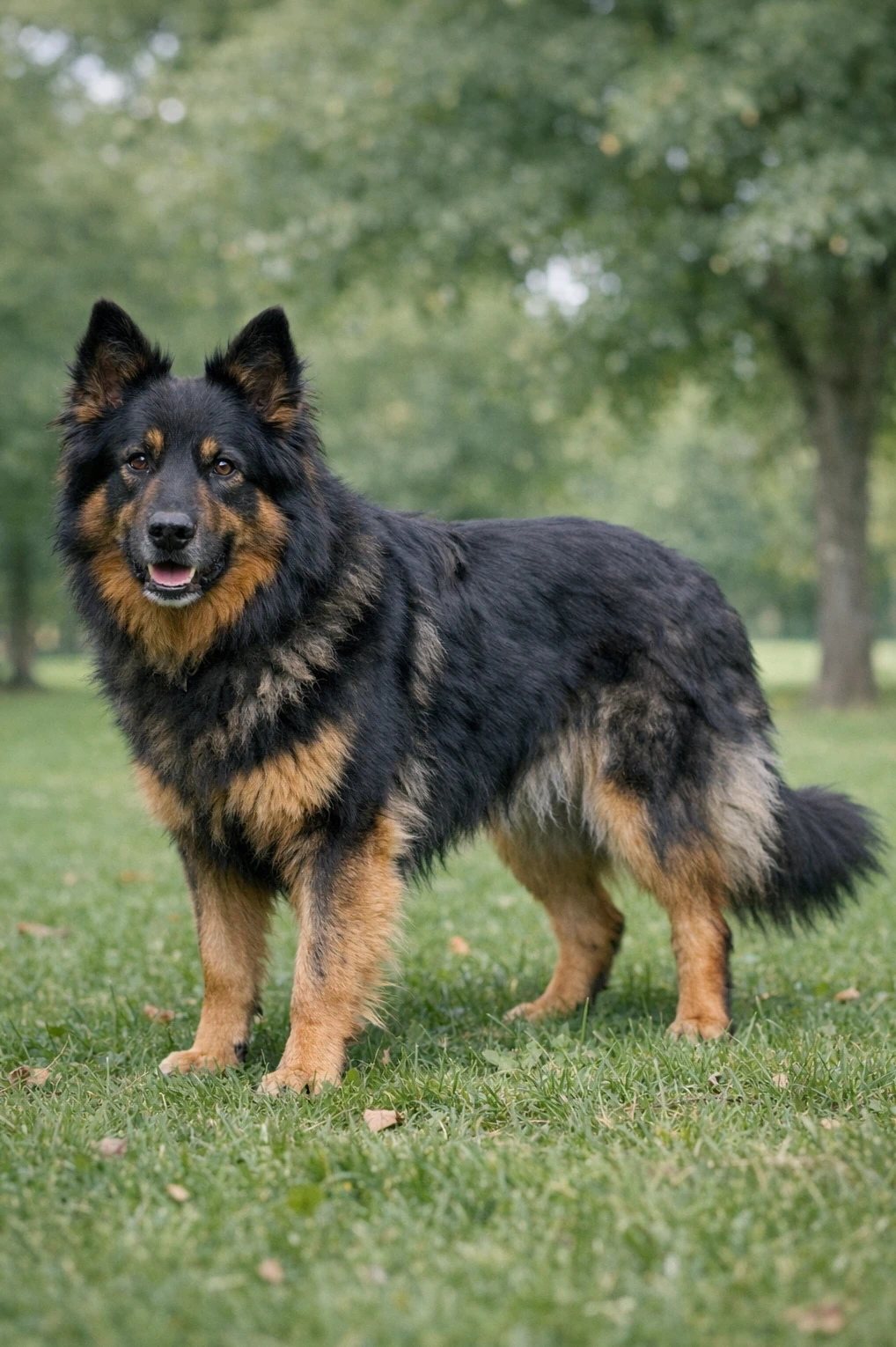
Understanding the Bohemian Shepherd Metabolism and Energy Needs
Originally developed in the Bohemian countryside as practical farm helpers and guardians, this dog blends sociable family instincts with loyal devotion and vigilant energy. Their quick mind and eagerness to engage mean they need nutrition that supports both steady activity and mental sharpness.
Aim for roughly 25 to 30 percent of calories from high quality animal protein to preserve lean muscle and supply amino acids that support focus and learning. Include 15 to 20 percent from healthy fats for sustained fuel and a shiny coat, and add long chain omega-3s to aid cognition and joint comfort. Carbohydrates should come from digestible, fiber-rich sources like sweet potato to maintain steady endurance.
Consider joint support such as glucosamine and antioxidants for immune resilience. Regular meals matched to daily activity help keep weight and attention balanced, so this attentive companion stays fit and happy.
Managing Bohemian Shepherd Genetic Health Risks Through Nutrition
Hip and Elbow Dysplasia
Helpful nutrients
Degenerative Myelopathy
Helpful nutrients
Epilepsy
Helpful nutrients
Coat and Skin Health
Helpful nutrients
Heat Sensitivity and Hydration
Helpful nutrients
Bohemian Shepherd Feeding & Calorie Calculator
Estimated Daily Calories
Tip: Start with this amount and adjust after 2–3 weeks based on your dog's body condition and weight trend.
This estimate provides a starting point for feeding. Individual calorie needs may vary depending on metabolism, body condition, and health status. Always monitor your dog's weight and consult your veterinarian when adjusting diet.
Foods and Ingredients to Avoid for Bohemian Shepherd Dogs
Rich, fatty scraps and high-fat commercial treats can quickly add extra pounds to an athletic Bohemian Shepherd, and excess weight places more stress on hips and elbows over time.
High-fat meals also increase the risk of pancreatitis, which can be severe and painful for medium-large dogs.
Stick to lean protein sources and moderate healthy fats to support muscle and a shiny coat, while protecting joint health and overall energy levels.
Because Bohemian Shepherds are active and need regular exercise, feeding a big meal right before play or long walks can lead to gastric upset and raises the chance of bloat.
Allowing time between feeding and vigorous activity helps prevent stomach distress and keeps them comfortable in hot weather.
Offer smaller meals or wait 1 to 2 hours after eating before intense exercise, and break daily food into two or more feedings when possible.
Growing Bohemian Shepherd puppies need balanced minerals to develop strong bones, but too much calcium or phosphorus from supplements or inappropriate puppy diets can disrupt normal skeletal growth.
Over-supplementing may increase the risk of joint conditions or worsen predispositions to hip or elbow issues.
Use breeder- or vet-recommended large-breed puppy formulas and avoid extra bone meal or human supplements unless directed by your veterinarian.
Some grain-free diets that rely heavily on peas, lentils, or other legumes have been associated with heart concerns in dogs, especially when they make up a large portion of the recipe.
While the link is still being studied, choosing a well-balanced diet that includes appropriate grains or tested formulations reduces uncertainty for your Bohemian Shepherd.
Work with your vet to select a complete diet that supports heart health and your dog’s athletic needs.
Bohemian Shepherds can overheat in summer and may be more prone to dehydration, so salty human snacks and high-sodium pet foods are best avoided.
Excess salt can increase thirst, disturb electrolyte balance, and strain the kidneys, particularly in dogs that already drink less when outdoors is hot.
Offer fresh water at all times and avoid feeding salty deli meats, chips, or heavily seasoned table scraps to keep hydration steady.
Certain common human foods are outright toxic to dogs and should never be offered.
Chocolate, grapes and raisins, xylitol (a sweetener in gum and baked goods), onions, and garlic can cause vomiting, low blood sugar, kidney damage, or even life-threatening reactions in medium-sized dogs like the Bohemian Shepherd.
If ingestion occurs, contact your veterinarian or an emergency clinic promptly, as quick treatment often makes a big difference.
How Nutritional Needs Change Throughout the Bohemian Shepherd Life Stages
Bohemian Shepherds have different nutritional needs during puppyhood, adulthood, and their senior years. Growth rate, activity level, and breed-specific health tendencies influence how much and what type of food they need. Their large size and steady, alert energy mean calorie and nutrient balance is important at each stage to support healthy bones, lean muscle, and long-term mobility.
| Life Stage | Age Range | Primary Objective | Key Nutrient Focus |
|---|---|---|---|
| Puppy | 0–15 months | controlled skeletal development, immune support, brain development | DHA, balanced calcium/phosphorus, high-quality protein |
| Adult | 1.5–6 years | lean muscle maintenance and sustained energy | high-quality protein, omega-3 fatty acids, fiber |
| Senior | 6+ years | joint mobility, metabolic health, and cognitive support | glucosamine, chondroitin, antioxidants, lower calories |
Bohemian Shepherd puppies grow into a large, athletic dog with growth that is steady but prolonged, typically reaching adult size over 12 to 18 months. Early nutrition should support skeletal development without promoting overly rapid weight gain, because excess calories and imbalanced calcium can increase risk for hip and elbow issues later.
Feed smaller, frequent meals during peak growth, then move to two meals a day as they mature. Focus on high-quality protein for lean muscle, measured healthy fats for energy, and controlled calcium to phosphorus ratios for bones. Include omega-3 fatty acids and joint-support nutrients like glucosamine as preventative measures, while keeping portions aligned with activity level to lower stress on growing joints and reduce risk of orthopedic and neurological concerns.
Adult Bohemian Shepherds are muscular, alert and active, so their diet should maintain lean mass while providing steady energy for daily work and play. Offer a diet with moderate to high quality protein and balanced fats to support endurance and cognitive health, while avoiding excess calories that can lead to weight gain and joint stress.
Adjust portion sizes and calorie intake according to activity level, whether a family companion with moderate walks or a working dog with higher demands. Monitor body condition regularly and include nutrient-dense foods with antioxidants and joint-supporting ingredients, while keeping an eye on signs related to hip, elbow and neurological health to catch issues early.
Senior Bohemian Shepherds often show slower metabolism, reduced activity and changes in digestion that affect how they use calories and nutrients. As muscle mass tends to decline and joints become more vulnerable, protein quality, digestible fiber and smaller, easier meals help maintain weight and gut comfort, and small portion adjustments can ease digestion.
Consider diets with joint-supporting supplements like glucosamine and omega-3s, plus antioxidants such as vitamins C and E to support cellular health. Reduce calories if activity drops, prioritize high-quality protein to preserve muscle, and work with your veterinarian to tailor feeding for any orthopedic or neurological conditions while monitoring weight and stool quality.
Kibble vs Fresh vs Raw for Bohemian Shepherd
Different feeding models suit different lifestyles, energy needs, and owner time commitments.
For the alert, devoted Bohemian Shepherd, choose a plan that supports activity, coat health, and joint comfort.
Pros
- Convenient to portion for active owners, supporting consistent energy for an alert Bohemian Shepherd.
- Many formulas include joint support for medium-large, active dogs.
- Kibble is shelf-stable and easy to store between training and outdoor time.
- Predictable calorie content helps manage weight for moderately active dogs.
Cons
- Lower moisture content may not suit dogs who drink less.
- Some formulas contain fillers or artificial additives to watch for.
- May be less palatable for picky eaters during seasonal coat changes.
- Quality varies, so research and breed-appropriate formulations matter.
Pros
- Highly palatable, ideal for picky eaters or dogs recovering from illness.
- Easily tailored to include omega fats for a healthy double coat.
- High moisture supports hydration during active outdoor work.
- Owners control ingredients to avoid allergens and unwanted additives.
Cons
- Requires careful planning to ensure balanced vitamins and minerals.
- More time consuming and costly than kibble for busy households.
- Needs refrigeration and safe handling to prevent spoilage.
Pros
- High protein can match this breed's alert, energetic nature.
- Some owners report improved coat shine and muscle tone.
- Minimally processed ingredients may appeal to owners seeking simple whole foods.
Cons
- Higher bacterial contamination risk without strict hygiene.
- Raw bones can pose choking or dental fracture hazards.
- Balancing nutrients requires expertise to avoid deficiencies.
- May be risky around young children or immunocompromised household members.
| Diet Type | Pros for Bohemian Shepherd | Potential Downsides |
|---|---|---|
| High-Quality Kibble |
|
|
| Fresh Cooked Food |
|
|
| Raw Diet (BARF) |
|
|
Our Recommendation
For most Bohemian Shepherds, high-quality kibble with joint and omega support offers reliable nutrition and convenience.
Fresh cooked meals are a great alternative for picky eaters or coat focus, while raw diets require veterinary guidance and strict hygiene.
See Also
Breeds with similar group, size, and coat characteristics