Why Does My Dog Look Sad? 9 Real Reasons
Why does my dog look sad? Learn when it is just facial expression, when it points to pain or illness, and when your dog needs a vet visit fast.
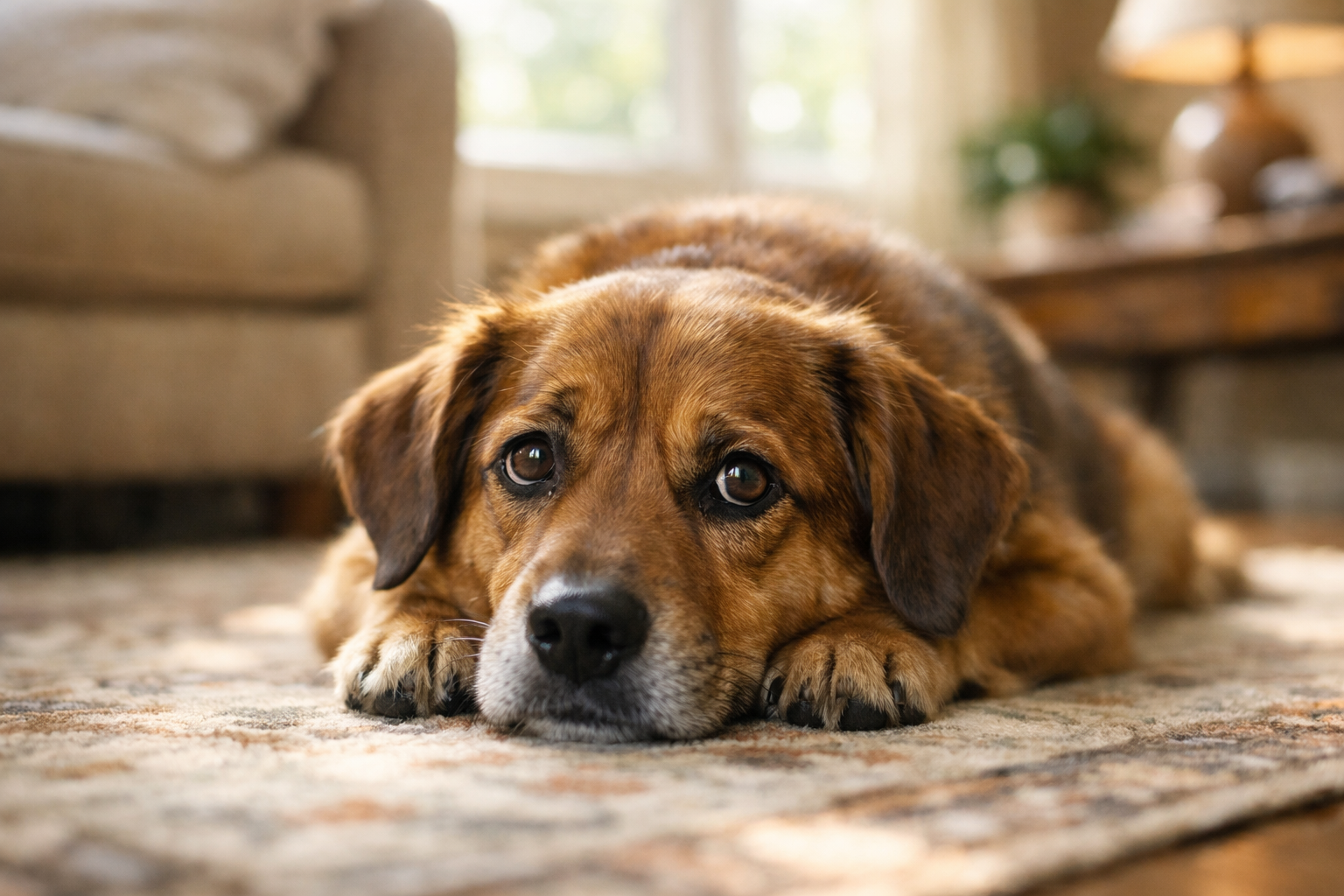
If your dog looks sad, the first question is simple. Is your dog actually unhappy, or does your dog just have that face?
A lot of dogs look soulful when they are perfectly fine. Droopy eyelids, long ears, loose lips, and certain head shapes can make a relaxed dog look miserable. Other times, though, that sad look comes with real changes in energy, appetite, sleep, or behavior. That is when I pay attention.
The short version is this. A dog who suddenly looks sad, withdrawn, painful, nauseated, tired, or less interested in normal life may need a vet visit. A dog who has always had a mournful expression but is eating, playing, moving well, and acting normal usually does not.
Sometimes your dog just has a sad face
Some breeds are built for a serious, heavy expression. A Mastiff or Broholmer can look mournful even when they are content, sleepy, and thinking about lunch.
Spaniels can fool people too. A Boykin Spaniel or Blue Picardy Spaniel often has soft eyes and a gentle face that reads as sad in photos, especially when they are resting.
This is why I always tell people to compare expression with behavior. If your dog looks the same as always and nothing else has changed, you may just be seeing anatomy, not emotion.
Signs it is more than expression
A truly "sad-looking" dog usually gives you more clues than just the face. You may see lower energy, less interest in food, slower walks, hiding, clinginess, whining, stiffness, or a big change in routine.
Watch for what has changed in the last day or two. Did your dog stop greeting you at the door? Skip a favorite toy? Sleep more? Avoid stairs? Those details matter more than a droopy look alone.
Sleep changes can be part of the picture. If your dog seems off during the day and is also shaking in his sleep, bring it up with your vet so they can look at the whole pattern, not just one symptom.
Common reasons your dog looks sad
Pain or soreness
Pain is near the top of the list, especially in adult and senior dogs. Dogs often do not cry or limp dramatically. They just get quiet, tense, and a little shut down.
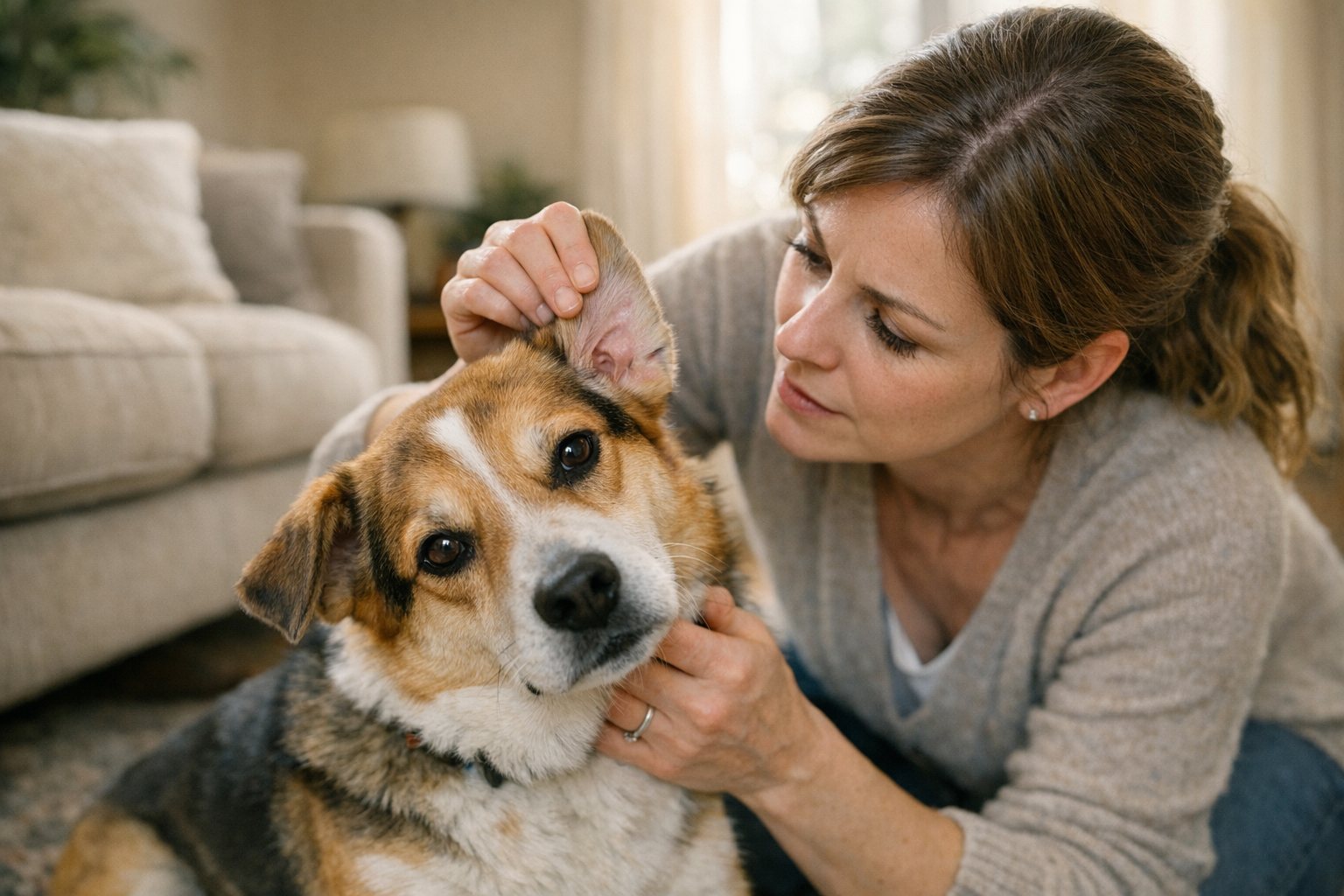
Arthritis, back pain, dental pain, ear infections, nail injuries, sore paws, and minor sprains can all make a dog look downcast. I have seen dogs go from "he seems depressed" to "oh, his tooth hurts badly" in one exam.
A painful dog may move more slowly, avoid being touched, hesitate before jumping, or change how they sit. Some also pant when they are not hot, lick one area over and over, or hold their ears in a different position.
Upset stomach or illness
Dogs with nausea often look sad. Their eyes seem dull, they may swallow a lot, lick their lips, pace, or refuse food. That look is not emotional in the human sense. It is more like, "I feel lousy."
If your dog also seems nauseous or is eating grass a lot, I think more about stomach upset, diet trouble, or another medical issue than plain sadness.
Illness can show up as a sad expression before anything dramatic happens. Fever, infections, tummy pain, constipation, diarrhea, urinary problems, and early respiratory illness can all make a dog seem withdrawn. The face changes because the whole dog feels off.
Stress, fear, or anxiety
Some dogs look sad when they are really stressed. Big changes, a new baby, visitors, fireworks, construction noise, boarding, a move, or the loss of another pet can all do it.
An anxious dog may lower the head, pin back the ears, avoid eye contact, and look "guilty" or gloomy. That expression is often worry, not sadness.
This is also where context matters. If your dog looks sad only during storms, car rides, or when left alone, I would think anxiety first.
Boredom and too little enrichment
Yes, boredom can absolutely make a dog look flat. Not all dogs show boredom by bouncing off the walls. Some get quiet and stare out the window like tiny philosophers.
Young, smart, active dogs are especially likely to wilt when their days get repetitive. A short potty walk and a full day alone is not much of a life for some dogs.
Sometimes boredom comes with nuisance behaviors. Some dogs go from mopey to busy and develop a sudden digging habit when they have energy and nowhere useful to put it.
Aging and cognitive changes
Older dogs often look sad because aging changes the face and body. The eyes can seem cloudier, the head may hang lower, sleep gets deeper, movement gets slower, and hearing or vision loss can make them look disconnected.
Senior dogs can also develop canine cognitive dysfunction, which is similar to dementia. They may pace, stare at walls, seem confused, wake at odd hours, or become less interested in family life.
If your older dog suddenly seems distant, do not brush it off as "just old age." Sometimes it is pain. Sometimes it is cognitive change. Both deserve a conversation with your vet.
Grief and routine changes
Dogs can grieve. If another pet died, a favorite person moved out, or your schedule changed hard and fast, your dog may eat less, sleep more, and seem subdued for days or weeks.
I do not love labeling every quiet dog as depressed, because that can make people miss a medical problem. But real emotional changes happen in dogs. You know your dog, and if the spark seems gone after a loss, that is worth taking seriously.
What to check at home
You do not need to play veterinarian in your kitchen. A simple head-to-tail check and a few good notes are enough.
Start with appetite and water. Is your dog eating normally, slowly, or not at all? Drinking more or less than usual? One skipped meal in an otherwise normal adult dog is not always an emergency. Refusing food for a full day, especially with lethargy or vomiting, is different.
Next, watch movement. Does your dog walk stiffly, lag behind, avoid stairs, or turn the whole body instead of the neck? Those are pain clues.
Look at the eyes, nose, ears, mouth, and gums. Red eyes, discharge, bad breath, drooling, swollen gums, a foul ear smell, or pale gums all move this out of the "maybe just sad" category.
Check the paws and nails too. Broken nails hurt a lot more than people expect, and nail or paw problems can make a dog seem withdrawn. If you notice cracks, discoloration, or nails turning white, take a closer look and call your vet if the area seems sore.
Then think about timing. Did this start after a hard play session, a boarding stay, a diet change, guests visiting, fireworks, or another pet leaving the home? The trigger often tells the story.
What helps if it is stress or boredom
If your dog still has normal appetite, normal bathroom habits, and good energy in short bursts, try improving the day before you assume something deep and mysterious is happening.
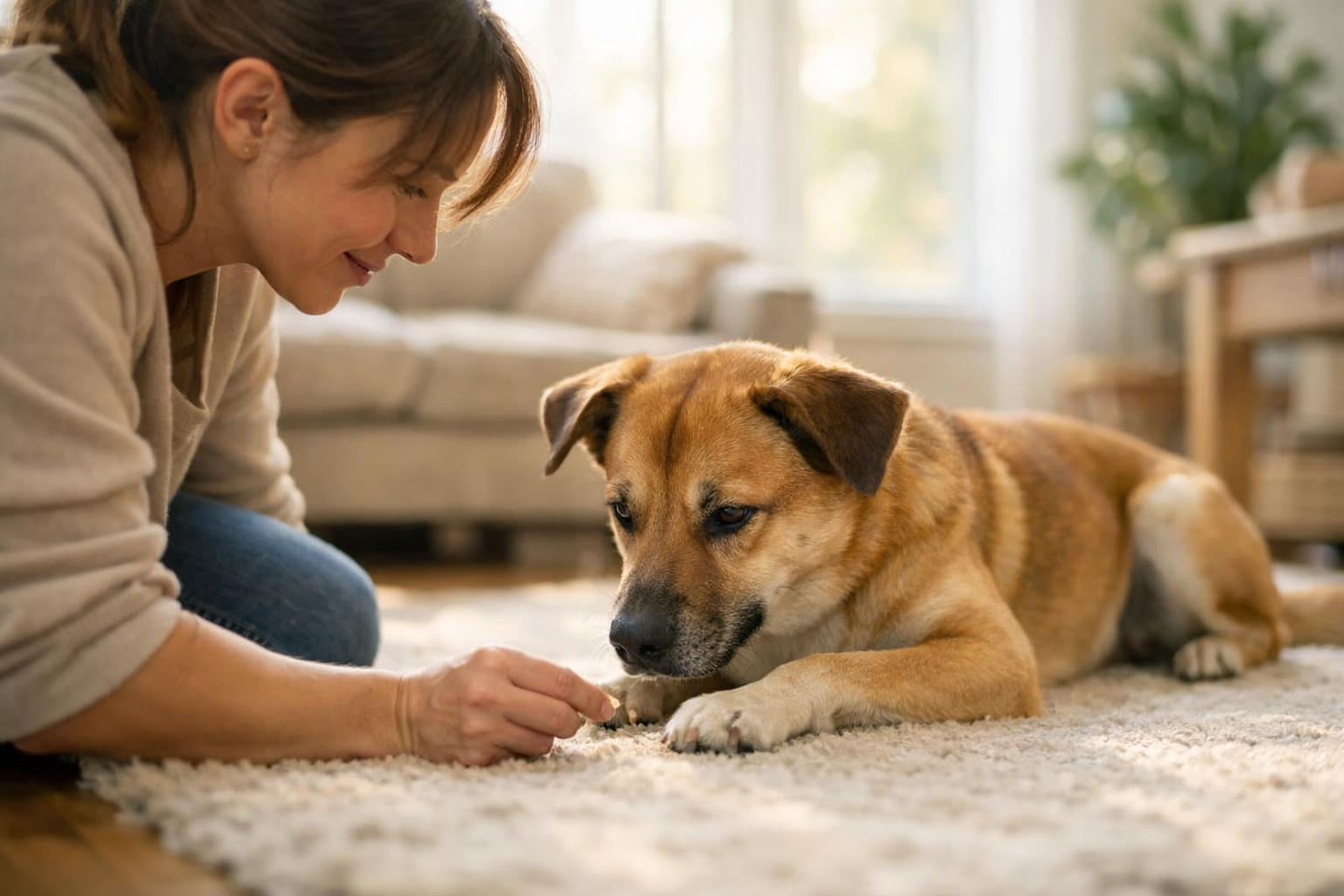
Give your dog a little structure. Regular walks, sniff time, short training sessions, food puzzles, and one-on-one attention help a lot. Ten focused minutes with you can do more than an hour of half-paying-attention time.
Keep the home predictable when possible. Feed at normal times. Walk at normal times. Let your dog rest somewhere quiet if the house feels busy.
For grieving or stressed dogs, do not force cheerfulness. Sit nearby. Offer gentle routine. Let them come to you. Some dogs bounce back fast. Others need a few weeks.
If the flat mood continues beyond a week or two, or keeps getting worse, schedule a vet visit even if the problem still seems emotional. Pain and illness often hide under what looks like a mood issue.
When to call the vet
Call within 24 hours if your dog looks sad and also has low appetite, vomiting, diarrhea, coughing, limping, shaking, new accidents in the house, or obvious pain. These are common signs that something physical is going on.
Make a same-day appointment if your dog seems weak, will not get comfortable, cries when touched, has a swollen belly, or suddenly becomes very withdrawn. A dog who normally loves interaction and now avoids everyone is waving a flag.
Go to an emergency vet right away if your dog has trouble breathing, collapses, cannot stand, has pale or blue gums, repeated vomiting, a painful hard abdomen, seizure activity, or signs of severe injury. At that point the "sad" look is the least important part of the picture.
Puppies, seniors, and dogs with chronic disease get less waiting time. They can slide downhill faster than healthy middle-aged dogs.
The question I would ask myself
Not "Does my dog look sad?" but "What else is different?"
That one question usually gets you closer to the answer. If nothing else is different, your dog may just have a dramatic face. If the expression comes with changes in energy, appetite, sleep, movement, or behavior, trust that instinct and dig further.
You do not need to panic over every soulful stare. But if your dog seems unlike themselves, especially all of a sudden, it is worth treating that look as useful information. Dogs rarely fake feeling bad.