Best Dog Food for Mastiff in 2026Based on Nutritional Science
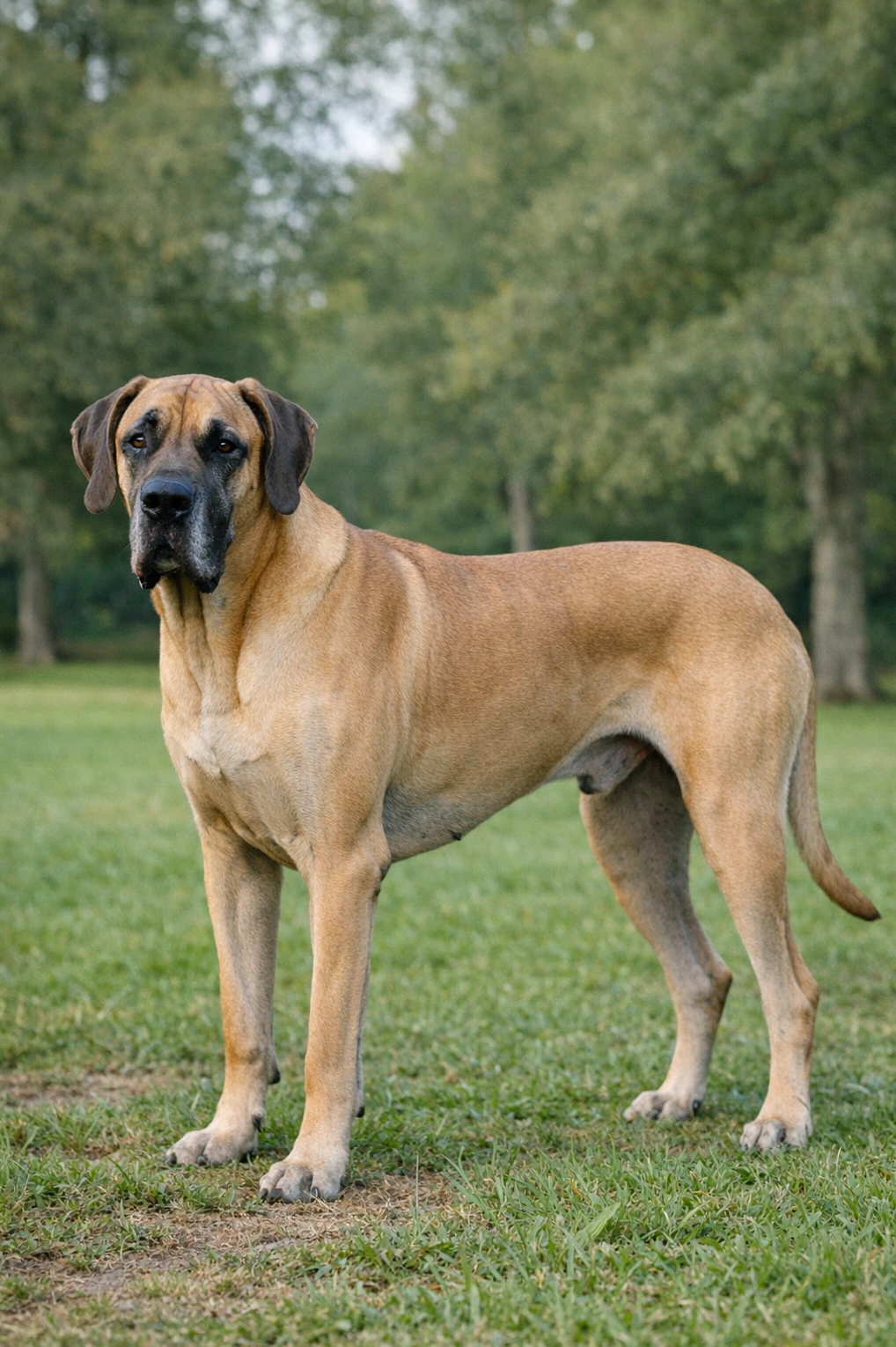
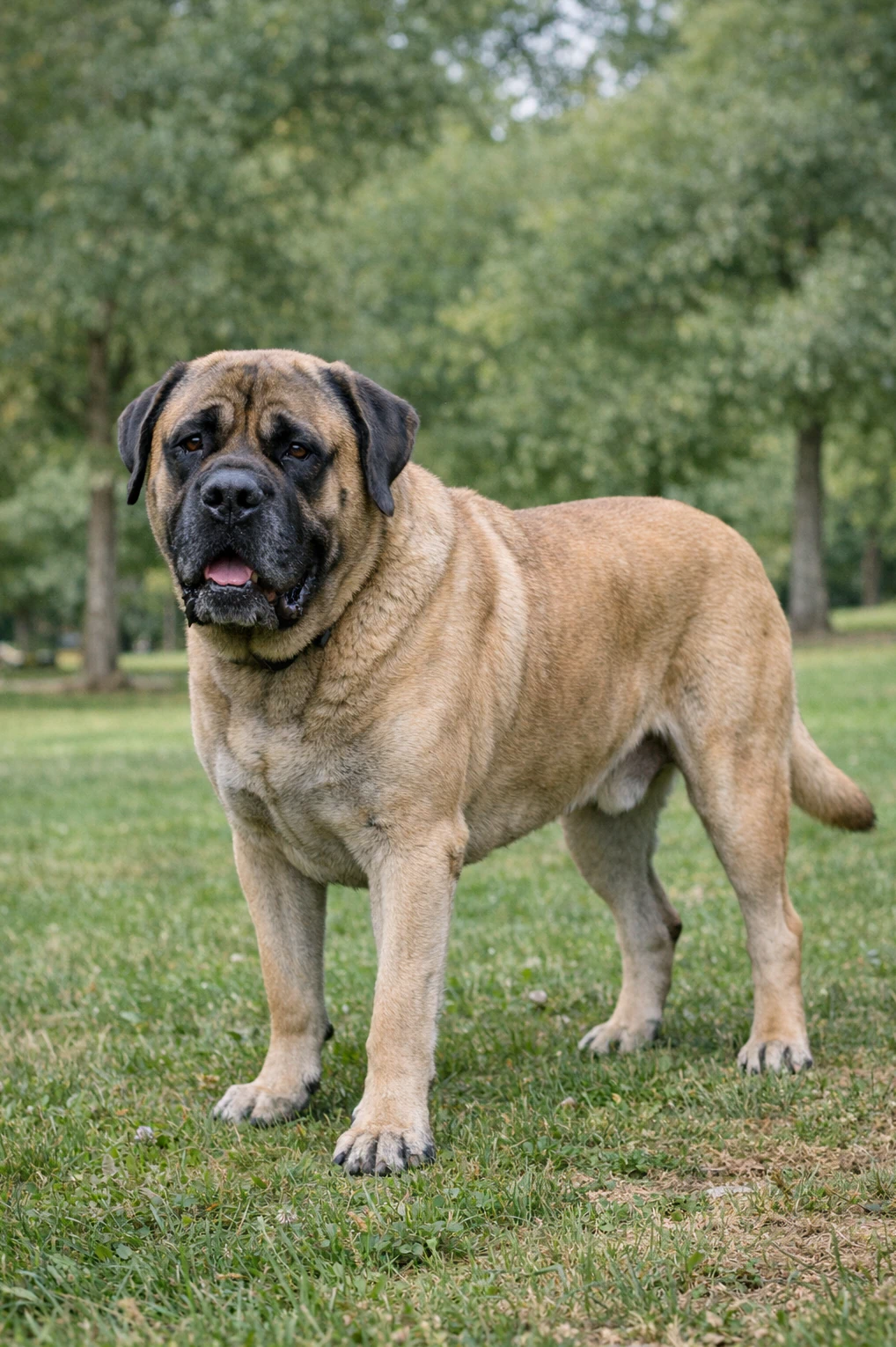
Stately, amiable, and bold, the Mastiff is a massive guardian standing 30 inches and up and weighing 160-230 pounds. Nutritional verdict: calorie-conscious, joint-supporting, high-quality protein and controlled portions for steady weight.
Understanding the Mastiff Metabolism and Energy Needs
As a descendant of powerful guardians and workers, these gentle giants combine strength with a calm, steady manner, and that large frame calls for thoughtful feeding. Their slow maturity and heavy build mean calories should support durable muscle without encouraging extra fat.
Lean, high quality protein is essential to maintain big muscle mass and preserve strength over time, for example real meat sources rather than low value fillers. Moderate, quality fats give concentrated energy and keep skin and coat healthy, while omega-3 oils help reduce joint inflammation and support mobility.
Carefully chosen carbohydrates and extra fiber stabilize blood sugar, aid digestion, and help prevent weight gain. Joint-focused supplements like glucosamine and chondroitin, along with proper calcium and phosphorus balance, protect growing and aging joints in these large, steady companions.
Managing Mastiff Genetic Health Risks Through Nutrition
Seasonal Allergies
Helpful nutrients
Eye Anomalies and Eye Dysplasia
Helpful nutrients
Hip Dysplasia and Skeletal Disorders
Helpful nutrients
Heart Disease
Helpful nutrients
Cancer
Helpful nutrients
von Willebrand's Disease
Helpful nutrients
Degenerative Myelopathy
Helpful nutrients
Epilepsy
Helpful nutrients
Hygromas
Helpful nutrients
Bloat (Gastric Dilatation-Volvulus)
Helpful nutrients
Obesity and Excessive Growth in Puppies
Helpful nutrients
Mastiff Feeding & Calorie Calculator
Estimated Daily Calories
Tip: Start with this amount and adjust after 2–3 weeks based on your dog's body condition and weight trend.
This estimate provides a starting point for feeding. Individual calorie needs may vary depending on metabolism, body condition, and health status. Always monitor your dog's weight and consult your veterinarian when adjusting diet.
Foods and Ingredients to Avoid for Mastiff Dogs
Because Mastiffs are large and prone to obesity and joint strain, foods very high in fat can quickly add excess calories and weight.
Extra weight increases pressure on hips and elbows, raising the risk of hip dysplasia and worsening hygromas.
High-fat meals also raise the risk of pancreatitis, which can be serious. Stick to lean proteins and measured portions to protect joints and overall health.
Giant-breed puppies need careful calcium and phosphorus balance to support slow, steady growth.
Diets or supplements with too much calcium or an incorrect ratio can contribute to skeletal disorders and abnormal bone development in Mastiff puppies.
Aim for a calcium to phosphorus ratio near 1. 2:1 and avoid giving human supplements or free-choice minerals unless directed by a veterinarian experienced with giant breeds.
Rapid growth can stress developing bones and joints in Mastiff pups, so very high protein levels in puppy food are not always better.
Breed experts recommend puppy diets with protein no higher than 26 percent, helping promote steady growth without pushing the skeleton to grow too quickly.
Choose formulas formulated for giant breeds and follow feeding schedules that limit excess calories during that critical first two years.
Diets that replace grains with large amounts of peas, lentils, chickpeas or other legumes have been linked to heart concerns in some dogs.
Since Mastiffs can be predisposed to cardiac issues, it is wise to avoid exclusive reliance on high-legume, grain-free formulas unless they are proven balanced and vetted by your veterinarian.
Look for complete diets with appropriate taurine and nutrient profiles and discuss any grain-free choice with your vet.
Mastiffs are at higher risk of bloat, which is a life-threatening stomach distension and possible twist.
Large single meals, free-feeding or offering foods that cause excessive gas like certain beans and fermentable carbohydrates can increase the chance of uncomfortable stomach expansion.
Feed scheduled, measured meals and avoid very large portions at once.
Keep exercise calm before and after meals and watch for bloat signs so you can act fast if needed.
Many Mastiffs have skin sensitivities and may react to artificial colors, flavors or preservatives.
These additives can trigger itching, digestive upset or general intolerance, so choosing foods with fewer artificial ingredients helps keep coat and skin healthier.
High-sodium foods, table scraps and salty treats also burden the heart and kidneys, especially in a giant breed that may have cardiac predispositions, so keep salt intake low.
How Nutritional Needs Change Throughout the Mastiff Life Stages
A Mastiff's nutritional needs change from puppyhood through adulthood to senior years. Giant breeds like Mastiffs grow fast and need controlled growth, while activity level, breed-specific health risks and natural size affect calorie and nutrient needs. Adjusting protein, fat, minerals and feeding routines at each stage helps support healthy bones, heart and joints and reduces risks such as obesity, hip problems and bloat.
| Life Stage | Age Range | Primary Objective | Key Nutrient Focus |
|---|---|---|---|
| Puppy | 0–18 months | controlled skeletal development, immune support, brain development | DHA, balanced calcium/phosphorus, high-quality protein |
| Adult | 1.5–5 years | lean muscle maintenance and sustained energy | high-quality protein, omega-3 fatty acids, fiber |
| Senior | 5+ years | joint mobility, metabolic health, and cognitive support | glucosamine, chondroitin, antioxidants, lower calories |
Mastiff puppies grow rapidly but need controlled, steady weight gain to protect developing bones and joints. Rapid growth increases risk of hip and elbow dysplasia and elbow hygromas, so feeding should aim for slow, even development rather than accelerated size.
Choose a high quality, large-breed puppy formula with appropriate calcium to phosphorus balance and moderate calories per pound, plus adequate protein for muscle and DHA for brain development. Feed several small meals a day, typically three to four while young, to ease digestion and lower bloat risk, and avoid free-feeding. Include joint-support ingredients such as glucosamine and chondroitin, and monitor for early signs of allergies, heart or bleeding disorders so you can adjust diet with your veterinarian.
As adult Mastiffs reach full size, nutrition focuses on preserving lean muscle while preventing excess weight that strains joints and heart. These gentle giants often have a lower to moderate activity level, so calories should match their daily energy output rather than body size alone.
Feed a diet with high quality protein to maintain muscle, moderate fat for energy and controlled calories to avoid obesity. Two measured meals a day reduce bloat risk and help keep weight steady. Include omega-3 fatty acids for joint and heart health, and maintain joint-support nutrients while monitoring body condition and working with your veterinarian to adjust portions to activity, age and any breed-specific health needs.
As Mastiffs age, their metabolism usually slows and mobility can decline, making weight management and joint care top priorities. Digestive efficiency may drop and dental wear can affect how much and what they comfortably eat, so food texture and nutrient density matter more than ever.
Offer a nutrient-dense senior formula with high quality, easily digestible protein to preserve lean mass, plus joint support like glucosamine, chondroitin and omega-3s. Antioxidants such as vitamin E and selenium support immune health and cellular repair. Reduce calories if activity has fallen, but avoid sudden restriction that wastes muscle. Smaller, more frequent meals can help digestion and lower bloat risk. Discuss heart, kidney and bleeding disorder risks with your veterinarian before making major changes.
Kibble vs Fresh vs Raw for Mastiff
Different feeding models suit different lifestyles, budgets, and health needs. For Mastiffs, size, joint concerns, and bloat risk help determine which diets are safest and most practical.
Pros
- Convenient and easy to portion for busy households with large appetites.
- Many formulas include joint-support nutrients for hip and elbow health.
- Calorie-controlled options help prevent rapid weight gain and joint strain.
- Shelf-stable and easy to store for multi-dog or family situations.
Cons
- High calorie density risks obesity if portions are not strictly managed.
- Some brands contain fillers or low-quality ingredients that offer little nutrition.
- Low moisture content may worsen hydration, important for large Mastiffs.
- Rapid gulping increases bloat risk; slow feeders or divided meals help.
Pros
- High moisture content supports hydration and healthier digestion.
- Easily adapted to include joint-supporting ingredients like fish oil or glucosamine.
- Often highly palatable, good for picky Mastiffs with poor appetites.
- Full control over ingredient quality for dogs with food sensitivities.
Cons
- More expensive and time-consuming than kibble for large adult Mastiffs.
- Risk of nutritional imbalance without veterinary or nutritionist guidance.
- Requires refrigeration and daily meal prep for families with busy schedules.
- Large meals can contribute to bloat unless portions and timing are managed.
Pros
- High-quality proteins may support muscle mass in this giant breed.
- Some owners report shinier coats and improved energy levels.
- Unprocessed foods preserve natural nutrients, potentially aiding digestion.
Cons
- Higher bacterial contamination risk unless handled with strict hygiene.
- Whole bones can cause choking, obstruction, or dental damage in Mastiffs.
- Balancing calcium and phosphorus is critical for giant breed bone health.
- High-fat raw meals or large portions may increase bloat risk.
| Diet Type | Pros for Mastiff | Potential Downsides |
|---|---|---|
| High-Quality Kibble |
|
|
| Fresh Cooked Food |
|
|
| Raw Diet (BARF) |
|
|
Our Recommendation
For many Mastiff families, a high-quality kibble formulated for giant breeds is the most practical starting point.
Fresh cooked diets work well if carefully balanced, while raw feeding needs veterinary guidance and strict hygiene due to bloat and bone risks.
See Also
Breeds with similar group, size, and coat characteristics