Best Dog Food for Great Dane in 2026Based on Nutritional Science
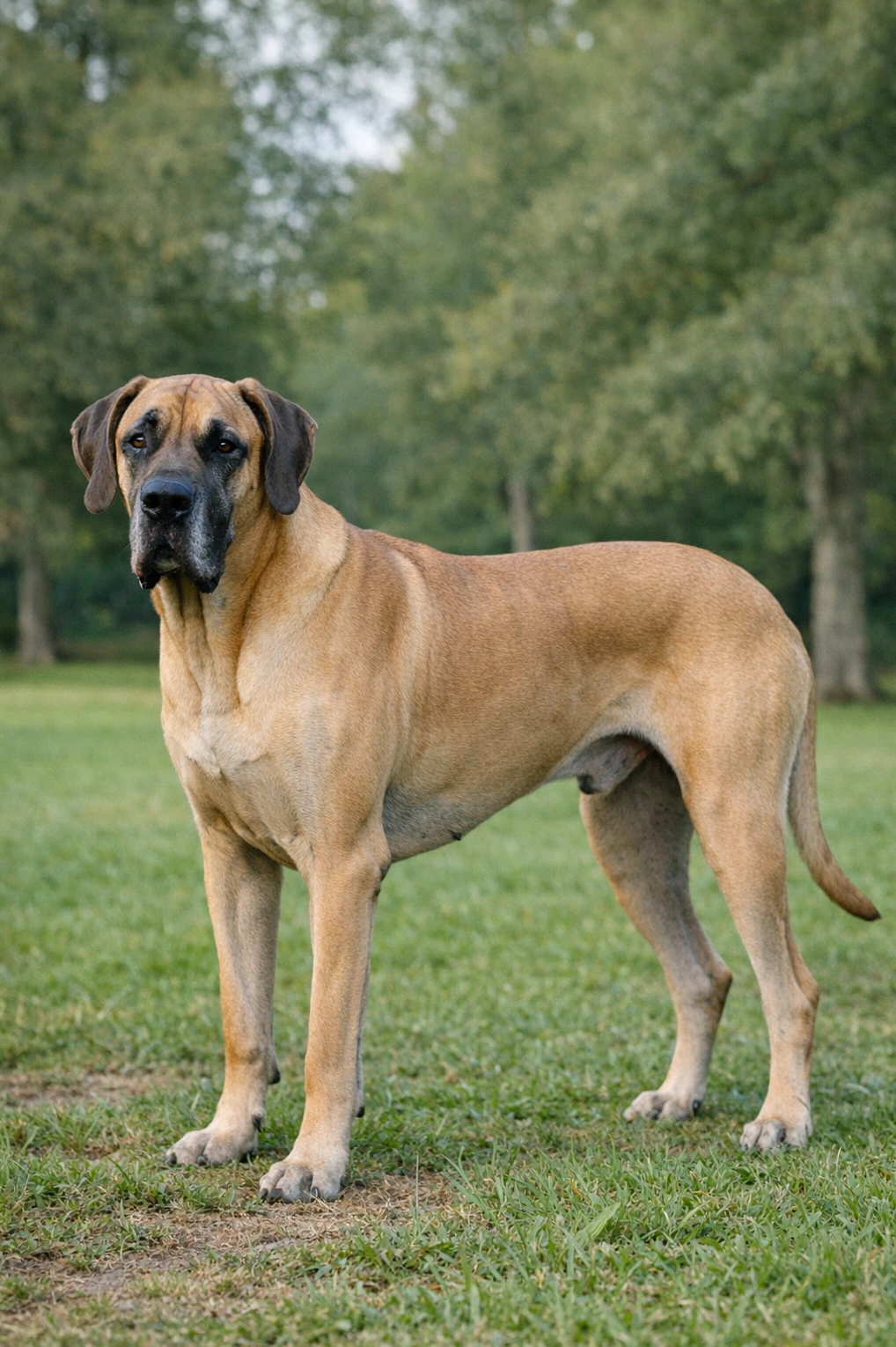
Great Danes stand about 30 to 32 inches tall and weigh 140 to 175 pounds for males. Gentle, calm and reliable, they benefit from nutrient-dense food with joint support. Nutritional Verdict: balanced, calorie-conscious meals.
Understanding the Great Dane Metabolism and Energy Needs
As a large, steady dog with a history of heavy-duty tasks, their nutrition needs to support size without encouraging overly fast growth. Large bones and strong muscles need steady, high-quality protein to preserve lean mass and support the heart, while energy should come from concentrated fats rather than excess starchy fillers. Too many simple carbohydrates risks extra weight that stresses joints and mobility.
During growth phases, controlled calorie intake and careful calcium management lower the chance of bone and joint problems. In adulthood, moderate fat keeps energy consistent and skin healthy, and complex carbohydrates with fiber support digestion. Targeted supplements, such as glucosamine and omega-3 fatty acids, help maintain joint comfort and reduce inflammation, and smaller, regular meals can lower the risk of digestive emergencies.
Managing Great Dane Genetic Health Risks Through Nutrition
Hip Dysplasia
Helpful nutrients
Bloat (Gastric Dilatation-Volvulus)
Helpful nutrients
Dilated Cardiomyopathy (DCM)
Helpful nutrients
Rapid Growth and Bone Development
Helpful nutrients
Osteoarthritis and Joint Degeneration
Helpful nutrients
Hypothyroidism
Helpful nutrients
Great Dane Feeding & Calorie Calculator
Estimated Daily Calories
Tip: Start with this amount and adjust after 2–3 weeks based on your dog's body condition and weight trend.
This estimate provides a starting point for feeding. Individual calorie needs may vary depending on metabolism, body condition, and health status. Always monitor your dog's weight and consult your veterinarian when adjusting diet.
Foods and Ingredients to Avoid for Great Dane Dogs
Great Danes are a giant, deep-chested breed that face a higher risk of gastric dilatation and volvulus, often called bloat, and they can also be sensitive to pancreatitis.
Big, rich, fatty meals slow digestion and can increase the chance of both conditions, which are emergencies.
To protect your dog, avoid fatty table scraps and very high-fat commercial foods, and speak with your veterinarian about feeding schedules and diets that reduce sudden large meals and excess fat intake.
During the rapid growth phase, Great Dane puppies need controlled calcium, phosphorus, and calorie intake to support proper bone development without overstressing joints.
Too much calcium or indiscriminate joint supplements can contribute to abnormal bone growth and increase the risk of hip and elbow problems.
For this reason, avoid adult-formulation supplements and high-calcium home diets unless prescribed, and follow a veterinarian or canine nutritionist recommendation for puppy-specific formulas made for giant breeds.
Some grain-free diets that rely heavily on peas, lentils, chickpeas, or other legumes have been linked to heart problems in certain dogs, especially when they lack the right balance of nutrients.
Giant breeds like Great Danes already need careful heart and joint support, so an imbalanced grain-free recipe could pose additional risks.
It is wise to be cautious with diets that replace grains with large amounts of legumes and to discuss any major ingredient changes with your veterinarian, especially for long-term feeding.
Because Great Danes have powerful jaws and large size, small or brittle bones and rawhide chews can present a serious choking hazard or cause broken teeth and intestinal blockages.
Intestinal obstructions can require surgery and are particularly risky for a giant breed that may not show early signs until the problem is severe.
Opting to avoid small, ingestible chews and supervising any chew time reduces the chance of dental injury or dangerous blockages in these big dogs.
Processed human foods and salty snacks can lead to excessive thirst, fluid imbalance, and weight gain in a breed that already benefits from careful weight management to protect joints and the heart.
High sodium can exacerbate underlying health issues and encourage water retention.
Avoid feeding deli meats, salty leftovers, and processed snacks, and keep table treats low in salt and calories to help maintain a healthy weight and overall cardiovascular health.
Certain ingredients are outright toxic to dogs and can cause severe illness or death even in moderate amounts.
Chocolate, grapes, raisins, and artificial sweeteners like xylitol are dangerous and should never be offered to a Great Dane, as their large appetite can increase the risk of accidental ingestion.
Because a giant dog can consume more at once, secure storage of food and quick action if ingestion is suspected will protect them from serious toxic effects.
How Nutritional Needs Change Throughout the Great Dane Life Stages
Different life stages bring changing nutritional needs for your Great Dane. Puppyhood, adulthood, and senior years each demand adjustments in calories, protein, and micronutrients to support growth, maintenance, and healthy aging. These needs are shaped by the breed's rapid growth rate, large size, activity level, and common health tendencies like joint stress and bloat, so tailored feeding helps keep them strong and comfortable.
| Life Stage | Age Range | Primary Objective | Key Nutrient Focus |
|---|---|---|---|
| Puppy | 0–18 months | controlled skeletal development, immune support, brain development | DHA, balanced calcium/phosphorus, high-quality protein |
| Adult | 1.5–5 years | lean muscle maintenance and sustained energy | high-quality protein, omega-3 fatty acids, fiber |
| Senior | 5+ years | joint mobility, metabolic health, and cognitive support | glucosamine, chondroitin, antioxidants, lower calories |
Great Dane puppies grow very quickly and have prolonged skeletal development, so calorie and mineral balance is critical during their first 12 to 24 months. Rapid growth can increase the risk of orthopedic problems, so avoid excess calories and calcium, and choose a large-breed puppy formula formulated for controlled growth. Feed measured meals rather than free feeding, and divide daily food into three to four smaller feedings to help steady growth and lower bloat risk.
Prioritize high quality protein for muscle and lean mass, appropriate calcium to phosphorus ratios, and omega-3 fatty acids for joint and brain development. Keep exercise gentle and consistent, avoiding high-impact or repetitive jumping while bones are maturing, and be mindful of the breed's predisposition to hip and elbow issues and to gastric dilatation. Regular vet checks will help adjust portions and transition to adult diets when skeletal maturity is reached.
As adults, Great Danes need nutrition that maintains strong muscle mass without excess calories that strain joints. Choose a diet with high quality protein and moderate fat, tailored to the dog’s activity level, whether relaxed and home-bound or more active with daily walks. Provide two regular meals per day to reduce bloat risk and help manage portion control.
Because of their large body mass, portion control and monitoring body condition are essential to avoid obesity and joint stress. Consider diets with joint-supporting nutrients and a balance of fiber for comfortable digestion, and discuss heart-healthy considerations with your vet, since giant breeds can have cardiac concerns. Adjust calories seasonally and with activity changes to keep a lean, muscular build.
As Great Danes enter senior years, metabolism and activity typically decline, while joint wear and digestive sensitivity may increase. Seniors often need slightly fewer calories but higher quality, more digestible protein to preserve lean muscle and support recovery. Softer kibble or wet food can help dogs with dental wear or reduced appetite.
Include joint-supporting ingredients like glucosamine, chondroitin, and omega-3 fatty acids, and add antioxidants such as vitamins E and C to support cellular health. Adjust calories to maintain a comfortable weight, and consider more frequent, smaller meals to ease digestion and lower bloat risk. Regular veterinary checks can guide supplements and any heart or kidney-related diet changes.
Kibble vs Fresh vs Raw for Great Dane
Different feeding models suit different lifestyles and dog needs. Great Danes have unique size and health considerations, so choose accordingly.
Pros
- Convenient and easy to portion large servings for busy owners.
- Special large-breed formulas include joint supplements and controlled calories.
- Dry texture helps reduce tartar buildup compared with soft diets.
- Long shelf life reduces frequent bulk preparation and spoilage.
Cons
- Lower moisture content may not suit dogs prone to dehydration.
- Some formulas are calorie-dense, risking weight gain without portion control.
- Requires careful ingredient selection to avoid fillers and low-quality proteins.
- Meal timing and portion size need attention to reduce bloat risk.
Pros
- High moisture supports digestion and may reduce dehydration risk.
- Allows full control over ingredients and supplement inclusion.
- Often very palatable, helpful for picky Great Danes.
- Can be tailored for joint health and healthy weight management.
Cons
- Time consuming to prepare large daily portions for a giant breed.
- More expensive long term than kibble.
- Requires careful balancing of calcium and phosphorus for bone health.
- Needs refrigeration and safe storage for large batch meals.
Pros
- High protein and palatability appeal to many large breed dogs.
- Some owners report shinier coat and increased energy.
- Unprocessed ingredients provide natural nutrients when properly balanced.
- Can include high-quality raw meats for tailored nutrient profiles.
Cons
- Higher bacterial contamination risk, needing strict hygiene and handling.
- Balancing calcium and phosphorus is critical, especially for growing Danes.
- Whole bones pose choking or tooth risks without careful supervision.
- Ongoing cost and freezer storage needs can be substantial for large adults.
| Diet Type | Pros for Great Dane | Potential Downsides |
|---|---|---|
| High-Quality Kibble |
|
|
| Fresh Cooked Food |
|
|
| Raw Diet (BARF) |
|
|
Our Recommendation
For most Great Danes, a high-quality kibble formulated for large breeds often provides balanced nutrition and convenience.
Fresh cooked diets suit owners who want ingredient control, while raw diets require veterinary guidance and strict hygiene, especially for puppies.
See Also
Breeds with similar group, size, and coat characteristics