Best Dog Food for Dogo Argentino in 2026Based on Nutritional Science
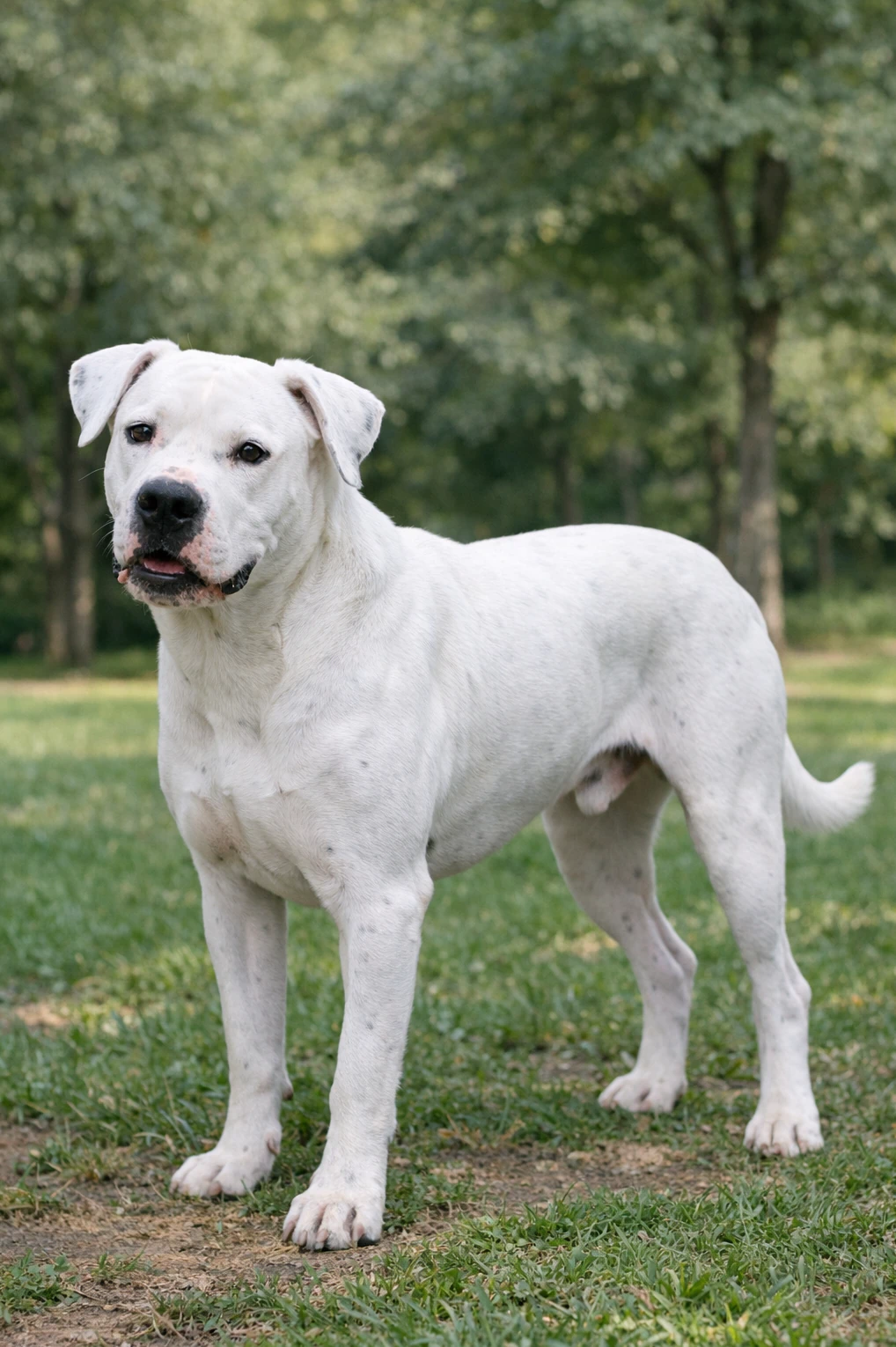
Large, muscular dog standing 24 to 26.5 inches and weighing 80 to 100 pounds, devoted, bold, and high-energy. Nutritional verdict: a protein-rich, balanced diet with healthy fats and joint support.
Understanding the Dogo Argentino Metabolism and Energy Needs
These dogs were developed for demanding, high-intensity work, often tracking and holding large game, so their bodies and minds are built for short bursts of power and sustained focus. That combination of strength, bravery, and devotion means their food must support lean muscle while keeping energy available for activity.
That calls for a protein-forward feeding plan centered on quality animal proteins to maintain dense musculature and speed recovery after exertion, with moderate-to-rich fats providing concentrated fuel and supporting skin and coat health. Omega-3 fats like EPA and DHA help manage inflammation and support heart and brain wellness, while digestible complex carbohydrates offer steady energy without sudden blood sugar swings.
Joint-support nutrients such as glucosamine and chondroitin are sensible for a powerful frame that stresses hips and shoulders, and antioxidants aid muscle repair. Balanced minerals, portion control, and electrolytes when active help preserve performance and healthy weight.
Managing Dogo Argentino Genetic Health Risks Through Nutrition
Joint and bone development
Helpful nutrients
Sensitive digestion and nutrient absorption
Helpful nutrients
Obesity and weight management
Helpful nutrients
Hydration and electrolyte balance
Helpful nutrients
Dogo Argentino Feeding & Calorie Calculator
Estimated Daily Calories
Tip: Start with this amount and adjust after 2–3 weeks based on your dog's body condition and weight trend.
This estimate provides a starting point for feeding. Individual calorie needs may vary depending on metabolism, body condition, and health status. Always monitor your dog's weight and consult your veterinarian when adjusting diet.
Foods and Ingredients to Avoid for Dogo Argentino Dogs
Given the Dogo Argentino's large size and muscular build, high-fat foods and greasy table scraps can quickly lead to excess weight and raise the risk of pancreatitis.
Extra pounds place heavy strain on their joints and spine, reducing mobility and increasing the chance of injury.
Keep dietary fat moderated and choose measured, high quality fat sources recommended by your veterinarian to support energy without compromising joint and heart health.
Avoid feeding table scraps, especially salty, heavily seasoned, or spicy foods, because Dogo Argentinos can gain weight quickly and are sensitive to abrupt changes in diet.
Salted or seasoned human foods can upset their digestion and encourage begging, which often leads to chronic overfeeding and joint stress.
Sticking to measured meals and vet approved treats helps maintain stable weight and reduces the risk of long term mobility problems.
Onions, garlic, chives and leeks contain compounds that can damage red blood cells and cause hemolytic anemia in dogs.
Even repeated small amounts can be risky for a large breed like the Dogo Argentino, because cumulative exposure matters and recovery can require veterinary care.
Avoid all allium ingredients in cooked and processed foods, and always check treat labels to protect their blood health and steady energy levels.
Chocolate, coffee, certain energy drinks and products sweetened with xylitol are toxic to dogs and should never be offered.
For an 80 to 100 pound Dogo Argentino even moderate doses of these substances can cause severe symptoms ranging from vomiting and tremors to life threatening liver failure or hypoglycemia.
Keep these items well out of reach, educate family and guests, and seek immediate veterinary care if accidental ingestion occurs.
Large breed puppies need controlled calcium and calorie intake to support even skeletal growth and avoid rapid weight gain that stresses developing joints.
Diets made for small breeds or for all life stages can contain too much calcium or too many calories, which may contribute to abnormal bone development in a growing Dogo Argentino.
Use a reputable large breed puppy formula recommended by your veterinarian and do not add calcium supplements unless specifically directed.
Many grain free foods rely heavily on peas, lentils and other legumes for their protein and carbohydrate content, and some research links these diets to heart problems in certain dogs.
For a big, active breed it is safer to choose diets with varied, high quality protein sources and balanced nutrients, particularly adequate taurine.
If you prefer grain free, discuss specific ingredients with your veterinarian and monitor heart health with regular check ups.
How Nutritional Needs Change Throughout the Dogo Argentino Life Stages
Dogs need different nutrition at each life stage, with puppyhood, adulthood, and the senior years bringing distinct needs. For a breed like the Dogo Argentino, growth rate, high activity level, and any common health tendencies influence how much and what type of food is best. Adjusting calories, protein, and specific nutrients through life helps keep them strong and happy.
| Life Stage | Age Range | Primary Objective | Key Nutrient Focus |
|---|---|---|---|
| Puppy | 0–18 months | controlled skeletal development, immune support, brain development | DHA, balanced calcium/phosphorus, high-quality protein |
| Adult | 1.5–5 years | lean muscle maintenance and sustained energy | high-quality protein, omega-3 fatty acids, fiber |
| Senior | 5+ years | joint mobility, metabolic health, and cognitive support | glucosamine, chondroitin, antioxidants, lower calories |
Dogo Argentino puppies grow quickly, especially in the first year, so their feeding should support steady skeletal development without promoting overly rapid weight gain. Focus on controlled calories and a balanced calcium to phosphorus ratio to protect joints and bones, since large, athletic breeds are more at risk from fast growth.
High quality animal protein supports muscle, while DHA helps brain and eye development. Feed smaller, frequent meals, three to four times daily when very young, then gradually move to two meals by adulthood. Include omega-3 fatty acids and consider early joint support nutrients like glucosamine if recommended by your vet, keeping watch for breed-specific health notes from a responsible breeder.
Adult Dogo Argentinos are athletic and muscular, so their diet should support lean mass and steady energy. Aim for high quality protein to preserve muscle, with fats to meet calorie needs and support a glossy coat.
Active or working dogs will need more calories and higher fat, while less active pets benefit from modest calorie control to avoid weight gain. Regular exercise, measured portions, and feeding twice daily help maintain body condition and reduce bloat risk in deep-chested breeds.
Include omega-3s for skin and joint health and antioxidants to support immune function. Work with your vet to fine tune calorie targets and choose a balanced adult formula suited to an athletic, loyal breed like the Dogo Argentino.
As Dogo Argentinos enter their senior years, metabolism often slows and muscle mass can decline, while joint stiffness and digestion changes may appear. Calorie needs commonly drop, but protein needs stay high to preserve lean tissue.
Prioritize easily digestible, high quality protein and adjust total calories to keep a healthy weight. Add joint-support nutrients such as glucosamine and chondroitin, along with omega-3 fatty acids to ease inflammation and support mobility.
Antioxidants like vitamins E and C, plus controlled fiber, can help immune health and digestion, while moist or softer food may be helpful for dogs with dental wear. Work closely with your veterinarian for tailored adjustments and regular weight and mobility checks to keep your large, loyal dog comfortable and active.
Kibble vs Fresh vs Raw for Dogo Argentino
Dogo Argentinos are athletic, powerful companions with high energy and lean muscle. Different feeding models suit different owner routines, activity levels, and health needs.
Pros
- Convenient and easy to portion for busy owners.
- Consistent nutrition supports high energy and muscle maintenance.
- Firm kibble can help reduce tartar on strong jaws.
- Long shelf life is practical for active, large dogs.
Cons
- Lower moisture may not suit dogs that prefer wet food.
- Some formulas include fillers that add unnecessary calories.
- Portioning must be precise to avoid weight gain.
- Less flexibility for dogs with specific ingredient sensitivities.
Pros
- Highly palatable, great for picky or recovering dogs.
- Higher moisture supports hydration during heavy exercise.
- You control ingredient quality and protein sources.
- Easy to add joint and omega supplements for large breeds.
Cons
- More time consuming and labor intensive than kibble.
- Often more expensive over time for large eaters.
- Requires careful planning to ensure complete nutrition.
- Needs refrigeration and safe storage between meals.
Pros
- High protein matches the breed's athletic, muscular needs.
- Some owners see improved coat and sustained energy.
- Large meaty bones can satisfy strong chewing drive.
Cons
- Higher bacterial risk requires strict hygiene and handling.
- Balancing calcium and nutrients is challenging without guidance.
- Bone hazards exist if bones are inappropriate or unsafely prepared.
- Impractical for many owners due to prep and storage needs.
| Diet Type | Pros for Dogo Argentino | Potential Downsides |
|---|---|---|
| High-Quality Kibble |
|
|
| Fresh Cooked Food |
|
|
| Raw Diet (BARF) |
|
|
Our Recommendation
For most Dogo owners, a high-quality kibble or a kibble-fresh rotation balances convenience and performance.
Raw feeding can suit experienced owners, but it needs veterinary guidance and strict hygiene.
See Also
Breeds with similar group, size, and coat characteristics